


 Order Status & Returns
 Gift Cards
 Help Center
 1-800-345-4545
Parking Brake Cables
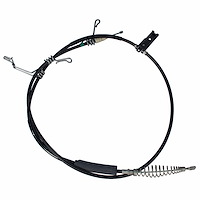
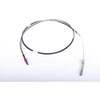
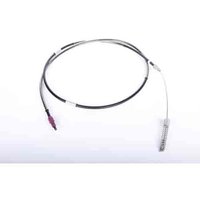
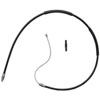
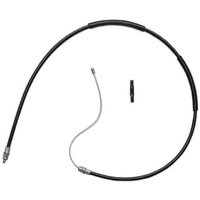
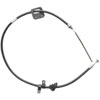
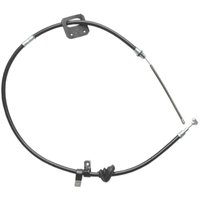
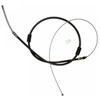
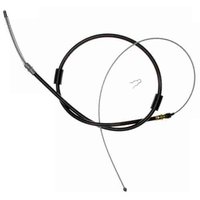
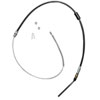
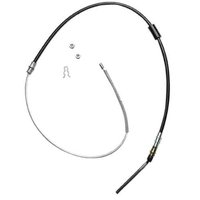
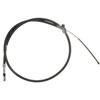
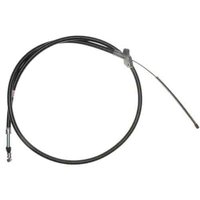
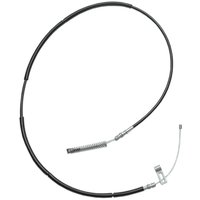
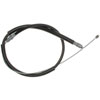
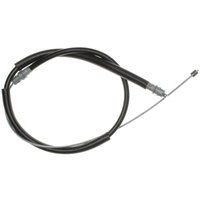
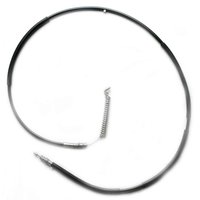
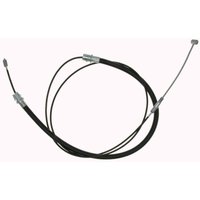
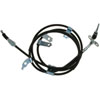
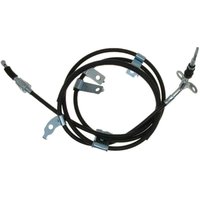
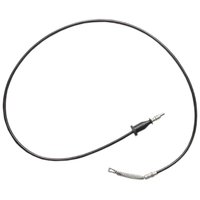
Parking brake cables are the mechanical link that lets your emergency brake hold the car in place, and JEGS stocks replacement cables, connectors, idlers, clips, and complete kits from the brands builders trust. Shopping here means you can match cable length, routing, and fitment to your exact year, make, and model instead of guessing. You'll find both OEM-style direct-fit options for restorations and universal parking brake cable kits for custom and hot-rod builds.
Show More
What Types of Parking Brake Cables and Components Does JEGS Carry?
JEGS carries a full range of parking brake cables plus the small parts that complete or repair your e-brake system. Whether you're restoring a classic or wiring up a custom chassis, you'll find the exact component your build calls for. Here's what you can shop in this category:
- Replacement cables sized for common year, make, and model applications
- Parking brake cable connectors that join sections and tie into the equalizer
- Cable idlers and pulleys that guide routing under the chassis
- Cable clips and retainers that keep each run secure and rattle-free
- Mounting brackets that anchor the cable to the frame or body
- Complete parking brake cable kits that bundle everything in one box
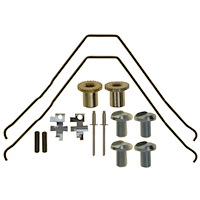
Many of these components come from trusted suppliers like Dorman, so you can match quality and price to your project. If you still need adjusters, springs, or clips on their own, browse our parking brake hardware selection for the finishing pieces.
How Do You Choose the Right Parking Brake Cable?
Start by matching the cable to your vehicle's original routing and length, because a cable that's too short or too long won't tension correctly. Measure the run from the lever or pedal to the equalizer and back to each rear wheel, and note how the cable clips to the chassis.
Next, decide between an OEM-style replacement and a universal setup. A direct-fit cable bolts in with factory ends and hardware, which is ideal when you want a stock feel. A universal parking brake cable lets you cut and fit custom lengths, which suits swaps and one-off builds. Brands like Lokar offer adjustable cables designed for exactly that kind of flexibility.
Whichever route you pick, confirm fitment by year, make, and model before you buy. For a deeper walkthrough on planning the whole system, read our guide on how to choose parking brakes for your classic car.
OEM-Style vs. Universal Parking Brake Cable Kits
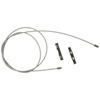
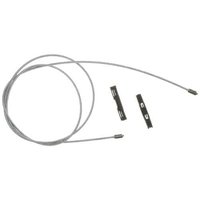
The main difference comes down to how the cable mounts and whether the length is fixed. OEM-style kits are direct-fit: they use factory-matched ends, brackets, and lengths so they drop into a stock chassis without modification. Universal kits ship with adjustable or trim-to-length cables and generic ends you fit to your setup.
An OEM-style parking brake cable kit is the better pick for restorations and daily drivers, where you want the original routing and feel restored exactly. A universal kit is the smarter choice for custom, pro-touring, and hot-rod builds, where the chassis, seat position, or rear brakes no longer match the factory layout.
If you're upgrading to aftermarket calipers, brands like Wilwood pair well with universal cable setups. Not sure which system fits your project? Step back to the full parking brakes category to compare cables, levers, and assemblies side by side.
How Do You Know When a Parking Brake Cable Needs Replacing?
The clearest sign is a parking brake that won't hold the car on an incline, even when the lever or pedal is fully set. That usually means the cable has stretched, snapped, or lost tension. Catching it early keeps a minor repair from becoming a safety problem.
Watch for these common symptoms:
- A lever or pedal that feels loose, slack, or travels farther than normal
- Frayed, rusted, or corroded cable strands you can see or feel
- A cable that sticks, binds, or won't release cleanly after you set it
- Rear brakes that drag or overheat because the cable stays under tension
A sticking cable is often caused by moisture and dirt working into the housing. Sometimes cleaning and lubrication buys you time, so review our guide on how to lubricate brakes before you replace anything. If the lever assembly is worn too, look at matching parking brake pedal pads while you're in there.
How Do You Install and Adjust a Parking Brake Cable?
Most parking brake cable jobs follow the same basic steps, and you can handle them at home with common tools. You'll want a jack and stands, a socket set (10mm sockets fit many cable clamps), pliers, and penetrating oil to free stuck fasteners.
Start by raising and safely supporting the rear of the vehicle. Disconnect the old cable at the equalizer, unclip it along the frame, and detach it at the rear drums or calipers. Route the new cable the same way the original ran, seating it in every clip and bracket so it can't rub or bind.
Finish by adjusting tension at the equalizer until the slack is gone but the wheels still spin freely with the brake released. If you're switching brake styles, our guide on how to convert rear drum brakes to disc brakes covers the changes, and you can shop the full brakes category for the parts you need.

ADD A VEHICLE TO GUARANTEE PARTS FIT
See products that fit

ADD A VEHICLE TO GUARANTEE PARTS FIT
See products that fit

 Lowest price guarantee
Frequently Asked Questions About Parking Brake Cables
How much does it cost to replace a parking brake cable?
For a DIY repair, a single cable commonly runs about $10 to $100, while a complete kit typically falls between $50 and $300. A professional replacement with parts and labor often lands around $200 to $500. Actual cost varies by make, model, and how much disassembly the job requires.
How long does it take to replace a parking brake cable?
Most parking brake cable replacements take about 1 to 3 hours. The exact time depends on your vehicle and whether interior trim or exhaust heat shields have to come off to reach the cable. Rusted fasteners can add time to the job.
Is it safe to drive with a broken or stuck parking brake cable?
It's risky. A broken cable leaves you with no reliable holding brake on inclines and no mechanical backup if the service brakes fail. A stuck or seized cable can drag the rear brakes, causing overheating and premature wear. It's best to repair either problem promptly.
Can you replace just the parking brake cable, or do you need the whole assembly?
You can often replace just the cable if the lever or pedal and mounting hardware are still in good shape. If those parts are worn, corroded, or damaged, a fuller repair makes more sense. In that case, compare complete parking brake assemblies to fix the whole system at once.