


 Order Status & Returns
 Gift Cards
 Help Center
 1-800-345-4545
Shocks, Struts & Springs
Shocks and struts control how your vehicle rides and handles by damping spring motion and keeping your tires planted. This category brings together dampers, springs, and complete suspension kits for daily drivers, street machines, trucks, and race cars. Use the guide below to compare part types, spot worn components, and choose the right setup for your build.
Show More
Shocks vs Struts: What's the Difference?
A shock is a standalone damper, while a strut is a structural suspension component that also damps motion. Both control how fast your springs compress and rebound, but they're built for different jobs.
Shocks mount separately from the springs and don't carry vehicle weight. You'll see them on solid-axle trucks, classic muscle cars, and many rear suspensions.
Struts combine the damper with a coil spring mount and support the vehicle's weight. Because a strut is part of the suspension geometry, it also affects wheel alignment. You'll find struts on the front of most modern front-wheel-drive cars.
If you're working on a 1987-93 Mustang GT, a KYB kit pairs Gas-a-Just shocks with Excel-G struts for a matched front and rear setup. For a deeper breakdown of how each part works, read our struts vs shocks guide.
Types of Springs for Your Suspension
Springs hold up your vehicle's weight and set its ride height, and the right type depends on your suspension design. Most cars and trucks use one of these four spring styles:
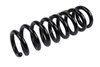
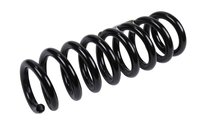
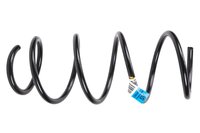
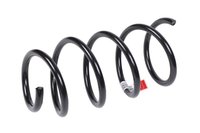
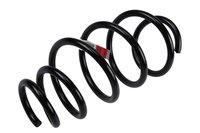
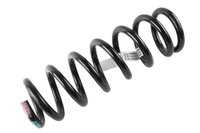
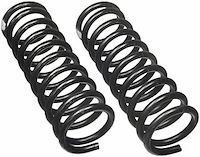
- Coil springs wind steel into a helix and work with a separate shock or strut.
- Leaf springs stack curved steel plates and are common on truck and classic car rear axles; browse leaf springs & components.
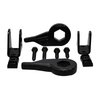
- Torsion bars twist to create spring force on many trucks; shop torsion bars & components, including lowering torsion keys.
- Coilover springs slide over a threaded shock body for adjustable ride height; find them in coilover shocks & springs.
Eibach makes performance springs and coilover spacers for street and track setups. If you're upgrading a truck, multi-rate leaf packs are available for models such as the 2019-up Ford Ranger.
Coilovers and Adjustable Shocks for Performance Builds
Coilovers combine a shock and coil spring in one adjustable unit, so you can tune ride height and damping for your build. They're a popular upgrade when you want sharper handling or a specific stance.
Adjustable shocks let you change damping without swapping parts. Single-adjustable shocks use one adjuster for overall damping, while double-adjustable shocks let you set compression and rebound separately. That extra control helps when you split time between street driving and track days.
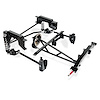
QA1 offers D100 coilover kits for a range of applications. RideTech builds the HQ coilover kit for 1963-1979 Corvettes, giving classic owners a modern suspension upgrade.
Before you order, confirm your mounting points, available travel, and wheel clearance. Coilovers change how your suspension loads the chassis, so plan the whole setup instead of swapping one corner at a time.
Signs It's Time to Replace Shocks and Struts
Replace shocks and struts when your vehicle bounces after bumps, handles poorly, wears tires unevenly, or shows leaking fluid. Watch for these common warning signs:
- Your vehicle keeps bouncing after you cross a dip or speed bump.
- The body leans hard in turns or feels loose at highway speed.
- Your tires show cupped or uneven tread wear.
- Oil or fluid coats the outside of the shock or strut body.
Worn dampers let your tires lose contact with the road, which hurts braking and steering control. They also speed up wear on tires, bushings, and mounts.
When you replace shocks or struts, inspect the mounts, bushings, and springs at the same time. If you find other worn parts, you can source replacements from our full selection of chassis, steering & suspension parts.
How to Choose Shocks and Struts for Your Vehicle
Start with your vehicle's year, make, and model, then match parts to how you drive. Use the Add a Vehicle tool at the top of this page to filter results to parts that fit your car or truck.
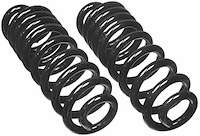
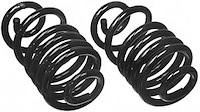
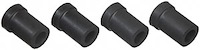
Next, decide what you want from the upgrade. For a daily driver, a direct-fit replacement restores the factory ride and handling. Moog rear coil springs and leaf spring bushings are a common choice for stock-height repairs.
For a street-performance build, consider firmer valving, adjustable shocks, or a coilover kit. If you've lowered or lifted your vehicle, choose shocks with the correct extended and compressed lengths for your new ride height.
Finally, think about load. Trucks that tow or haul need springs and dampers rated for the extra weight. Once you've narrowed your list, shop shocks, struts & springs now and compare options for your build.

ADD A VEHICLE TO GUARANTEE PARTS FIT
See products that fit

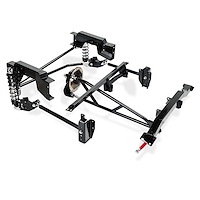
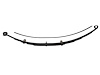
ICON VEHICLE DYNAMICS
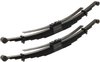
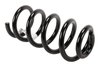
2019-UP FORD RANGER MULTI-RATE LEAF PACK WITH ADD-IN LEAF
Part Number: 504-198520A
 Ships TodayFree shipping
 Lowest price guarantee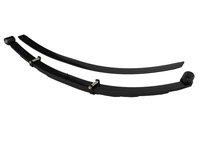
ICON VEHICLE DYNAMICS
2019-UP FORD RANGER MULTI-RATE LEAF PACK WITH ADD-IN LEAF
Part Number: 504-198520A
Ships TodayFree shippingLowest Price Guarantee
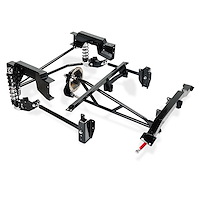
QA1
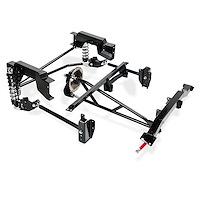
52614-D600 D100 Coil-Over Kit, Suspension System, Front, Standard Height
Part Number: 122-52614-D600
Ships TodayFree shippingLowest price guarantee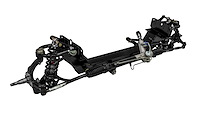
QA1
52614-D600 D100 Coil-Over Kit, Suspension System, Front, Standard Height
Part Number: 122-52614-D600
Ships TodayFree shippingLowest Price Guarantee
QA1
52615-S600 D100 Coil-Over Kit, Suspension System, Front, 2 in. Drop
Part Number: 122-52615-S600
Ships TodayFree shippingLowest price guarantee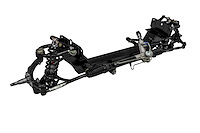
QA1
52615-S600 D100 Coil-Over Kit, Suspension System, Front, 2 in. Drop
Part Number: 122-52615-S600
Ships TodayFree shippingLowest Price Guarantee
QA1
52615-D600 D100 Coil-Over Kit, Suspension System, Front, 2 in. Drop
Part Number: 122-52615-D600
Ships TodayFree shippingLowest price guarantee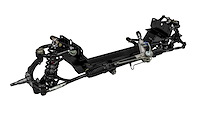
QA1
52615-D600 D100 Coil-Over Kit, Suspension System, Front, 2 in. Drop
Part Number: 122-52615-D600
Ships TodayFree shippingLowest Price Guarantee
QA1
52614-S600 D100 Coil-Over Kit, Suspension System, Front, Standard Height
Part Number: 122-52614-S600
Ships TodayFree shippingLowest price guarantee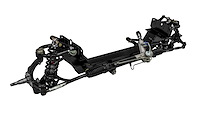
QA1
52614-S600 D100 Coil-Over Kit, Suspension System, Front, Standard Height
Part Number: 122-52614-S600
Ships TodayFree shippingLowest Price Guarantee
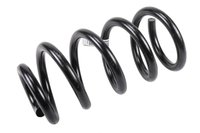


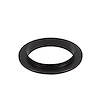
EIBACH
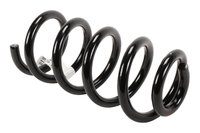
SPACER250 Spacer/Coupling (ID locating main to helper/tender coupling spacer) Diameter: 2.50" I.D.
Part Number: 369-SPACER250
Ships TodayLowest price guarantee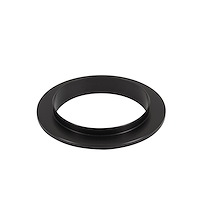
EIBACH
SPACER250 Spacer/Coupling (ID locating main to helper/tender coupling spacer) Diameter: 2.50" I.D.
Part Number: 369-SPACER250
Ships TodayLowest Price Guarantee

Frequently Asked Questions About Shocks and Struts
How long do shocks and struts last?
Most shocks and struts last between 50,000 and 100,000 miles. Rough roads, heavy loads, and aggressive driving can shorten that range. Inspect them at every tire rotation so you catch wear early.
Should shocks and struts be replaced in pairs?
Yes, replace them in pairs on the same axle. A new damper on one side and a worn one on the other can make your vehicle pull or handle unevenly. Replacing both keeps the ride balanced side to side.
Do you need an alignment after replacing struts?
Yes, you should get an alignment after replacing struts. Struts are part of the suspension geometry, so removing and reinstalling them can change camber and toe. Shocks usually don't affect alignment because they don't locate the wheel.
What is the difference between twin-tube and monotube shocks?
A twin-tube shock uses an inner working tube inside an outer reserve tube. A monotube shock uses a single tube with a floating piston that separates the oil from the gas charge. Monotube designs shed heat well, which helps keep damping consistent during hard driving.
Can I install coilovers on a stock suspension?
It depends on the kit. Some coilovers are bolt-in kits designed for specific vehicles and use factory mounting points. Universal kits, including many weld-on kits, require fabrication to install. Our coilovers buyer's guide helps you match a kit to your vehicle.