Sign up now to join the JEGS email newsletter and be the first to learn about new products, special deals and e-mail only offers!

 2 People Found This Article Helpful


Upgrading your suspension system is one of the smartest moves you can make if you're serious about enhancing vehicle performance, comfort, and handling. Coilovers have become the go-to option for many enthusiasts because of their adjustability and versatility. Whether you're chasing better track times, improved street comfort, or a more aggressive stance, QA1 coilovers deliver.
This guide explains what coilovers are, how to choose the right ones, and why QA1 offers some of the most trusted suspension systems on the market.
Coilovers, short for "coil spring over shock," are a suspension upgrade that integrates a coil spring and shock absorber into a single adjustable unit. Unlike traditional shocks and springs, coilovers allow you to fine-tune your ride height, damping characteristics, and sometimes even spring preload.
What sets coilovers apart is their flexibility. You can lower your ride for the right stance or weight distribution, tighten the suspension for better handling, or soften it for a smoother drive. This kind of tuning is essential for anyone modifying their vehicle for drag racing, autocross, track use, or spirited weekend drives.
QA1 is known for producing high-quality suspension systems built to perform under real-world conditions. Manufactured in Lakeville, Minnesota, every QA1 coilover is rigorously tested and supported by an experienced team that understands the demands of performance vehicles.

Finding the best coilovers starts with knowing your goals. Here's how to narrow it down.
Your intended use will determine the right level of adjustability and spring rate.
QA1 offers bolt-on kits designed for a wide range of applications, including:
QA1’s fitment guides and platform-specific kits make it easy to find the right parts. Most systems require no cutting or welding, making installation straightforward in a home garage.
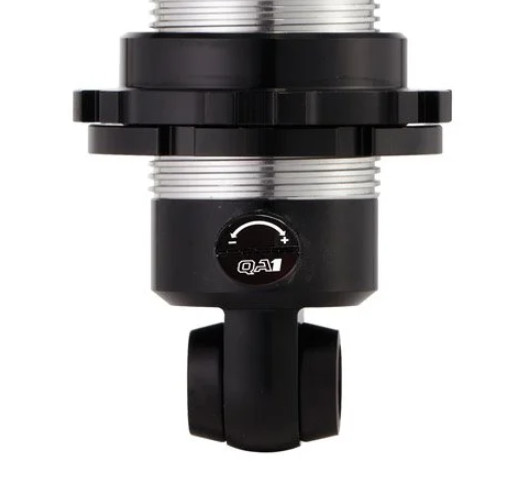
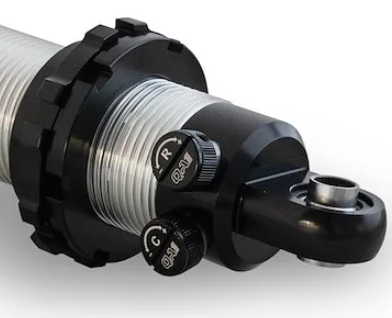
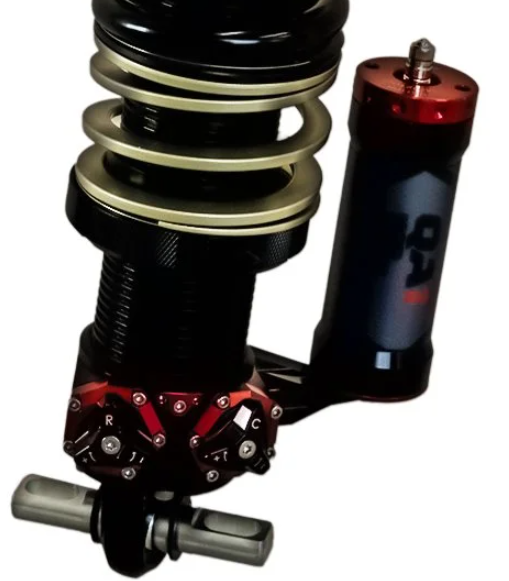
Different drivers have different tuning needs. QA1 coilovers are available in several levels of adjustability:
Sign up now to join the JEGS email newsletter and be the first to learn about new products, special deals and e-mail only offers!
Spring rate directly affects how your suspension feels and performs.
QA1 provides coilover kits with multiple spring rate options. Use your car’s weight, intended use, and desired ride quality to make the right selection. QA1 also offers a spring rate calculator to simplify the decision process.
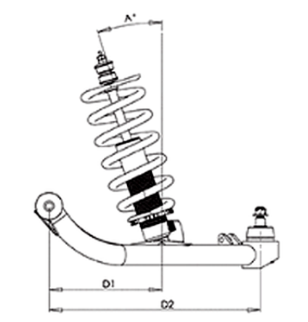
Use the following steps to determine the proper spring rate for your suspension setup.
Force Ratio (Fr) = D1 ÷ D2
Sf = W ÷ Fr
If the spring is mounted at an angle, adjust the spring force:
Adjusted Spring Force (ASf) = Sf ÷ ACF
⚠️ Note: This gives you spring force, not spring rate.
Use the adjusted spring force to calculate the spring rate, factoring in spring compression under load.
Firmer Ride (25%):
ASf ÷ (spring free length × 0.25) = Spring Rate
Softer Ride (30%):
ASf ÷ (spring free length × 0.30) = Spring Rate
A lighter spring with more preload or a stiffer spring with less preload can produce the same spring force. Softer springs provide a smoother ride, while stiffer springs offer a firmer feel.
For solid axle setups, the force ratio (Fr) is always 1, so:
Sf = W
ASf = W ÷ ACF (if angled)
Use the same spring rate formulas above to complete your setup.
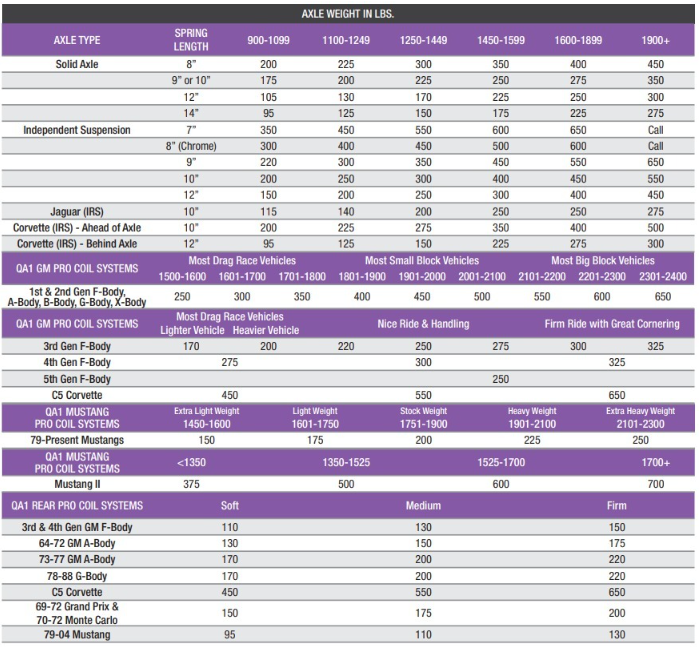
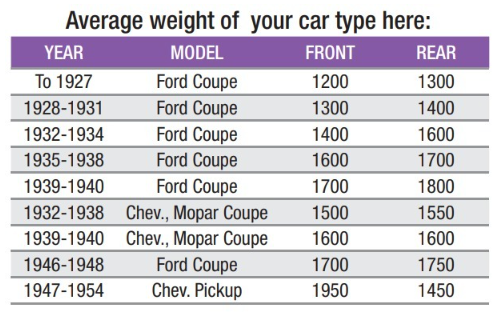
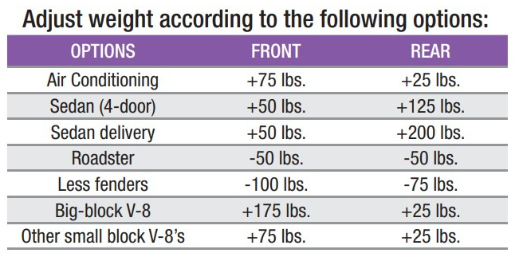
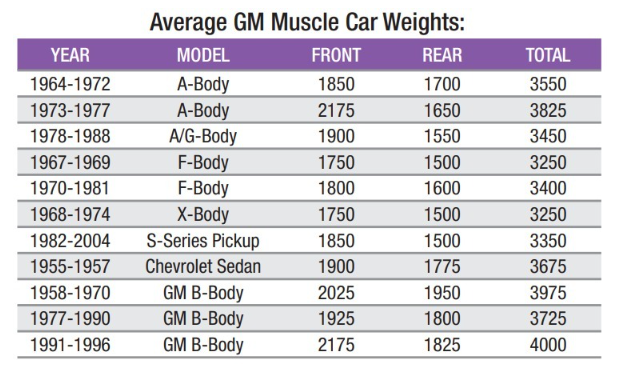
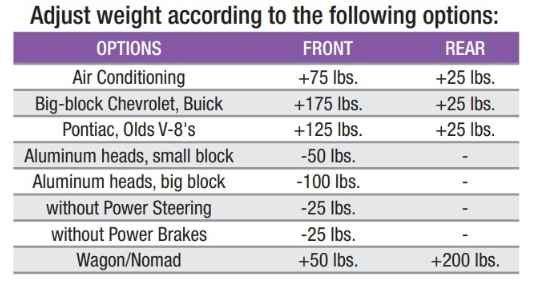
QA1 coilover kits are designed for easy installation and long-term performance. Here’s what you can expect:
Most kits are a true bolt-on upgrade with no welding or fabrication required.
Lowering springs can give your car a lowered stance, but they lack adjustability and often result in a harsher ride or compromised performance. Coilovers, on the other hand, provide much more control over ride quality, height, and handling.
If you want a setup that grows with your build, coilovers are the better choice.
| Feature | Coilover Shocks | Tubular Suspension | Full Vehicle Kits |
|---|---|---|---|
| Ride height adjustability | ✓ | ✓ | |
| Bolt-on installation | ✓ | ✓ | ✓ |
| Tuned ride quality and handling | ✓ | ✓ | ✓ |
| Made in the USA | ✓ | ✓ | ✓ |
| Rebuildable components | ✓ | ✓ | ✓ |
| Lightweight tubular construction | ✓ | ✓ | |
| Powder coated for durability | ✓ | ✓ | |
| All-in-one solution for full vehicle | ✓ |
QA1 coilover systems are built for performance, comfort, and reliability. Whether you are building a street cruiser, a pro-touring machine, or a race-ready monster, QA1 has a solution to fit your needs.
Browse QA1 front and rear coilover kits now to get started. If you have questions about fitment or tuning options, reach out to our tech experts for personalized advice.


I would like to install coil over s on a 1934 Plymouth pe coupe with a
Mustang 2 front and a
Ford rear axel
302 motor with a c 6 auto trans
The car will be driven for the streets
I guess that’s the info I have
I have not got corner weights
Any info

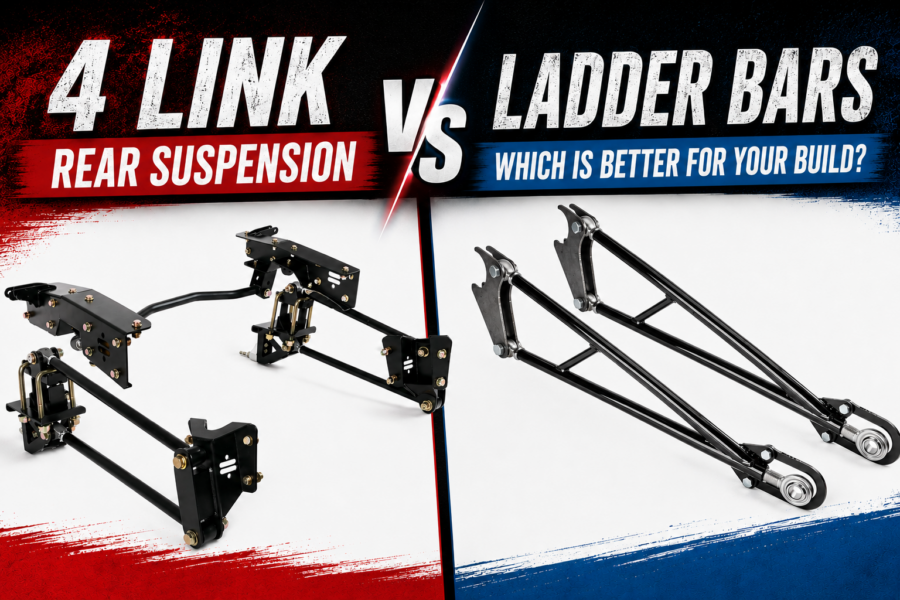
Rick, with a 1934 Plymouth coupe running a Mustang II front suspension, small block 302, C6 automatic, and a Ford rear axle, you are in a pretty common hot rod weight range for a street driven car. Even without corner weights, most builds like that typically end up somewhere around 2800 to 3200 pounds total, depending on chassis, body materials, and interior. For street use, you will want to focus on ride quality first, then fine tune from there. On a Mustang II front setup, spring rates for a small block Ford street car often land in a moderate range that supports the engine weight without making the ride harsh. Out back, the correct spring rate depends heavily on whether you are using a four link, ladder bars, or another rear suspension design, along with the motion ratio of the mounts. That mounting position makes a big difference in effective spring rate, so that detail really matters before locking in a final number. QA1 offers their Street Performance and Pro Coil systems that work well for applications like yours, with adjustable ride height and single or double adjustable valving options. For a street car, a single adjustable setup is usually more than enough and keeps things simple while still giving you control over firmness. The most important pieces of information still missing are the exact front and rear suspension configuration, shock mounting angles, and ideally at least a front and rear axle weight split. Without those, any spring rate recommendation is still an educated estimate. If you would like to go through your build in detail and narrow down the right QA1 series and starting spring rates, give us a call at 1-800-345-4545 and speak with a Tech Specialist and we will be glad to help.




Leave a Reply