


 Order Status & Returns
 Gift Cards
 Help Center
 1-800-345-4545
Engine Gaskets
Engine gaskets seal the critical joints in your engine, keeping combustion pressure, coolant, and oil where they belong. This category covers head gaskets, valve cover gaskets, intake manifold gaskets, oil pan gaskets, timing cover seals, and full overhaul gasket sets in materials like multi-layer steel (MLS), composite, copper, and graphite. Shop by gasket type, material, and fitment to match your build, whether you're chasing a coolant leak or refreshing a whole short block.
Show More
What Types Of Engine Gaskets Are Available?
You'll find gaskets and seals for every sealing point on the engine, from the top end down to the bottom of the block. This category spans single components and complete kits, so you can fix one leak or reseal an entire engine. Here are the main types you can shop:
- Head gaskets, including multi-layer steel (MLS) designs for high-boost and high-compression builds
- Intake manifold gaskets and exhaust manifold gaskets
- Valve cover gaskets plus timing cover gaskets and seals
- Oil pan gaskets and rear main seals
- Fuel pump gaskets, carburetor base gaskets, and O-ring kits
- Full and overhaul gasket sets that bundle the parts for a complete reseal
Each type targets a specific joint, so the right choice depends on where you're seeing a leak or how far you're tearing the engine down. If you're not sure where a part lives, start in the broader engine fasteners and gaskets category and drill down by system.
What Are Engine Gaskets Made Of?
Engine gaskets are made from several materials, and the right one depends on the joint you're sealing and how much heat and pressure it sees. Multi-layer steel (MLS) gaskets use stacked steel layers for strength and repeatable clamping, which makes them a common choice for head gaskets on modern, high-output, and forced-induction engines. Composite gaskets combine fiber and facing materials for a versatile, budget-friendly seal on intake manifolds, valve covers, and lower-stress joints. Copper gaskets handle extreme heat and cylinder pressure in serious race and high-compression applications, though they often need a specific surface finish and sealing setup. Graphite gaskets resist high temperatures and conform well to slightly imperfect surfaces, so they show up in exhaust and manifold sealing. Rubber and silicone work well for valve covers, oil pans, and timing covers where flexibility matters. For exhaust sealing specifics, our exhaust gasket sizing and installation guide walks through fitment and installation.
What Are The Signs You Need To Replace An Engine Gasket?
The clearest signs of a failing gasket are external leaks or fluids mixing where they shouldn't. A blown head gasket is the most serious case, and it often shows up as white exhaust smoke, persistent overheating, unexplained coolant loss, milky or contaminated oil, and a loss of compression. Any one of these deserves attention, and several together point strongly toward head gasket failure. Other gaskets fail in less dramatic ways: a leaking valve cover gasket leaves oil on top of the engine, a worn oil pan gasket drips onto the driveway, and a failing intake manifold gasket can cause rough running or a coolant leak depending on the engine. Timing cover seals and rear main seals usually announce themselves with oil seepage at the front or rear of the block. Catching these early keeps a small reseal from turning into major engine work, and it's a good time to inspect related engine parts and components while you're in there.
Overhaul Gasket Kits Vs. Individual Gaskets
Buy a full or overhaul gasket set when you're opening up the engine anyway, and buy an individual gasket when you're chasing a single, known leak. A full or overhaul gasket set bundles the head gaskets, intake and exhaust gaskets, valve cover gaskets, oil pan gasket, timing cover seals, and the small seals and O-rings you'd otherwise track down one at a time. These sets typically run about $50 to $200 depending on the engine and material, while individual gaskets start from just a few dollars and go up from there. For a top-end refresh, a head gasket set or valve cover gaskets on their own may be all you need. For a full teardown or rebuild, a complete engine gasket set saves time and prevents the mid-job parts run for a forgotten seal. If your project also calls for new hardware, browse engine fasteners so it's ready when the gaskets are.
How Do You Choose The Right Engine Gasket?
Start by matching the gasket to your exact make, model, year, and engine, since fitment determines whether the part seals at all. Next, pick a material suited to the job: MLS or copper for high-compression and boosted head gasket applications, composite for general intake and accessory sealing, and rubber or silicone for valve covers and pans. Then shop by brand to match your build and budget. Cometic Gaskets is known for MLS head gaskets and custom sets for performance and racing engines. Fel-Pro offers broad coverage for street and repair work across common engine families. Mr. Gasket rounds out the lineup with performance gaskets and sealing accessories. Confirm the bore size and thickness on head gaskets, since those affect compression and quench. Once you've matched fitment, material, and brand, add the parts to your cart and get your engine sealed up right. Shop Engine Gaskets Now.

ADD A VEHICLE TO GUARANTEE PARTS FIT
See products that fit

ADD A VEHICLE TO GUARANTEE PARTS FIT
See products that fit
![645560 Plastic AN Cap & Plug Set [-3 AN/-4 AN/-6 AN/-8 AN/-10 AN/-12 AN Caps, One of Each AN Size]](https://www.jegs.com/images/mini_100/700/799/799-645560.jpg)
RUSSELL
645560 Plastic AN Cap & Plug Set [-3 AN/-4 AN/-6 AN/-8 AN/-10 AN/-12 AN Caps, One of Each AN Size]
Part Number: 799-645560
 Ships Tomorrow
 Lowest price guarantee
![645560 Plastic AN Cap & Plug Set [-3 AN/-4 AN/-6 AN/-8 AN/-10 AN/-12 AN Caps, One of Each AN Size]](https://www.jegs.com/images/mini_200/700/799/799-645560.jpg)
RUSSELL
645560 Plastic AN Cap & Plug Set [-3 AN/-4 AN/-6 AN/-8 AN/-10 AN/-12 AN Caps, One of Each AN Size]
Part Number: 799-645560
Ships TomorrowLowest Price Guarantee
![4792317AB Crankshaft Seal for 2004-2011 Jeep Models [3.5L, 3.8L, 4.0L Engines]](https://www.jegs.com/images/mini_100/0/077/077-4792317ab.jpg)
CROWN AUTOMOTIVE
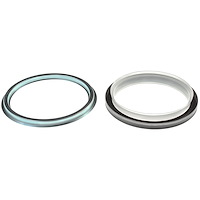
4792317AB Crankshaft Seal for 2004-2011 Jeep Models [3.5L, 3.8L, 4.0L Engines]
Part Number: 077-4792317AB
Ships on Oct 13, 2026Lowest price guarantee![4792317AB Crankshaft Seal for 2004-2011 Jeep Models [3.5L, 3.8L, 4.0L Engines]](https://www.jegs.com/images/mini_200/0/077/077-4792317ab.jpg)
CROWN AUTOMOTIVE
4792317AB Crankshaft Seal for 2004-2011 Jeep Models [3.5L, 3.8L, 4.0L Engines]
Part Number: 077-4792317AB
Ships on Oct 13, 2026Lowest Price Guarantee
CLEVITE MAHLE
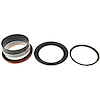
Timing Cover Seal Dodge-Trk 359 5.9L 6 Cyl. Turbo Diesel 89-93 Except Intercooled
Part Number: 695-48383
Ships on Oct 13, 2026Lowest price guarantee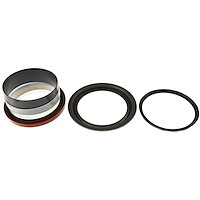
CLEVITE MAHLE
Timing Cover Seal Dodge-Trk 359 5.9L 6 Cyl. Turbo Diesel 89-93 Except Intercooled
Part Number: 695-48383
Ships on Oct 13, 2026Lowest Price Guarantee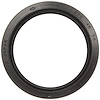
CLEVITE MAHLE
Timing Cover Seal for Nissan 240SX Axxess Van Stanza Pickup w/2389cc KA24E Eng. 89-90 TIMING COVE
Part Number: 695-67122
Ships on 01/28/2027Lowest price guarantee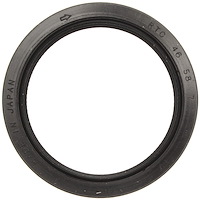
CLEVITE MAHLE
Timing Cover Seal for Nissan 240SX Axxess Van Stanza Pickup w/2389cc KA24E Eng. 89-90 TIMING COVE
Part Number: 695-67122
Ships on 01/28/2027Lowest Price Guarantee
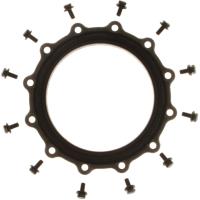










FORD PERFORMANCE
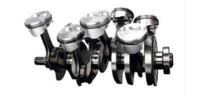
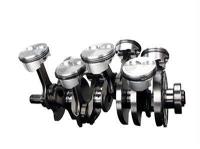
Coyote Engine Oil Pump Installation Kit 5.0L Coyote Engines Kit Includes:
Part Number: 397-M6600A50PKIT
Ships TomorrowLowest price guarantee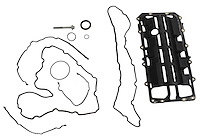
FORD PERFORMANCE
Coyote Engine Oil Pump Installation Kit 5.0L Coyote Engines Kit Includes:
Part Number: 397-M6600A50PKIT
Ships TomorrowLowest Price Guarantee
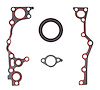
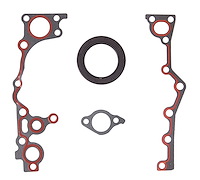
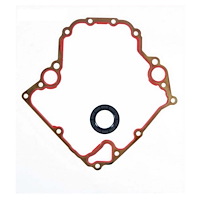

ENGINETECH
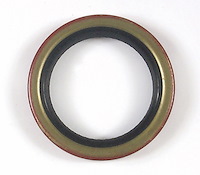
S0289 Rear Main Seal for 1962-1983 Ford, Lincoln, Mercury 2.0L, 2.3L, 3.8L, 4.2L
Part Number: 416-S0289
Ships on 10/13/2026Lowest price guarantee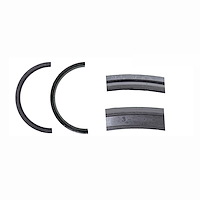
ENGINETECH
S0289 Rear Main Seal for 1962-1983 Ford, Lincoln, Mercury 2.0L, 2.3L, 3.8L, 4.2L
Part Number: 416-S0289
Ships on 10/13/2026Lowest Price Guarantee
ENGINETECH
TCCR167-A Timing Cover Gasket Set for 1998-2010 Chrysler, Dodge 2.7L
Part Number: 416-TCCR167-A
Ships on 10/13/2026Lowest price guarantee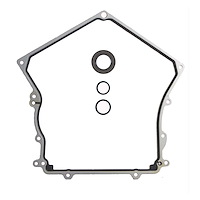
ENGINETECH
TCCR167-A Timing Cover Gasket Set for 1998-2010 Chrysler, Dodge 2.7L
Part Number: 416-TCCR167-A
Ships on 10/13/2026Lowest Price Guarantee
ENGINETECH
TCF281-A Timing Cover Gasket Set for 1996-2014 Ford, Lincoln, Mercury 4.6L
Part Number: 416-TCF281-A
Ships on 10/13/2026Lowest price guarantee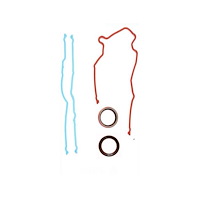
ENGINETECH
TCF281-A Timing Cover Gasket Set for 1996-2014 Ford, Lincoln, Mercury 4.6L
Part Number: 416-TCF281-A
Ships on 10/13/2026Lowest Price Guarantee
Frequently Asked Questions About Engine Gaskets
How much does an engine gasket set cost?
A full or overhaul gasket set generally costs about $50 to $200, depending on the engine, the material, and how complete the kit is. Individual gaskets are far cheaper, often just a few dollars for a single valve cover or manifold gasket. MLS head gaskets and custom race sets sit toward the higher end. Price rises with engine complexity and premium materials.
Can you drive with a blown head gasket?
It's not recommended. Driving with a blown head gasket risks severe overheating, coolant and oil mixing, and warping or cracking the cylinder head or block, which turns an affordable repair into a major one. Watch for white exhaust smoke, overheating, coolant loss, and milky oil. If you spot these signs, stop driving and address the gasket before more damage occurs.
Do engine gasket kits include head bolts?
Most overhaul and head gasket sets include gaskets and seals but not head bolts, so check the kit contents before you order. Head bolts are often torque-to-yield and single-use, meaning they should be replaced during a head gasket job. If yours aren't included, add them separately from our engine bolt kits. Reusing stretched bolts can compromise clamping and lead to another failure.
Do you need gasket sealant with a new engine gasket?
It depends on the gasket. Many modern multi-layer steel (MLS) head gaskets come pre-coated and are designed to seal without extra sealant, and adding sealant to a coated MLS gasket can actually interfere with the seal. Some soft gaskets, like valve cover, oil pan, and timing cover gaskets, can use a thin bead of RTV silicone at the corners or joints. Always follow the gasket manufacturer's instructions, since requirements vary by material and application.