


 Order Status & Returns
 Gift Cards
 Help Center
 1-800-345-4545

Variable Valve Timing Solenoids
Variable valve timing solenoids control the oil pressure that lets your cam phasers advance or retard camshaft timing while the engine runs. When one sticks or fails, you'll often see a check engine light, a rough idle, or a drop in power and fuel economy. JEGS carries more than 1,200 VVT solenoids, oil control valves, cam phasers, and gaskets to help you match an OE-style replacement to your engine.
Show More
What Does a Variable Valve Timing Solenoid Do?
A variable valve timing solenoid is an electronically controlled oil valve that routes engine oil pressure to the cam phaser. Your engine control module (ECM) signals the solenoid, which opens and closes oil passages to rotate the phaser. That shifts camshaft timing relative to the crankshaft, so valve timing can track rpm and load.
Moving cam timing changes when the valves open and close, which affects overlap, idle quality, and power. For the background, start with these camshaft fundamentals, then read how camshaft overlap affects idle, vacuum, and power. The same principles explain why a stuck solenoid can make a healthy engine idle rough or feel flat.
You'll also see these parts called VVT solenoids, oil control valves, cam phaser solenoids, or camshaft position actuator solenoids. The names change by manufacturer, but they all do the same job.
What Are the Symptoms of a Bad Variable Timing Solenoid?
The most common sign of a bad variable timing solenoid is a check engine light with a stored cam-timing code. You may also notice a rough idle, reduced power, a ticking noise, or worse fuel economy. These symptoms show up because the phaser can't hold the cam timing the ECM is asking for.
Solenoids usually fail in one of three ways. Dirty or sludgy oil can clog the solenoid's screen, and electrical faults can interrupt the ECM's signal. Normal wear can also cause the valve to stick.
Before you replace the solenoid, rule out the parts that report timing to the ECM. The ECM reads cam and crank position through the camshaft and crankshaft position sensors, so a faulty sensor can point you toward the wrong part. Checking the wiring, connector, and oil level first can save you a second repair.
Which Variable Valve Timing Parts Are in This Category?
This category covers the three main parts of a VVT system, with OE-style replacements for a wide range of import and domestic engines. Here's what you'll find:
- VVT solenoids and oil control valves that route oil pressure to the phaser
- Cam phasers and camshaft actuators, including sprocket-style actuators
- VVT gaskets, such as camshaft servo gaskets, that seal the solenoid or actuator
Solenoid options include Gates VVT solenoids, Melling stock-replacement timing solenoids, and Dorman Products VVT solenoids and oil control valves. Melling also offers camshaft sprocket actuators, and ACDelco offers camshaft actuator assemblies and position actuator valves.
You'll also find the Ford Performance M-6297-M50A variable cam timing solenoid and Enginetech VVT components for 2006-2017 2.0L, 2.2L, and 2.4L engines. To seal the job, add a Fel-Pro camshaft servo gasket whenever you remove the solenoid or actuator.
How Do You Find the Right Variable Valve Timing Solenoid for Your Vehicle?
Start with your year, make, model, and engine, because most parts here are OE-style replacements built for specific applications. Use the vehicle selector at the top of the page to narrow this category to parts that fit your vehicle.
Next, confirm the details in each product listing. Many engines use more than one solenoid, so check whether you need the intake or exhaust cam, or the left or right side. Compare the terminal count and overall length too. Some Gates solenoids, for example, are listed as 2-terminal units at 108 mm or 123 mm.
Read the fitment notes before you order, since one engine family can use different solenoids across model years. If you're tackling a bigger repair while the engine is apart, browse all engines and components to round out your parts list in one order.
What Related Timing and Engine Parts Should You Check?
If you're already into the timing system, inspect the parts that work alongside the solenoid. A worn chain or a weak oil pump can cause cam-timing symptoms that look like a solenoid problem. Replacing worn parts during the same job can save you from opening up the timing system twice. These related parts are worth a look during a VVT repair:
- Timing chains and gears, including camshaft gears and sprockets
- Timing kits that bundle chain, gears, and related hardware
- Oil pumps and pickups that supply the pressure your phasers need
- Timing cover gaskets that reseal the front of the engine
Planning a cam swap on a VVT engine? Compare camshafts and learn how to read camshaft specs so your cam choice works with your timing parts. When you're ready, shop all timing components now.

ADD A VEHICLE TO GUARANTEE PARTS FIT
See products that fit

ADD A VEHICLE TO GUARANTEE PARTS FIT
See products that fit
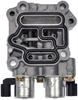
DORMAN PRODUCTS
918-007 Variable Valve Timing Solenoid; 2008-2012 Honda Accord
Part Number: 326-918-007
 Ships on Nov 02, 2026
 Lowest price guarantee
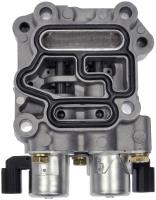
DORMAN PRODUCTS
918-007 Variable Valve Timing Solenoid; 2008-2012 Honda Accord
Part Number: 326-918-007
Ships on Nov 02, 2026Lowest Price Guarantee
DORMAN PRODUCTS
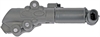
918-030 Variable Valve Timing Solenoid; 2012-2019 Hyundai, 2012-2018 Kia
Part Number: 326-918-030
Ships on Nov 02, 2026Lowest price guarantee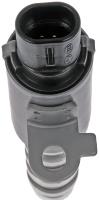
DORMAN PRODUCTS
918-030 Variable Valve Timing Solenoid; 2012-2019 Hyundai, 2012-2018 Kia
Part Number: 326-918-030
Ships on Nov 02, 2026Lowest Price Guarantee
DORMAN PRODUCTS
918-032 Variable Valve Timing Solenoid; 2017-2020 Genesis; 2012-2023 Hyundai; 2012-2021 Kia
Part Number: 326-918-032
Ships on Nov 02, 2026Lowest price guarantee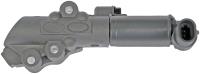
DORMAN PRODUCTS
918-032 Variable Valve Timing Solenoid; 2017-2020 Genesis; 2012-2023 Hyundai; 2012-2021 Kia
Part Number: 326-918-032
Ships on Nov 02, 2026Lowest Price Guarantee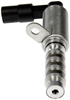
DORMAN PRODUCTS
918-033 Variable Valve Timing Solenoid; 2012-2021 Hyundai; 2012-2023 Kia
Part Number: 326-918-033
Ships on Nov 02, 2026Lowest price guarantee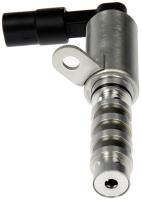
DORMAN PRODUCTS
918-033 Variable Valve Timing Solenoid; 2012-2021 Hyundai; 2012-2023 Kia
Part Number: 326-918-033
Ships on Nov 02, 2026Lowest Price Guarantee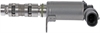
DORMAN PRODUCTS
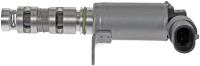
918-038 Variable Valve Timing Solenoid; 2010-2011 Hyundai, 2010-2011 Kia
Part Number: 326-918-038
Ships on Nov 02, 2026Lowest price guarantee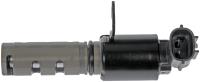
DORMAN PRODUCTS
918-038 Variable Valve Timing Solenoid; 2010-2011 Hyundai, 2010-2011 Kia
Part Number: 326-918-038
Ships on Nov 02, 2026Lowest Price Guarantee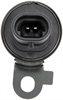
DORMAN PRODUCTS
918-039 Variable Valve Timing Solenoid; 2006-2012 Hyundai; 2006-2011 Kia
Part Number: 326-918-039
Ships on Nov 02, 2026Lowest price guarantee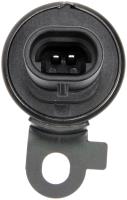
DORMAN PRODUCTS
918-039 Variable Valve Timing Solenoid; 2006-2012 Hyundai; 2006-2011 Kia
Part Number: 326-918-039
Ships on Nov 02, 2026Lowest Price Guarantee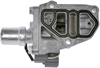
DORMAN PRODUCTS
918-063 Variable Valve Timing Solenoid; 1992-2001 Acura, 1994-2000 Honda
Part Number: 326-918-063
Ships on Nov 02, 2026Lowest price guarantee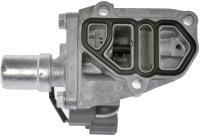
DORMAN PRODUCTS
918-063 Variable Valve Timing Solenoid; 1992-2001 Acura, 1994-2000 Honda
Part Number: 326-918-063
Ships on Nov 02, 2026Lowest Price Guarantee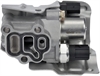
DORMAN PRODUCTS
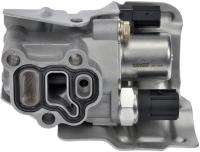
918-074 Variable Valve Timing Solenoid; 2013-2015 Acura, 2008-2016 Honda
Part Number: 326-918-074
Ships on Nov 02, 2026Lowest price guarantee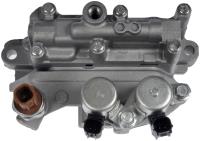
DORMAN PRODUCTS
918-074 Variable Valve Timing Solenoid; 2013-2015 Acura, 2008-2016 Honda
Part Number: 326-918-074
Ships on Nov 02, 2026Lowest Price Guarantee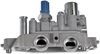
DORMAN PRODUCTS
918-075 Variable Valve Timing Solenoid; 2014-2020 Acura, 2013-2017 Honda
Part Number: 326-918-075
Ships on Nov 02, 2026Lowest price guarantee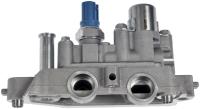
DORMAN PRODUCTS
918-075 Variable Valve Timing Solenoid; 2014-2020 Acura, 2013-2017 Honda
Part Number: 326-918-075
Ships on Nov 02, 2026Lowest Price Guarantee
DORMAN PRODUCTS
Variable Valve Timing Solenoid 1998-2000 Volvo, 2003-2016 Volvo
Part Number: 326-918-093
Ships on Nov 02, 2026Lowest price guarantee
DORMAN PRODUCTS
Variable Valve Timing Solenoid 1998-2000 Volvo, 2003-2016 Volvo
Part Number: 326-918-093
Ships on Nov 02, 2026Lowest Price Guarantee


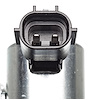
GATES
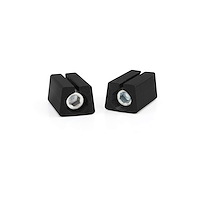
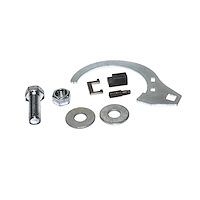
Variable Valve Timing Solenoid for 1999-2010 Lexus and Toyota Models [Left, 2-Terminal, 108 mm Length]
Part Number: 465-VVS106
Ships on Nov 02, 2026Lowest price guarantee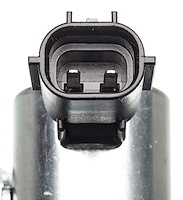
GATES
Variable Valve Timing Solenoid for 1999-2010 Lexus and Toyota Models [Left, 2-Terminal, 108 mm Length]
Part Number: 465-VVS106
Ships on Nov 02, 2026Lowest Price Guarantee
GATES
Variable Valve Timing Solenoid for 2005-2018 Lexus and Toyota Models [2-Terminal, 123 mm Length]
Part Number: 465-VVS108
Ships on Nov 02, 2026Lowest price guarantee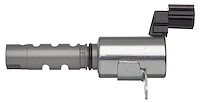
GATES
Variable Valve Timing Solenoid for 2005-2018 Lexus and Toyota Models [2-Terminal, 123 mm Length]
Part Number: 465-VVS108
Ships on Nov 02, 2026Lowest Price Guarantee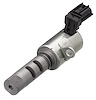
GATES
Variable Valve Timing Solenoid for 2000-2018 Scion and Toyota Models [2-Terminal, 123 mm Length]
Part Number: 465-VVS111
Ships on Nov 02, 2026Lowest price guarantee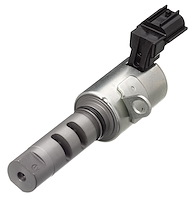
GATES
Variable Valve Timing Solenoid for 2000-2018 Scion and Toyota Models [2-Terminal, 123 mm Length]
Part Number: 465-VVS111
Ships on Nov 02, 2026Lowest Price Guarantee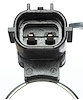
GATES
Variable Valve Timing Solenoid for 2003-2015 Toyota Models [Left, 2-Terminal, 123 mm Length]
Part Number: 465-VVS129
Ships on Nov 02, 2026Lowest price guarantee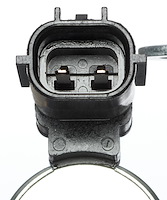
GATES
Variable Valve Timing Solenoid for 2003-2015 Toyota Models [Left, 2-Terminal, 123 mm Length]
Part Number: 465-VVS129
Ships on Nov 02, 2026Lowest Price Guarantee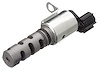
GATES
Variable Valve Timing Solenoid for 2007-2024 Lexus and Toyota Models [2-Terminal, 103 mm Length]
Part Number: 465-VVS130
Ships on Nov 02, 2026Lowest price guarantee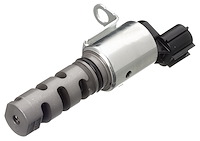
GATES
Variable Valve Timing Solenoid for 2007-2024 Lexus and Toyota Models [2-Terminal, 103 mm Length]
Part Number: 465-VVS130
Ships on Nov 02, 2026Lowest Price Guarantee
GATES
Variable Valve Timing Solenoid for 2012-2019 Genesis, Hyundai and Kia Models [Right Intake, 2-Terminal, 131 mm Length]
Part Number: 465-VVS136
Ships on Nov 02, 2026Lowest price guarantee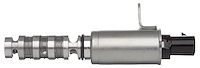
GATES
Variable Valve Timing Solenoid for 2012-2019 Genesis, Hyundai and Kia Models [Right Intake, 2-Terminal, 131 mm Length]
Part Number: 465-VVS136
Ships on Nov 02, 2026Lowest Price Guarantee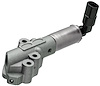
GATES
Variable Valve Timing Solenoid for 2012-2023 Genesis, Hyundai and Kia Models [Right Exhaust, 2-Terminal, 124 mm Length]
Part Number: 465-VVS137
Ships on Nov 02, 2026Lowest price guarantee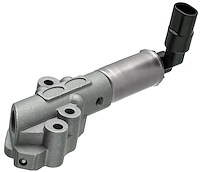
GATES
Variable Valve Timing Solenoid for 2012-2023 Genesis, Hyundai and Kia Models [Right Exhaust, 2-Terminal, 124 mm Length]
Part Number: 465-VVS137
Ships on Nov 02, 2026Lowest Price GuaranteeFrequently Asked Questions About Variable Valve Timing Solenoids
Can You Drive With a Bad VVT Solenoid?
You may be able to drive short distances, but you shouldn't put the repair off. A failing solenoid can cause a rough idle, reduced power, and worse fuel economy. Have the check engine light diagnosed soon so a small repair doesn't turn into a bigger one.
Can I Replace a VVT Solenoid Myself?
On many engines, yes, if you're comfortable with basic hand tools. Access depends on your engine, since some solenoids are easy to reach and others sit behind other components. Follow your vehicle's service information, replace the gasket or seal, and clear any stored codes after the install.
What Trouble Codes Point to a VVT Solenoid Problem?
Codes such as P0010, P0011, P0013, and P0018 are commonly tied to cam-timing or VVT circuit faults. Treat the code as a starting point for diagnosis. Check the wiring, oil condition, and position sensors before you replace the solenoid.
Should You Change Your Oil When You Replace a VVT Solenoid?
Yes, it's a smart move. Dirty or sludgy oil can clog the solenoid's screen, which is a known cause of solenoid failure. Fresh oil at the correct level helps your new solenoid and cam phasers work as designed.