


 Order Status & Returns
 Gift Cards
 Help Center
 1-800-345-4545

Side Pipes & Lake Pipes
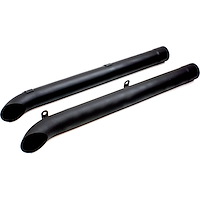
Side pipes route exhaust out the side of your car or truck instead of the rear, giving your build a bold look and an aggressive sound. This category covers side pipe exhaust tubes, sidemount systems for 1963-1982 Corvettes, side tube mufflers and lake pipe caps. Use the sections below to compare styles, materials and fitment before you shop side pipes for sale.
Show More
Side Pipes vs. Lake Pipes: What's the Difference
Side pipes are working exhaust that carries your engine's exhaust out along the rocker panels. Lake pipes are usually capped pipes that stay closed for street driving. Many lake pipes today are decorative or act as a secondary outlet behind a removable cap.
That difference changes what you buy. A true side exhaust needs tubes, mufflers and the right header connection.
A lake pipe setup often pairs with a conventional rear system built from exhaust piping. Dual rear systems may also use H-pipe and X-pipe exhaust kits, while the caps handle the look.
If you're restoring a classic, this guide to exhaust pipe types for vintage cars shows how period styles compare. Pick the style that matches how you drive: full-time side exhaust for sound, or capped lake pipes for a quieter street setup.
Corvette Side Pipes and Sidemount Headers
Corvette side pipes for 1963-1982 Chevy Corvettes start with exhaust headers that turn the exhaust out through the body sides. Doug's Headers offers Sidemount Headers for these Corvettes in part numbers D380 and D381. They cover small-block engines and 1965-1974 big-block engines.
Doug's sidemount headers come in several finishes, including chrome and 304 stainless. That range lets you match the headers to your side tubes or to a factory-style restoration.
Hooker Headers makes Side Pipe Tubes for 1963-1982 Chevy Corvettes under part numbers 50735-1 and 50735-3. Hooker also offers Side Pipe Tubes that fit its 520-2234/2233 and 520-2224/2222 headers, so you can build a matched set from one brand.
Before you order, match your engine family and model year to the right part number. Check both on each listing before you add it to your cart.
Side Pipe Tubes, Mufflers and Lake Pipe Caps
Side pipe tubes, side tube mufflers and lake pipe caps are the core parts in this category, and each one handles a different job. Here's what you can choose from:
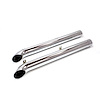
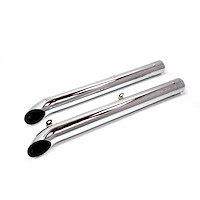
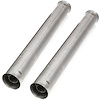
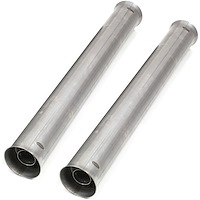
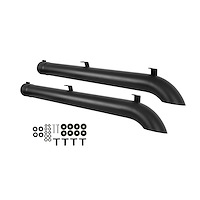
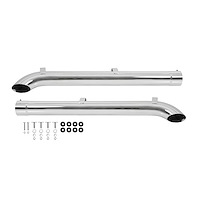
- Doug's Headers Side Tubes, including D930 ceramic-coated, plus black-painted, chrome-plated and 304 stainless versions
- Doug's Headers Side Tube Mufflers in Glass Pack (D950) and Maximum Flow (D952) styles
- Hooker Headers Side Pipe Tubes for 1963-1982 Chevy Corvettes (50735-1, 50735-3)
- JEGS Shielded Side Pipes in a 60-inch length (555-30582)
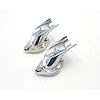
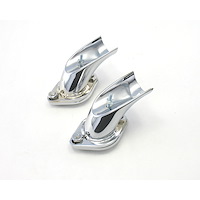
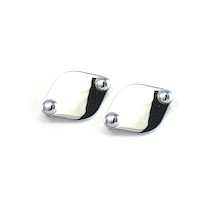
- Patriot Exhaust Lake Pipe Caps Only, 2/pkg (H1286)
- Patriot Exhaust Lake Pipe Caps & Hardware, 2/pkg (H1285)
Pick the mufflers by the sound you want. Choose the caps with hardware if you're starting from scratch, or the caps-only pack if your mounts are already in place.
Mixing brands? Use this guide to measuring exhaust inlet and outlet diameter so every connection lines up.
Choosing Side Pipe Materials and Finishes
Choose your side pipe finish based on how you drive, how much upkeep you want and the look you're after. Doug's Headers offers side tubes and sidemount headers in several finishes, so you can match the pipes to the headers.
Here's how the options compare. 304 stainless suits cars that see regular street miles and weather. Chrome-plated tubes give you a bright, classic look for show cars and restorations.
Ceramic-coated parts help manage surface heat along the rockers without the shine of chrome. Painted and black-painted finishes keep the look understated, though you may need to touch them up over time.
Think about the whole system, too. This overview of full exhaust system types helps you see how side pipes fit into the rest of your layout. Once you've picked a finish, shop side pipes in the same finish as your headers for a consistent look.
Installing Side Exhaust: Fitment, Heat and Clearance
Installing side exhaust starts with confirming fitment, then planning for heat and ground clearance. Confirm every part number with the JEGS vehicle fitment tool before you order. Side pipe tubes and headers are matched to specific years, engines and header part numbers.
Heat is the next concern. Side pipes run along the rocker panels, right where you step in and out. Keep the pipes clear of fuel and brake lines, and warn passengers about the hot surface.
Clearance comes last. Check ground clearance, jack points and body mounts, since the pipes sit low along the body sides. Test-fit the tubes and hangers before final tightening.
If you keep a rear exhaust alongside capped lake pipes, plan room for the exhaust tailpipes too. Leave space for heat shielding where the pipes pass near the floor.

ADD A VEHICLE TO GUARANTEE PARTS FIT
See products that fit

ADD A VEHICLE TO GUARANTEE PARTS FIT
See products that fit
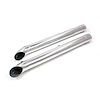
DOUG'S HEADERS
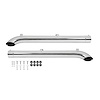
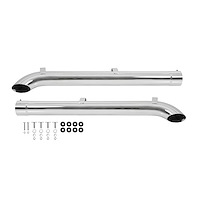
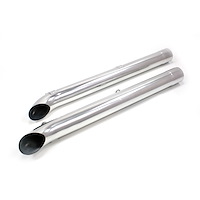
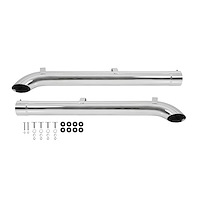
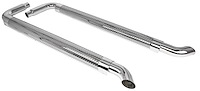
Sidemount Header Side Pipe for 1963-1982 Chevy Corvette [304 Stainless Steel]
Part Number: 776-D930-SS
 Ships on Nov 02, 2026
 Lowest price guarantee
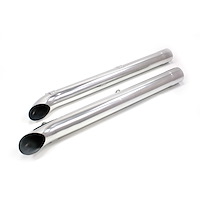
DOUG'S HEADERS
Sidemount Header Side Pipe for 1963-1982 Chevy Corvette [304 Stainless Steel]
Part Number: 776-D930-SS
Ships on Nov 02, 2026Lowest Price Guarantee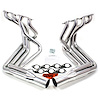
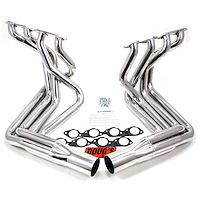
DOUG'S HEADERS
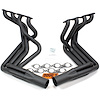
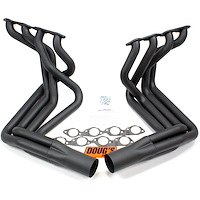
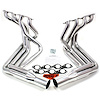
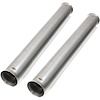
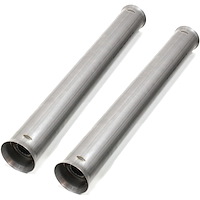
Sidemount Header for 1965-1974 Chevy Corvette Big Block Chevy [304 Stainless Steel]
Part Number: 776-D381-SS
Ships on Nov 02, 2026Lowest price guarantee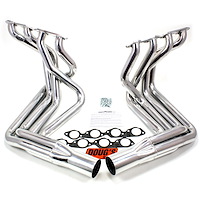
DOUG'S HEADERS
Sidemount Header for 1965-1974 Chevy Corvette Big Block Chevy [304 Stainless Steel]
Part Number: 776-D381-SS
Ships on Nov 02, 2026Lowest Price Guarantee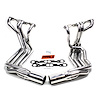



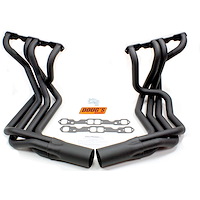
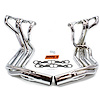
DOUG'S HEADERS
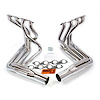
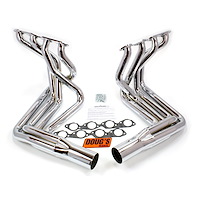
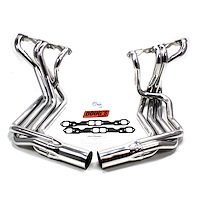
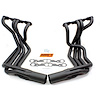
Sidemount Header for 1963-1982 Chevy Corvette Small Block Chevy [Chrome]
Part Number: 776-D380-C
Ships on Nov 02, 2026Lowest price guarantee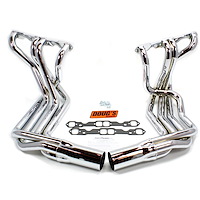
DOUG'S HEADERS
Sidemount Header for 1963-1982 Chevy Corvette Small Block Chevy [Chrome]
Part Number: 776-D380-C
Ships on Nov 02, 2026Lowest Price Guarantee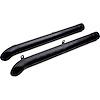
Frequently Asked Questions About Side Pipes
Do side pipes add horsepower?
Side pipes aren't a guaranteed horsepower upgrade. A shorter exhaust path can reduce restriction, but any gain depends on your headers, mufflers and tune. Treat side pipes as a sound and style upgrade first.
Are side pipes street legal?
It depends on your state and local rules for noise, exhaust outlet location and emissions equipment. Check your state's vehicle code and local regulations before you install. Side tube mufflers, such as the Doug's Headers Glass Pack or Maximum Flow styles, can help you keep the sound in check.
Do side pipes get hot enough to burn you?
Yes, side pipes sit right where you step in and out, and bare pipes can burn skin on contact. Shielded designs, like the JEGS 60-inch Shielded Side Pipes, put a cover between you and the tube. You should still keep your legs clear after a drive.
Can you put side pipes on any car or truck?
Not every vehicle is a direct fit. The Hooker Headers side pipe tubes and Doug's Headers sidemount headers in this category are built for 1963-1982 Chevy Corvettes. Other vehicles need custom routing that clears the body and frame, so check your model with the JEGS vehicle fitment tool before you buy.
Why are they called lake pipes?
The name comes from dry-lake racing, where hot rodders ran on dry lake beds and uncapped the pipes for open exhaust. On the street, the pipes stayed capped. Today, lake pipe caps like Patriot Exhaust H1285 and H1286 keep that look on street-driven cars.