


 Order Status & Returns
 Gift Cards
 Help Center
 1-800-345-4545
Headers
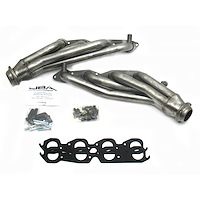
Headers replace your factory exhaust manifolds with individual tubes that help spent gases leave each cylinder with less restriction. You'll find long tube, shorty and mid-length designs for GM trucks, Camaro, Mustang, Challenger, Charger, Tacoma, big-block Chevy and Ford 289-351W builds. Use the guide below to compare header styles, materials, primary tube sizes and fitment before you shop.
Show More
Long Tube Headers vs. Shorty and Mid-Length Headers
Long tube headers typically deliver bigger power gains than shorty or mid-length headers, while the shorter designs are easier to install. Long tube primaries run back toward the transmission before merging at the collector. That extra length improves exhaust scavenging, which helps midrange and high-rpm power.
See how much horsepower long tube headers add for realistic expectations on common builds. Shorty headers, also called block huggers, bolt up close to the engine and often keep the factory exhaust connection points. They're a good fit when you want bolt-in fitment, ground clearance and fewer clashes with steering components.
Mid-length headers split the difference, giving you more tube length than a shorty without the full routing of a long tube. Hooker Headers offers Blackheart shorty headers plus Super Comp and Competition long tube and mid-length options. If you're still deciding, our long tube headers vs. shorty headers guide walks through each style by build type.
How Headers Compare to Exhaust Manifolds
Headers flow more freely than factory exhaust manifolds because each cylinder gets its own tube. Cast iron manifolds are compact, quiet and durable, but their short, shared passages make exhaust pulses interfere with each other. That restriction raises backpressure and limits how efficiently the engine clears each cylinder.
Tubular headers reduce that interference, so the engine spends less energy pushing exhaust out of each cylinder. You'll typically notice sharper throttle response and a deeper exhaust note. Factory-style exhaust manifolds still make sense for stock rebuilds, tight engine bays and daily drivers where packaging and quiet operation matter more than power.
To learn how primaries, merge points and collectors work together, read what car headers do and the types of headers. When you're ready, shop all headers and exhaust manifolds now to compare both options for your vehicle.
Stainless Steel vs. Ceramic Coated Headers
Stainless steel headers resist rust and hold up well to heat cycling, while ceramic coated headers add a protective finish that helps manage underhood temperatures. Your choice depends on climate, budget and how much heat control your engine bay needs. Here's how the common options compare:
- 409 stainless steel headers resist corrosion and suit daily-driven cars and trucks.
- Metallic ceramic coated headers add a durable finish and help keep heat inside the tubes.
- Titanium ceramic finishes give you a different look with similar heat-control benefits.
JBA offers headers in 409 stainless steel with metallic ceramic coated and titanium ceramic finishes, including its Cat4Ward line. Coatings help reduce radiant heat that reaches the starter, wiring and other parts near the headers. If you live where roads get salted, a coated stainless header gives you an extra layer of corrosion protection.
How to Choose Header Primary Tube Size and Fitment
Choose a primary tube diameter that matches your engine's displacement, rpm range and airflow, then confirm the header fits your exact vehicle. Smaller primaries keep exhaust velocity high for low-end torque and street driving. Larger primaries support more airflow on modified engines that spend time at high rpm.
JBA headers, for example, come in 1-5/8 in. and 1-3/4 in. primary sizes depending on application. Oversizing the primaries on a mild engine can soften low-end response, so match tube size to your camshaft, heads and intended use.
Check year, make, model, engine, transmission and steering setup before you order, since swaps change header routing. For a classic small-block Ford, the Hedman Street Rod block hugger fits 289-351W engines. Building a custom race car? A Dynatech weld-up drag race header kit for big-block Chevy lets you fabricate tubes around your chassis.
Header Installation, Collectors and Emissions Considerations
Plan your header install around access, sealing and emissions compliance. Long tube headers often require raising the engine, loosening steering components or removing the starter. Shorty headers usually go in with less disassembly and connect to factory exhaust points.
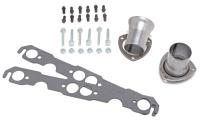
The collector is where the primaries merge into one outlet, and its size has to match your exhaust system. Our header collectors and reducers let you adapt the outlet to a smaller pipe diameter. Use fresh header collector gaskets at every connection to prevent leaks, ticking noises and inaccurate oxygen sensor readings.
Emissions rules vary by state, so check them before you order. Long tube headers often relocate or remove catalytic converters, so many are sold for off-road or racing use only. Confirm the product's emissions status and your local inspection rules, and plan for a tune if your exhaust layout changes.

ADD A VEHICLE TO GUARANTEE PARTS FIT
See products that fit

ADD A VEHICLE TO GUARANTEE PARTS FIT
See products that fit



DORMAN PRODUCTS
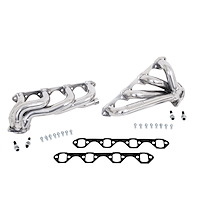
674-452 Exhaust Manifold Kit - Includes Required Gaskets and Hardware; 2000-2002 Lincoln LS
Part Number: 326-674-452
 Ships on 10/19/2026
 Lowest price guarantee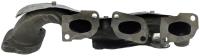
DORMAN PRODUCTS
674-452 Exhaust Manifold Kit - Includes Required Gaskets and Hardware; 2000-2002 Lincoln LS
Part Number: 326-674-452
Ships on 10/19/2026Lowest Price Guarantee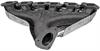
DORMAN PRODUCTS
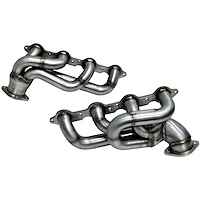
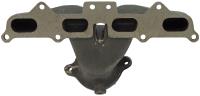
674-990 Exhaust Manifold Kit - Includes Required Gaskets and Hardware; Buick/Chevrolet/GMC/Isuzu/Saab
Part Number: 326-674-990
Ships on 10/19/2026Lowest price guarantee
DORMAN PRODUCTS
674-990 Exhaust Manifold Kit - Includes Required Gaskets and Hardware; Buick/Chevrolet/GMC/Isuzu/Saab
Part Number: 326-674-990
Ships on 10/19/2026Lowest Price Guarantee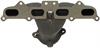
BBK PERFORMANCE PARTS
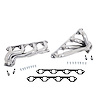
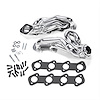
Tuned Length Shorty Headers 1996-2004 Ford Mustang GT 4.6L 2V
Part Number: 129-16150
Ships on 10/30/2026Lowest price guarantee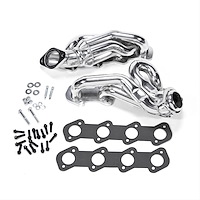
BBK PERFORMANCE PARTS
Tuned Length Shorty Headers 1996-2004 Ford Mustang GT 4.6L 2V
Part Number: 129-16150
Ships on 10/30/2026Lowest Price Guarantee![Long Tube Header for 1963-1967 Chevy II & Nova Small Block Chevy [Silver Ceramic Coated]](https://www.jegs.com/images/mini_100/700/776/776-d317.jpg)
DOUG'S HEADERS
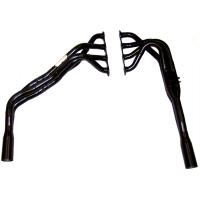
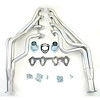
Long Tube Header for 1963-1967 Chevy II & Nova Small Block Chevy [Silver Ceramic Coated]
Part Number: 776-D317
Ships TodayLowest price guarantee![Long Tube Header for 1963-1967 Chevy II & Nova Small Block Chevy [Silver Ceramic Coated]](https://www.jegs.com/images/mini_200/700/776/776-d317.jpg)
DOUG'S HEADERS
Long Tube Header for 1963-1967 Chevy II & Nova Small Block Chevy [Silver Ceramic Coated]
Part Number: 776-D317
Ships TodayLowest Price Guarantee
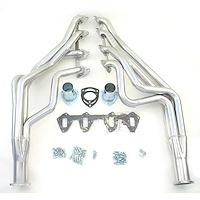

HEDMAN
Standard Duty HTC Coated Shorty Headers 2000-2002 Dodge Dakota/Durango/Ram 1500 4.7L
Part Number: 500-79576
Ships TodayLowest price guarantee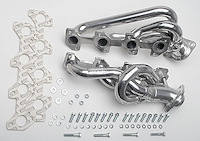
HEDMAN
Standard Duty HTC Coated Shorty Headers 2000-2002 Dodge Dakota/Durango/Ram 1500 4.7L
Part Number: 500-79576
Ships TodayLowest Price Guarantee
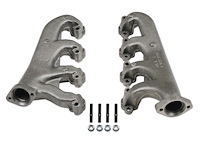
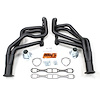
DOUG'S HEADERS
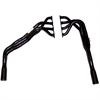
Hi-Temp Black Coated Headers 1962-1974 Dodge/Plymouth 426-440 2" Tube Diameter
Part Number: 776-D452-B
Ships TodayLowest price guarantee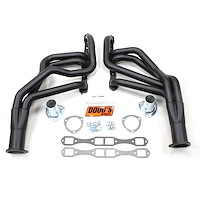
DOUG'S HEADERS
Hi-Temp Black Coated Headers 1962-1974 Dodge/Plymouth 426-440 2" Tube Diameter
Part Number: 776-D452-B
Ships TodayLowest Price Guarantee
FLOWTECH
Shorty Headers 1988-1995 Chevy GMC Pickup SUV 5.0L 5.7L 50-State Legal
Part Number: 387-91831
Ships TodayLowest price guarantee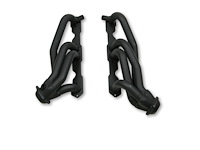
FLOWTECH
Shorty Headers 1988-1995 Chevy GMC Pickup SUV 5.0L 5.7L 50-State Legal
Part Number: 387-91831
Ships TodayLowest Price Guarantee![Shorty Exhaust Headers 1997-2003 Ford F-150/Expedition 4.6L [Titanium Ceramic Finish]](https://www.jegs.com/images/mini_100/100/129/129-3515.jpg)
BBK PERFORMANCE PARTS
Shorty Exhaust Headers 1997-2003 Ford F-150/Expedition 4.6L [Titanium Ceramic Finish]
Part Number: 129-3515
Ships TodayLowest price guarantee![Shorty Exhaust Headers 1997-2003 Ford F-150/Expedition 4.6L [Titanium Ceramic Finish]](https://www.jegs.com/images/mini_200/100/129/129-3515.jpg)
BBK PERFORMANCE PARTS
Shorty Exhaust Headers 1997-2003 Ford F-150/Expedition 4.6L [Titanium Ceramic Finish]
Part Number: 129-3515
Ships TodayLowest Price Guarantee![Shorty-Length Headers 2010-2015 Chevy Camaro SS 6.2L [Titanium Ceramic Finish]](https://www.jegs.com/images/mini_100/100/129/129-4020.jpg)
BBK PERFORMANCE PARTS
Shorty-Length Headers 2010-2015 Chevy Camaro SS 6.2L [Titanium Ceramic Finish]
Part Number: 129-4020
Ships on 10/30/2026Lowest price guarantee![Shorty-Length Headers 2010-2015 Chevy Camaro SS 6.2L [Titanium Ceramic Finish]](https://www.jegs.com/images/mini_200/100/129/129-4020.jpg)
BBK PERFORMANCE PARTS
Shorty-Length Headers 2010-2015 Chevy Camaro SS 6.2L [Titanium Ceramic Finish]
Part Number: 129-4020
Ships on 10/30/2026Lowest Price Guarantee![Long Tube Header for 1968-1974 Oldsmobile 442/Cutlass [Painted]](https://www.jegs.com/images/mini_100/300/387/387-11150.jpg)
FLOWTECH
Long Tube Header for 1968-1974 Oldsmobile 442/Cutlass [Painted]
Part Number: 387-11150
Ships TodayLowest price guarantee![Long Tube Header for 1968-1974 Oldsmobile 442/Cutlass [Painted]](https://www.jegs.com/images/mini_200/300/387/387-11150.jpg)
FLOWTECH
Long Tube Header for 1968-1974 Oldsmobile 442/Cutlass [Painted]
Part Number: 387-11150
Ships TodayLowest Price Guarantee
HEDMAN
Standard Duty HTC Coated Shorty Headers 1999-2007 GM Truck/SUV 4.8/5.3/6.0L
Part Number: 500-69696
Ships on 11/04/2026Lowest price guarantee
HEDMAN
Standard Duty HTC Coated Shorty Headers 1999-2007 GM Truck/SUV 4.8/5.3/6.0L
Part Number: 500-69696
Ships on 11/04/2026Lowest Price Guarantee
HEDMAN
Standard Duty Uncoated Shorty Headers for 1988-95 Chevy/GMC Truck/Suburban 2WD/4WD 7.4L
Part Number: 500-69571
Ships on 12/31/2026Lowest price guarantee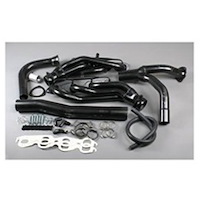
HEDMAN
Standard Duty Uncoated Shorty Headers for 1988-95 Chevy/GMC Truck/Suburban 2WD/4WD 7.4L
Part Number: 500-69571
Ships on 12/31/2026Lowest Price Guarantee
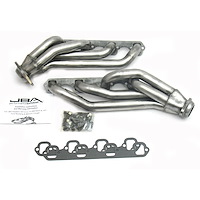

HEDMAN
Standard Duty HTC Coated Full-Length Headers 1977-79 Dodge B-Series/D-Series 400-440
Part Number: 500-79226
Ships on 12/21/2026Lowest price guarantee
HEDMAN
Standard Duty HTC Coated Full-Length Headers 1977-79 Dodge B-Series/D-Series 400-440
Part Number: 500-79226
Ships on 12/21/2026Lowest Price Guarantee

Frequently Asked Questions About Headers
Do headers add horsepower?
Yes, headers can add horsepower by reducing exhaust restriction and improving scavenging. Your actual gain depends on header style, engine combination and supporting mods like intake, cam and tuning. Pairing headers with a free-flowing exhaust helps you get the full benefit.
Do I need a tune after installing headers?
Many modern fuel-injected vehicles benefit from a tune after a header install, especially with long tube headers. Changes in exhaust flow and oxygen sensor location can affect air-fuel ratio and trigger check engine lights. A tune helps your engine take full advantage of the improved airflow.
Are long tube headers street legal?
It depends on your state and the specific header. Many long tube headers are sold for off-road or racing use because they change catalytic converter placement. Check the product listing for emissions certification and confirm your local inspection rules before you install.
Do headers make an engine louder?
Yes, headers usually make your exhaust louder and more aggressive. Thin tubes transmit more sound than cast manifolds, and freer flow changes the exhaust note. Your mufflers and the rest of your exhaust system have a larger effect on final volume.
Do I need new gaskets when installing headers?
Yes, you should use new gaskets every time you install headers. Reusing old manifold or collector gaskets can lead to leaks, ticking noises and poor sensor readings. Recheck bolt torque after the first few heat cycles to keep everything sealed.