


 Order Status & Returns
 Gift Cards
 Help Center
 1-800-345-4545
Exhaust Headers & Exhaust Manifolds
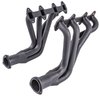
Exhaust headers replace restrictive factory manifolds with individual primary tubes that help your engine move spent exhaust gas more efficiently. In this category, you'll find long-tube and shorty headers, cast exhaust manifolds, collectors, flanges, gaskets, and the bolts that hold everything together. Use the part type, material, finish, and engine filters to narrow thousands of options down to parts that fit your build.
Show More
Exhaust Headers vs Exhaust Manifolds
Factory exhaust manifolds are usually thick cast iron with short, shared passages that merge exhaust from several cylinders right at the head. They're compact, quiet, and durable, and they bolt in without clearance changes. That's why replacement cast exhaust manifolds remain the go-to choice for stock rebuilds and restorations.
Performance exhaust headers use an individual steel primary tube for each cylinder, merging them into a collector farther downstream. That layout reduces backpressure and improves scavenging, where each exhaust pulse helps pull the next one out of the cylinder. The tradeoff is more install work, tighter clearances, and sometimes more under-hood heat.
If you're not sure which suits your project, read our breakdown of the difference between exhaust manifolds and headers. You can also browse all headers and exhaust parts to plan the rest of your system.
Types of Exhaust Headers: Long Tube, Shorty, and More
Header style comes down to primary tube length, merge design, and how much room you have around the frame and steering. Here are the main types you'll see:
- Long-tube headers run full-length primaries to a collector near the transmission, favoring midrange and top-end power on street and strip builds.
- Shorty headers merge close to the engine for easier fitment, like JBA shorty headers for 1996-2003 Dakota and Ram 3.9L trucks.
- Mid-length headers split the difference, giving you more tube length than shorties without the full clearance demands of long-tube designs.
- Tri-Y headers pair primaries in a 4-2-1 layout, built to favor low-end and midrange torque.
- Zoomie and truck pull headers exit straight out or down for race cars and pulling trucks running open exhaust.
Still deciding? Our long-tube vs shorty headers guide walks through the fitment and power tradeoffs.
Header Materials and Coatings
Material and finish affect how long your headers last and how much heat stays inside the tubes. Most headers start as mild steel or stainless steel. From there, they get a coating or finish suited to how you'll use the vehicle.
Mild steel headers are easy to weld and modify, but bare or painted versions can rust over time. Stainless steel headers resist corrosion and discoloration better. That makes them a strong fit for daily drivers and trucks that see road salt.
Ceramic-coated headers add a thermal barrier that helps lower under-hood temperatures and protect the finish. BBK Performance Parts, for example, offers silver ceramic-coated shorty headers for the Camaro SS with the 6.2L LT1. If you're comparing options, use the material and finish filters to see raw, painted, and ceramic-coated headers side by side.
Header Collectors, Reducers, and Flanges
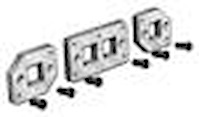
The collector is where your primary tubes merge, and its size sets up the rest of the exhaust system. Matching collector diameter to your pipe size keeps the transition smooth and helps prevent leaks. Shop header collectors and reducers and header flanges and adapter plates for parts like these:
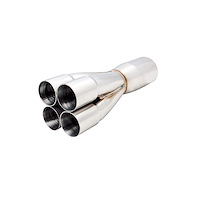
- Merge collectors, such as the Vibrant Performance 2-1 stainless steel merge collector for custom header builds.
- Ball and socket reducers, like the Hedman header reducer for 3" collectors.
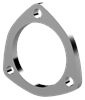
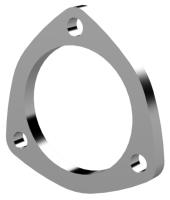
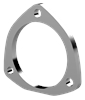
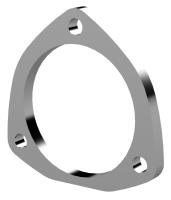
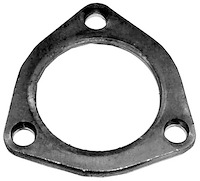
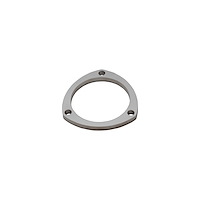
- Collector flanges in 3" and 3.5" sizes from Pypes for connecting headers to your exhaust.
- Header flange kits, including Patriot Exhaust kits for small-block Chevy 265-400 engines.
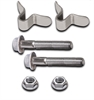
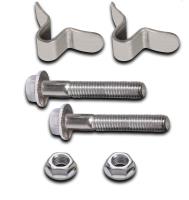
- U-tab kits from Dynatech for securing drag-style collectors.
Before you order, learn how to measure exhaust inlet and outlet diameter so your collector, reducer, flange, and pipes all line up.
Gaskets, Bolts, and Exhaust Hardware for Header Installs
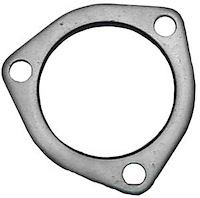
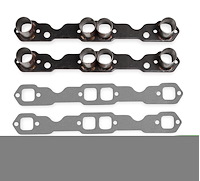
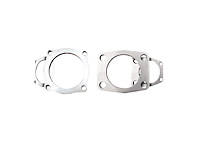
A header install is only as good as the seal at the cylinder head and collector. Header and collector gaskets come in several materials and port shapes.
If you've removed old headers, scrape the head surface clean before installing new gaskets. Match the gasket to your head's exhaust port and check that your flanges are flat for a leak-free seal.
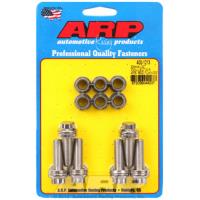
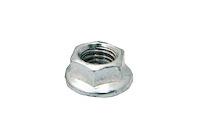
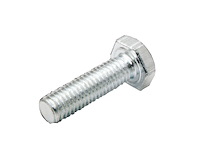
Fasteners matter just as much. Header and collector bolts include options like the ARP header collector bolt kit for Chevy and header studs for Ford engines. Studs make it easier to line up heavy headers and help reduce thread wear in aluminum heads.
Round out the job with exhaust hardware like manifold stud kits for 1962-1978 GM applications. Having every piece on hand before you start means less time with your car on jack stands.



ADD A VEHICLE TO GUARANTEE PARTS FIT
See products that fit









STAINLESS WORKS
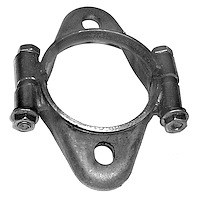
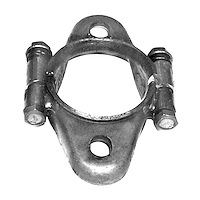
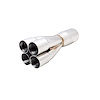
MCLC4238-450 Exhaust Header Collector, Universal, Four Way Merge Collector 2-3/8" x 4-1/2"
Part Number: 842-MCLC4238-450
 Ships Today
 Lowest price guarantee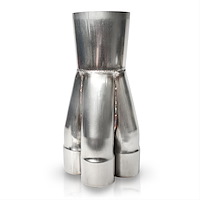
STAINLESS WORKS
MCLC4238-450 Exhaust Header Collector, Universal, Four Way Merge Collector 2-3/8" x 4-1/2"
Part Number: 842-MCLC4238-450
Ships TodayLowest Price Guarantee
STAINLESS WORKS
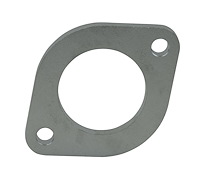
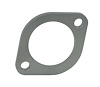
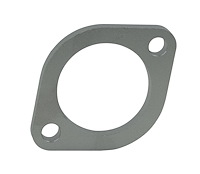
HFFORD5.0188 Exhaust Flange, 5.0L Coyote & 5.2L Ford Engine, Header Flange Ford 1-7/8" Round Port
Part Number: 842-HFFORD5.0188
Ships TodayLowest price guarantee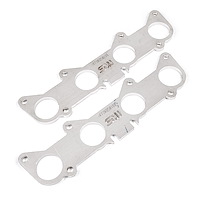
STAINLESS WORKS
HFFORD5.0188 Exhaust Flange, 5.0L Coyote & 5.2L Ford Engine, Header Flange Ford 1-7/8" Round Port
Part Number: 842-HFFORD5.0188
Ships TodayLowest Price Guarantee
STAINLESS WORKS
MCLC4225-400 Exhaust Header Collector, Universal, Four Way Merge Collector 2-1/4" x 4"
Part Number: 842-MCLC4225-400
Ships TodayLowest price guarantee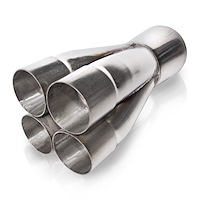
STAINLESS WORKS
MCLC4225-400 Exhaust Header Collector, Universal, Four Way Merge Collector 2-1/4" x 4"
Part Number: 842-MCLC4225-400
Ships TodayLowest Price GuaranteeFrequently Asked Questions About Exhaust Headers
Do headers add horsepower?
Headers can add power by reducing backpressure and improving scavenging. The gain depends on your engine, cam, intake, and the rest of your exhaust. For real-world examples, see how much horsepower long-tube headers add.
Do I need a tune after installing headers?
On many fuel-injected vehicles, a tune helps the computer adjust fuel and timing for the change in exhaust flow, especially with long-tube headers. Carbureted engines may need jetting changes instead. Check your oxygen sensor locations too, since some headers move them or require extensions.
Should I retorque header bolts after installation?
Yes. Gaskets compress and bolts can loosen as headers go through heat cycles, so recheck torque after a short break-in period. Follow the torque specs from your header or gasket manufacturer.
Will headers fit with my existing exhaust?
Shorty headers often connect to factory-style exhaust pipes with few changes. Long-tube headers usually need new mid-pipes or a modified system because the collector sits farther back. Measure your collector outlet and existing pipe diameter before you buy.
How do I find headers that fit my vehicle?
Use the Add a Vehicle fitment tool to filter results by your year, make, model, and engine. You can also narrow results by engine make and size, position, and whether gaskets and hardware are included.