Sign up now to join the JEGS email newsletter and be the first to learn about new products, special deals and e-mail only offers!

 2 People Found This Article Helpful
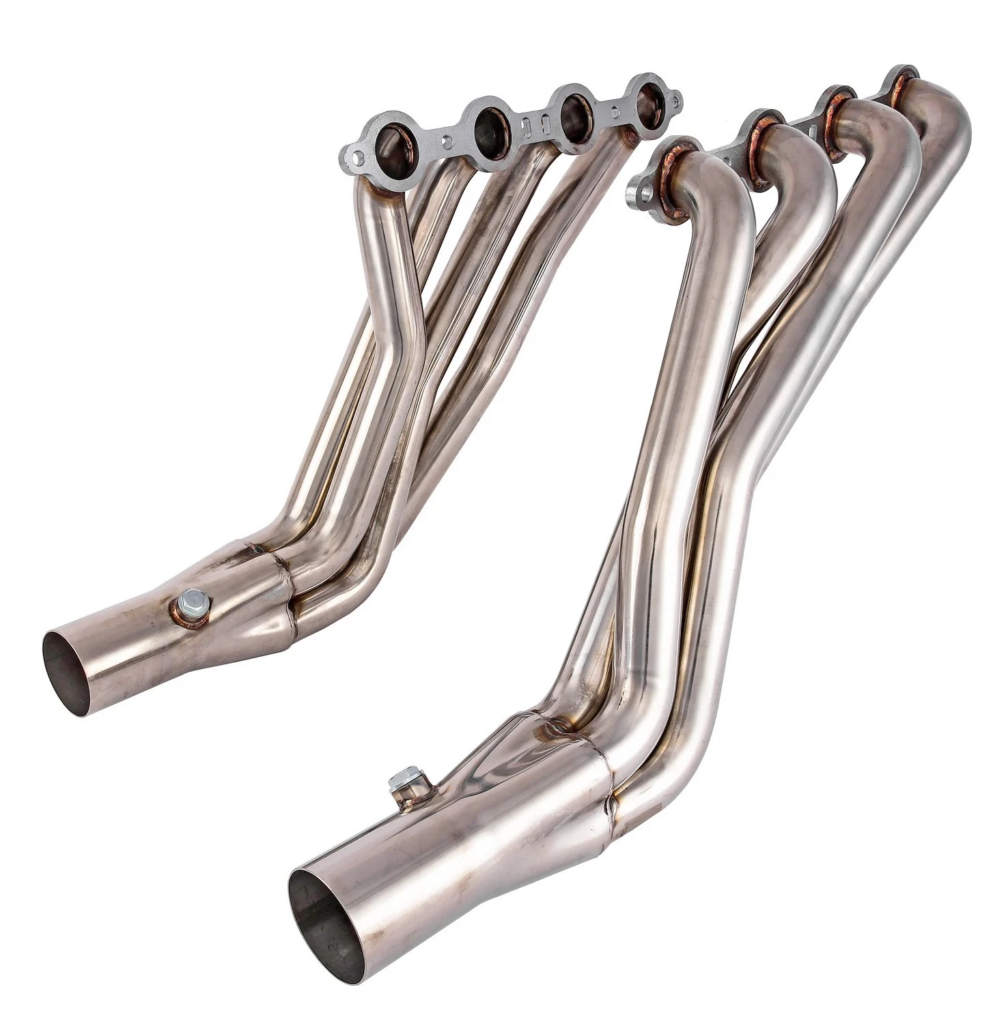

Long tube headers are one of the most popular exhaust upgrades for muscle cars, trucks, and performance builds. If you are considering a header upgrade, one of the first questions is simple: how much horsepower do long tube headers add?
The answer depends on your engine combination, supporting modifications, and tuning. However, long tube headers can provide noticeable gains in both horsepower and torque when matched correctly to your setup.
Factory exhaust manifolds are designed for cost, packaging, and noise reduction. While they are durable, they often restrict exhaust flow.
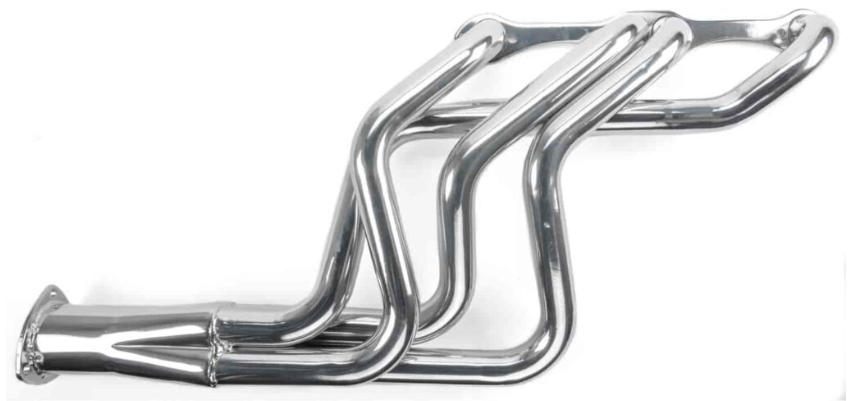
Long tube headers replace restrictive manifolds with individual primary tubes that extend farther before merging into a collector. This longer primary length improves exhaust scavenging. As exhaust gases exit one cylinder, they help pull gases from the next cylinder, improving cylinder filling.
Better scavenging allows the engine to breathe more efficiently, which increases power.
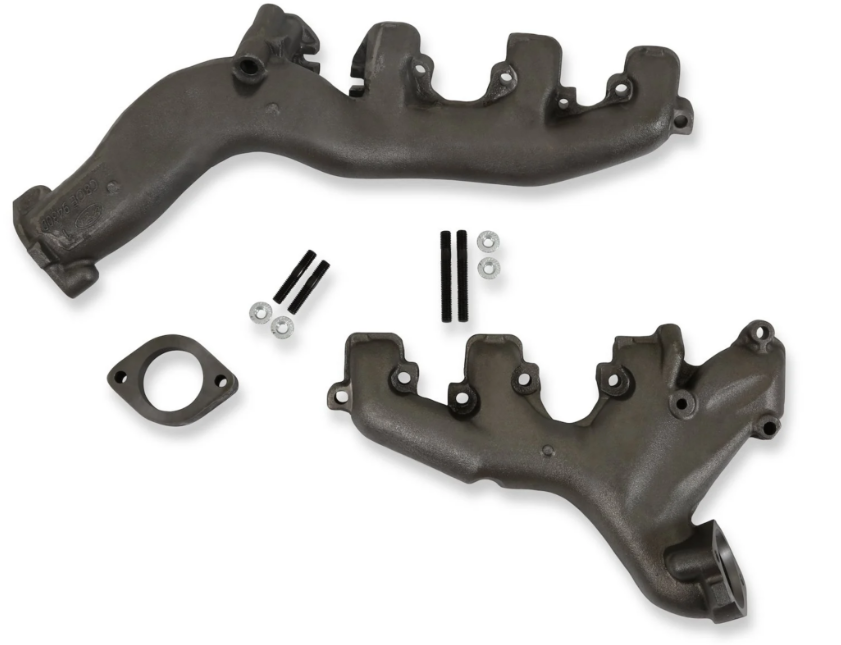
On a mostly stock V8 engine, long tube headers often add between 10 and 25 horsepower at the crank. Engines with other supporting modifications such as a cold air intake, performance camshaft, cylinder head upgrades, or tuning can see even greater gains.
The exact increase depends on factors such as engine displacement, cam profile, compression ratio, and exhaust system design.
Engines that already have restrictive factory manifolds tend to benefit the most from a long tube header upgrade.
In addition to peak horsepower, long tube headers typically improve torque throughout the mid range and upper rpm range. Many drivers notice stronger acceleration and improved throttle response.
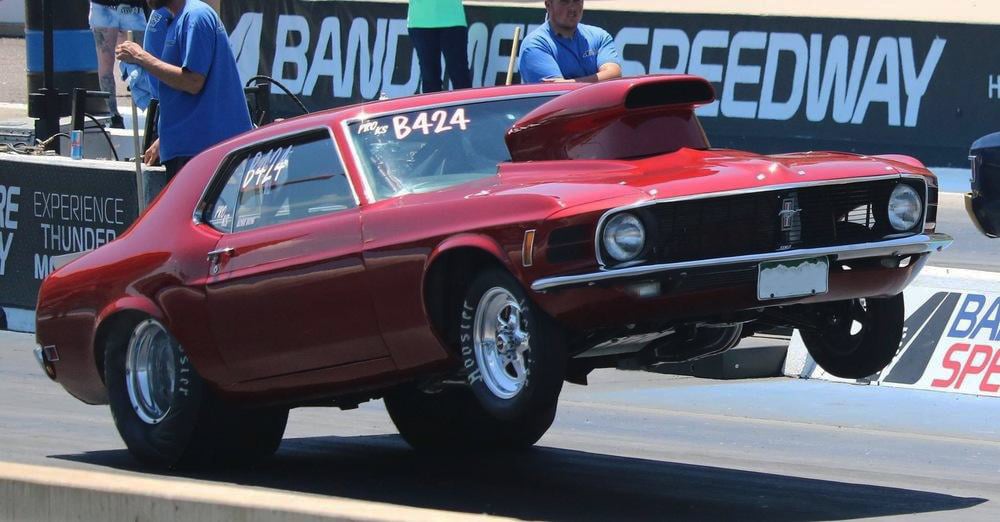
Because of the longer primary tubes, the power band may shift slightly higher compared to shorty headers. This makes long tube headers especially effective for performance street cars and track focused builds.
Sign up now to join the JEGS email newsletter and be the first to learn about new products, special deals and e-mail only offers!
Long tube headers work best as part of a complete exhaust and performance package. Upgrading to a high flow mid pipe, performance mufflers, and proper tuning helps maximize gains.
Without tuning, especially on modern fuel injected engines, the full potential of long tube headers may not be realized. Engine calibration adjustments help optimize air and fuel ratios and ignition timing for the new exhaust flow characteristics.
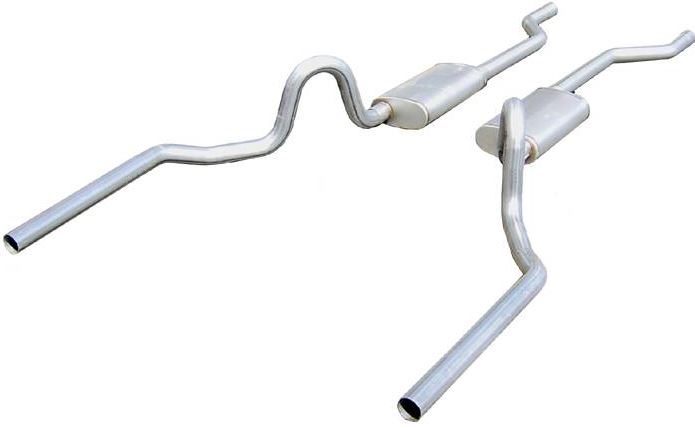
Long tube headers typically require more installation space than shorty headers. In some applications, modifications to the mid pipe or catalytic converters may be necessary.
Ground clearance, steering shaft clearance, and transmission compatibility should be verified before installation. Choosing headers designed specifically for your vehicle ensures proper fitment and performance.
If your goal is increased horsepower, improved torque, and a more aggressive exhaust tone, long tube headers are often worth the investment. They are especially effective on naturally aspirated V8 engines and performance builds that benefit from improved exhaust scavenging.
For daily driven vehicles with minimal modifications, gains will still be present but may be more modest.
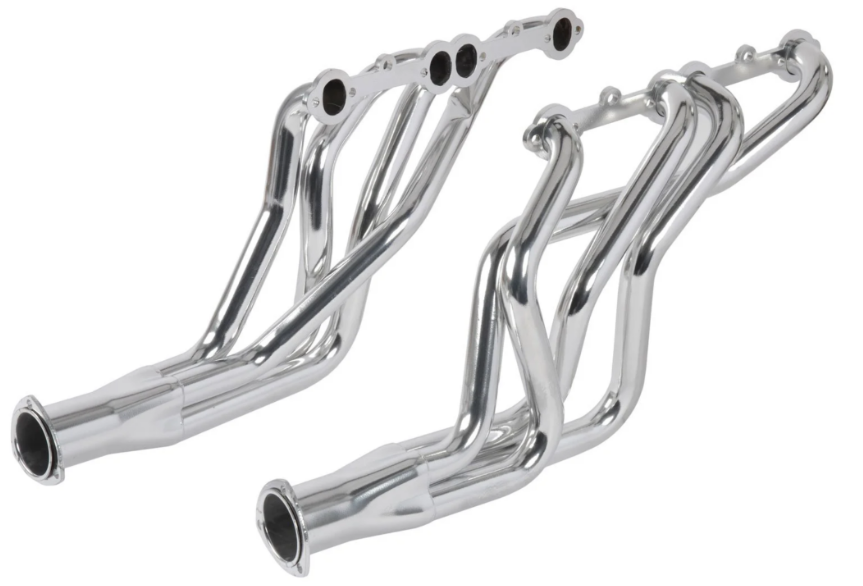
Selecting the correct primary tube diameter and collector size is important for maximizing horsepower. Larger diameter tubes are often better suited for higher horsepower engines, while smaller diameters may improve low to mid range torque.
At www.jegs.com, you will find a wide selection of long tube headers designed for popular engines and platforms. Whether you are upgrading a street machine or building a high performance application, there are options to match your goals.
If you need help determining how much horsepower long tube headers can add to your specific engine combination, the JEGS Tech Specialists are available to help you choose the right components for your build.

I have a 2009 SRT8 Challenger (6.1L, 6 speed) mostly stock with a CAI and a cat back exhaust. It has 29,000 miles on it and runs great. Looking to improve HP and torque without major rebuild. The vehicle has been lowered with coilovers, so spacing under is a concern. Any thoughts on what might be a good investment for fit and function?

Bill, with a mostly stock 6.1L HEMI that already has a cold air intake and cat-back exhaust, one of the best horsepower-per-dollar upgrades is usually a quality custom tune. The factory calibration is fairly conservative, and a tune can often improve throttle response, drivability, and overall performance without affecting ground clearance.
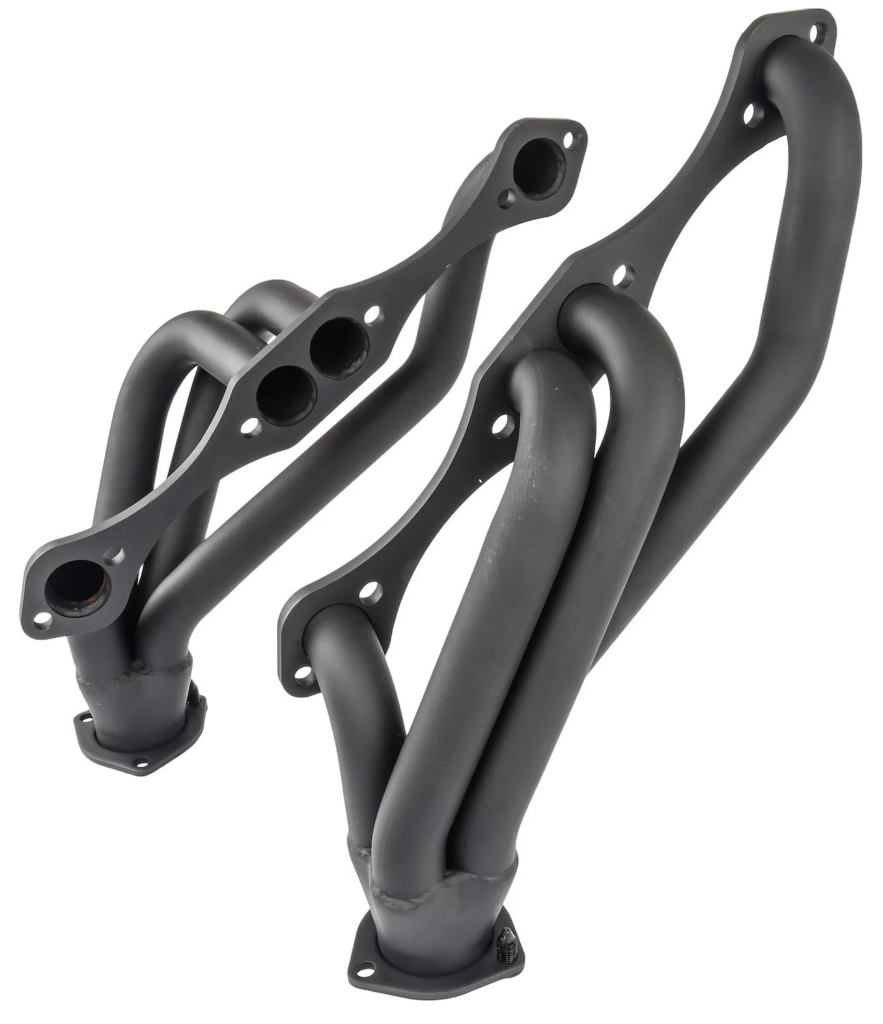
Long tube headers are another popular upgrade on the 6.1L and can provide noticeable gains in horsepower and torque, especially when paired with tuning. However, since your Challenger is lowered on coilovers, your concern about ground clearance is valid. Long tubes can hang lower than stock and may become an issue depending on how aggressively the car is lowered and the roads you drive on. In your case, shorty headers may be worth considering if maintaining clearance is a priority, though they generally won’t provide the same gains as long tubes.
If you’re looking for the next step beyond intake, exhaust, and tuning, a mild camshaft upgrade can wake up a 6.1L considerably, but that’s a much larger investment than a tune and headers.
Given your goals of improving power without major engine work and considering the lowered ride height, I would focus first on tuning and then carefully evaluate header options based on your available clearance.
If you’d like to discuss the best combination for your specific setup, give us a call at 1-800-345-4545 and a Tech Specialist can help you put together a plan that balances performance, fitment, and drivability.



Leave a Reply