


 Order Status & Returns
 Gift Cards
 Help Center
 1-800-345-4545
Crank Triggers
Crank triggers mount a trigger wheel to the front of your crankshaft so the ignition reads engine position directly, without distributor gear slack. At JEGS, you can shop complete kits, replacement wheels and pickups in one place, then narrow results by brand, material, hardware included and availability. You'll find flying magnet and Hall effect crank trigger kits, EFI-ready trigger wheels and crankshaft position reluctor rings for street and race builds.
Show More
How Do Crank Triggers Improve Ignition Timing?
Crank triggers improve ignition timing by reading crankshaft position at the harmonic balancer instead of through a distributor. A trigger wheel bolts to the front of your balancer, and a pickup senses its magnets or teeth as they pass. That pickup then signals your ignition box or ECU to fire the next cylinder.
A conventional distributor relies on a drive gear, shaft and reluctor, and each of those parts adds slack. At high rpm, that slack shows up as timing scatter, where spark timing wanders from one firing event to the next. With fewer mechanical parts between the crank and the pickup, a crank trigger ignition system holds timing steadier on high-rpm engines.
On a race engine or high-compression street build, that consistency lets you tune with more confidence. Pair the trigger with compatible ignition boxes, and browse more performance ignition parts to complete the system. For background, read our guide to performance ignition basics.
What's the Difference Between Flying Magnet and Hall Effect Crank Triggers?
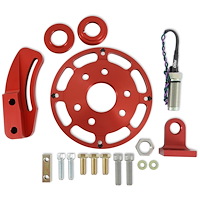
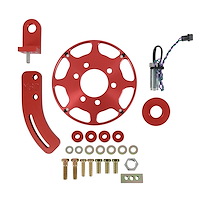
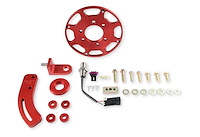
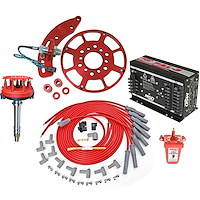
The difference is how the pickup reads the wheel. On a flying magnet crank trigger, magnets pressed into the wheel pass a magnetic pickup, which generates the signal for your ignition box. MSD Ignition offers flying magnet kits for Small Block Chevy, Big Block Chevy, Big Block Chrysler and GM LS Gen III/IV engines.
A Hall effect crank trigger uses a powered sensor that switches on and off as the wheel passes. It's a common choice when your ignition or data system calls for a clean digital signal. MSD carries Hall effect kits for Big Block Chevy and Small Block Ford.
Toothed wheels use machined teeth and gaps instead of magnets, and an ECU typically reads them. Holley offers an EFI crank trigger system for GM Gen III/IV LS engines, and Chevrolet Performance offers a crankshaft position sensor reluctor ring. Not sure which layout fits your build? Our ignition system options guide compares the tradeoffs.
What Comes in a Crank Trigger Kit?
A crank trigger kit pairs a trigger wheel with a pickup, bracket and mounting hardware sized for your engine. Here's what to check before you buy:
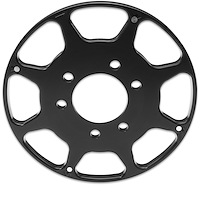
- A crank trigger wheel sized for your balancer, such as the MSD 7 in. Small Block Chevy wheel or 8 in. Big Block Chevy wheel.
- A crank trigger pickup and bracket that hold the sensor at a fixed air gap from the wheel.
- Mounting hardware for the wheel and bracket, so use the hardware-included filter to confirm what ships.
- Ultra Series kits and 8 in. Big Block Chevy wheels from Moroso, plus its stainless-steel magnetic crank trigger transducer.
- An 8 in. crank trigger wheel from Aerospace Components and crank triggers from FAST to compare.
If you're running EFI, match the pickup to your ECU's input requirements. You'll also find matching camshaft and crankshaft position sensors when you need a replacement pickup or a cam signal.
Which Crank Trigger Fits Chevy, Ford, Chrysler or LS Engines?
The right crank trigger matches your engine family and balancer diameter, so start there before comparing brands. Small Block Chevy builds can use MSD flying magnet kits or the Holley 7.250 in. EFI wheel, which also fits LS applications. Big Block Chevy has the deepest selection, with MSD, Moroso and Holley black-anodized wheel options.
For GM LS Gen III/IV engines, both MSD and Holley offer 6.560 in. wheels. Ford owners can choose the MSD Small Block Ford Hall effect kit or the Mallory Ford crank trigger kit. The Mallory kit isn't legal for sale or use in California on pollution-controlled vehicles.
Big Block Chrysler engines are covered by an MSD flying magnet kit, and the MSD universal kit handles less common combinations. Next, decide how you'll distribute spark: run a distributorless ignition, or keep a front-drive distributor. Shop distributors and components if you're keeping one.
How Do You Install a Crank Trigger and Set the Air Gap?
You install a crank trigger by bolting the wheel to the front of your balancer, mounting the pickup bracket and setting the air gap. The wheel's accuracy depends on the balancer, so replace worn harmonic balancers first. Position the pickup so it sits square to the wheel's magnets or teeth.
Set the air gap between the pickup and the wheel to about .025-.050 in. with a feeler gauge. A gap that's too wide can weaken the signal, while a gap that's too tight risks contact at high rpm. Turn the engine by hand to confirm clearance all the way around.
The wheel moves your accessory pulleys forward, so you'll need spacers matching the wheel thickness, about 3/8 in. on average. That keeps belt alignment correct. Finally, route the pickup's two wires to your ignition box or ECU, then shop crank triggers now to find the kit that fits your engine.

ADD A VEHICLE TO GUARANTEE PARTS FIT
See products that fit

ADD A VEHICLE TO GUARANTEE PARTS FIT
See products that fit
![Crank Trigger Wheel for SB & BB Chevy [Black Anodized]](https://www.jegs.com/images/mini_100/500/510/510-556-109.jpg)
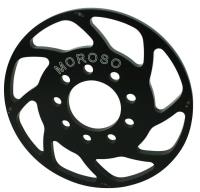
![Crank Trigger Wheel for SB & BB Chevy [Black Anodized]](https://www.jegs.com/images/mini_200/500/510/510-556-109.jpg)

DORMAN PRODUCTS
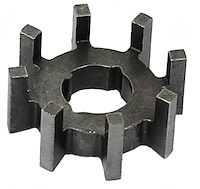
917-060 Ignition Pulsator Ring; 2001-2016 Ford; 2001-2014 Lincoln; 2001-2011 Mercury
Part Number: 326-917-060
 Ships on Oct 13, 2026
 Lowest price guarantee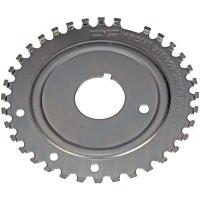
DORMAN PRODUCTS
917-060 Ignition Pulsator Ring; 2001-2016 Ford; 2001-2014 Lincoln; 2001-2011 Mercury
Part Number: 326-917-060
Ships on Oct 13, 2026Lowest Price Guarantee
HOLLEY
556-172 EFI Crank Trigger System for Ford Small Block Engines (6.560 in.)
Part Number: 510-556-172
Ships on 10/13/2026Lowest price guarantee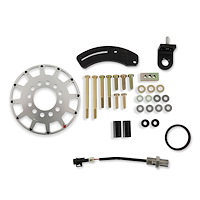
HOLLEY
556-172 EFI Crank Trigger System for Ford Small Block Engines (6.560 in.)
Part Number: 510-556-172
Ships on 10/13/2026Lowest Price Guarantee
HOLLEY
556-182 EFI Crank Trigger Wheel for Chevy Small Block, GM Gen III/IV LS Engines (7.250 in.)
Part Number: 510-556-182
Ships on 10/13/2026Lowest price guarantee
HOLLEY
556-182 EFI Crank Trigger Wheel for Chevy Small Block, GM Gen III/IV LS Engines (7.250 in.)
Part Number: 510-556-182
Ships on 10/13/2026Lowest Price Guarantee
MSD IGNITION
Non-Shielded Crank Trigger Pickup, 3/8 in.-24 x 1.5 in. with 36 in. Harness
Part Number: 121-8159
Ships on Oct 13, 2026Lowest price guarantee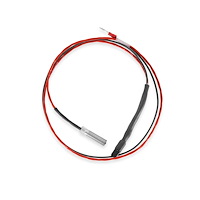
MSD IGNITION
Non-Shielded Crank Trigger Pickup, 3/8 in.-24 x 1.5 in. with 36 in. Harness
Part Number: 121-8159
Ships on Oct 13, 2026Lowest Price Guarantee


MSD IGNITION
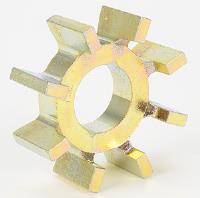
Flying Magnet Crank Trigger Kit GM LS Gen-III/IV, 6.560 in. Diameter Trigger Wheel
Part Number: 121-8618
Ships on Oct 13, 2026Lowest price guarantee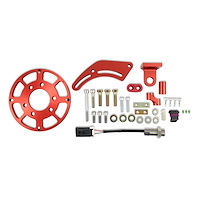
MSD IGNITION
Flying Magnet Crank Trigger Kit GM LS Gen-III/IV, 6.560 in. Diameter Trigger Wheel
Part Number: 121-8618
Ships on Oct 13, 2026Lowest Price Guarantee![8620 Flying Magnet Crank Trigger Kit Big Block Chevy [Red]](https://www.jegs.com/images/mini_100/100/121/121-8620.jpg)
![8620 Flying Magnet Crank Trigger Kit Big Block Chevy [Red]](https://www.jegs.com/images/mini_200/100/121/121-8620.jpg)
![Flying Magnet Crank Trigger Kit for Big Block Chevy with 7 in. Balancer [Red Anodized]](https://www.jegs.com/images/mini_100/100/121/121-8624.jpg)
MSD IGNITION
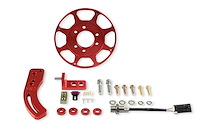
Flying Magnet Crank Trigger Kit for Big Block Chevy with 7 in. Balancer [Red Anodized]
Part Number: 121-8624
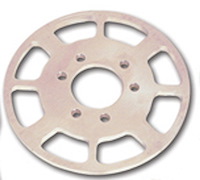
Ships on 10/13/2026Lowest price guarantee![Flying Magnet Crank Trigger Kit for Big Block Chevy with 7 in. Balancer [Red Anodized]](https://www.jegs.com/images/mini_200/100/121/121-8624.jpg)
MSD IGNITION
Flying Magnet Crank Trigger Kit for Big Block Chevy with 7 in. Balancer [Red Anodized]
Part Number: 121-8624
Ships on 10/13/2026Lowest Price GuaranteeFrequently Asked Questions About Crank Triggers
Are crank triggers legal for street use?
It depends on the product and where you drive. Some kits, like the Mallory Ford crank trigger kit, aren't legal for sale or use in California on pollution-controlled vehicles. Check your state's emissions rules and the product listing before you buy for a street-driven car.
Is a crank trigger better than a distributor?
For timing accuracy at high rpm, a crank trigger has the edge because it removes the distributor gear, shaft and reluctor from the timing signal. That means less timing scatter. A distributor-triggered ignition is simpler to install and works well on many street engines.
How do you time a crank trigger?
Bring the #1 cylinder to top dead center, and if you're running a distributor, align the rotor with the #1 terminal. Connect the pickup's two wires to your ignition box or ECU. Then fine-tune ignition timing with a timing light.
Do I still need a distributor with a crank trigger?
Not always. A crank trigger can run a distributorless ignition, where the ignition box or ECU handles spark distribution. You can also keep a front-drive distributor to route spark to each cylinder while the crank trigger controls timing.
Can a crank trigger work with an EFI system?
Yes. Many EFI systems read a toothed crank trigger wheel through a crankshaft position sensor. The Holley EFI crank trigger system for GM Gen III/IV LS engines is one example. Confirm your ECU supports the wheel's tooth pattern before you order.