


 Order Status & Returns
 Gift Cards
 Help Center
 1-800-345-4545


 Vehicle Info Needed
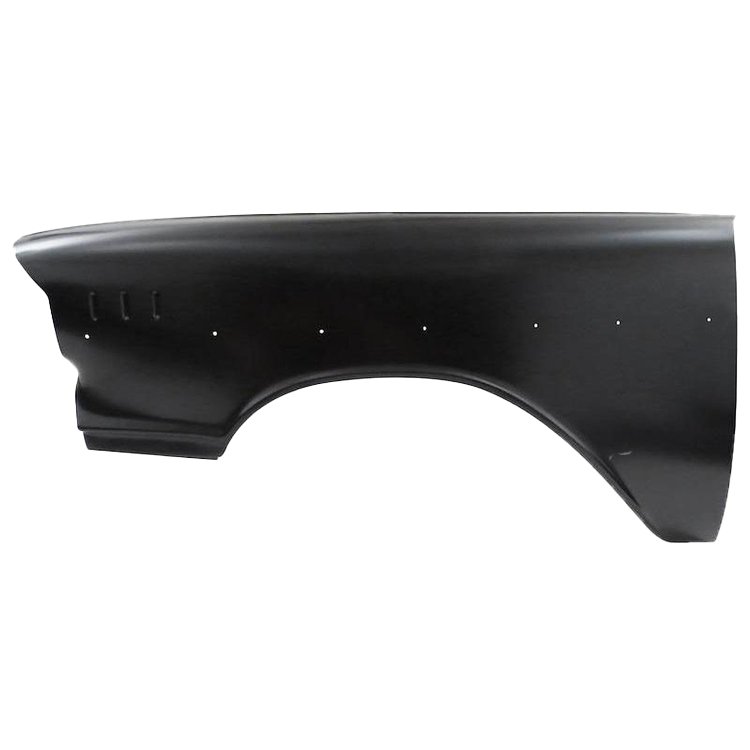
Front Fender w/Molding Holes for 1957 Chevrolet Bel Air, Del Ray, Nomad, One-Fifty, Two-Ten [Left/Driver Side]
 Ships Today
 Lowest Price Guarantee
The JEGS 555-96994 front fender helps you put a 1957 Chevrolet Bel Air, Two-Ten, Del Ray, or Nomad back together with its factory side trim in place. The molding holes are pre-punched in the factory locations, so your original moldings or new reproduction trim mount up without measuring and drilling. As the panel that ties the hood, door, and headlight area together on a Tri-Five Chevy, this driver side fender follows the original body lines to help you set even gaps and keep the trim running straight from the fender into the door.
JEGS 555-96994 Left 1957 Chevrolet Front Fender w/Molding Holes Features:
- Fits 1957 Chevrolet Bel Air, Del Ray, Nomad, One-Fifty, Two-Ten
- Left/driver side front fender
- Side molding holes punched for mounting factory-style side trim
- Stamped from correct-gauge steel like the original panel
- Factory-style braces welded in place for correct mounting and panel alignment
- EDP (electro-deposit primer) coating protects the steel during shipping and storage
JEGS 555-96994 Left 1957 Chevrolet Front Fender w/Molding Holes Notes:
- Molding-hole version was not used on One-Fifty Series cars from the factory, but fits all listed 1957 models
- Bodywork prep and primer are required before paint; the EDP coating is not a finish coat
Special Note: Before packaging by our team of professionals, each in-stock sheet metal panel sold and shipped by JEGS goes through a thorough inspection for flaws. It is not uncommon for sheet metal panels to have surface scratches, small dings, or other minor imperfections. These imperfections are not considered damaged and will be worked out through the bodywork phase with various levels of sanding and priming. The EDP (electro-deposit primer) coating on each panel is used as a protectant during shipping and storage and is not intended to be a finish coat. Proper prepping and priming are required during the bodywork process to protect the metal surface.
ITEM YOU MAY ALSO CONSIDER
OER
Part Number : 691-TF400324