


 Order Status & Returns
 Gift Cards
 Help Center
 1-800-345-4545
Starters & Alternators
Starters and alternators at JEGS include high-output and one-wire alternators, high-torque and mini starters, and voltage regulators. You'll also find brackets, pulleys, and starter hardware to finish the install. Match amperage, torque, and fitment for street, strip, or restoration builds, and use the vehicle fitment tool to confirm parts fit your vehicle.
Show More
Alternator Replacement: Matching Amperage to Your Electrical Load
For an alternator replacement, choose a unit whose amp rating covers everything your vehicle draws, with some headroom. Add up loads like electric fans, fuel pumps, ignition, and audio, then size up. A stock-style unit works for a mostly original car, but added accessories call for a high-output alternator. Big stereos and electric cooling fans are the usual reasons a stock unit falls short at idle.
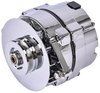
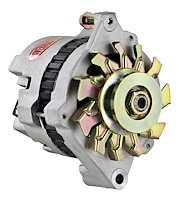
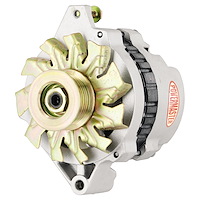
In alternators and components, you can shop the Speedmaster GM CS130 130 amp high-output alternator with a left-side mount. Powermaster offers 120-350 amp alternators for competition use. There's also a chrome Powermaster GM 12si-style alternator for builds where looks matter.
Before you order, confirm the mounting position, case style, and pulley type. That way your new car alternator bolts in and lines up with your belt. Check that your charge wire is sized for the higher output, too.
One-Wire Alternators for Clean, Simple Wiring
A one-wire alternator needs just one charge wire to the battery, so you can skip the external regulator and extra harness. That makes it a common pick for hot rods, race cars, and engine swaps where you want a clean engine bay. See how it works in what is a one-wire alternator.
JEGS 1-wire alternators come in 70, 100, and 140 amp versions built on a GM 10si/12si case with an internal regulator. They cut in at 880 rpm, compared with roughly 1,200 rpm for a typical unit. That means they start charging closer to idle.
For race packages, the Powermaster Denso-style 93mm race alternator delivers 55 amps in a one-wire layout. It suits drag cars that run a light electrical load. Match the amp rating to your load, then size the charge wire to suit.
High-Torque and Mini Starters for High-Compression Engines
If your engine runs high compression or a big cam, a high-torque starter spins it over more reliably than a stock unit. Extra torque helps the starter push past compression without bogging down. It's the upgrade to make when a stock starter cranks slowly on a built engine.
Powermaster starters are rated at 160-260 ft-lbs, so you can match output to your engine's compression and displacement. In starters and components, you'll also find OEM-finish replacement starters for Ford small-block, big-block, and FE engines. Delco-style starters cover GM LSX builds.
When weight and clearance matter, a mini starter helps. The JEGS Junior Dragster Mini Starter (555-10052) weighs just 13 lbs, a good fit for lightweight race chassis. Check header clearance before you order, since tight chassis leave little room. Finish the job with matching starter bolts, including GM bolts for 1962-81 applications.
Voltage Regulators, Brackets, and Pulleys That Complete the Charging System
Your alternator only works as well as the parts that control, mount, and drive it. Use this checklist when you build or refresh your charging system:
- Voltage regulators hold charging output around 13.5-14.5 volts to protect your battery and electronics.
- Mopar Performance offers a voltage regulator for pre-1970 V8 engines.
- The March Performance deluxe alternator bracket kit for Ford 351W sets alternator position and belt alignment.
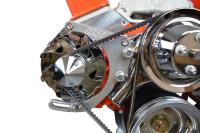
- Small-block Chevy alternator mount kits and water pump/alternator kits cover GM builds.
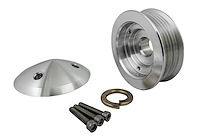
- The Powermaster 6-groove serpentine pulley and a 3.50 in. billet overdrive pulley for GM LS 6-rib setups change drive ratio.
- Alternator wire boots, charge wire kits, and 16-volt surge protectors finish the wiring.
Check belt routing and pulley alignment before final tightening. A misaligned pulley can wear belts fast. Confirm the pulley groove count matches your belt, whether you run a V-belt or a 6-rib serpentine setup.
Top Starters and Alternators Brands at JEGS
JEGS carries starters and alternators from Powermaster, JEGS, Speedmaster, Mopar Performance, and March Performance. Each brand covers a different part of the starting and charging system, so you can shop by the job you need done. Compare amp ratings, torque figures, and fitment notes before you add parts to your cart.
Powermaster covers both sides, with 160-260 ft-lbs starters and 120-350 amp competition alternators. JEGS brand parts include 1-wire alternators in 70, 100, and 140 amp versions and the 13-lb Junior Dragster Mini Starter. Speedmaster offers the 130 amp CS130 high-output alternator for GM applications.
Mopar Performance supplies a voltage regulator for pre-1970 V8s. March Performance builds deluxe alternator bracket kits, such as its Ford 351W kit. Need coils, distributors, or wiring to go with your upgrade? Browse the full ignition, electrical & tuning category.


ADD A VEHICLE TO GUARANTEE PARTS FIT
See products that fit




![XSTorque Starter Late Model Bert/Brinn Transmission [Adjustable Mount]](https://www.jegs.com/images/mini_100/700/713/713-9529.jpg)
![XSTorque Starter Late Model Bert/Brinn Transmission [Adjustable Mount]](https://www.jegs.com/images/mini_200/700/713/713-9529.jpg)

PROFORM
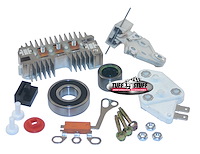
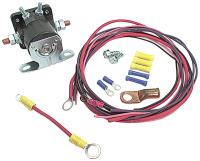
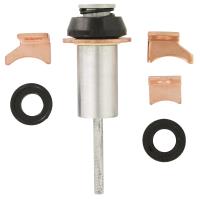
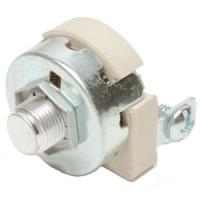
Replacement Solenoid Fits Starter p/n"s 778-66256, 778-66270, 778-66271, and other Hitachi-style starters
Part Number: 778-66256S
 Ships Today
 Lowest price guarantee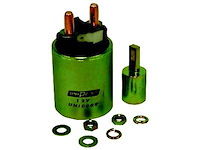
PROFORM
Replacement Solenoid Fits Starter p/n"s 778-66256, 778-66270, 778-66271, and other Hitachi-style starters
Part Number: 778-66256S
Ships TodayLowest Price Guarantee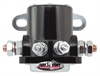
AMERICAN AUTOWIRE
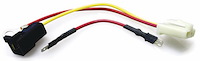
GM SI-Series Alternator to GM CS-Series Conversion Kit for 1986 and Newer GM CS Alternators
Part Number: 073-37796
Ships TodayLowest price guarantee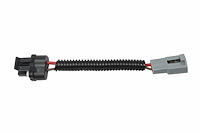
AMERICAN AUTOWIRE
GM SI-Series Alternator to GM CS-Series Conversion Kit for 1986 and Newer GM CS Alternators
Part Number: 073-37796
Ships TodayLowest Price Guarantee
ICT BILLET
551971-LS3-2 Low-Mount Alternator Bracket Kit LS3-Style w/Idler Pulley Fits LS1 Camaro Belt Spacing
Part Number: 335-551971-LS3-2
Ships TodayLowest price guarantee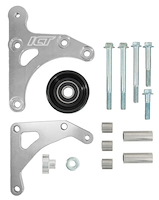
ICT BILLET
551971-LS3-2 Low-Mount Alternator Bracket Kit LS3-Style w/Idler Pulley Fits LS1 Camaro Belt Spacing
Part Number: 335-551971-LS3-2
Ships TodayLowest Price Guarantee



Frequently Asked Questions About Starters and Alternators
How can I tell if the starter or the alternator is failing?
A failing starter usually shows up when you turn the key, with a click, a grind, or slow cranking while the lights stay bright. A failing alternator shows up while you drive, with dimming lights, a battery warning light, or a battery that keeps going dead. To confirm, follow the steps in our how to test an alternator guide.
Should I convert a generator to an alternator?
If you've added electrical loads to an older vehicle, an alternator conversion usually makes sense because alternators charge better at low rpm. If you want a period-correct look for a restoration, keeping the generator may suit you better. Compare both in our alternator vs generator guide.
Can a bad voltage regulator damage my battery?
Yes. A regulator that fails high can overcharge the battery, while one that fails low leaves it undercharged. Check with a voltmeter at the battery with the engine running, and look for roughly 13.5-14.5 volts.
Do I need a starter heat shield with headers?
If your headers run close to the starter, a heat shield is a smart addition. Heat soak can cause slow or hard cranking when the engine is hot. Find shields, bolts, and brackets in starter shields and hardware.
What should I check before replacing an alternator?
Start with the battery, belt tension, and connections, since a weak battery or corroded terminal can look like a charging problem. Inspect the charge wire and grounds, and replace worn battery cables if needed. Then confirm amperage, case style, and mounting before you order.