Sign up now to join the JEGS email newsletter and be the first to learn about new products, special deals and e-mail only offers!

 2 People Found This Article Helpful

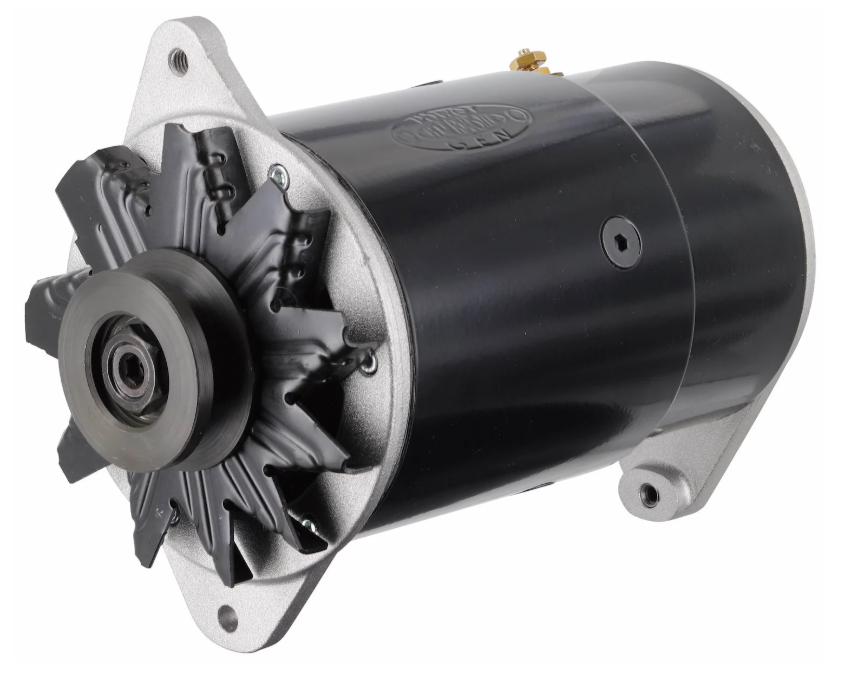

If you are restoring a classic vehicle or upgrading an older charging system, you may find yourself comparing an alternator vs generator. Both devices produce electricity to power your vehicle and charge the battery, but they operate differently and offer distinct advantages.
Understanding the differences between a generator and an alternator helps you decide which system is best for your street car, restoration project, or performance build.
A generator is an older style charging device that produces direct current, often referred to as DC power. Generators were commonly used in vehicles before the 1960s.
They rely on a mechanical regulator and typically produce lower output at idle speeds. Generators are simple in design and were effective for vehicles with limited electrical demands such as basic lighting and ignition systems.
However, as vehicles added more electrical accessories, generators became less practical.
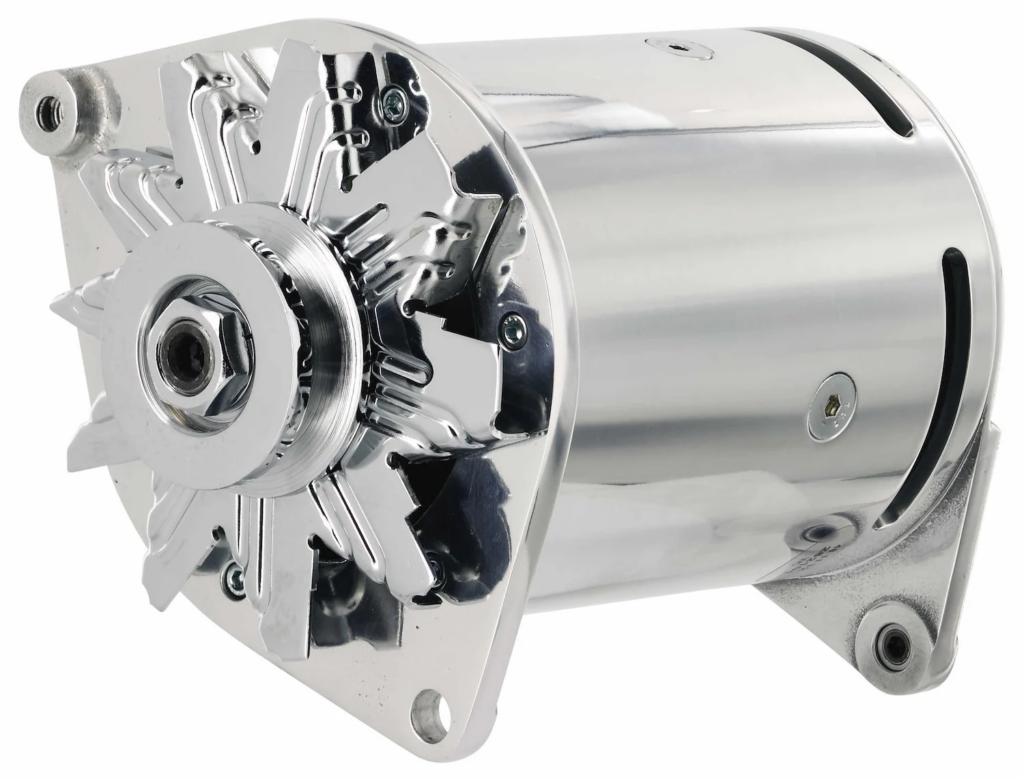
An alternator produces alternating current, or AC power, which is then converted to DC power through internal diodes. Alternators became standard in most vehicles starting in the 1960s because they are more efficient and produce greater output.
One key advantage of an alternator is its ability to generate more charging power at low engine speeds. This makes it better suited for vehicles with electric fans, fuel injection, upgraded audio systems, and modern accessories.
Most modern performance and daily driven vehicles use alternators.

The biggest difference between an alternator and a generator is efficiency. Alternators are more efficient and lighter for the same output. They also require less maintenance and provide better charging at idle.
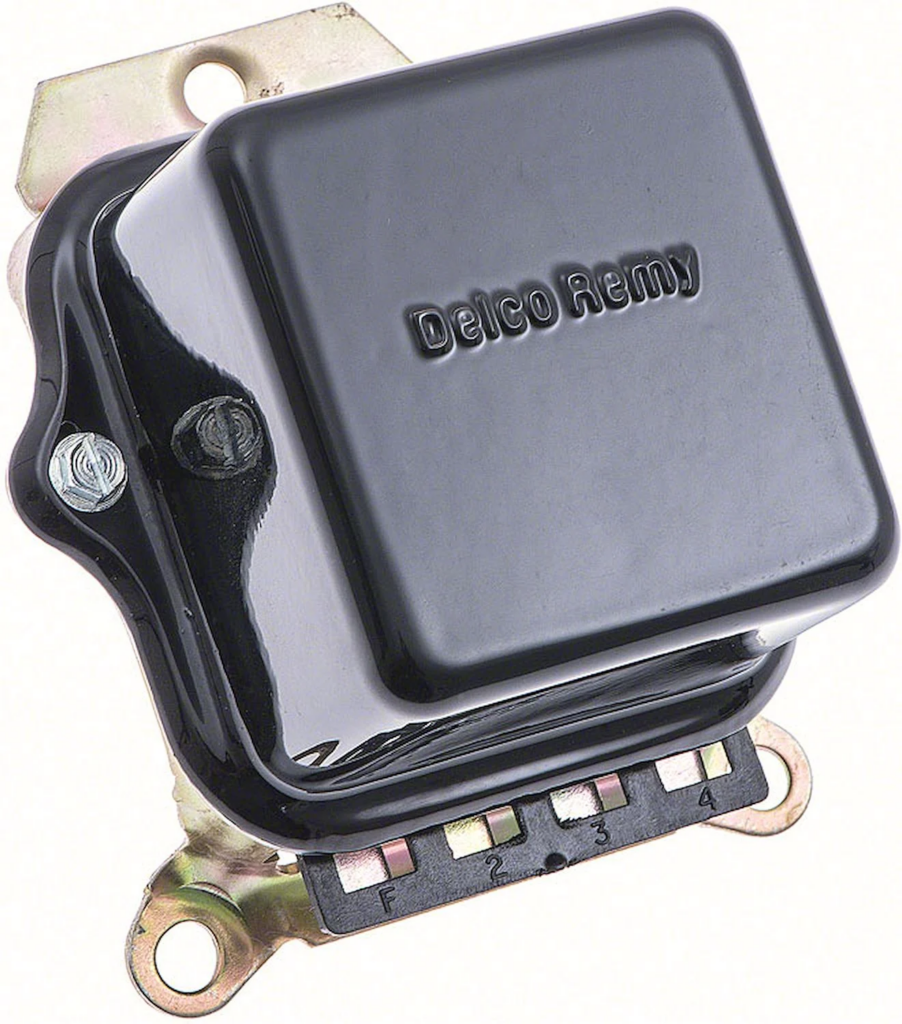
Generators typically require an external voltage regulator and more frequent service. Alternators often use internal voltage regulators and are more compact.
For vehicles with increased electrical demand, an alternator is generally the better choice.
Sign up now to join the JEGS email newsletter and be the first to learn about new products, special deals and e-mail only offers!
If you are restoring a classic car and want to maintain original factory appearance, keeping the generator may be important for authenticity.
In low demand applications with minimal accessories, a properly functioning generator can still perform adequately.
However, if reliability and higher output are priorities, converting to an alternator may be beneficial.
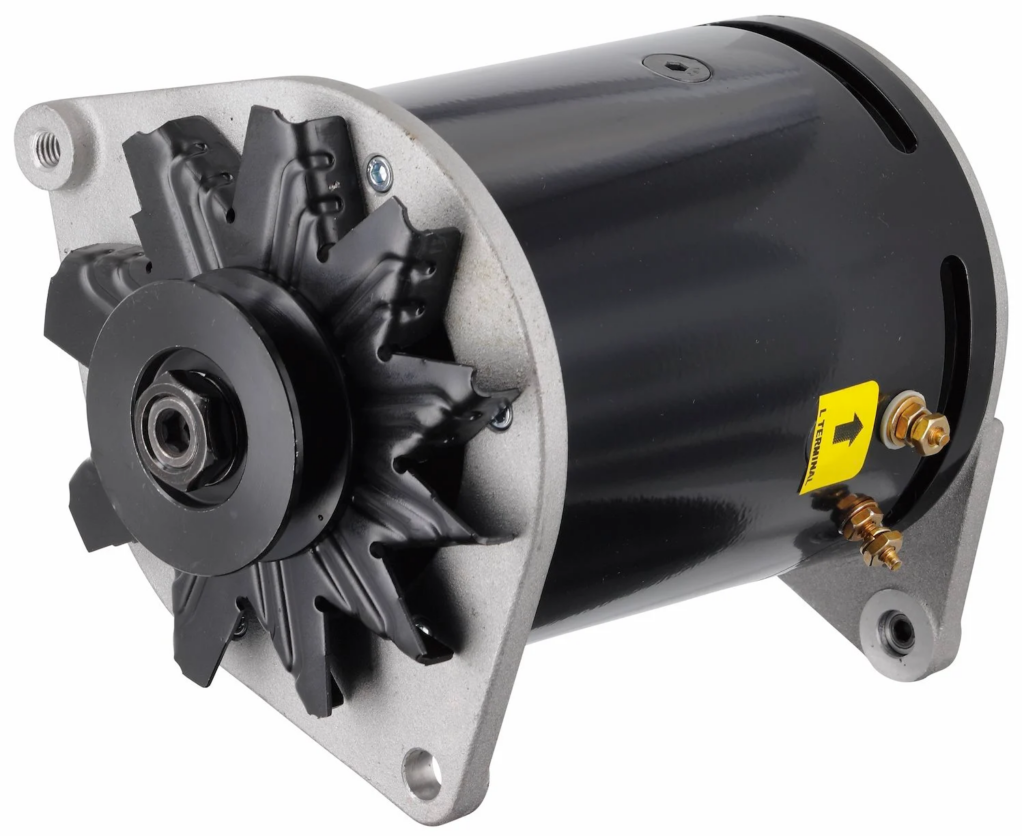
Upgrading from a generator to an alternator can improve charging performance and battery life. High output alternators are available for vehicles with added electrical components such as electric fuel pumps, cooling fans, ignition systems, and lighting upgrades.
An alternator conversion often simplifies wiring and reduces the risk of voltage drops under load.
When performing a conversion, make sure your brackets, pulleys, and wiring are compatible with the new charging system.
Whether you are replacing a worn generator, upgrading to an alternator, or installing a high output unit, selecting quality components ensures reliable performance.
At www.jegs.com, you will find alternators, conversion brackets, pulleys, wiring components, and related charging system parts for street and performance applications.
If you need help deciding between an alternator vs generator for your specific vehicle, the JEGS Tech Specialists are available to help you choose the right charging solution for your build.


Ive got a 2007 Dodge Durango SLT 4X4 4.7, with intoxalot installed which pretty much drains my battery if I don’t put a trickle charge on it. I have some lights for the top ,and 2 side lights. What should I replace to increase my battery life and get a better charge for all?

Tony, what you’re running into is pretty common when you’ve got added electrical draw like an interlock device and extra lighting. The factory charging system on your Durango was designed around stock demand, so once you start adding accessories, it can struggle to keep up, especially at idle or during short trips.
A good place to start is upgrading to a higher output alternator, something from brands like Powermaster or Tuff Stuff that are designed to produce more amperage at lower RPM. That helps keep the battery charged even with the added load from your lights and the intoxalock system.
It’s also worth looking at your wiring. Doing a simple “Big 3” upgrade with heavier gauge cables for the alternator charge wire, battery ground, and engine ground can make a noticeable difference in how efficiently the system charges.
If the vehicle sits for periods of time or sees a lot of short drives, a higher capacity AGM battery can also help handle the extra demand better than a standard battery.
Your setup sounds like it’s right on the edge of what the stock system can support, so improving both charging output and electrical flow will make the biggest difference.
If you’d like to go over your setup in more detail, give us a call at 1-800-345-4545 and a Tech Specialist can help dial in the best solution for you.



Leave a Reply