Sign up now to join the JEGS email newsletter and be the first to learn about new products, special deals and e-mail only offers!

 121 People Found This Article Helpful
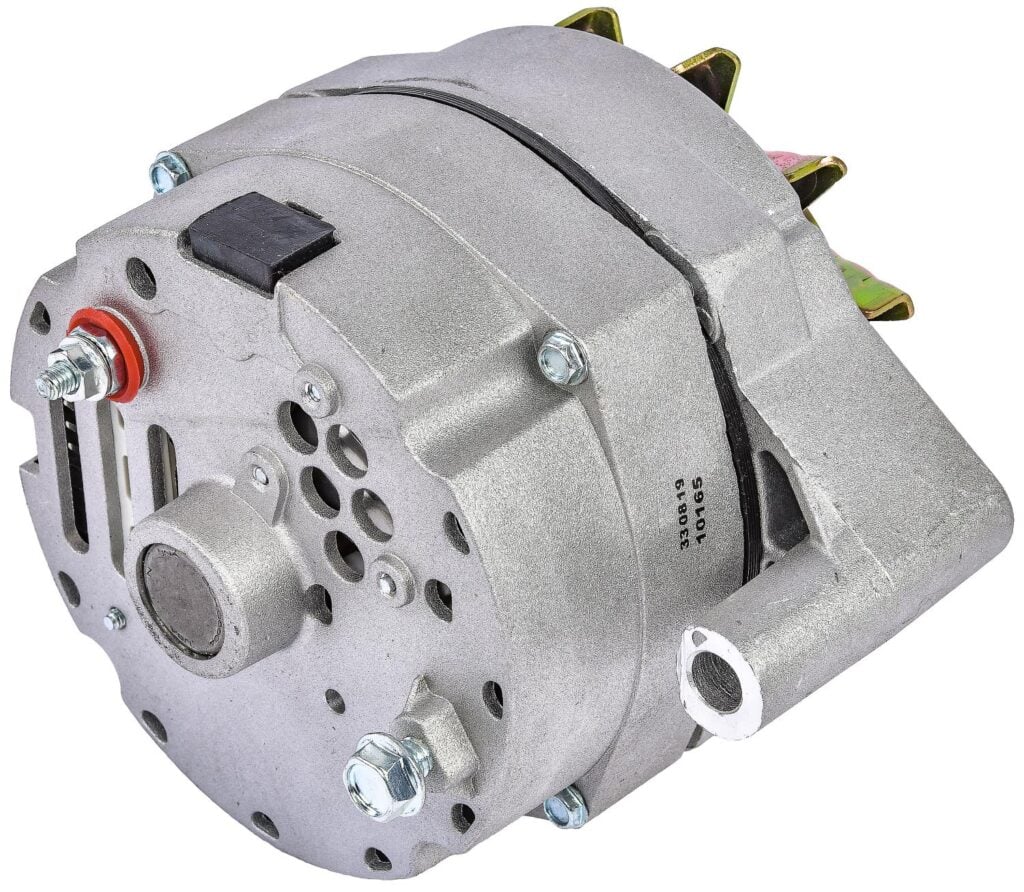

If you're a Chevy or GM vehicle enthusiast or an auto DIYer, you might have heard the term "one wire alternator" or "single wire alternator" thrown around. What exactly does this mean, and why is it commonly used in Chevy and GM engines? In this guide, we'll dive into the world of alternators, explain what a one wire alternator is, and explore the reasons why it's favored in the realm of Chevy and GM vehicles.
Before we delve into the world of one wire alternators, let's briefly understand how traditional alternators operate. An alternator is a crucial component in your vehicle's electrical system. Its primary function is to generate electrical power by converting mechanical energy from the engine into electrical energy.
Traditional alternators have several wires, including the main output wire, a ground wire, and often a wire for sensing battery voltage. The alternator's operation relies on a magnetic field created by a voltage regulator. This magnetic field induces electrical current in the stator windings, producing the electrical power that charges the battery and powers the vehicle's electrical systems.
A one wire alternator, also known as a single wire alternator, simplifies the traditional alternator's wiring setup. In a one wire alternator, there's only a single wire running from the alternator to the battery or the electrical system. This wire handles both the charging current and the voltage sensing, streamlining the installation process.
The key feature of a one wire alternator is that it's "self-energizing." This means that it doesn't require a separate wire for voltage sensing. Instead, it relies on a built-in voltage regulator that senses the battery's voltage through the single wire. When the engine starts, the alternator generates power and self-excites, beginning to charge the battery and power the vehicle's electrical systems.

Note that a 1-wire alternator does NOT permit the use of a charge warning (idiot) light. Most hot rodders and muscle car enthusiasts prefer the use of a volt meter or ammeter to monitor charging. However, certain alternators have terminals that may be used for a warning light. To wire a warning light using one of these alternators, simply remove the terminal plug cover and connect the R (Left terminal, looking from the back of the alternator) to the warning light wire.
Sign up now to join the JEGS email newsletter and be the first to learn about new products, special deals and e-mail only offers!
In conclusion, a one wire alternator simplifies the charging system in Chevy and GM vehicles. It streamlines the installation process, offers reliable charging, and contributes to a cleaner engine bay. If you're looking for an efficient and straightforward solution for your electrical system, especially in custom or modified vehicles, a one wire alternator might be the right choice for you. So, the next time you hear about a "Chevy single wire alternator" or "GM one wire alternator," you'll know why it's a popular option in the world of automotive enthusiasts.


Tengo un alternador de un solo cable, pero no sé dónde conectar el segundo cable que tiene mi veiculo. Conectando un solo cable no carga.

Vidal, with a one wire alternator, the main charging wire should run from the alternator output stud directly to the battery or to a main power junction that connects to the battery. That is the only wire needed for the alternator to charge in a true one wire setup. The second wire you are seeing in your vehicle is likely from the original factory charging system, which would have used a multi wire alternator with connections for things like an ignition signal or charge indicator light. On a one wire alternator, those extra wires are typically not used and should be safely capped off or removed from the circuit so they do not cause issues. One important thing to know is that many one wire alternators need the engine to be revved slightly after startup to begin charging, and then they will continue to charge at idle after that. If you are only connecting the main charge wire and it is still not charging, you will want to confirm that the alternator is properly grounded, the battery is in good condition, and that the charge wire is connected to a solid 12 volt path back to the battery. It also helps to know which style of one wire alternator you are using, since some units from brands like Powermaster or Tuff Stuff have slightly different internal regulators and behavior. If you would like help walking through your exact wiring and setup, give us a call at 1-800-345-4545 and speak with a Tech Specialist and we will be glad to help.

Can I do that to my Ford f250 one wire hook up
Patrick,
Depending on the specific year, make, model, and engine size, yes, you can run a one wire alternator setup on your Ford F250, but it is not always a straight drop-in like it can be on some GM vehicles. You would need a Ford-compatible one wire alternator from a brand like Powermaster or Tuff Stuff that’s designed for your engine and mounting configuration. Wiring will be simplified since it only requires a single charge wire running to the battery or starter solenoid battery terminal, but you would be bypassing the factory wiring harness and external regulator.
Keep in mind that if your truck has a factory charge warning light or certain factory gauges, you may lose those functions unless you add extra wiring or use a conversion kit. Also, ensure the alternator you choose provides enough amperage to support all the electrical loads on your F250.
If you’d like help making sure you pick the right alternator for your truck’s year, engine, and accessory setup, give us a call at 1-800-345-4545 and speak to a tech specialist.



Leave a Reply