


 Order Status & Returns
 Gift Cards
 Help Center
 1-800-345-4545

Racing Fuel Cell & Tank Equipment
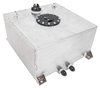
Racing fuel cell setups and replacement gas tanks keep fuel contained, controlled, and flowing to your engine. Whether you're building a drag car or restoring a classic truck, you'll find cells, foam, stock-style tanks, senders, and fuel plumbing here. Use the guide below to compare materials, certification, fitment, and sender specs before you buy.
Show More
What Is a Racing Fuel Cell and How Is It Different From a Gas Tank?
A racing fuel cell is a layered fuel container built for competition use. Most cells combine an outer shell, an inner bladder, and foam baffling that fills the cavity. A stock gas tank is usually a single container shaped to fit one chassis.
That layered design is why racers choose a fuel cell for drag, circle track, and off-road builds. The shell takes the hits, the bladder holds the fuel, and the foam limits how much fuel moves around inside. A stock tank skips those extra layers, which is fine for a daily driver.
If you're starting a fuel cell swap, browse complete cells and replacement parts in Fuel Cells & Components. You'll also want a fuel pump, filter, and lines that match the cell. When you're mapping the entire fuel system, start with Air & Fuel Delivery parts and work outward from the tank.
How to Choose a Fuel Cell Material for Your Build
Choose a fuel cell material based on your mounting space, chassis layout, and how the car is raced. Each shell type changes how the cell is built and mounted, so compare these options first:
- Polyethylene cells use a molded plastic shell, often with walls about 3/16 in. thick.
- Aluminum cells use a fabricated metal shell in place of molded plastic.
- Steel cells add a metal outer container around the bladder or foam-filled core.
Once you've picked a material, check the outlet, vent, and fill locations. Port placement decides how you'll route lines, so it matters as much as the shell. A cell with the outlet in the wrong corner can force awkward plumbing or a new mounting plan.
You can compare cells from RCI fuel cells and RJS Racing Equipment by shell material, shape, and port layout. Measure your trunk, bed, or chassis area before you order. Leave room for straps, lines, and the filler cap.
SFI 28.1 Certification and Fuel Cell Safety Foam
SFI 28.1 is the SFI spec for polymer foam-filled fuel cells. Related specs cover other designs: SFI 28.2 applies to crash-resistant cells, and SFI 28.3 applies to fuel cell bladders. The manufacturer certifies that a product meets the spec, so look for the SFI label on the cell itself.
Safety foam sits inside the cell where you can't see it. It fills the cavity and baffles fuel movement, while taking up only about 1-4% of the cell's volume. That means you give up very little capacity for the added control.
Foam is also a replaceable wear item. JAZ Products offers fuel cells and replacement foam, so you can refresh a cell without replacing the whole unit. Before you mount a new or rebuilt cell, walk through our step-by-step fuel cell installation guide.
Replacement Gas Tanks for Classic Cars & Trucks
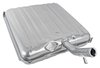
A replacement gas tank is the right fit when you want factory-style fuel storage for a restoration or street build. These tanks bolt into the original mounting points, so you keep the stock look without modifying the chassis. They're a direct path back to correct fitment.
OER replacement tanks come in zinc-coated, Ni-Terne-coated, and stainless steel versions. Applications include Camaro, Firebird, Impala, and Caprice models, with 16-24 gallon capacities depending on the vehicle. Pick the finish that matches your restoration goals and the original tank on your car.
For GM pickups, Auto Metal Direct offers a 16-gallon tank for short-bed trucks. A new tank often needs new hardware, so check the condition of your straps, filler neck, and sender before reassembly. You'll find those parts in fuel tank components, including senders, filler necks, straps, and replacement tanks.
Fuel Sending Units, Fittings & Plumbing
Your fuel sending unit has to match your gauge's ohm range, or the gauge won't read correctly. The JEGS floatless sending unit uses a 0-90 ohm range. The Tanks Inc. GM-style sender uses a 0-30 ohm range, so confirm your gauge spec before you order.
From the tank or cell, fuel travels through the pump, filter, and lines to the engine. Shop fuel pumps, regulators, and filters sized for your engine's fuel demand. Then connect everything with fuel line fittings, adapters, and hose that match the ports on your tank or cell.
If you're adding an electric pump, follow our guide to installing an electric fuel pump before you start. Older rubber lines can crack and leak over time. Check our guide on how often to replace rubber fuel lines before reusing old hose.

ADD A VEHICLE TO GUARANTEE PARTS FIT
See products that fit

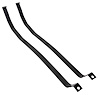
JEGS
Fuel Tank Straps Fits Select 1961-1964 Ford, Mercury Models w/Vent Pipe [20-Gallon Tank]
Part Number: 555-78356
 Ships Today
 Lowest price guarantee
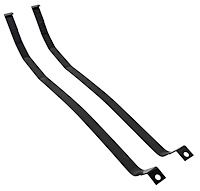
JEGS
Fuel Tank Straps Fits Select 1961-1964 Ford, Mercury Models w/Vent Pipe [20-Gallon Tank]
Part Number: 555-78356
Ships TodayLowest Price Guarantee
JEGS
Fuel Tank for 1953-1955 Ford F100, F250, F350 Trucks [17-Gallon]
Part Number: 555-78363
Ships TodayLowest price guarantee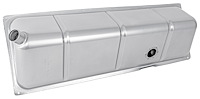
JEGS
Fuel Tank for 1953-1955 Ford F100, F250, F350 Trucks [17-Gallon]
Part Number: 555-78363
Ships TodayLowest Price Guarantee
JEGS
Fuel Tank Straps for 2011-2020 Chevrolet Silverado 2500, 3500, GMC Sierra 2500, 3500 [36-Gallon Tank]
Part Number: 555-78337
Ships on 01/05/2027Lowest price guarantee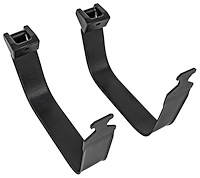
JEGS
Fuel Tank Straps for 2011-2020 Chevrolet Silverado 2500, 3500, GMC Sierra 2500, 3500 [36-Gallon Tank]
Part Number: 555-78337
Ships on 01/05/2027Lowest Price Guarantee
JEGS
Fuel Tank Straps Fits Select 1985-1999 Buick, Cadillac, Oldsmobile, Pontiac Models [18-Gallon Tank]
Part Number: 555-78338
Ships TodayLowest price guarantee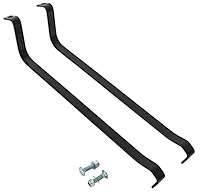
JEGS
Fuel Tank Straps Fits Select 1985-1999 Buick, Cadillac, Oldsmobile, Pontiac Models [18-Gallon Tank]
Part Number: 555-78338
Ships TodayLowest Price Guarantee
JEGS
Fuel Tank Straps for 1993-1998 Jeep Grand Cherokee [23-Gallon Tank]
Part Number: 555-78335
Ships TodayLowest price guarantee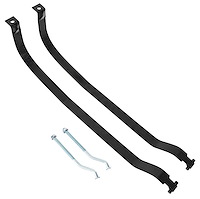
JEGS
Fuel Tank Straps for 1993-1998 Jeep Grand Cherokee [23-Gallon Tank]
Part Number: 555-78335
Ships TodayLowest Price Guarantee
JEGS
Fuel Tank Straps for 2001-2010 Chrysler PT Cruiser [15-Gallon Tank]
Part Number: 555-78332
Ships TodayLowest price guarantee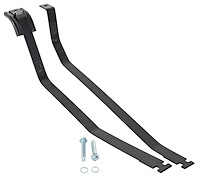
JEGS
Fuel Tank Straps for 2001-2010 Chrysler PT Cruiser [15-Gallon Tank]
Part Number: 555-78332
Ships TodayLowest Price Guarantee
JEGS
Fuel Tank Straps for 2005-2008 Dodge Ram 1500, 2003-2010 Dodge Ram 2500, 3500, 2011-2020 Ram 2500, 3500 Trucks [35-Gallon Tank]
Part Number: 555-78330
Ships on 10/26/2026Lowest price guarantee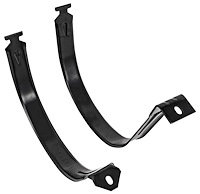
JEGS
Fuel Tank Straps for 2005-2008 Dodge Ram 1500, 2003-2010 Dodge Ram 2500, 3500, 2011-2020 Ram 2500, 3500 Trucks [35-Gallon Tank]
Part Number: 555-78330
Ships on 10/26/2026Lowest Price Guarantee
JEGS
Fuel Tank Straps for 2008-2020 Toyota Sequoia, 2007 Tundra w/o Off Road Package [26.4-Gallon Tank]
Part Number: 555-78328
Ships TodayLowest price guarantee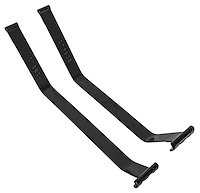
JEGS
Fuel Tank Straps for 2008-2020 Toyota Sequoia, 2007 Tundra w/o Off Road Package [26.4-Gallon Tank]
Part Number: 555-78328
Ships TodayLowest Price Guarantee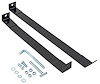
JEGS
Fuel Tank Straps for 1973-1979 Ford F100, F150, F250, F350 Trucks w/Side-Mount, Steel Fuel Tanks Only [20.2-Gallon Tank]
Part Number: 555-78344
Ships TodayLowest price guarantee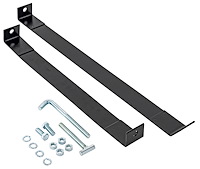
JEGS
Fuel Tank Straps for 1973-1979 Ford F100, F150, F250, F350 Trucks w/Side-Mount, Steel Fuel Tanks Only [20.2-Gallon Tank]
Part Number: 555-78344
Ships TodayLowest Price Guarantee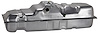
JEGS
Fuel Tank w/Fuel Pump Module for 1996-1997 GM C1500, C2500, K1500, K2500 Trucks w/Fuel Injection w/Pan in Tank [25-Gallon]
Part Number: 555-78377
Ships on 10/23/2026Lowest price guarantee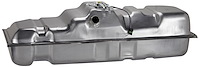
JEGS
Fuel Tank w/Fuel Pump Module for 1996-1997 GM C1500, C2500, K1500, K2500 Trucks w/Fuel Injection w/Pan in Tank [25-Gallon]
Part Number: 555-78377
Ships on 10/23/2026Lowest Price Guarantee
JEGS
Fuel Tank w/Fuel Pump Module Fits Select 1992-1998 Ford F150, F250, F350, F-Super Duty Trucks w/Fuel Injection [16-Gallon]
Part Number: 555-78372
Ships on 12/14/2026Lowest price guarantee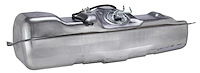
JEGS
Fuel Tank w/Fuel Pump Module Fits Select 1992-1998 Ford F150, F250, F350, F-Super Duty Trucks w/Fuel Injection [16-Gallon]
Part Number: 555-78372
Ships on 12/14/2026Lowest Price Guarantee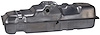
JEGS
Fuel Tank w/Fuel Pump Module Fits Select 1988-1995 Chevrolet, GMC Trucks w/Fuel Injection w/Pan in Tank [25-Gallon]
Part Number: 555-78381
Ships TodayLowest price guarantee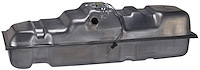
JEGS
Fuel Tank w/Fuel Pump Module Fits Select 1988-1995 Chevrolet, GMC Trucks w/Fuel Injection w/Pan in Tank [25-Gallon]
Part Number: 555-78381
Ships TodayLowest Price Guarantee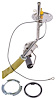
JEGS
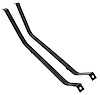
Fuel Tank Straps for 2003-2004 Pontiac Vibe, Toyota Matrix, Corolla w/FWD [13.2-Gallon Tank]
Part Number: 555-78303
Ships TodayLowest price guarantee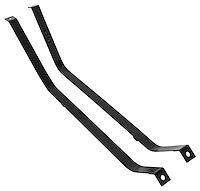
JEGS
Fuel Tank Straps for 2003-2004 Pontiac Vibe, Toyota Matrix, Corolla w/FWD [13.2-Gallon Tank]
Part Number: 555-78303
Ships TodayLowest Price Guarantee
JEGS
Fuel Tank for 1973-1981 Chevrolet Blazer, Suburban, GMC Jimmy, Suburban [25-Gallon]
Part Number: 555-78203
Ships TodayLowest price guarantee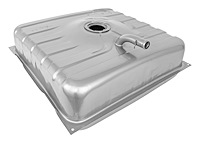
JEGS
Fuel Tank for 1973-1981 Chevrolet Blazer, Suburban, GMC Jimmy, Suburban [25-Gallon]
Part Number: 555-78203
Ships TodayLowest Price Guarantee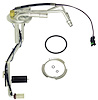
JEGS
Fuel Tank Sending Unit Fits Select 1988-2000 Chevrolet & GMC C/K Series Trucks w/Diesel Engine [31-Gallon Tank]
Part Number: 555-92093
Ships TodayLowest price guarantee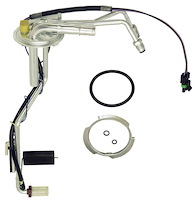
JEGS
Fuel Tank Sending Unit Fits Select 1988-2000 Chevrolet & GMC C/K Series Trucks w/Diesel Engine [31-Gallon Tank]
Part Number: 555-92093
Ships TodayLowest Price Guarantee
JEGS
Fuel Tank Sending Unit Fits Select 1990-1995 Chevrolet & GMC C/K Series Trucks [31-Gallon Tank]
Part Number: 555-92094
Ships TodayLowest price guarantee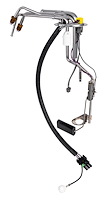
JEGS
Fuel Tank Sending Unit Fits Select 1990-1995 Chevrolet & GMC C/K Series Trucks [31-Gallon Tank]
Part Number: 555-92094
Ships TodayLowest Price Guarantee
JEGS
Fuel Tank Sending Unit for 1989-1996 Chevrolet Corvette w/Fuel Injection
Part Number: 555-92212
Ships on 11/02/2026Lowest price guarantee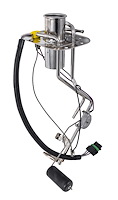
JEGS
Fuel Tank Sending Unit for 1989-1996 Chevrolet Corvette w/Fuel Injection
Part Number: 555-92212
Ships on 11/02/2026Lowest Price Guarantee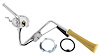
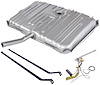
JEGS
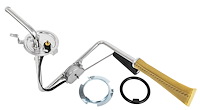
Fuel Tank Kit with Straps & Sending Unit for 1969-1970 Pontiac GTO, Grand Prix & Tempest [20-Gallon]
Part Number: 555-78084K
Ships on 10/26/2026Lowest price guarantee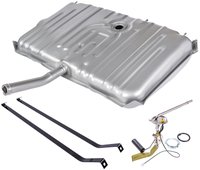
JEGS
Fuel Tank Kit with Straps & Sending Unit for 1969-1970 Pontiac GTO, Grand Prix & Tempest [20-Gallon]
Part Number: 555-78084K
Ships on 10/26/2026Lowest Price Guarantee
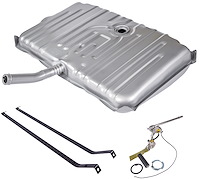

JEGS
Fuel Tank Kit with Straps & Sending Unit for 1973-1974 Chevy Nova [21.5-Gallon]
Part Number: 555-78034K
Ships on 10/26/2026Lowest price guarantee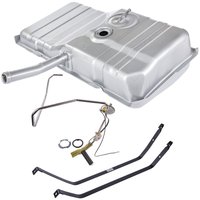
JEGS
Fuel Tank Kit with Straps & Sending Unit for 1973-1974 Chevy Nova [21.5-Gallon]
Part Number: 555-78034K
Ships on 10/26/2026Lowest Price Guarantee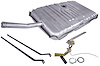
JEGS
Fuel Tank Kit with Straps & Sending Unit for 1970-1972 Chevrolet El Camino & GMC Sprint [17-Gallon]
Part Number: 555-78060K
Ships on 11/30/2026Lowest price guarantee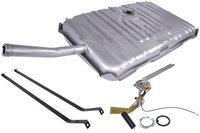
JEGS
Fuel Tank Kit with Straps & Sending Unit for 1970-1972 Chevrolet El Camino & GMC Sprint [17-Gallon]
Part Number: 555-78060K
Ships on 11/30/2026Lowest Price GuaranteeFrequently Asked Questions About Racing Fuel Cell Equipment
How long does fuel cell foam last?
Foam life depends on the fuel you run and how the cell is stored. JAZ Products states its foam can last 10 years or more. Inspect the foam when you service the cell, and replace it if it's breaking down.
Can fuel cell foam handle ethanol or E85?
It depends on the foam. JAZ Products states its foam works with pump fuel containing up to 10-15% ethanol. If you run E85 or another high-ethanol blend, confirm compatibility with the foam manufacturer before you fill the cell.
What size fuel cell do I need?
Size the cell to the fuel you burn in your longest run or session, plus a reserve. Then confirm the cell's dimensions fit your mounting area with room for lines and straps. A larger cell adds weight, so don't oversize it for short passes.
How should a fuel cell be vented?
A fuel cell needs a vent line so air can enter and leave as fuel level changes. Route the vent away from heat and ignition sources, and follow your cell maker's instructions and your class rules.
Are fuel cells legal for off-road and sanctioned racing classes?
Many sanctioning bodies allow or require fuel cells, but each sets its own rules. JAZ Products states its Pro Sport cells with a metal container are legal for BITD, IMCA, and SCORE. Always check your current rulebook before you buy.