


 Order Status & Returns
 Gift Cards
 Help Center
 1-800-345-4545
Fuel Tank Components
Fuel tank parts keep fuel stored, measured, vented and delivered from the tank to the rest of your fuel system. This category covers fuel sending units, filler necks and hoses, gas caps, tank straps, replacement tanks and fuel cell hardware. You'll find parts for classic truck restorations, street builds and race cars, sorted so you can match fitment and specs fast.
Show More
Types of Fuel Tank Parts
Most gas tank parts fall into six groups: senders, fill parts, caps and vents, mounting hardware, tanks and fuel cell parts. Knowing which group you're shopping keeps you from buying a new sender when the real problem is a blocked vent. Here's what each group covers:
- Fuel sending units that report fuel level to your gauge
- Filler necks, neck plates and fill hoses that route fuel into the tank
- Gas caps, locking caps and vent kits that seal the tank and let it breathe
- Fuel tank straps and mounting hardware that hold the tank in place
- Replacement fuel tanks sized for specific classic trucks
- Fuel cell foam, fill caps and reservoirs for race builds
Some parts solve fitment problems you might not expect. The Tanks Inc. NBO is a 3-1/4 in. 6-bolt flat neck block-off plate that caps an unused filler opening when you relocate the fill. If you're upgrading the whole system, pair these parts with pumps, lines and regulators from our air and fuel delivery parts range.
How to Match a Fuel Sending Unit to Your Gauge
Match the sender's ohm range to the range your gauge expects, then confirm the sender fits your tank depth. A fuel tank sending unit changes resistance as the float moves, and your gauge reads that resistance as fuel level. If the ranges don't match, the gauge reads wrong or pins at one end.
Ohm ratings list the empty value first and the full value second. Common ranges in this category include 0-30 ohm, 0-90 ohm and 240-33 ohm. The Tanks Inc. B1-S2 is a GM-style 0-30 ohm sender with a 3/8 in. pickup, so it handles fuel pickup and level reading in one unit.
Tank depth is the next check. The VDO 226-163 is an adjustable-height sender for tanks 6 in. to 15-3/4 in. deep, reads 240-33 ohm and adds a low-fuel warning contact. Classic Instruments offers adjustable 0-30 ohm senders and the SN38T9, a 0-90 ohm tube-type unit with a 9-1/4 in. tube. Floatless 0-90 ohm senders are another option if you'd rather skip a swinging float arm.
Fuel Filler Necks, Caps and Vent Hoses
Your fuel filler neck, gas cap and vent hose work as one system, so check all three when you have fit or sealing problems. The neck routes fuel into the tank, the cap seals it and the vent lets air in as fuel is drawn out. A problem with any one can cause fuel odor, slow fills or vapor pressure issues.
For restorations, Auto Metal Direct offers fuel filler pipe housings for 1984-1987 Chevrolet/GMC C/K trucks. On custom fills, the Tanks Inc. NE-45 is a 45-degree fuel transfer hose with a 2 in. ID and 12 in. length that joins the neck to the tank inlet.
Cap options include billet fill caps and locking gas cap venting kits. Before you choose, check whether your tank vents through the cap or through a separate vent line. Rubber fill and vent hoses age like any fuel hose, so read our guide to replacing rubber fuel lines to judge when yours are due.
Fuel Tank Straps and Mounting Hardware
Fuel tank straps hold the tank tight against its mounts, so replace them when they're rusted, stretched or cracked. A loose tank shifts under braking and cornering, which strains the filler neck, sender wiring and fuel lines. Worn straps can also let a tank rattle or sit crooked after a restoration.
Match straps to the size and shape of your tank. RCI fuel cell straps are sized for 15-gallon cells, so you can match strap length to the cell you're running. For factory-style tanks, replace the straps and bolts together so the tank sits evenly.
Before you install new straps, check the frame or floor mounting points for rust and thread damage. Tighten the strap bolts evenly side to side, then recheck them after a short drive. If you're relocating the tank or adding a fuel cell, plan strap placement early so it doesn't block the sender, drain or fuel-line routing.
Replacement Fuel Tanks vs Fuel Cell Components
Choose a replacement fuel tank when you want factory fit, and choose fuel cell components when you need a custom layout for racing. A replacement tank bolts into the original mounts and keeps the stock filler and sender locations. The Auto Metal Direct 16-gallon gas tank for short-bed GM trucks is one example.
Fuel cells trade factory fit for flexibility. Options here include a 16-bolt oval fast-fill fuel cell assembly, fuel cell foam that reduces slosh and an 11 x 11 in. fuel reservoir. Browse fuel cell components for foam, caps and fittings, or shop fuel cell parts by part type.
If you're installing a cell, follow our step-by-step fuel cell installation guide. If your cell runs an external pump, our electric fuel pump installation guide covers the job from start to finish. When you're ready, shop the full range of fuel tanks and fuel cells to finish your system.

ADD A VEHICLE TO GUARANTEE PARTS FIT
See products that fit

ADD A VEHICLE TO GUARANTEE PARTS FIT
See products that fit
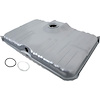
OER
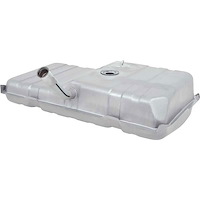
FT4022A 1990 Chevrolet Caprice, 1990-92 Cadillac Brougham; Fuel Tank; Without Filler Neck; GM4C; Zinc Coated; 24 Gallon; Fuel In
Part Number: 691-FT4022A
 Ships TomorrowFree shipping
 Lowest price guarantee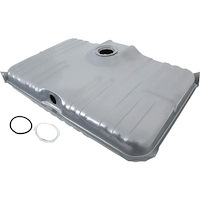
OER
FT4022A 1990 Chevrolet Caprice, 1990-92 Cadillac Brougham; Fuel Tank; Without Filler Neck; GM4C; Zinc Coated; 24 Gallon; Fuel In
Part Number: 691-FT4022A
Ships TomorrowFree shippingLowest Price Guarantee
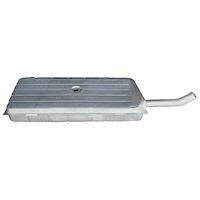
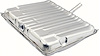
OER
Stainless Steel Fuel Tank with Neck 1965-1966 Chevy Impala/Full-Size (Except Wagon) - 20 Gallon
Part Number: 691-FT4003C
Ships TomorrowFree shippingLowest price guarantee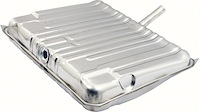
OER
Stainless Steel Fuel Tank with Neck 1965-1966 Chevy Impala/Full-Size (Except Wagon) - 20 Gallon
Part Number: 691-FT4003C
Ships TomorrowFree shippingLowest Price Guarantee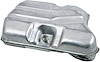
OER
FT4012A Fuel Tank 1975-76 Impala, Bel Air, Caprice, Estate Wagon, Bonneville, Grand Safari; Station Wagon; Zinc Coated; w/ Neck;
Part Number: 691-FT4012A
Ships TomorrowFree shippingLowest price guarantee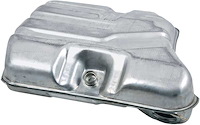
OER
FT4012A Fuel Tank 1975-76 Impala, Bel Air, Caprice, Estate Wagon, Bonneville, Grand Safari; Station Wagon; Zinc Coated; w/ Neck;
Part Number: 691-FT4012A
Ships TomorrowFree shippingLowest Price Guarantee
OER
FT4021A 1977-89 Impala, Caprice, Pontiac, Cadillac; Fuel Tank; Without Filler Neck; GM4B; Zinc Coated; 24 Gallon; For Fuel Injec
Part Number: 691-FT4021A
Ships TomorrowFree shippingLowest price guarantee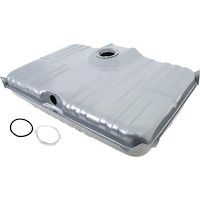
OER
FT4021A 1977-89 Impala, Caprice, Pontiac, Cadillac; Fuel Tank; Without Filler Neck; GM4B; Zinc Coated; 24 Gallon; For Fuel Injec
Part Number: 691-FT4021A
Ships TomorrowFree shippingLowest Price Guarantee
OER
FT4020A 1977-90 Impala, Caprice, Buick, Oldsmobile, Pontiac, Cadillac; Fuel Tank; Without Filler Neck; GM4A; Zinc Coated; 24 Gal
Part Number: 691-FT4020A
Ships TomorrowFree shippingLowest price guarantee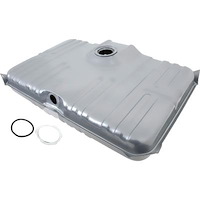
OER
FT4020A 1977-90 Impala, Caprice, Buick, Oldsmobile, Pontiac, Cadillac; Fuel Tank; Without Filler Neck; GM4A; Zinc Coated; 24 Gal
Part Number: 691-FT4020A
Ships TomorrowFree shippingLowest Price Guarantee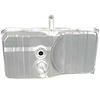



OER
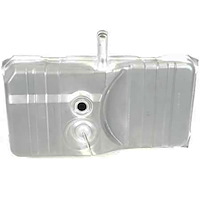
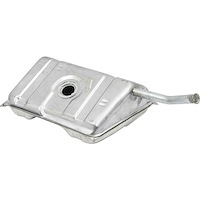
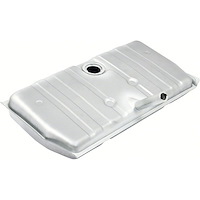
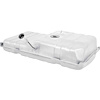
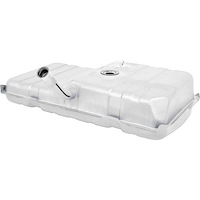
Zinc Coated Steel Fuel Tank 1959-1960 Bel Air, Biscayne, Del Ray, Impala
Part Number: 691-FT4001A
Ships TomorrowFree shippingLowest price guarantee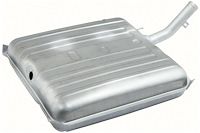
OER
Zinc Coated Steel Fuel Tank 1959-1960 Bel Air, Biscayne, Del Ray, Impala
Part Number: 691-FT4001A
Ships TomorrowFree shippingLowest Price Guarantee
OER
FT4001B Fuel Tank 1959-60 Impala, Bel Air, Biscayne; NiTerne Coated; with Neck; 16 Gallon
Part Number: 691-FT4001B
Ships TomorrowFree shippingLowest price guarantee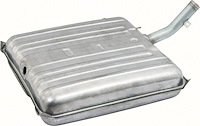
OER
FT4001B Fuel Tank 1959-60 Impala, Bel Air, Biscayne; NiTerne Coated; with Neck; 16 Gallon
Part Number: 691-FT4001B
Ships TomorrowFree shippingLowest Price Guarantee
OER
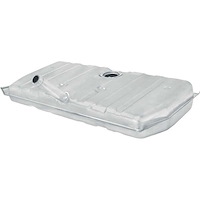
FT4023A 1977-90 Impala, Caprice, Buick, Oldsmobile, Pontiac, Wagon, 1978-87 El Camino, Caballero; Fuel Tank; Zinc; Without Fille
Part Number: 691-FT4023A
Ships TomorrowFree shippingLowest price guarantee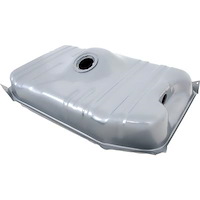
OER
FT4023A 1977-90 Impala, Caprice, Buick, Oldsmobile, Pontiac, Wagon, 1978-87 El Camino, Caballero; Fuel Tank; Zinc; Without Fille
Part Number: 691-FT4023A
Ships TomorrowFree shippingLowest Price Guarantee

![Fuel Tank Fits Select 1992-1997 Chevrolet Blazer, Tahoe, GMC Yukon w/Fuel Injection [30-Gallon]](https://www.jegs.com/images/mini_100/500/555/555-78208.jpg)
JEGS
Fuel Tank Fits Select 1992-1997 Chevrolet Blazer, Tahoe, GMC Yukon w/Fuel Injection [30-Gallon]
Part Number: 555-78208
Ships on 01/25/2027Lowest price guarantee![Fuel Tank Fits Select 1992-1997 Chevrolet Blazer, Tahoe, GMC Yukon w/Fuel Injection [30-Gallon]](https://www.jegs.com/images/mini_200/500/555/555-78208.jpg)
JEGS
Fuel Tank Fits Select 1992-1997 Chevrolet Blazer, Tahoe, GMC Yukon w/Fuel Injection [30-Gallon]
Part Number: 555-78208
Ships on 01/25/2027Lowest Price Guarantee
![Fuel Tank for 1955-1956 Chevrolet Bel Air, 150, 210 Sedan, w/Round Corners [16-Gallon]](https://www.jegs.com/images/mini_100/500/555/555-96817.jpg)
JEGS
Fuel Tank for 1955-1956 Chevrolet Bel Air, 150, 210 Sedan, w/Round Corners [16-Gallon]
Part Number: 555-96817
Ships TodayLowest price guarantee![Fuel Tank for 1955-1956 Chevrolet Bel Air, 150, 210 Sedan, w/Round Corners [16-Gallon]](https://www.jegs.com/images/mini_200/500/555/555-96817.jpg)
JEGS
Fuel Tank for 1955-1956 Chevrolet Bel Air, 150, 210 Sedan, w/Round Corners [16-Gallon]
Part Number: 555-96817
Ships TodayLowest Price Guarantee![Fuel Tank for 1964-1967 Chevrolet Chevelle, Malibu w/Fuel Injection [20-Gallon]](https://www.jegs.com/images/mini_100/500/555/555-81891.jpg)
JEGS
Fuel Tank for 1964-1967 Chevrolet Chevelle, Malibu w/Fuel Injection [20-Gallon]
Part Number: 555-81891
Ships on 12/14/2026Lowest price guarantee![Fuel Tank for 1964-1967 Chevrolet Chevelle, Malibu w/Fuel Injection [20-Gallon]](https://www.jegs.com/images/mini_200/500/555/555-81891.jpg)
JEGS
Fuel Tank for 1964-1967 Chevrolet Chevelle, Malibu w/Fuel Injection [20-Gallon]
Part Number: 555-81891
Ships on 12/14/2026Lowest Price Guarantee![Fuel Tank Sending Unit for Select 1958-1960 Chevrolet Full Size Cars [3/8 in. Dia. Inlet]](https://www.jegs.com/images/mini_100/500/555/555-91675.jpg)
JEGS
Fuel Tank Sending Unit for Select 1958-1960 Chevrolet Full Size Cars [3/8 in. Dia. Inlet]
Part Number: 555-91675
Ships TodayLowest price guarantee![Fuel Tank Sending Unit for Select 1958-1960 Chevrolet Full Size Cars [3/8 in. Dia. Inlet]](https://www.jegs.com/images/mini_200/500/555/555-91675.jpg)
JEGS
Fuel Tank Sending Unit for Select 1958-1960 Chevrolet Full Size Cars [3/8 in. Dia. Inlet]
Part Number: 555-91675
Ships TodayLowest Price Guarantee![Fuel Tank for 1978-1981 Chevrolet Camaro, 1978-1981 Pontiac Firebird w/Fuel Injection [21-Gallon]](https://www.jegs.com/images/mini_100/500/555/555-81890.jpg)
JEGS
Fuel Tank for 1978-1981 Chevrolet Camaro, 1978-1981 Pontiac Firebird w/Fuel Injection [21-Gallon]
Part Number: 555-81890
Ships TodayLowest price guarantee![Fuel Tank for 1978-1981 Chevrolet Camaro, 1978-1981 Pontiac Firebird w/Fuel Injection [21-Gallon]](https://www.jegs.com/images/mini_200/500/555/555-81890.jpg)
JEGS
Fuel Tank for 1978-1981 Chevrolet Camaro, 1978-1981 Pontiac Firebird w/Fuel Injection [21-Gallon]
Part Number: 555-81890
Ships TodayLowest Price Guarantee![Fuel Tank Sending Unit for 1961-1964 Chevrolet Impala [Full Size Except Wagon]](https://www.jegs.com/images/mini_100/500/555/555-78831.jpg)
JEGS
Fuel Tank Sending Unit for 1961-1964 Chevrolet Impala [Full Size Except Wagon]
Part Number: 555-78831
Ships TodayLowest price guarantee![Fuel Tank Sending Unit for 1961-1964 Chevrolet Impala [Full Size Except Wagon]](https://www.jegs.com/images/mini_200/500/555/555-78831.jpg)
JEGS
Fuel Tank Sending Unit for 1961-1964 Chevrolet Impala [Full Size Except Wagon]
Part Number: 555-78831
Ships TodayLowest Price GuaranteeFrequently Asked Questions About Fuel Tank Parts
What are the main parts of a fuel tank?
The main parts are the tank shell, filler neck, gas cap, vent, fuel sending unit, pickup and mounting straps. The sender reports fuel level, and the pickup draws fuel to the pump. The straps hold everything in place.
Can you repair a fuel tank instead of replacing it?
You can repair some tanks by cleaning and sealing them if the metal is still sound. A tank with heavy rust, pinholes or seam damage is usually safer to replace. A direct-fit replacement tank saves time and removes the guesswork.
What are common fuel tank problems?
Common problems include rust and debris, leaking seams, a failed sending unit, a blocked vent and worn filler hoses. Debris can clog the pickup and starve the pump. A blocked vent can pull a vacuum that makes the engine stall.
How do I know if my fuel sending unit is bad?
A bad sender often shows up as a gauge that reads empty, sticks on full or jumps around. Check the wiring and ground first, then measure the sender's resistance with an ohmmeter as you move the float. If the reading doesn't sweep smoothly through the rated range, replace the sender.
Do I need a vented or non-vented gas cap?
It depends on how your tank vents. If the tank has a separate vent line or an evaporative system, it usually uses a non-vented cap. If the tank has no other vent, you need a vented cap so air can replace the fuel your engine draws out.