Sign up now to join the JEGS email newsletter and be the first to learn about new products, special deals and e-mail only offers!

 2 People Found This Article Helpful
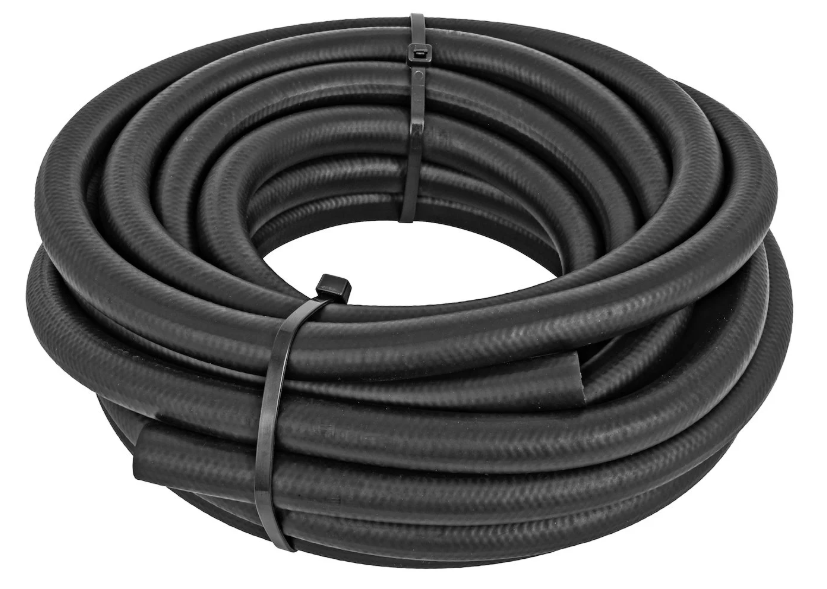

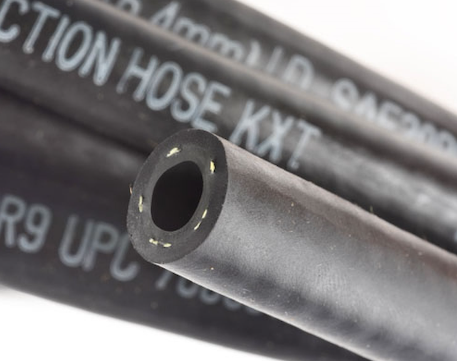
Rubber fuel lines are easy to overlook, but they play a critical role in delivering fuel safely from the tank to the engine. Over time, heat, pressure, vibration, and exposure to modern fuel blends can cause rubber fuel hoses to deteriorate. Knowing how often to replace rubber fuel lines can help prevent fuel leaks, drivability issues, and potential safety hazards.
This guide explains what affects fuel hose lifespan, warning signs of deterioration, and when replacement is recommended.
There is no single mileage interval that applies to every vehicle. In many factory applications, rubber fuel lines can last 8 to 15 years under normal driving conditions. However, age is often a more important factor than mileage.
Performance vehicles, off road builds, and cars that sit for extended periods may see faster deterioration. Exposure to ethanol blended fuels can also shorten the life of older rubber hoses that were not designed for modern fuel formulations.
If your vehicle is more than 10 years old and still has original rubber fuel lines, inspection and possible replacement should be considered.
Rubber fuel hoses are constantly exposed to fuel pressure and temperature changes. Over time, the rubber can harden, crack, or become brittle. Heat from the engine bay accelerates this process.
Ethanol in modern gasoline can also break down older rubber compounds, leading to softening, swelling, or internal degradation. This can cause fuel seepage or restricted flow.
Vibration and movement under the hood further stress fuel hoses, especially near fittings and connection points.
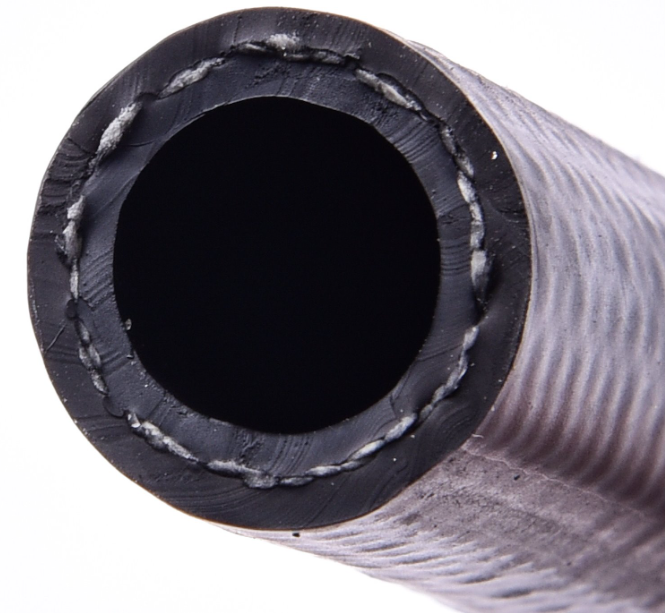
Visible cracking or dry rot is one of the most obvious signs of aging fuel hoses. If the outer surface looks brittle or shows small cracks, replacement is recommended.
A strong fuel smell in the engine bay or near the vehicle can indicate a small leak or seepage from deteriorated hoses. Wet spots around hose connections or clamps are also warning signs.
In some cases, poor engine performance or hesitation can result from restricted or collapsing fuel lines, especially in older vehicles.
Sign up now to join the JEGS email newsletter and be the first to learn about new products, special deals and e-mail only offers!
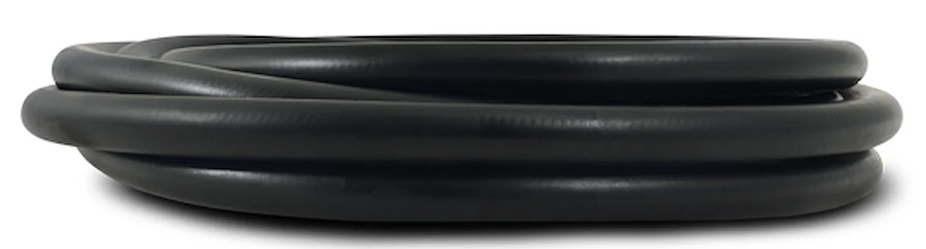
Preventive replacement of rubber fuel lines is often a smart investment, particularly on older vehicles or performance builds. Fuel leaks pose a serious fire risk, especially in high temperature engine compartments.
Upgrading to modern fuel hose rated for ethanol and higher pressure systems adds an extra layer of protection and durability. For modified engines with upgraded fuel pumps or increased fuel pressure, stronger hose materials may be required.
Not all rubber fuel lines are the same. It is important to select hose that is rated for your vehicle’s fuel system pressure and compatible with ethanol blended fuels.
For carbureted systems, lower pressure fuel hose may be sufficient. Fuel injected applications require hose rated for higher pressure. Always verify hose specifications before installation.
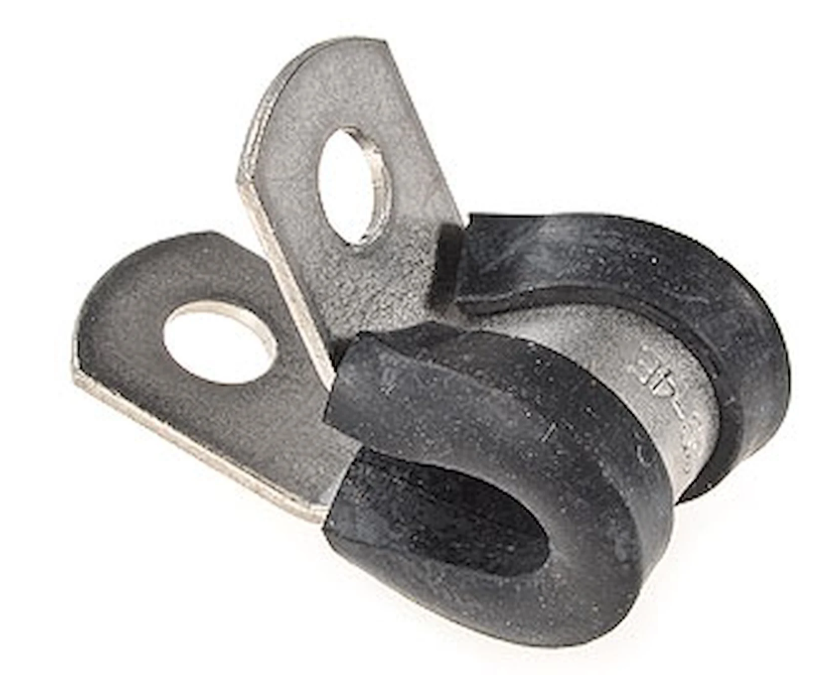
Proper clamps and secure routing are just as important as the hose itself. Avoid routing fuel lines near sharp edges or excessive heat sources.
Regular visual inspection is the best way to monitor fuel hose condition. Check for cracks, swelling, soft spots, or loose connections. Inspect areas near the fuel tank, along the frame, and in the engine bay.
If you notice any signs of wear, it is best to replace the affected hose rather than wait for a leak to develop.
Replacing aging rubber fuel lines helps protect your engine, improve reliability, and reduce fire risk. At www.jegs.com, you will find a wide selection of fuel hoses, fittings, clamps, and fuel system components designed for street and performance vehicles.
If you are unsure which fuel line is correct for your application or whether your current hoses should be replaced, the JEGS Tech Specialists are available to help you choose the right components and keep your fuel system operating safely.




Leave a Reply