


 Order Status & Returns
 Gift Cards
 Help Center
 1-800-345-4545
Fuel Line Connectors & Hose Fittings
Fuel line fittings connect your fuel system's hoses, pumps, rails, and regulators so fuel moves cleanly from tank to engine. This category brings together AN adapters, quick-connect fittings, hose barbs, NPT adapters, bulkhead fittings, braided and nylon fuel line, and complete line kits in one place. Shop here to match the right fitting size, thread, and material to your build without guessing.
Show More
What Types of Fuel Line Fittings Are Available?
You'll find every major fuel fitting style here, each built for a specific type of connection and pressure. The right choice depends on how your lines route and what components you're joining.
These are the core fuel line fittings and adapters you can shop by type:
- AN fittings: Army-Navy fittings with a 37-degree flare for leak-free, reusable connections on braided and PTFE hose.
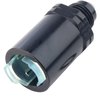
- Quick-connect fittings: push-to-connect designs that speed up assembly and service on OE-style lines.
- Hose barb fittings: ribbed ends that grip rubber or nylon hose with a clamp for low-pressure runs.
- NPT adapters: tapered pipe-thread fittings that connect to pumps, rails, and regulators.
- Bulkhead fittings: pass-through fittings that seal a line where it crosses a panel or tank wall.
Ready to buy? Browse fuel line fittings and adapters by type, and if you're new to AN ends, read how to assemble AN fittings and hose assemblies before you start.
Understanding Fuel Line Fitting Sizes and Threads
AN sizing is simple once you know the rule: the AN number equals how many 1/16-inch increments make up the hose inside diameter. A -6 AN fitting equals 6/16", or 3/8", so the number tells you the bore, not the thread. That makes it easy to match a fitting to the hose you already run.
NPT is different. It's a tapered pipe thread that wedges tighter as you tighten it, sealing against pumps, filters, and regulators that use pipe ports. Because AN and NPT threads don't interchange, fuel line adapters let you step cleanly between the two systems.
Most street and performance fuel systems run common fuel line sizes like 5/16" and 3/8", which line up with -5 and -6 AN. Bigger builds and forced-induction setups often move up to -8 AN or larger to feed the added flow. For the full breakdown, check our guide to AN fitting and hose sizes and match every line on your car.
Fuel Lines, Hoses, and Complete Line Kits
Your line choice comes down to fuel type, pressure, and how the run is exposed. JEGS carries braided fuel line, nylon tubing, PTFE-lined hose, pre-bent OE-style steel and stainless lines, and complete kits, so you can match the line to the job.
Braided stainless steel hose resists abrasion and high-pressure fuel, which makes it a strong pick for EFI and forced-induction builds. Nylon tubing is light and flexible for low-pressure return and vent lines. PTFE-lined hose handles ethanol blends and modern fuels that break down standard rubber.
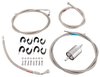
If you'd rather not measure and bend from scratch, pre-bent lines and complete fuel line kits give you a ready-to-install path with the fittings included. Browse our fuel lines and line kits to find the material and length your project needs, then add the adapters to finish the run.
Fuel Distribution Blocks, Hardware, and Retainers
Once your main lines are set, distribution blocks and hardware keep everything organized and secure. These parts split flow, mount your lines, and lock quick-connect ends in place so the whole system stays tidy and leak-free.
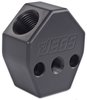
Fuel distribution blocks take a single feed and split it to multiple outlets, which is handy for dual-carb setups or feeding several injectors from one line. Shop our fuel distribution blocks to balance flow across your system without extra plumbing.
Fuel line hardware and retainers cover the clips, clamps, brackets, and O-rings that hold lines in place and keep connections tight. Grab the fuel line hardware and retainers you need so nothing rubs, rattles, or leaks on the road. To see how these parts fit the bigger picture, start from the Fittings & Hose category and shop the full plumbing lineup.
Which Fuel Line Fitting Brands Does JEGS Carry?
JEGS stocks fuel line fittings from trusted performance-plumbing brands, so you can build with parts that fit and seal as designed. Each brand has a focus, which makes it easier to match parts to your project.
Earl's Performance Plumbing offers a deep catalog of AN fittings, adapters, and hose for street and race builds. Jiffy-tite specializes in quick-connect fuel line fittings that make assembly and service fast without sacrificing a secure seal. Fragola Performance Systems rounds things out with AN fittings, hose ends, and adapters engineered for high-pressure fuel and demanding setups.
Mixing brands is fine as long as the AN sizes and thread types match across every connection. Pick the brand that fits your budget and system, then add the fittings, lines, and hardware you need to complete your order and finish the run.

ADD A VEHICLE TO GUARANTEE PARTS FIT
See products that fit

RIGHT STUFF
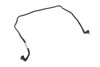
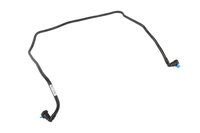
67 5/16 Before 2/1/67 - Front to Rear Fuel Line - Stainless
Part Number: 965-ZGL6712S
 Ships TomorrowFree shipping
 Lowest price guarantee
RIGHT STUFF
67 5/16 Before 2/1/67 - Front to Rear Fuel Line - Stainless
Part Number: 965-ZGL6712S
Ships TomorrowFree shippingLowest Price Guarantee![Fuel Line Kit, Fuel Pump to Carburetor for Select 1969 Chevrolet Models with 350 Quadra-Jet 4-bbl Engine [Stainless Steel]](https://www.jegs.com/images/mini_100/500/555/555-13165.jpg)
JEGS
Fuel Line Kit, Fuel Pump to Carburetor for Select 1969 Chevrolet Models with 350 Quadra-Jet 4-bbl Engine [Stainless Steel]
Part Number: 555-13165
Ships on 10/15/2026Lowest price guarantee![Fuel Line Kit, Fuel Pump to Carburetor for Select 1969 Chevrolet Models with 350 Quadra-Jet 4-bbl Engine [Stainless Steel]](https://www.jegs.com/images/mini_200/500/555/555-13165.jpg)
JEGS
Fuel Line Kit, Fuel Pump to Carburetor for Select 1969 Chevrolet Models with 350 Quadra-Jet 4-bbl Engine [Stainless Steel]
Part Number: 555-13165
Ships on 10/15/2026Lowest Price Guarantee![Fuel Line, Fuel Pump to Carburetor for Select 1964 Chevrolet Models with 327 4-bbl Engine 250 HP [Stainless Steel]](https://www.jegs.com/images/mini_100/500/555/555-13189.jpg)
JEGS
Fuel Line, Fuel Pump to Carburetor for Select 1964 Chevrolet Models with 327 4-bbl Engine 250 HP [Stainless Steel]
Part Number: 555-13189
Ships on 10/16/2026Lowest price guarantee![Fuel Line, Fuel Pump to Carburetor for Select 1964 Chevrolet Models with 327 4-bbl Engine 250 HP [Stainless Steel]](https://www.jegs.com/images/mini_200/500/555/555-13189.jpg)
JEGS
Fuel Line, Fuel Pump to Carburetor for Select 1964 Chevrolet Models with 327 4-bbl Engine 250 HP [Stainless Steel]
Part Number: 555-13189
Ships on 10/16/2026Lowest Price Guarantee![Fuel Line, Fuel Pump to Carburetor for Select 1965 Chevrolet Models with 283 2-bbl Engine [Stainless Steel]](https://www.jegs.com/images/mini_100/500/555/555-13191.jpg)
JEGS
Fuel Line, Fuel Pump to Carburetor for Select 1965 Chevrolet Models with 283 2-bbl Engine [Stainless Steel]
Part Number: 555-13191
Ships on 10/14/2026Lowest price guarantee![Fuel Line, Fuel Pump to Carburetor for Select 1965 Chevrolet Models with 283 2-bbl Engine [Stainless Steel]](https://www.jegs.com/images/mini_200/500/555/555-13191.jpg)
JEGS
Fuel Line, Fuel Pump to Carburetor for Select 1965 Chevrolet Models with 283 2-bbl Engine [Stainless Steel]
Part Number: 555-13191
Ships on 10/14/2026Lowest Price Guarantee
![Complete Fuel Line Kit for 2004-2010 GM 2500, 3500 HD 6.0L Gas w/Regular Cab, Long Bed [Stainless Steel]](https://www.jegs.com/images/mini_100/500/555/555-636190.jpg)
JEGS
Complete Fuel Line Kit for 2004-2010 GM 2500, 3500 HD 6.0L Gas w/Regular Cab, Long Bed [Stainless Steel]
Part Number: 555-636190
Ships TodayLowest price guarantee![Complete Fuel Line Kit for 2004-2010 GM 2500, 3500 HD 6.0L Gas w/Regular Cab, Long Bed [Stainless Steel]](https://www.jegs.com/images/mini_200/500/555/555-636190.jpg)
JEGS
Complete Fuel Line Kit for 2004-2010 GM 2500, 3500 HD 6.0L Gas w/Regular Cab, Long Bed [Stainless Steel]
Part Number: 555-636190
Ships TodayLowest Price Guarantee
![Quick-Fix Fuel Line Master Kit for 2001-2010 GM 2500HD, 3500, 3500HD Extended Cab Trucks w/Duramax Diesel [Braided Stainless]](https://www.jegs.com/images/mini_100/500/555/555-13554k.jpg)
JEGS
Quick-Fix Fuel Line Master Kit for 2001-2010 GM 2500HD, 3500, 3500HD Extended Cab Trucks w/Duramax Diesel [Braided Stainless]
Part Number: 555-13554K
Ships on 10/26/2026Lowest price guarantee![Quick-Fix Fuel Line Master Kit for 2001-2010 GM 2500HD, 3500, 3500HD Extended Cab Trucks w/Duramax Diesel [Braided Stainless]](https://www.jegs.com/images/mini_200/500/555/555-13554k.jpg)
JEGS
Quick-Fix Fuel Line Master Kit for 2001-2010 GM 2500HD, 3500, 3500HD Extended Cab Trucks w/Duramax Diesel [Braided Stainless]
Part Number: 555-13554K
Ships on 10/26/2026Lowest Price Guarantee![Main Front-to-Rear Fuel Line for 1969 Chevrolet Chevelle, Malibu Hardtop [5/16 in. O.D., Stainless Steel]](https://www.jegs.com/images/mini_100/500/555/555-13125.jpg)
JEGS
Main Front-to-Rear Fuel Line for 1969 Chevrolet Chevelle, Malibu Hardtop [5/16 in. O.D., Stainless Steel]
Part Number: 555-13125
Ships on 10/15/2026Lowest price guarantee![Main Front-to-Rear Fuel Line for 1969 Chevrolet Chevelle, Malibu Hardtop [5/16 in. O.D., Stainless Steel]](https://www.jegs.com/images/mini_200/500/555/555-13125.jpg)
JEGS
Main Front-to-Rear Fuel Line for 1969 Chevrolet Chevelle, Malibu Hardtop [5/16 in. O.D., Stainless Steel]
Part Number: 555-13125
Ships on 10/15/2026Lowest Price Guarantee![Fuel Vapor Return Line for 1969 Chevrolet Chevelle, Malibu, SS Convertible [1/4 in. O.D., Steel]](https://www.jegs.com/images/mini_100/500/555/555-13132.jpg)
JEGS
Fuel Vapor Return Line for 1969 Chevrolet Chevelle, Malibu, SS Convertible [1/4 in. O.D., Steel]
Part Number: 555-13132
Ships on 10/16/2026Lowest price guarantee![Fuel Vapor Return Line for 1969 Chevrolet Chevelle, Malibu, SS Convertible [1/4 in. O.D., Steel]](https://www.jegs.com/images/mini_200/500/555/555-13132.jpg)
JEGS
Fuel Vapor Return Line for 1969 Chevrolet Chevelle, Malibu, SS Convertible [1/4 in. O.D., Steel]
Part Number: 555-13132
Ships on 10/16/2026Lowest Price Guarantee![Complete Fuel Line Kit for 2004-2007 H2 Hummer [Stainless Steel]](https://www.jegs.com/images/mini_100/500/555/555-13642.jpg)
JEGS
Complete Fuel Line Kit for 2004-2007 H2 Hummer [Stainless Steel]
Part Number: 555-13642
Ships TodayLowest price guarantee![Complete Fuel Line Kit for 2004-2007 H2 Hummer [Stainless Steel]](https://www.jegs.com/images/mini_200/500/555/555-13642.jpg)
JEGS
Complete Fuel Line Kit for 2004-2007 H2 Hummer [Stainless Steel]
Part Number: 555-13642
Ships TodayLowest Price Guarantee![Complete Fuel Line Kit for 1990-1991 K5 Blazer [Stainless Steel]](https://www.jegs.com/images/mini_100/500/555/555-13646.jpg)
JEGS
Complete Fuel Line Kit for 1990-1991 K5 Blazer [Stainless Steel]
Part Number: 555-13646
Ships TodayLowest price guarantee![Complete Fuel Line Kit for 1990-1991 K5 Blazer [Stainless Steel]](https://www.jegs.com/images/mini_200/500/555/555-13646.jpg)
JEGS
Complete Fuel Line Kit for 1990-1991 K5 Blazer [Stainless Steel]
Part Number: 555-13646
Ships TodayLowest Price Guarantee![Complete Fuel Line Kit for 1998-2004 Chevy S-10 ZR2 4WD [Stainless Steel]](https://www.jegs.com/images/mini_100/500/555/555-13652.jpg)
JEGS
Complete Fuel Line Kit for 1998-2004 Chevy S-10 ZR2 4WD [Stainless Steel]
Part Number: 555-13652
Ships on 10/26/2026Lowest price guarantee![Complete Fuel Line Kit for 1998-2004 Chevy S-10 ZR2 4WD [Stainless Steel]](https://www.jegs.com/images/mini_200/500/555/555-13652.jpg)
JEGS
Complete Fuel Line Kit for 1998-2004 Chevy S-10 ZR2 4WD [Stainless Steel]
Part Number: 555-13652
Ships on 10/26/2026Lowest Price Guarantee![Complete Fuel Line Kit for 1998-2005 Chevy Blazer ZR2 [Stainless Steel]](https://www.jegs.com/images/mini_100/500/555/555-13653.jpg)
JEGS
Complete Fuel Line Kit for 1998-2005 Chevy Blazer ZR2 [Stainless Steel]
Part Number: 555-13653
Ships on 10/14/2026Lowest price guarantee![Complete Fuel Line Kit for 1998-2005 Chevy Blazer ZR2 [Stainless Steel]](https://www.jegs.com/images/mini_200/500/555/555-13653.jpg)
JEGS
Complete Fuel Line Kit for 1998-2005 Chevy Blazer ZR2 [Stainless Steel]
Part Number: 555-13653
Ships on 10/14/2026Lowest Price Guarantee![Quick-Fix Complete Fuel Line Kit for 2005-2009 Chevy Equinox [Braided Stainless]](https://www.jegs.com/images/mini_100/500/555/555-13658.jpg)
JEGS
Quick-Fix Complete Fuel Line Kit for 2005-2009 Chevy Equinox [Braided Stainless]
Part Number: 555-13658
Ships on 10/14/2026Lowest price guarantee![Quick-Fix Complete Fuel Line Kit for 2005-2009 Chevy Equinox [Braided Stainless]](https://www.jegs.com/images/mini_200/500/555/555-13658.jpg)
JEGS
Quick-Fix Complete Fuel Line Kit for 2005-2009 Chevy Equinox [Braided Stainless]
Part Number: 555-13658
Ships on 10/14/2026Lowest Price Guarantee![Main Front-to-Rear Fuel Line for 1962-1967 Chevrolet Chevy II/Nova with 8-Cylinder Engine [5/16 in. O.D., Stainless Steel]](https://www.jegs.com/images/mini_100/500/555/555-13660.jpg)
JEGS
Main Front-to-Rear Fuel Line for 1962-1967 Chevrolet Chevy II/Nova with 8-Cylinder Engine [5/16 in. O.D., Stainless Steel]
Part Number: 555-13660
Ships TodayLowest price guarantee![Main Front-to-Rear Fuel Line for 1962-1967 Chevrolet Chevy II/Nova with 8-Cylinder Engine [5/16 in. O.D., Stainless Steel]](https://www.jegs.com/images/mini_200/500/555/555-13660.jpg)
JEGS
Main Front-to-Rear Fuel Line for 1962-1967 Chevrolet Chevy II/Nova with 8-Cylinder Engine [5/16 in. O.D., Stainless Steel]
Part Number: 555-13660
Ships TodayLowest Price Guarantee![Fuel Return Line for 1970-1972 Buick Skylark, GS w/Hardtop [1/4 in. O.D., Stainless Steel]](https://www.jegs.com/images/mini_100/500/555/555-13770.jpg)
JEGS
Fuel Return Line for 1970-1972 Buick Skylark, GS w/Hardtop [1/4 in. O.D., Stainless Steel]
Part Number: 555-13770
Ships on 10/22/2026Lowest price guarantee![Fuel Return Line for 1970-1972 Buick Skylark, GS w/Hardtop [1/4 in. O.D., Stainless Steel]](https://www.jegs.com/images/mini_200/500/555/555-13770.jpg)
JEGS
Fuel Return Line for 1970-1972 Buick Skylark, GS w/Hardtop [1/4 in. O.D., Stainless Steel]
Part Number: 555-13770
Ships on 10/22/2026Lowest Price Guarantee![Fuel Line Kit, Fuel Pump to Carburetor for Select 1964-1966 Buick 425 2x4 Models [Stainless Steel]](https://www.jegs.com/images/mini_100/500/555/555-13819.jpg)
JEGS
Fuel Line Kit, Fuel Pump to Carburetor for Select 1964-1966 Buick 425 2x4 Models [Stainless Steel]
Part Number: 555-13819
Ships on 10/16/2026Lowest price guarantee![Fuel Line Kit, Fuel Pump to Carburetor for Select 1964-1966 Buick 425 2x4 Models [Stainless Steel]](https://www.jegs.com/images/mini_200/500/555/555-13819.jpg)
JEGS
Fuel Line Kit, Fuel Pump to Carburetor for Select 1964-1966 Buick 425 2x4 Models [Stainless Steel]
Part Number: 555-13819
Ships on 10/16/2026Lowest Price Guarantee![Fuel Line, Fuel Pump to Carburetor Set for 1969-1970 Buick Skylark with 350 Quadra-jet 4-bbl Eng. [Stainless Steel]](https://www.jegs.com/images/mini_100/500/555/555-13827.jpg)
JEGS
Fuel Line, Fuel Pump to Carburetor Set for 1969-1970 Buick Skylark with 350 Quadra-jet 4-bbl Eng. [Stainless Steel]
Part Number: 555-13827
Ships on 10/20/2026Lowest price guarantee![Fuel Line, Fuel Pump to Carburetor Set for 1969-1970 Buick Skylark with 350 Quadra-jet 4-bbl Eng. [Stainless Steel]](https://www.jegs.com/images/mini_200/500/555/555-13827.jpg)
JEGS
Fuel Line, Fuel Pump to Carburetor Set for 1969-1970 Buick Skylark with 350 Quadra-jet 4-bbl Eng. [Stainless Steel]
Part Number: 555-13827
Ships on 10/20/2026Lowest Price GuaranteeFrequently Asked Questions About Fuel Line Fittings
What are fuel line fittings called?
Fuel line fittings go by several names depending on their design, including AN fittings, hose ends, adapters, unions, and couplers. AN fittings are also called Army-Navy or 37-degree flare fittings. Quick-connect versions are sometimes called push-connect or push-lock fittings. The name usually points to how the fitting seals or connects.
Can I use compression fittings on a fuel line?
Compression fittings can work on some low-pressure metal fuel lines, but they aren't the best choice for high-pressure or vibration-heavy setups. Many builders prefer AN or quick-connect fittings because they seal more reliably and come apart for service. If you do use a compression fitting, match it to the exact line size and confirm it's rated for fuel.
Are brass fittings safe for fuel lines?
Brass fittings are safe for gasoline and many fuel applications, and they resist corrosion well. Keep in mind that brass suits lower-pressure connections better than high-pressure EFI systems. For E85 and ethanol blends, confirm the fitting is rated for that fuel before you install it.
Is it okay to use a rubber hose for a fuel line?
Rubber hose is fine for fuel as long as it's fuel-rated and matched to your system's pressure. Standard rubber can break down with ethanol blends, so choose a hose rated for today's fuels or step up to PTFE-lined line. Always secure rubber hose with proper clamps and keep it away from heat sources.