


 Order Status & Returns
 Gift Cards
 Help Center
 1-800-345-4545

Cylinder Head Gaskets
Cylinder head gasket options here include multi-layer steel (MLS), composite and copper designs for street, race, diesel and marine engines. You can buy complete head gasket sets for a top-end refresh or individual gaskets when you only need to seal the heads. With more than 700 listings, you can match a gasket to your engine, compression target and power level in one place.
Show More
Which Cylinder Head Gasket Material Is Right for Your Engine?
Pick the material that matches your deck finish, your cylinder pressure and the metals in your heads and block. MLS fits most performance builds, composite suits stock-style rebuilds, and copper handles extreme cylinder pressure.
Here's how the three main gasket types compare:
- Multi-layer steel gaskets use three to five stainless steel layers and handle the expansion difference between an iron block and aluminum heads.
- Composite gaskets combine fiber and foil layers with a steel fire ring and tolerate rougher deck finishes.
- Copper gaskets are often paired with stainless O-rings for extreme cylinder pressure in classes like Top Fuel and Pro Mod.
MLS gaskets need a smoother surface, with finishes under 30 Ra commonly cited, so plan your machine work before you order. Mixing metals? Read our guide to aluminum vs. cast iron cylinder heads to see how each material behaves. Then compare cylinder heads and engine blocks so your gasket choice fits the whole short block and top end.
How Does Head Gasket Thickness Affect Compression?
A thicker head gasket lowers your compression ratio, and a thinner one raises it. Thickness is listed as compressed thickness, the height after the head is torqued down, so use that number in your compression math.
Gasket thickness also changes the distance between the piston crown and the combustion chamber. That gap affects quench and piston-to-head clearance, so check both before you go thinner on a high-compression engine. If you want a refresher on what a cylinder head does, read it before you run the numbers.
Running boost or nitrous oxide systems? Many builders step up to a thicker gasket to drop static compression and leave room for timing. On V-type engines, a change in gasket thickness or milled heads can shift port alignment with the intake. Check the fit and pick matching intake manifold gaskets so the ports seal cleanly.
Head Gasket Sets vs. Individual Performance Head Gaskets
Buy a head gasket set when you're pulling the heads for a refresh. Buy individual gaskets when you need a specific bore, compressed thickness or material for a performance build.
A head gasket set bundles the head gaskets with the companion gaskets and seals you need to reseal the top end. That saves you from tracking down each piece and helps you avoid a missing seal on reassembly day. JEGS head gasket sets cover popular applications like 1957-1980 Small Block Chevy engines with part 555-210046.
Individual performance head gaskets give you more control. You can pick the bore size and thickness that fit your pistons, deck height and compression target. On a V-type engine, order one per bank.
Doing a complete teardown instead? Full gasket sets cover the whole engine in one box. For oil pan, timing cover and other sealing jobs, browse all engine gaskets & seals.
Head Gasket Brands for Street, Race and Diesel Engines
Start with the brand that lists your exact engine family, then narrow by material, bore and compressed thickness. Brand matters less than an exact fit for your build.
Fel-Pro covers a wide range of applications in this category. You'll find PermaTorque gaskets for street rebuilds, marine gaskets and diesel options for 5.9L and 6.9L engines. Fel-Pro also lists gaskets for V6 and V10 engines and imports from Nissan, Hyundai and Kia.
For custom performance and race builds, compare Cometic Gaskets and SCE Gaskets listings side by side. Check the material, bore size and thickness against your piston and deck specs before you order. Mr. Gasket listings add another option to compare for street engines.
Whichever brand you choose, confirm the gasket matches your block and head combination. A gasket built for one bore size or bolt pattern won't seal correctly on another, even within the same engine family.
How Do You Prep and Install a Head Gasket?
Start with clean, flat, dry surfaces and torque to the gasket maker's spec in the correct sequence. Replace worn engine fasteners like head bolts and studs so clamping force stays consistent across the deck.
Follow these steps for a reliable seal:
- Remove old gasket material, oil and coolant from the deck and head surfaces.
- Check both surfaces for flatness and confirm the finish suits your gasket material.
- Chase the bolt holes and clean the threads so torque readings stay accurate.
- Install the gasket dry unless the manufacturer calls for a coating.
- Torque in the specified sequence and steps, since torque values can change with gasket type.
Our guide on how to clean cylinder heads walks you through surface prep. Retorque requirements vary by gasket type, so check the instructions before first startup. After you fire it up, bring the engine to operating temperature and watch the deck joint for coolant or oil seepage.

ADD A VEHICLE TO GUARANTEE PARTS FIT
See products that fit

ADD A VEHICLE TO GUARANTEE PARTS FIT
See products that fit
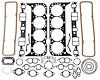
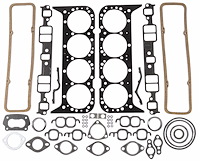
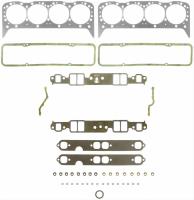
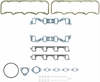
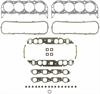
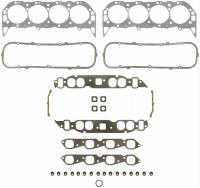
FEL-PRO
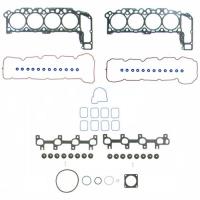
HEAD SET; 1994-1992 AMG L/D V8 379CI 6.2L Diesel; 1993-1982 GMT L/D V8 379CI 6.2L Diesel; 2000-1994
Part Number: 375-HSU8726
 Ships on 11/11/2026
 Lowest price guarantee
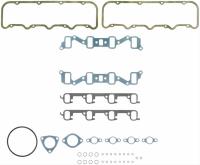
FEL-PRO
HEAD SET; 1994-1992 AMG L/D V8 379CI 6.2L Diesel; 1993-1982 GMT L/D V8 379CI 6.2L Diesel; 2000-1994
Part Number: 375-HSU8726
Ships on 11/11/2026Lowest Price Guarantee
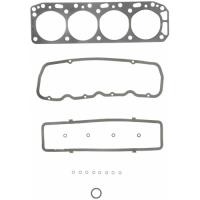


FEL-PRO
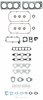
HEAD SET; 1995-1994 CHR V6 2972cc 3.0L DOHC 24 Valve; 1995-1994 MI V6 2972cc 3.0L DOHC 24 Valve; 199
Part Number: 375-HS26186PT
Ships TomorrowLowest price guarantee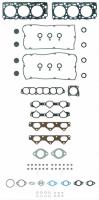
FEL-PRO
HEAD SET; 1995-1994 CHR V6 2972cc 3.0L DOHC 24 Valve; 1995-1994 MI V6 2972cc 3.0L DOHC 24 Valve; 199
Part Number: 375-HS26186PT
Ships TomorrowLowest Price Guarantee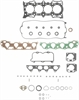





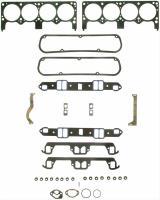
FEL-PRO
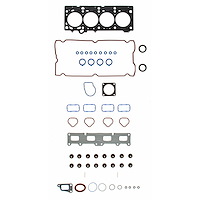
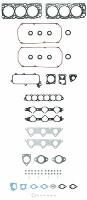
HEAD SET; 1967-1964 GM V8 330CI 5.4L Oldsmobile; 1974-1968 GM V8 350CI 5.7L Oldsmobile; 1976-1975 GM
Part Number: 375-HS8171PT4
Ships TomorrowLowest price guarantee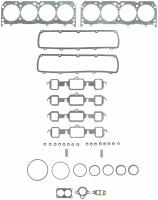
FEL-PRO
HEAD SET; 1967-1964 GM V8 330CI 5.4L Oldsmobile; 1974-1968 GM V8 350CI 5.7L Oldsmobile; 1976-1975 GM
Part Number: 375-HS8171PT4
Ships TomorrowLowest Price Guarantee
FEL-PRO
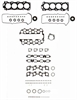
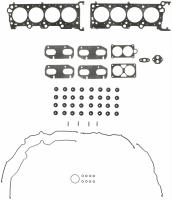
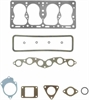
HEAD SET 1945-1940 JEE L/D L4 134CI 2.2L L-Head 1966-1946 JEE L/D L4 134CI 2.2L L-Head 1954-1951 KAI L4 134CI 2.2L L-Head
Part Number: 375-HS7285B
Ships TomorrowLowest price guarantee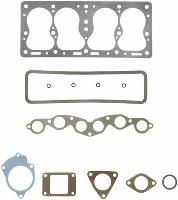
FEL-PRO
HEAD SET 1945-1940 JEE L/D L4 134CI 2.2L L-Head 1966-1946 JEE L/D L4 134CI 2.2L L-Head 1954-1951 KAI L4 134CI 2.2L L-Head
Part Number: 375-HS7285B
Ships TomorrowLowest Price GuaranteeFrequently Asked Questions About Cylinder Head Gaskets
What Does a Cylinder Head Gasket Do?
A cylinder head gasket seals the joint between the cylinder head and the engine block. It keeps combustion pressure in the cylinders and keeps coolant and oil in their own passages.
How Long Does a Head Gasket Last?
A stock head gasket on many late-model engines can last up to about 200,000 miles. Overheating, detonation and added boost or nitrous can shorten that lifespan.
What Are the Signs of a Blown Head Gasket?
Common signs include coolant in the oil, oil in the coolant, a sweet smell from the exhaust and repeated overheating. If you notice any of these, stop driving and diagnose the problem before it damages the engine.
Can You Reuse a Head Gasket?
No, head gaskets are generally single use. They crush during installation to form the seal, so a used gasket can't seal the same way again. Plan on a new gasket every time the heads come off.
Why Do Head Gaskets Fail?
Most failures trace back to overheating, detonation or cylinder pressure from boost or nitrous beyond what the gasket was built for. Improper torque and poorly prepped surfaces can also cause leaks.