


 Order Status & Returns
 Gift Cards
 Help Center
 1-800-345-4545
Exhaust Valves
Exhaust valves seal the combustion chamber and route spent gases out through the exhaust port on every cycle, so they take more heat than any other valve in your engine. This category covers performance and stock-replacement exhaust valves in stainless steel, titanium, and Inconel, sized for small-block and big-block V8s as well as late-model import and domestic engines. Whether you're refreshing a daily driver or building a race motor, you'll find single valves and full sets from trusted engine brands here.
Show More
How Do Exhaust Valves Work?
Exhaust valves open to release burnt gases from the cylinder after combustion, then close to seal the chamber for the next intake and power stroke. A lobe on the camshaft lifts the valve through the lifter, pushrod, and rocker arm, and the valve spring closes it again so the face seats against the cylinder head. Because they sit in the path of gases that run far hotter than the intake side, exhaust valves heat up and wear faster than their intake counterparts. They're also smaller than intake valves, since the outgoing exhaust is under pressure and doesn't need as large an opening to escape. If you're replacing exhaust valves, it's worth inspecting the matching intake valves and the rest of the valvetrain at the same time so the whole cylinder head seals correctly.
What Are Exhaust Valves Made Of?
Exhaust valve material determines how much heat and stress the valve can take before it burns or distorts, so match it to how hard your engine works:
- Stainless steel: the most common performance choice, with strong heat resistance and durability for street and naturally aspirated builds.
- Titanium: much lighter than steel, which cuts valvetrain weight and helps high-RPM engines, and is usually reserved for race applications.
- Inconel and other superalloys: built for the highest exhaust gas temperatures found in turbocharged, supercharged, and endurance engines.
- OEM-style alloys: nichrome, nickel, and silicon-chromium valves used for stock replacements where factory specs are the goal.
Stock-replacement specialists like Enginetech cover these factory-style alloys for a wide range of engines. For a refresher on how valves fit into the head, read our guide on what a cylinder head is.
What Are the Benefits of Performance Exhaust Valves?
Upgrading to performance exhaust valves improves both power and durability over worn or stock-style valves. Precision-machined faces and back-cut designs increase airflow when the valve is open and improve sealing when it's closed, so more combustion pressure pushes the piston instead of leaking past the seat. Tougher materials such as stainless steel and titanium also resist the heat and pounding that burn or bend lesser valves, which extends service life between rebuilds. Brands like Manley and Edelbrock machine their valves with swirl-polished heads and hardened tips for consistent flow and reduced guide wear. To get the most from the upgrade, plan to match new valves to your cylinder head's seat angles and spring package rather than swapping them in isolation. That way the added flow and strength actually show up as measurable power on your street or race engine.
How Do I Choose the Right Exhaust Valve?
Choosing the right exhaust valve comes down to matching head diameter, stem diameter, overall length, and valve style to your specific cylinder head. Start with your engine family - small-block Chevy, big-block Chevy, small-block Ford, or a late-model import - since head and stem sizes vary between them. Dart offers valves sized for its own performance heads, while Melling covers many stock-replacement sizes for domestic and import engines.
- Confirm head and stem diameter against your head's specs before ordering.
- Decide between single valves for a targeted repair and full sets for a rebuild.
- Match valve material to how hard the engine works.
Browse the full cylinder head components selection, step up to complete cylinder heads if you're starting a fresh build, and check our guide on how to clean cylinder heads before reassembly.

ADD A VEHICLE TO GUARANTEE PARTS FIT
See products that fit

ADD A VEHICLE TO GUARANTEE PARTS FIT
See products that fit

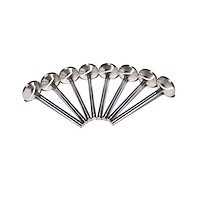

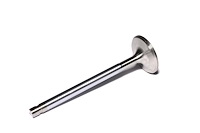


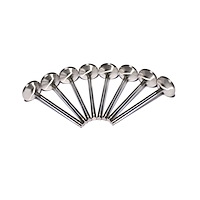


EDELBROCK
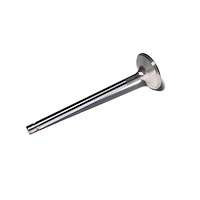
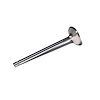
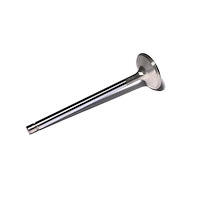
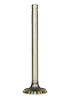
Single Exhaust Valve 1.88" for Big Block Chevy Performer RPM Heads #350-60459, 350-60479, 350-60499, & 350-60559
Part Number: 350-9771
 Ships Tomorrow
 Lowest price guarantee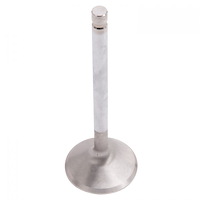
EDELBROCK
Single Exhaust Valve 1.88" for Big Block Chevy Performer RPM Heads #350-60459, 350-60479, 350-60499, & 350-60559
Part Number: 350-9771
Ships TomorrowLowest Price Guarantee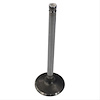


ENGINETECH
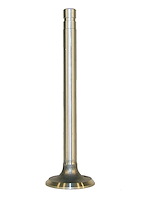
EM4471 Exhaust Engine Valve for 2009-2019 Lexus, Toyota, Scion 2.5L, 2.7L
Part Number: 416-EM4471
Ships on 10/13/2026Lowest price guarantee
ENGINETECH
EM4471 Exhaust Engine Valve for 2009-2019 Lexus, Toyota, Scion 2.5L, 2.7L
Part Number: 416-EM4471
Ships on 10/13/2026Lowest Price Guarantee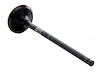

ENGINETECH
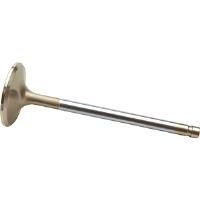
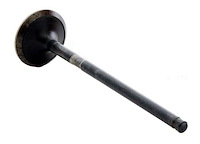
EM4349 Exhaust Engine Valve for 1994-2002 Isuzu, Acura, Honda 2.2L, 2.3L, 3.0L, 3.2L
Part Number: 416-EM4349
Ships on 10/13/2026Lowest price guarantee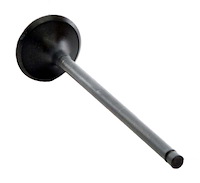
ENGINETECH
EM4349 Exhaust Engine Valve for 1994-2002 Isuzu, Acura, Honda 2.2L, 2.3L, 3.0L, 3.2L
Part Number: 416-EM4349
Ships on 10/13/2026Lowest Price Guarantee
ENGINETECH
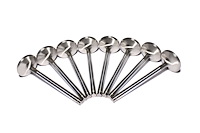
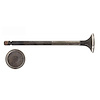
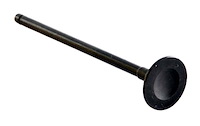
EM4357 Exhaust Engine Valve for 1996-2006 Suzuki, Chevrolet 1.8L, 2.0L, 2.5L, 2.7L
Part Number: 416-EM4357
Ships on 10/13/2026Lowest price guarantee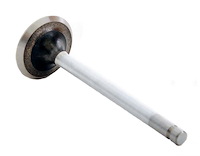
ENGINETECH
EM4357 Exhaust Engine Valve for 1996-2006 Suzuki, Chevrolet 1.8L, 2.0L, 2.5L, 2.7L
Part Number: 416-EM4357
Ships on 10/13/2026Lowest Price Guarantee
ENGINETECH
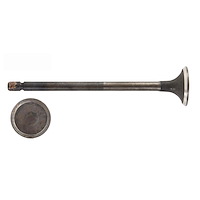
EM3461 Exhaust Engine Valve for 1998-2004 Isuzu, Acura, Honda 3.2L, 3.5L
Part Number: 416-EM3461
Ships on 10/13/2026Lowest price guarantee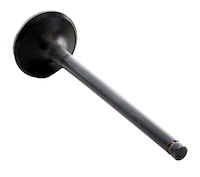
ENGINETECH
EM3461 Exhaust Engine Valve for 1998-2004 Isuzu, Acura, Honda 3.2L, 3.5L
Part Number: 416-EM3461
Ships on 10/13/2026Lowest Price GuaranteeFrequently Asked Questions About Exhaust Valves
What Are the Symptoms of a Bad Exhaust Valve?
A burnt or poorly sealing exhaust valve usually shows up as low compression in one cylinder, a misfire, and popping or backfiring through the exhaust on deceleration. You may also notice reduced power and a rough idle. A compression or leak-down test is the most reliable way to confirm the valve is the cause.
What Is the Difference Between an Intake Valve and an Exhaust Valve?
The intake valve lets the air and fuel mixture into the cylinder, while the exhaust valve releases the burnt gases afterward. Intake valves are usually larger for better airflow, and exhaust valves are smaller but built from tougher materials because they run much hotter. They're not interchangeable, so order the correct valve for each port.
Do Exhaust Valves Need to Be Replaced as a Set?
Not always. Single exhaust valves let you replace only a damaged valve, which is common after a burnt valve or bent stem on one cylinder. For a full rebuild, though, most builders install a complete set so wear and sealing stay consistent across every cylinder.
How Often Should Exhaust Valves Be Replaced?
There's no fixed mileage interval - exhaust valves are replaced when they show damage such as burning, pitting, bent stems, or poor sealing found during a rebuild or diagnosis. High-heat and high-RPM use wears them faster. Inspect the valves and seats any time the cylinder head is off the engine.