


 Order Status & Returns
 Gift Cards
 Help Center
 1-800-345-4545
Intake Valves
Intake valves control the flow of air and fuel into your engine's combustion chambers, and JEGS stocks both stock-replacement and performance options in stainless steel and titanium. You'll find intake valves sized for small-block and big-block V8s along with import four- and six-cylinder engines, with head diameters, stem diameters, and materials to match your build. Whether you're refreshing a daily driver or assembling a race cylinder head, choosing the right valve material and dimensions keeps combustion sealed and airflow strong.
Show More
What Intake Valves Do in Your Engine
An intake valve is the gate that opens to let the air-fuel mixture enter the cylinder, then seals against the valve seat to trap that charge for combustion. The camshaft lobe drives the lifter, pushrod, and rocker arm to push the valve open, and the valve spring closes it again to keep timing and sealing precise. Because the piston pulls the mixture in against manifold pressure, intake valves are usually larger than exhaust valves so they can flow enough air and fuel at higher rpm.
The valve lives inside the cylinder head alongside the guides, springs, and seats, so its size and shape directly affect how well the head flows. If you're new to how the head and valvetrain work together, our guide on what a cylinder head does walks through ports, chambers, and valve sizing. You can also browse the full range of cylinder head components to round out a rebuild.
Intake Valve Materials: Stainless Steel vs. Titanium
Intake valve material determines how much heat and stress the valve can handle and how long it lasts. Performance valves use tougher alloys than the nichrome, nickel, and silicon-chromium found in many OEM valves, which adds strength and service life. The main choices are:
- Stainless steel intake valves — a strong, heat-resistant, cost-effective upgrade over stock for most street and strip engines.
- Titanium intake valves — significantly lighter than steel, which reduces valvetrain mass and helps high-rpm race engines rev and control valve motion.
- OEM-style replacement valves — matched to factory materials and dimensions for stock rebuilds and daily drivers.
Lighter, stronger materials let the valve seal reliably at higher engine speeds while resisting the heat of combustion. Match the material to how you actually use the engine so you aren't paying for race-grade titanium on a low-rpm street build.
How to Choose the Right Intake Valve Size
Choose an intake valve by matching its head diameter, stem diameter, and overall length to your cylinder head and valvetrain. Head diameter sets how much air and fuel the valve can flow, and it has to fit the chamber without shrouding or contacting the neighboring exhaust valve. Common small-block intake valves run around 2.02 inches in head diameter, while big-block and larger-chamber heads use bigger valves to feed the extra displacement.
Stem diameter (for example 11/32 in. or 5/16 in.) must match the valve guides, and the valve length has to work with your springs, retainers, and rocker geometry. The safest approach is to match the valve to the specs of your cylinder heads and camshaft rather than simply picking the largest valve. If you're unsure, confirm the head diameter, stem size, and installed height called out for your specific head before ordering.
Shop Intake Valves by Brand
JEGS carries intake valves from the manufacturers that build them for street and race engines. Each brand offers different materials, applications, and price points:
- Manley — known for stainless steel performance valves for small-block, big-block, and modern LS and Hemi engines.
- Dart — severe-duty stainless and titanium intake valves developed for its own performance cylinder heads.
- Brodix — replacement valves engineered to fit its small-block and big-block Chevy cylinder heads.
- Melling — stock-replacement intake valves for common import and domestic engine rebuilds.
Compare head and stem dimensions across brands to find the valve that matches your head and application.
Intake Valves vs. Exhaust Valves
Intake valves are larger in head diameter than exhaust valves because pulling the air-fuel charge in is less efficient than pushing spent gases out, so the intake side needs more open area to fill the cylinder. Exhaust valves are smaller but run hotter, since they sit in the path of combustion gases leaving the cylinder, which is why they often use the most heat-resistant alloys. Both valves share the same cylinder, so there's a physical limit to how large each can be before they interfere.
Most rebuilds and performance builds replace intake and exhaust valves together as a matched set so seating, materials, and timing stay consistent. If you also need the outgoing side, shop exhaust valves sized for the same head.

ADD A VEHICLE TO GUARANTEE PARTS FIT
See products that fit

ADD A VEHICLE TO GUARANTEE PARTS FIT
See products that fit


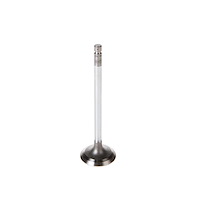
EDELBROCK
Intake Valve Set 2.19" for Big Block Chevy Performer RPM Heads #350-60459, 350-60479, 350-60499, & 350-60559
Part Number: 350-9775
 Ships Today
 Lowest price guarantee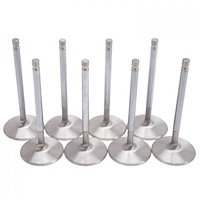
EDELBROCK
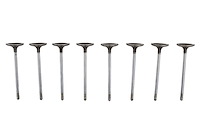
Intake Valve Set 2.19" for Big Block Chevy Performer RPM Heads #350-60459, 350-60479, 350-60499, & 350-60559
Part Number: 350-9775
Ships TodayLowest Price Guarantee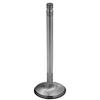

ENGINETECH
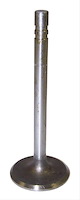
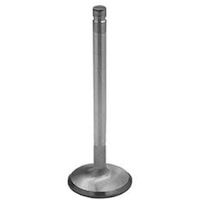
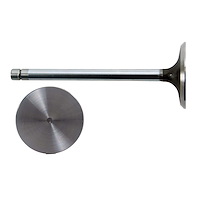
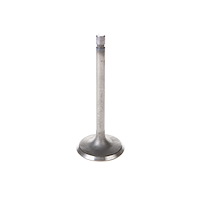
V1652B Intake Engine Valve for GM/Chevrolet, 6.5L 396, 6.6L 402, 7.0L 427, 7.4L 454
Part Number: 416-V1652B
Ships on 10/19/2026Lowest price guarantee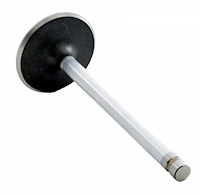
ENGINETECH
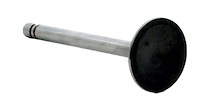
V1652B Intake Engine Valve for GM/Chevrolet, 6.5L 396, 6.6L 402, 7.0L 427, 7.4L 454
Part Number: 416-V1652B
Ships on 10/19/2026Lowest Price Guarantee
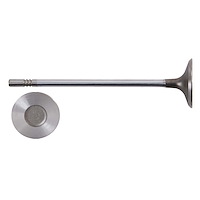
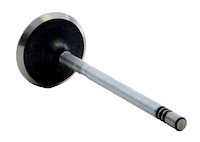
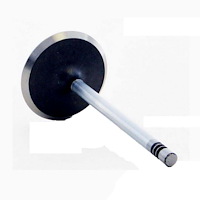
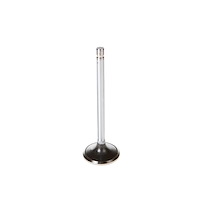
ENGINETECH
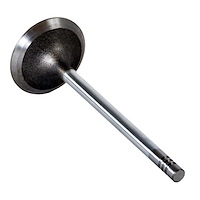
V1806 Intake Engine Valve for AMC/International Harvester/Jeep, 360 ci, 401 ci
Part Number: 416-V1806
Ships on 10/19/2026Lowest price guarantee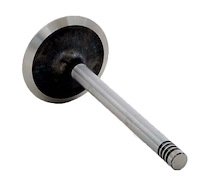
ENGINETECH
V1806 Intake Engine Valve for AMC/International Harvester/Jeep, 360 ci, 401 ci
Part Number: 416-V1806
Ships on 10/19/2026Lowest Price Guarantee
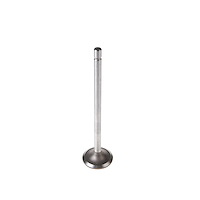
![Engine Intake Valve for Nissan Pulsar NX, Sentra 1989-1990 [Stainless Steel]](https://www.jegs.com/images/mini_100/600/689/689-v5259.jpg)
MELLING
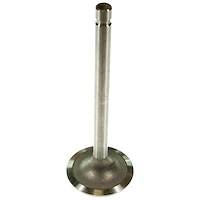
Engine Intake Valve for Nissan Pulsar NX, Sentra 1989-1990 [Stainless Steel]
Part Number: 689-V5259
Ships on 10/16/2026Lowest price guarantee![Engine Intake Valve for Nissan Pulsar NX, Sentra 1989-1990 [Stainless Steel]](https://www.jegs.com/images/mini_200/600/689/689-v5259.jpg)
MELLING
Engine Intake Valve for Nissan Pulsar NX, Sentra 1989-1990 [Stainless Steel]
Part Number: 689-V5259
Ships on 10/16/2026Lowest Price Guarantee
Frequently Asked Questions About Intake Valves
How much does it cost to replace intake valves?
Individual intake valves at JEGS commonly range from a few dollars for stock-replacement import valves to around $200 for a severe-duty titanium race valve. Total cost depends on how many valves your engine uses and whether you also replace guides, seals, and springs. Machine-shop labor to install and seat the valves is separate and varies by application.
How do you clean intake valves?
Intake valves can be cleaned with a soft brush and a carbon or combustion-chamber cleaner once the intake manifold is removed and the valves are accessible. Take care not to let debris fall into the cylinder or scratch aluminum sealing surfaces. For a full walkthrough of decarbonizing the head and valve area, see our guide on how to clean cylinder heads.
Are performance intake valves worth it?
Performance intake valves help in two ways: improved flow and sealing add power, and tougher materials like stainless steel and titanium extend service life under heat and stress. For a street engine, a stainless upgrade is usually plenty; a high-rpm race engine benefits most from lightweight titanium. Match the valve to your goals rather than over-building a mild engine.
How often do intake valves need to be replaced?
Intake valves are typically replaced during a cylinder head rebuild or when they show wear such as burning, poor seating, bent stems, or worn guides. Performance valves in stronger materials last longer than OEM valves under demanding use. Inspect them any time the head is off and replace any that fail a seating or straightness check.
Do intake valves need to match the camshaft and springs?
Yes. The camshaft controls how far and how long the valve opens, so valve length, stem size, and weight have to work with your springs, retainers, and rocker geometry. Confirm the valve's dimensions against your cylinder head and cam specs before installing. Reusing valves also calls for a spring-pressure and straightness check to be sure everything still meets spec.