


 Order Status & Returns
 Gift Cards
 Help Center
 1-800-345-4545
Exhaust Gaskets
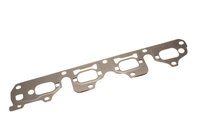
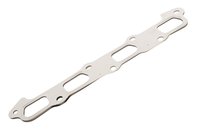
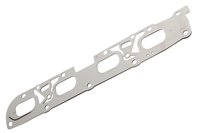
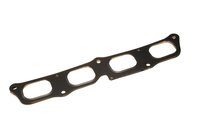
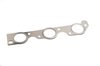
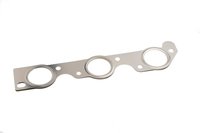
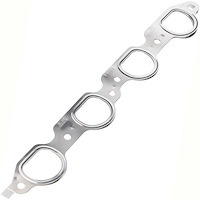
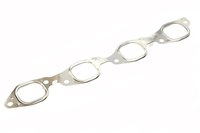
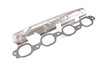
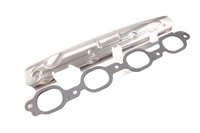
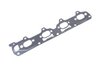
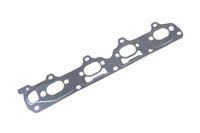
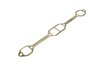
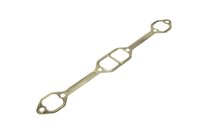
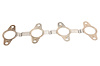
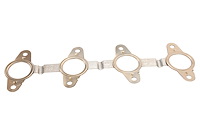
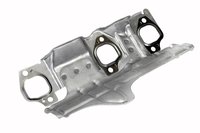
Exhaust gaskets seal the joints between your cylinder heads, headers, manifolds, and the rest of your exhaust system so hot gases stay in the pipe. Shopping here means you can match the right gasket to your engine family, flange, and power goals, with options across every common price point. You'll find header gaskets, header collector gaskets, exhaust manifold gaskets, and exhaust flange gaskets in copper, graphite, MLS, and fiber materials.
Show More
What Types of Exhaust Gaskets Does JEGS Carry?
JEGS carries a full range of exhaust gaskets so you can seal any joint from the head to the tailpipe. Each type is built for a specific connection, so match the gasket to the part you're bolting up. Here are the main types you'll shop:
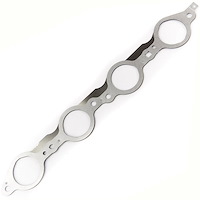
- Header gaskets seal tubular aftermarket headers to the cylinder head and handle repeated heat cycles.
- Header collector gaskets seal where the primary tubes meet the collector and connect to the exhaust.
- Exhaust manifold gaskets seal cast OEM-style manifolds to the head and fit factory port shapes.
- Exhaust flange gaskets seal the bolted connections between pipes, mufflers, and other exhaust sections.
Whether you're running a stock setup or a full build, pick the gasket that matches your flange, port shape, and bolt pattern. If you still need the hardware itself, shop exhaust manifolds and headers to complete the job before you seal it up. New to headers? Read up on the types of headers and their benefits so you know which gasket you'll need.
What Is the Best Material for an Exhaust Gasket?
The best exhaust gasket material depends on your heat, power, and budget, since each option handles those demands differently. Copper header gaskets conduct heat well and hold up under high-performance loads, though they often need a retorque after a heat cycle. Graphite is your pick for extreme temperatures and worn or slightly imperfect surfaces, since a graphite header gasket is forgiving and conforms to minor flatness issues. An MLS exhaust gasket uses multiple stainless steel layers for durable, repeatable sealing that resists warping and blowout. Fiber and composite gaskets are the budget-friendly choice for street engines and mild builds where extreme heat isn't a concern. When you compare exhaust gasket material, weigh how much heat your setup makes against how often you plan to pull the headers. A dedicated race motor rewards copper or MLS, while a weekend cruiser does fine on fiber or graphite. If you're weighing a header swap at the same time, see how exhaust headers affect performance before you pick a material. Match the material to the job and you'll seal tight the first time.
Do Exhaust Gaskets Need Sealant?
Most exhaust gaskets don't require sealant, but it depends on the material you're running. Copper and MLS gaskets are designed to seal metal-to-metal when the flanges are flat and the bolts are torqued to spec, so they usually go on dry. Graphite and fiber or composite gaskets can benefit from a thin coat of high-temperature sealant, which helps them fill minor surface imperfections and hold a tighter seal on older heads. Applying sealant where it isn't needed can actually work against you, since excess product can squeeze out and break down under heat. Before you reach for a tube, clean both mating surfaces, check them for flatness, and remove any old gasket material. Then confirm the maker's instructions, because gasket brands differ on whether sealant helps or voids their seal. Always follow the manufacturer's recommendation for your specific gasket, and torque the fasteners evenly in the pattern they specify so the gasket seats correctly.
How Much Do Exhaust Gaskets Cost?
Exhaust gaskets are one of the more affordable parts of an exhaust job, and pricing tracks closely with the material you choose. Standard fiber and composite gaskets typically run about $10 to $30 per set, which makes them an easy choice for street cars and routine repairs. Performance copper, graphite, or MLS gaskets generally cost around $30 to $100 or more per set, reflecting the tougher materials and higher heat tolerance they deliver. Beyond material, the price depends on brand and fitment, since gaskets cut for specific engine families and header flanges carry different design costs. A common small-block application usually sits at the lower end, while a hard-to-find fitment lands higher. A quality gasket protects the headers and manifolds you already bought, so spending a little more on the right material up front can save you from resealing a leak later.
How Do You Choose the Right Exhaust Gasket?
Start by matching the gasket to your engine family, whether that's Chevy/GM, Ford, or Mopar, then confirm it fits your specific header or manifold flange. Check the bolt pattern and port shape against your parts, because a gasket that covers the ports and lines up with the holes is what seals cleanly. Next, pick your material by how you use the car: fiber or composite for street driving, and copper or MLS for race and high-heat setups. Brand matters too, so compare trusted names like Mr. Gasket, Fel-Pro, and Hedman Headers for the fitment and material you need. If you're managing underhood heat, add header wrap to keep temperatures down and protect nearby components. Ready to build out the whole system? Shop all headers and exhaust, then grab the exhaust gaskets that match your setup and seal it right.

ADD A VEHICLE TO GUARANTEE PARTS FIT
See products that fit

ADD A VEHICLE TO GUARANTEE PARTS FIT
See products that fit


 Lowest price guarantee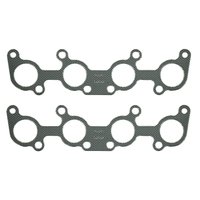
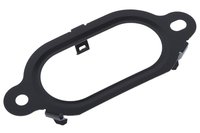



Frequently Asked Questions About Exhaust Gaskets
What Are the Symptoms of a Leaking Exhaust Gasket?
A leaking exhaust gasket often shows up as a ticking or hissing noise that's loudest at cold start and under acceleration. You may also notice an exhaust smell near the engine, a drop in power or fuel economy, or a check engine light. In many states, a leak can cause a failed emissions test. If you spot these signs, inspect the gasket and reseal the joint before the leak grows.
Can You Reuse an Exhaust Gasket?
Generally, no. Once a gasket has been torqued down and heat-cycled, it takes a set to those surfaces and won't seal the same way again. Reusing one risks leaks, especially with crush or soft-material gaskets that compress during installation. Install a new gasket any time you remove the headers or manifold.
How Often Should Exhaust Gaskets Be Replaced?
There's no fixed mileage interval for exhaust gaskets. Replace one whenever you open the joint for service or whenever a leak appears. It's smart to inspect the gasket during any header or manifold work, since you already have access. If it looks crushed, burned, or blown out, put in a fresh one before you button things up.
Are Header Gaskets and Exhaust Manifold Gaskets the Same Thing?
They do the same core job of sealing the exhaust-to-cylinder-head joint, but they aren't interchangeable. Header gaskets are cut for tubular aftermarket headers, while exhaust manifold gaskets fit cast OEM-style manifolds. The port shapes and bolt patterns differ, so fitment is what sets them apart. Always choose the gasket made for the part you're bolting up.
Do You Need to Retorque Exhaust Gaskets?
Often, yes. Many copper and solid gaskets benefit from a retorque after the engine has gone through a full heat cycle, since the metal expands and settles. This second torque pass helps prevent the bolts from loosening and the gasket from leaking. Always follow the maker's spec for torque values and whether a retorque is called for.