


 Order Status & Returns
 Gift Cards
 Help Center
 1-800-345-4545
Aftermarket Automotive Data Loggers
Automotive data loggers record what your engine and chassis do on every pass or lap, so you can tune with real numbers. You'll find logger kits, dash displays, V-Net sensor modules, cables, and mounting hardware for drag racing, bracket racing, and circle track cars. Start with the sensors you need now and add more as your combination grows.
Show More
What Does An Automotive Data Logger Record?
An automotive data logger records whatever its sensors measure during a run and saves it for review afterward. Each parameter needs its own sensor wired to the logger, so your channels depend on how you set it up. Start with the channels tied to the problems you're trying to solve.
Common channels include:
- Engine RPM and driveshaft RPM
- Water temperature, oil pressure, and oil temperature
- Fuel pressure and air/fuel ratio
- Exhaust gas temperature (EGT) and boost
- Throttle position and knock
- Lap and run timing
Comparing engine RPM with driveshaft RPM, for example, shows what's happening between the engine and the rear of the car. Racing data acquisition systems like these sit alongside the gauges and monitors in our computer tuning and monitors category. For background on reading engine instruments, see our gauges and tachs tech articles.
What Comes In A Drag Racing Data Logger Kit?
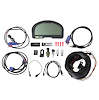
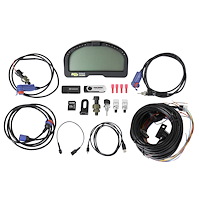
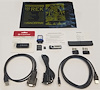
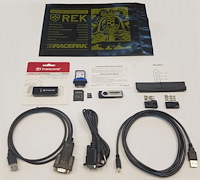
A drag racing data logger kit packages a logger with the core pieces for a specific car type, so you're not sourcing every part separately. The Racepak V300SD Data Logger Door Car Kit is built for door cars, the full-bodied cars common in drag racing and bracket racing.
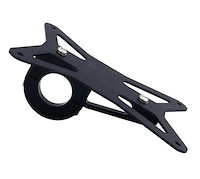
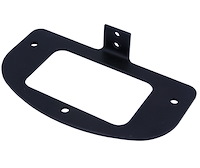
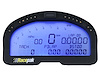
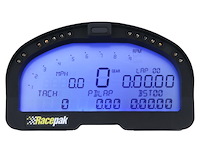
If you want to see readings from the driver's seat, the Racepak IQ3D Drag Dash Display Kit adds an in-car display. The logger stores the full run for review, while the dash shows you information in the car. A Sportsman mounting plate is also listed to help with installation.
Kits save you time on the first install, but you can still build a system piece by piece. You can start with a kit, then add sensors after a few passes show what you want to watch. If you run a dial-in class, our bracket racing tech articles cover more on setting up a consistent car.
Which Sensors, V-Net Modules, And Wiring Does A Race Car Data Logger Need?
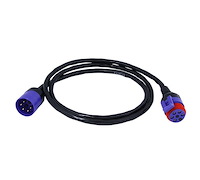
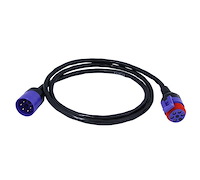
A race car data logger needs one sensor per channel, plus the cables and connectors that carry each signal back to the logger. Racepak V-Net sensor modules connect to the logger's V-Net wiring, and extension cables let you place each module where it's needed.
Sensor and wiring parts in this category include:
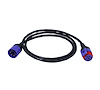
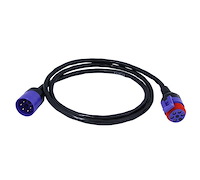
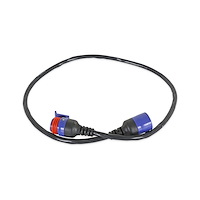
- Racepak V-Net extension cables in 12-, 36-, 96-, and 120-inch lengths
- Racepak 230-VM-PT-5V V-Net pressure module
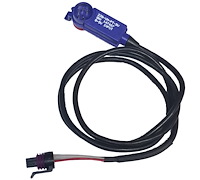
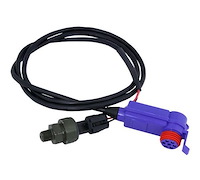
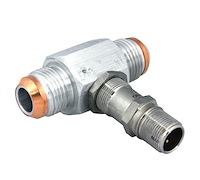
- Racepak 810-PT-VB remote vacuum pressure sensor, rated 0-30 in. Hg
- Racepak event module and driveshaft harness
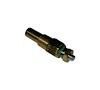
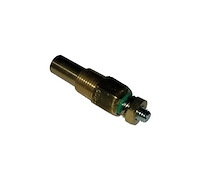
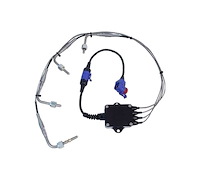
- Racepak steel EGT weldment and weld-in thermocouples
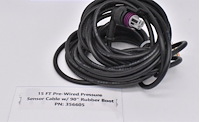
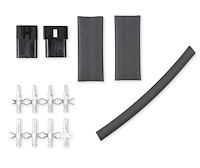
- Pressure sensor cables and Molex 3-pin connector kits
For multi-cylinder exhaust temperature monitoring, the Altronics Red Alert EGT System 8 probe kit uses weld-in probes. Before you run cables, our guide on how to read automotive wiring diagrams helps you plan each connection.
How Do You Choose A Data Logger For Your Car?
Choose a data logger for your car by matching it to how you race, which channels you need, and how you want to view data. JEGS carries loggers and accessories from Racepak, AEM, Auto Meter, and Altronics, among others.
Work through these questions before you buy:
- What class do you run, and does a kit match your car type?
- Which channels matter most right now, such as RPM, oil pressure, or EGT?
- Do you want a dash display, or will you review data after each run?
- Does your car have an ECU you can read through an OBD2 data logger adapter?
- Will you connect to a laptop by USB cable or USB-to-serial adapter?
A logger records data, but it doesn't change your engine's calibration. When you're ready to make adjustments, look at our tuners and programmers and control modules.
How Does Data Logging Software Help Tune Launch And Shift Points?
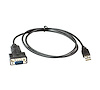
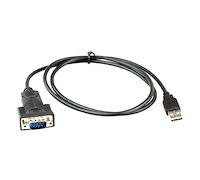
Data logging software lets you review each run back in the pits, so you can set launch RPM and shift points from recorded data. Connect the logger to your laptop with the Racepak USB programming cable or USB-to-serial adapter, then pull up the run.
After a pass, the data helps you:
- Compare engine and driveshaft RPM at the hit to adjust launch RPM
- See where RPM peaks and falls off to set shift points
- Spot low oil pressure before it turns into a bigger problem
- Find lean cylinders using EGT and air/fuel ratio readings
- Catch high water or oil temperatures across a session
Review the same channels after every run, and changes in the car show up quickly. That habit helps you catch mechanical issues early and make one tuning change at a time. Shop automotive data loggers now and build the setup your car needs.

ADD A VEHICLE TO GUARANTEE PARTS FIT
See products that fit

ADD A VEHICLE TO GUARANTEE PARTS FIT
See products that fit

 Lowest price guarantee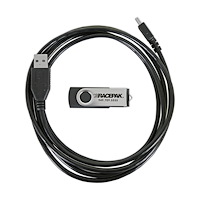
![800-TX-WELD4 Exhaust Gas Temperature (EGT) Weldment [Steel]](https://www.jegs.com/images/mini_100/800/806/806-800-tx-weld4.jpg)
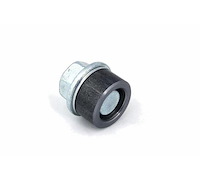
![800-TX-WELD4 Exhaust Gas Temperature (EGT) Weldment [Steel]](https://www.jegs.com/images/mini_200/800/806/806-800-tx-weld4.jpg)
![810-PT-VB Remote Vacuum Pressure Sensor [0-30 in. Hg]](https://www.jegs.com/images/mini_100/800/806/806-810-pt-vb.jpg)
![810-PT-VB Remote Vacuum Pressure Sensor [0-30 in. Hg]](https://www.jegs.com/images/mini_200/800/806/806-810-pt-vb.jpg)
![200-KT-V300SD1S V300SD Data Logger Door Car Kit [Serialized]](https://www.jegs.com/images/mini_100/800/806/806-20ktv300sd1s.jpg)
![200-KT-V300SD1S V300SD Data Logger Door Car Kit [Serialized]](https://www.jegs.com/images/mini_200/800/806/806-20ktv300sd1s.jpg)
Frequently Asked Questions About Automotive Data Loggers
How Much Does An Automotive Data Logger Cost?
Cost depends on how much of a system you need. Sensor accessories and cables sit at the low end, while complete kits can run well over $1,000. For example, the Racepak V300SD Data Logger Door Car Kit is listed at $1,899.95 at JEGS.
Can A Data Logger Connect To An OBD2 Port?
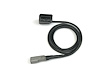
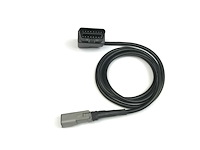
Yes, with the right adapter. JEGS lists a Racepak OBDII ECU adapter that lets a compatible logger read data from your vehicle's ECU through the OBD2 port. Check that the adapter matches your logger and vehicle before you order.
Do I Need A Dash Display To Use A Data Logger?
No. A logger records data on its own, and you review it in software after the run. A dash display, such as the Racepak IQ3D Drag Dash Display Kit, adds readings you can see in the car.
Can I Add Sensors To My Data Logger Later?
Yes, on systems built for expansion. Racepak V-Net sensor modules and extension cables let you add channels like pressure or vacuum as your needs change. Plan your wiring routes so there's room to grow.
Is A Data Logger Useful On A Street Car?
Yes, if you want to keep an eye on engine health. A logger can record oil pressure, water temperature, air/fuel ratio, and boost on a street-driven car. It records sensor data and doesn't change your engine's tune on its own.