


 Order Status & Returns
 Gift Cards
 Help Center
 1-800-345-4545
Cylinder Head Components
Cylinder head components are the valves, studs, guide plates, and small hardware that control airflow and valvetrain motion in your engine. Whether you're rebuilding a worn head or upgrading for more power, the right parts keep your valves sealing and your valvetrain stable. Use this page to compare part types, materials, and brands, then narrow the results to parts that fit your build.
Show More
What Cylinder Head Components Do You Need for a Rebuild?
You need to replace every part that's worn, bent, or out of spec, and a full rebuild usually touches most of them. The JEGS guide to what a cylinder head is and how to rebuild one lists the parts you'll remove during teardown:
- Rocker arms and rocker arm studs
- Pushrod guide plates
- Valve springs, retainers, keepers, and shims
- Valve seals and valves
Once the head is bare, inspect each piece before you order replacements. Our walkthrough on how to clean cylinder heads helps you prep the castings so cracks and worn seats are easier to spot.
If the casting itself is cracked or warped, rebuilding may not make sense. In that case, compare complete cylinder heads and reuse only the hardware that still checks out. Keep track of which valve came from which port so you can compare wear across the head.
Intake Valves vs Exhaust Valves: Which Material Fits Your Build?
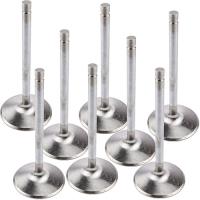
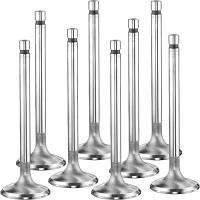
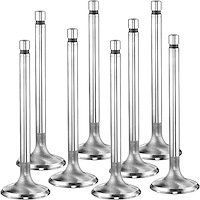
Intake valves let the air-fuel mixture into the cylinder, while exhaust valves let spent gases out, so each faces different demands. Intake valves are typically larger than exhaust valves, and 2.02" intake valves are a common size for small-block Chevy heads. Shop intake valves by outside diameter and engine make to match your ports.
On the other side of the chamber, exhaust valves run hotter because they sit directly in the path of burned gases. Stainless steel valves are a common choice for street and bracket engines because they resist heat and corrosion. If you're rebuilding a mild street engine, stainless steel is usually enough.
Inconel exhaust valves use a nickel-based alloy built for extreme heat. That's why you'll see them in turbocharged, supercharged, and nitrous combinations where exhaust temperatures climb well beyond a typical street engine. You'll find Inconel options for big-block heads in the exhaust valve lineup.
Rocker Arm Studs and Pushrod Guide Plates
Rocker arm studs anchor each rocker arm to the head, and pushrod guide plates keep the pushrods aligned as the cam moves them. Together, they hold your valvetrain geometry in place under load. When either part fails, you can lose valve lift or bend a pushrod.
Studs come in several diameters, including 5/16", 3/8", and 7/16" options. You'll find 3/8" studs built for roller rockers and a 5/16" rocker arm stud kit for LS Gen III/IV engines. Stepping up to a high-lift cam or stiffer springs adds stress, so a stronger stud is a common upgrade.
Guide plates are application-specific, with fixed and adjustable designs for engines like big-block Chevy 396-454 and Oldsmobile 350-455. Since studs and plates work alongside rockers, pushrods, and springs, it's smart to plan them with your camshafts and valvetrain parts as one package.
How to Match Cylinder Head Parts to Your Engine
Start with your engine make and size, then narrow the results by part type and dimensions. Add your vehicle with the fitment tool at the top of the page to filter out parts that won't fit. It's a quick way to trim a long product list down to parts that match your application.
From there, use the filters to dial in your search. You can sort by part type, brand, product line, material, engine make/size, finish, outside diameter, and position. The position filter separates intake from exhaust parts, which saves time when you're ordering valves for one side of the head.
Aftermarket heads often use valve sizes and hardware that differ from factory castings. Before you order, confirm valve diameter, stem length, and stud size with your head manufacturer's spec sheet. Checking those numbers first helps you avoid returns and keeps your rebuild on schedule.
Cylinder Head Component Brands at JEGS
JEGS carries cylinder head parts from established head and valvetrain manufacturers, so you can match components to the heads you're running. Edelbrock offers valves for its Performer RPM and Victor Jr. heads, plus pushrod guide plates for Oldsmobile engines. Manley covers Budget Replacement intake valves for small-block Chevy and Street Master Street Flo valves for big-block Chevy.
Brodix offers small- and big-block valves, including the BR 82138 Inconel exhaust valve upgrade. ARP and Crower supply rocker arm studs, while COMP Cams adds Magnum rocker studs and adjustable guide plates. Chevrolet Performance rounds out the lineup with small-block intake valves, part number 12555331.
If you're unsure what fits, add your vehicle and filter by engine make/size before you compare brands. Shop All Cylinder Head Components at JEGS to find the valves, studs, and hardware your build needs.

ADD A VEHICLE TO GUARANTEE PARTS FIT
See products that fit

CHEVROLET PERFORMANCE
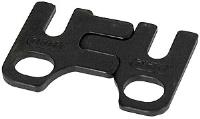
Pushrod Guide Plate Big Block Chevy with 3/8" Pushrods Raised Style
Part Number: 809-12562369
 Ships Today
 Lowest price guarantee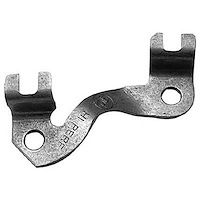
CHEVROLET PERFORMANCE
Pushrod Guide Plate Big Block Chevy with 3/8" Pushrods Raised Style
Part Number: 809-12562369
Ships TodayLowest Price Guarantee
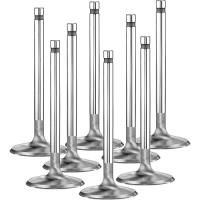
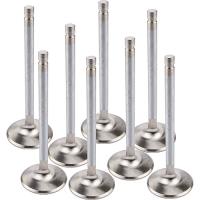
![Exhaust Valve [Fits Chevrolet Performance Fast Burn Heads/LT Heads]](https://www.jegs.com/images/mini_100/800/809/809-12551313.jpg)
CHEVROLET PERFORMANCE
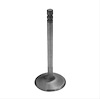
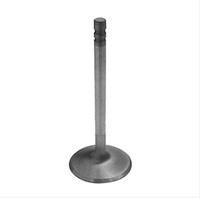
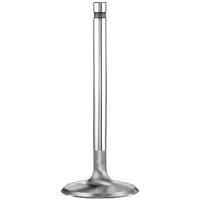
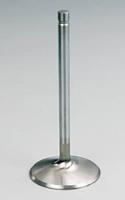
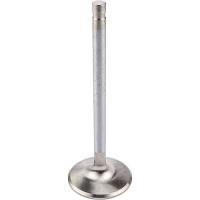
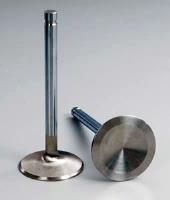
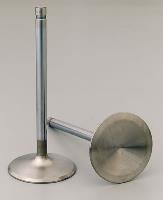
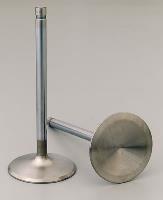
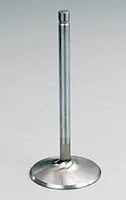
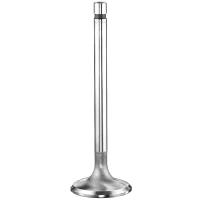
Exhaust Valve [Fits Chevrolet Performance Fast Burn Heads/LT Heads]
Part Number: 809-12551313
Ships TodayLowest price guarantee![Exhaust Valve [Fits Chevrolet Performance Fast Burn Heads/LT Heads]](https://www.jegs.com/images/mini_200/800/809/809-12551313.jpg)
CHEVROLET PERFORMANCE
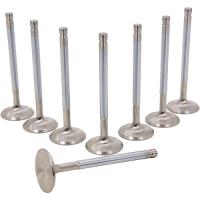
Exhaust Valve [Fits Chevrolet Performance Fast Burn Heads/LT Heads]
Part Number: 809-12551313
Ships TodayLowest Price Guarantee
Frequently Asked Questions About Cylinder Head Components
Can I reuse my old valves when installing new valve springs?
Often, yes, if the valves pass inspection. Check each one for bent stems, worn tips, and damaged seat faces before you reinstall it. Replace any valve that shows wear rather than risk a failure after the rebuild.
What size rocker arm studs does a small-block Chevy use?
JEGS offers small-block Chevy-compatible rocker arm studs in both 3/8" and 7/16" diameters. The correct size depends on your specific cylinder heads and rocker arms. Confirm the stud size with your head manufacturer before you order.
Do I need hardened pushrods with guide plates?
Yes, in most cases. Guide plates contact the pushrod body directly, and soft pushrods can wear quickly against the plate. Check your pushrod manufacturer's specs to confirm they're hardened for guide plate use.
What are valve lash caps used for?
Valve lash caps fit over the valve stem tip to give the rocker arm a hardened contact surface. They're commonly paired with valves that have softer stem tips. You'll find 8 mm lash caps for small-block Chevy, GM LS, and small-block Ford applications.
Should you replace valve seals when you swap valve springs?
Yes, in most cases, since valve seals are inexpensive and often harden with age. You're already removing the keepers and retainers to swap springs, so replacing the seals then saves you repeat labor. Match the new seals to your valve stem and guide size before you order.