

 Order Status & Returns
 Gift Cards
 Help Center
 1-800-345-4545

Air & Fuel Delivery
Air and fuel delivery parts control how much air and fuel reach your engine, which shapes power, throttle response and drivability. Whether you're building a street machine, a race car or a classic restoration, every component in the system has to work as a matched set. Use this guide to compare your options by horsepower goal, fuel type and fitment before you buy.
Show More
How Do Air and Fuel Delivery Parts Work Together?
Air and fuel delivery parts work together by pulling air into the engine and mixing it with the right amount of fuel. If one component can't keep up, the rest of the system can't make the power it was built for.
Most systems rely on four groups of parts:
- Intake parts filter incoming air and route it to each cylinder.
- Metering parts mix fuel into that air at the correct ratio.
- Supply parts store, pressurize and clean fuel before it reaches the engine.
- Compliance parts, such as emission components, control fuel vapors and exhaust output on street vehicles.
Plan your upgrades as a package. A larger intake or power adder needs more fuel, and a bigger fuel system needs enough airflow to use it. Edelbrock builds parts for the intake, fuel and power-adder sides of the system, so you can source matched components from one brand.
Should You Run a Carburetor or an EFI Conversion Kit?
Choose a carburetor if you want a simple, mechanical setup you can tune with jets and springs. Choose fuel injection if you want easier cold starts, a steadier idle and automatic adjustment for altitude and temperature.
Our carburetors and accessories include complete units, rebuild kits, jets and spacers from brands like Holley and Quick Fuel. Carburetors stay popular for classic restorations, bracket racing and budget-minded builds. They're also easy to service at the track with basic hand tools.
Self-learning throttle-body kits from FiTech bolt to a standard four-barrel flange and adjust fuel delivery as you drive. Most EFI swaps also need a higher-pressure pump and a return-style or regulated fuel line, so budget for the supply side too. Compare fuel injection systems and EFI conversion kits, and read our carburetor vs. fuel injection guide for cost and tuning differences.
How Do You Choose Fuel Pumps, Regulators, Filters and Fuel Cells?
Match fuel pump flow to your horsepower goal and fuel type, then pick a regulator and filter that support that flow. Pumps are rated by volume at a given pressure, so compare ratings at the pressure your carburetor or injection system uses.
Fuel type changes the math. E85 and methanol need more fuel volume than gasoline to make the same power. They call for a larger pump and alcohol-compatible lines, seals and filters.
Our fuel pumps, regulators and filters cover mechanical, in-line electric and in-tank designs, including high-flow options from Aeromotive. Before you choose, read our guide to performance fuel pumps for carbureted and racing engines.
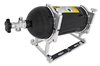
Upgraded fuel tanks and fuel cells let you add baffling, a sump or an in-tank pump. If you race, check your sanctioning body's rulebook, since many classes require a certified fuel cell.
What Do Cold Air Kits, Intake Manifolds and Throttle Linkage Change?
Air intake upgrades help your engine breathe cooler, denser air and deliver it evenly to each cylinder. Our air filters and cold air kits, including options from K&N, replace restrictive factory airboxes with smoother tubes and high-flow filters. Gains depend on your engine and tune, and our article on how much horsepower a cold air intake adds explains what to expect.
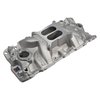
Swapping intake manifolds changes where your engine makes power. Dual-plane designs usually favor low-end torque for street driving, while single-plane designs move power higher in the RPM range. Brands like FAST offer manifolds designed for LS engines.
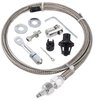
Don't overlook throttle cables and linkage when you change carburetors, throttle bodies or manifolds. Correct geometry gives you full throttle opening and a smooth return to idle. If you run an automatic, make sure the kickdown or TV cable still lines up.
When Should You Add a Supercharger, Turbocharger or Nitrous?
Add a power adder when your engine's natural airflow can't reach your horsepower goal and you're ready to upgrade the fuel system to match. Each type delivers power differently, so choose based on how you drive. Every option raises cylinder pressure, so plan for fuel, ignition and tuning upgrades.
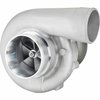
Our superchargers and turbochargers force more air into the engine. Centrifugal units from Vortech and ProCharger build boost with engine speed, while positive-displacement units like the Edelbrock E-Force deliver strong low-end torque. Our supercharger buying guide walks you through drive types and sizing.
For on-demand power, kits from Nitrous Express and other nitrous oxide systems add power only when you activate them. Wet kits add fuel with the nitrous, while dry kits rely on the injectors for extra fuel. Truck owners can find turbo, injection and intake upgrades in our diesel performance products.

ADD A VEHICLE TO GUARANTEE PARTS FIT
See products that fit

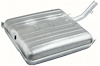
OER
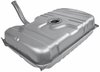
Zinc Coated Steel Fuel Tank 1959-1960 Bel Air, Biscayne, Del Ray, Impala
Part Number: 691-FT4001A
 Ships TodayFree shipping
 Lowest price guarantee
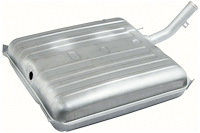
OER
Zinc Coated Steel Fuel Tank 1959-1960 Bel Air, Biscayne, Del Ray, Impala
Part Number: 691-FT4001A
Ships TodayFree shippingLowest Price Guarantee
OER
FT4001B Fuel Tank 1959-60 Impala, Bel Air, Biscayne; NiTerne Coated; with Neck; 16 Gallon
Part Number: 691-FT4001B
Ships TodayFree shippingLowest price guarantee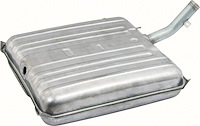
OER
FT4001B Fuel Tank 1959-60 Impala, Bel Air, Biscayne; NiTerne Coated; with Neck; 16 Gallon
Part Number: 691-FT4001B
Ships TodayFree shippingLowest Price Guarantee
OER
FT4023A 1977-90 Impala, Caprice, Buick, Oldsmobile, Pontiac, Wagon, 1978-87 El Camino, Caballero; Fuel Tank; Zinc; Without Fille
Part Number: 691-FT4023A
Ships TomorrowFree shippingLowest price guarantee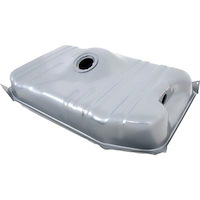
OER
FT4023A 1977-90 Impala, Caprice, Buick, Oldsmobile, Pontiac, Wagon, 1978-87 El Camino, Caballero; Fuel Tank; Zinc; Without Fille
Part Number: 691-FT4023A
Ships TomorrowFree shippingLowest Price Guarantee


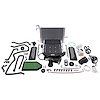
EDELBROCK
E-Force Stage 1 R2650 Supercharger System for 2015-2018 Chrysler and Dodge 5.7L HEMI
Part Number: 350-1517
Ships TomorrowFree shippingLowest price guarantee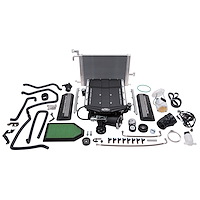
EDELBROCK
E-Force Stage 1 R2650 Supercharger System for 2015-2018 Chrysler and Dodge 5.7L HEMI
Part Number: 350-1517
Ships TomorrowFree shippingLowest Price Guarantee
EDELBROCK
E-Force Supercharger Kit for 2004-2008 Ford F-150 2WD 5.4L 3V
Part Number: 350-1581
Ships on 11/30/2026Free shippingLowest price guarantee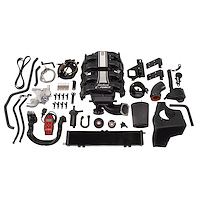
EDELBROCK
E-Force Supercharger Kit for 2004-2008 Ford F-150 2WD 5.4L 3V
Part Number: 350-1581
Ships on 11/30/2026Free shippingLowest Price Guarantee
EDELBROCK
E-Force Supercharger Supplemental Fuel Pump Kit 2007-2009 GM 1500 Trucks 4.8L 5.3L Gen IV
Part Number: 350-15781
Ships on 11/30/2026Free shippingLowest price guarantee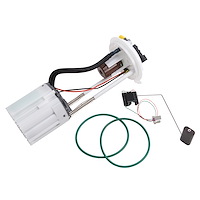
EDELBROCK
E-Force Supercharger Supplemental Fuel Pump Kit 2007-2009 GM 1500 Trucks 4.8L 5.3L Gen IV
Part Number: 350-15781
Ships on 11/30/2026Free shippingLowest Price Guarantee
EDELBROCK
E-Force Stage 1 Supercharger Kit for 2005-2009 Ford Mustang 4.6L 3V
Part Number: 350-15800
Ships TodayFree shippingLowest price guarantee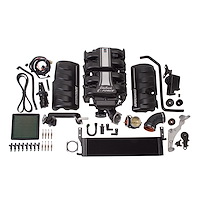
EDELBROCK
E-Force Stage 1 Supercharger Kit for 2005-2009 Ford Mustang 4.6L 3V
Part Number: 350-15800
Ships TodayFree shippingLowest Price Guarantee
EDELBROCK
E-Force Stage 3 Pro Tuner Competition Supercharger Kit for 2011-2014 Ford Mustang GT 5.0L
Part Number: 350-1589
Ships TodayFree shippingLowest price guarantee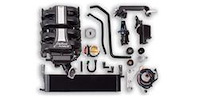
EDELBROCK
E-Force Stage 3 Pro Tuner Competition Supercharger Kit for 2011-2014 Ford Mustang GT 5.0L
Part Number: 350-1589
Ships TodayFree shippingLowest Price Guarantee
EDELBROCK
E-Force Stage 1 Supercharger System 2009-2010 5.7L HEMI Chrysler 300 Dodge Charger / Challenger
Part Number: 350-1532
Ships TodayFree shippingLowest price guarantee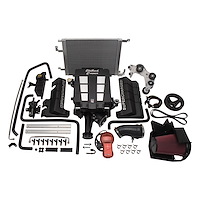
EDELBROCK
E-Force Stage 1 Supercharger System 2009-2010 5.7L HEMI Chrysler 300 Dodge Charger / Challenger
Part Number: 350-1532
Ships TodayFree shippingLowest Price Guarantee

EDELBROCK
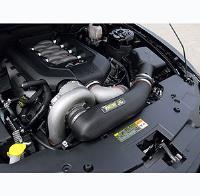
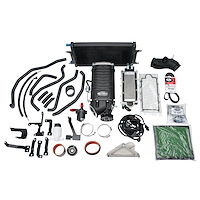
E-Force Stage 1 Supercharger Kit for 2005-2009 Ford Mustang 4.6L 3V
Part Number: 350-1580
Ships TodayFree shippingLowest price guarantee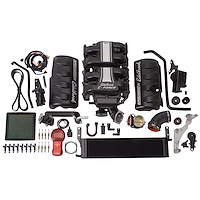
EDELBROCK
E-Force Stage 1 Supercharger Kit for 2005-2009 Ford Mustang 4.6L 3V
Part Number: 350-1580
Ships TodayFree shippingLowest Price Guarantee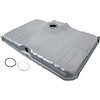
OER
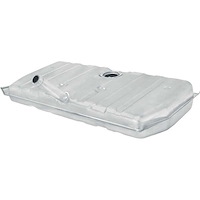
FT4022A 1990 Chevrolet Caprice, 1990-92 Cadillac Brougham; Fuel Tank; Without Filler Neck; GM4C; Zinc Coated; 24 Gallon; Fuel In
Part Number: 691-FT4022A
Ships TomorrowFree shippingLowest price guarantee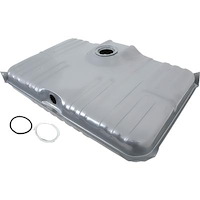
OER
FT4022A 1990 Chevrolet Caprice, 1990-92 Cadillac Brougham; Fuel Tank; Without Filler Neck; GM4C; Zinc Coated; 24 Gallon; Fuel In
Part Number: 691-FT4022A
Ships TomorrowFree shippingLowest Price Guarantee
EDELBROCK
E-Force Stage 3 Pro-Tuner Supercharger Kit 2010-2013 Camaro LS7
Part Number: 350-15997
Ships on 11/30/2026Free shippingLowest price guarantee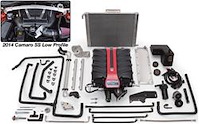
EDELBROCK
E-Force Stage 3 Pro-Tuner Supercharger Kit 2010-2013 Camaro LS7
Part Number: 350-15997
Ships on 11/30/2026Free shippingLowest Price Guarantee
EDELBROCK
E-Force Universal Supercharger Kit for GM Gen IV LS3 Engine with Truck Accessory Drives
Part Number: 350-15430
Ships TodayFree shippingLowest price guarantee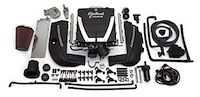
EDELBROCK
E-Force Universal Supercharger Kit for GM Gen IV LS3 Engine with Truck Accessory Drives
Part Number: 350-15430
Ships TodayFree shippingLowest Price Guarantee
OER
Stainless Steel Fuel Tank with Neck 1965-1966 Chevy Impala/Full-Size (Except Wagon) - 20 Gallon
Part Number: 691-FT4003C
Ships TodayFree shippingLowest price guarantee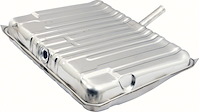
OER
Stainless Steel Fuel Tank with Neck 1965-1966 Chevy Impala/Full-Size (Except Wagon) - 20 Gallon
Part Number: 691-FT4003C
Ships TodayFree shippingLowest Price Guarantee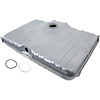
OER
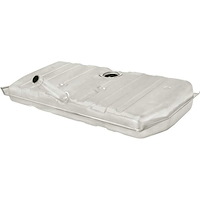
FT4020A 1977-90 Impala, Caprice, Buick, Oldsmobile, Pontiac, Cadillac; Fuel Tank; Without Filler Neck; GM4A; Zinc Coated; 24 Gal
Part Number: 691-FT4020A
Ships TomorrowFree shippingLowest price guarantee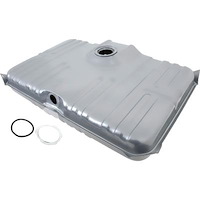
OER
FT4020A 1977-90 Impala, Caprice, Buick, Oldsmobile, Pontiac, Cadillac; Fuel Tank; Without Filler Neck; GM4A; Zinc Coated; 24 Gal
Part Number: 691-FT4020A
Ships TomorrowFree shippingLowest Price Guarantee
OER
FT4012A Fuel Tank 1975-76 Impala, Bel Air, Caprice, Estate Wagon, Bonneville, Grand Safari; Station Wagon; Zinc Coated; w/ Neck;
Part Number: 691-FT4012A
Ships TodayFree shippingLowest price guarantee
OER
FT4012A Fuel Tank 1975-76 Impala, Bel Air, Caprice, Estate Wagon, Bonneville, Grand Safari; Station Wagon; Zinc Coated; w/ Neck;
Part Number: 691-FT4012A
Ships TodayFree shippingLowest Price Guarantee
OER
FT4021A 1977-89 Impala, Caprice, Pontiac, Cadillac; Fuel Tank; Without Filler Neck; GM4B; Zinc Coated; 24 Gallon; For Fuel Injec
Part Number: 691-FT4021A
Ships TomorrowFree shippingLowest price guarantee
OER
FT4021A 1977-89 Impala, Caprice, Pontiac, Cadillac; Fuel Tank; Without Filler Neck; GM4B; Zinc Coated; 24 Gallon; For Fuel Injec
Part Number: 691-FT4021A
Ships TomorrowFree shippingLowest Price GuaranteeFrequently Asked Questions About Air and Fuel Delivery Parts
What Are the Signs of a Failing Fuel Pump?
Common signs include hard starting, sputtering at high speed, power loss under load and a whining noise from the tank. A fuel pressure gauge is the quickest way to confirm the problem. Check the filter and wiring too, since a clog or weak connection can cause the same symptoms.
Do I Need a New Fuel Pump With a Supercharger or EFI Conversion?
In most cases, yes. A power adder raises fuel demand, and EFI runs at much higher pressure than a carburetor. A stock or mechanical pump often can't keep up. Check the kit maker's fuel system requirements before you install.
Do I Need to Tune After Installing a Cold Air Intake?
Many cold air kits are designed to work with the factory tune, but some change airflow enough to require a recalibration. Check the product details for tuning notes. If you've added other engine upgrades, a custom tune helps you get the full benefit.
Are Aftermarket Air and Fuel Delivery Parts Street Legal?
It depends on the part and where you live. In California and states that follow CARB rules, look for a CARB Executive Order (EO) number on parts for street-driven vehicles. Parts labeled for off-road or racing use aren't legal on public roads in those states.
How Do I Confirm a Part Fits My Vehicle?
Use the JEGS Add a Vehicle tool to enter your year, make and model before you shop. The catalog then shows parts that fit your vehicle. For modified engines, compare the part's specs against your current setup too.