


 Order Status & Returns
 Gift Cards
 Help Center
 1-800-345-4545
Brake Hoses
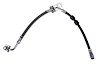
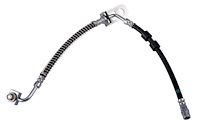
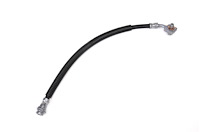
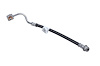
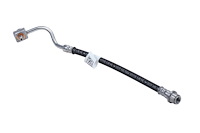
Brake hoses carry pressurized fluid from your hard lines to each caliper or wheel cylinder, so they're a critical link in every braking system. This category covers rubber replacement hoses, DOT-approved braided stainless brake lines, and complete flexline kits sized for front and rear fitment. Shop here when you want durable, correctly matched parts and the tech support to pick the right hose for your vehicle.
Show More
What Are Brake Hoses and What Do They Do?
Brake hoses are flexible lines that deliver hydraulic pressure from your rigid brake lines to the calipers or wheel cylinders that move as your suspension and steering cycle. Without that flex, every bump or turn would stress and crack a hard line. When you press the pedal, fluid pushes through these hoses to clamp the pads against the rotor, so a healthy hose is essential to stopping power and pedal feel. Each hose has to handle high pressure, heat, road grime, and constant movement without leaking or ballooning. They sit within the larger brakes system alongside master cylinders, calipers, and pads. Age, mileage, and heat all shorten a hose's service life, and our guide on how long brake hoses last breaks down typical wear timelines. Knowing what these parts do makes it easier to spot trouble early and choose a replacement that restores firm, predictable braking.
Rubber vs. Braided Stainless Steel Brake Hoses
The choice comes down to how you drive and what you value: rubber hoses restore factory performance affordably, while braided stainless brake lines add durability and a firmer pedal. Here's how the two compare so you can match a hose to your build and budget:
- Rubber brake hose: OE-style rubber hoses are inexpensive, quiet, and ideal for daily drivers that need a straightforward brake hose replacement.
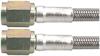
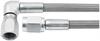
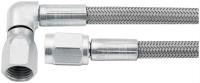
- Braided stainless brake lines: a stainless-braided sleeve resists expansion under pressure, giving a firmer, more consistent pedal for performance and towing.
- Durability: braided stainless is corrosion-resistant and more abrasion-resistant, while rubber can dry-rot and swell as it ages.
- Appearance: braided lines add a clean, high-performance look, while rubber keeps a stock appearance.
- Fitment: both come in front and rear, application-specific lengths, and you can compare them against straight brake lines for hard-line sections.
Signs You Need a Brake Hose Replacement
You need a brake hose replacement when you notice a soft or spongy pedal, visible cracking, bulging under pressure, or fluid seeping near a fitting. These symptoms mean the hose is failing and can't hold pressure safely. Start by inspecting each hose where it flexes and where it meets the hard line, since cracks and dampness show up there first. A spongy pedal often points to a ballooning hose that expands instead of transferring your foot pressure to the caliper. Puddles or a dropping reservoir usually signal a leak, and our walkthrough on how to fix a brake line leak helps you trace the source. Uneven braking, a pull to one side, or a caliper that won't release can also come from a collapsed hose restricting flow. Don't forget the small parts: worn clips, brackets, and washers in the brake hose hardware lineup should be replaced alongside the hose for a clean, leak-free job.
How to Choose the Right Brake Hose for Your Vehicle
Choose a brake hose by matching four things: fitment, length, material, and DOT approval. Start with fitment, confirming whether you need a front or rear hose and the correct left or right side, since routing and end fittings differ across those positions. Measure the length you need at full suspension droop so the hose can't stretch or bind, and check the thread size and fitting style on both ends. Pick your material next: rubber for a factory-style brake hose replacement, or DOT-approved braided stainless for a firmer pedal and longer service life. Confirm the hose is DOT-approved so it meets safety standards for street use. If your build uses custom hard lines, our guide on how to flare a brake line covers matching flares and fittings. Browse the full brake hose, lines & fittings selection and pair your hose with the right brake fittings for a sealed connection.
Shop Brake Hoses by Brand and Kit
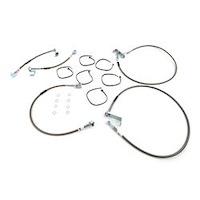
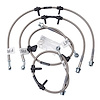
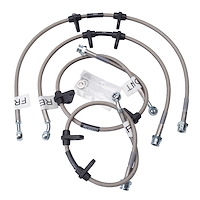
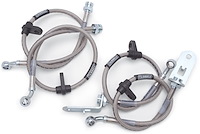
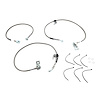
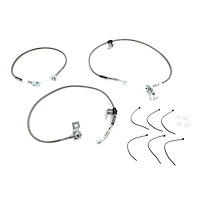
Shop brake hoses by brand when you want proven quality and correct fitment out of the box. For DOT-approved braided stainless lines and rubber replacements, Russell brake hoses offer application-specific kits for popular cars, trucks, and street rods. When you want a complete, pre-assembled solution, Wilwood brake flexline kits bundle matched hoses, fittings, and brackets for a clean install. A flexline kit takes the guesswork out of sizing because every line is cut and fitted for your front or rear application. Choosing by kit is the fastest way to upgrade all four corners at once with parts engineered to work together. If you're only refreshing one worn line, single application-specific hoses let you replace exactly what you need. Ready to firm up your pedal and stop the leaks? Shop Brake Hoses Now and add the matching hardware and fittings to complete the job with confidence.

ADD A VEHICLE TO GUARANTEE PARTS FIT
See products that fit

ADD A VEHICLE TO GUARANTEE PARTS FIT
See products that fit

 Lowest price guarantee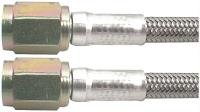
Frequently Asked Questions About Brake Hoses
How much does it cost to replace a brake hose?
Costs vary by vehicle, hose type, and whether you do the work yourself, so we don't list a fixed price. A single rubber hose is the least expensive option, while braided stainless lines and full flexline kits cost more but last longer. Buying the hose and handling the install yourself saves the most, and you can price parts directly on each product page.
Can you replace just one brake hose?
Yes, you can replace a single hose if only one is cracked, leaking, or ballooning. Many enthusiasts still choose to replace hoses in pairs or all four at once, since they usually age at a similar rate. Whichever you choose, always bleed the brakes afterward to remove trapped air and restore a firm pedal.
How long does it take to replace a brake hose?
A single brake hose replacement typically takes about 30 to 60 minutes per corner, plus time to bleed the system. The job goes faster with the vehicle safely lifted and the right line wrenches on hand. Rusted fittings can add time, so soak them with penetrating oil before you start.
Are braided brake hoses DOT approved?
Many braided stainless brake hoses are DOT-approved, but not all of them, so check the product listing before you buy. DOT-approved hoses meet federal safety standards and are legal for street use. If a hose isn't marked DOT-approved, treat it as off-road or track use only.
Do braided stainless brake hoses improve pedal feel?
Yes, braided stainless brake hoses usually give a firmer, more consistent pedal than aging rubber. The stainless braid resists the expansion that makes worn rubber hoses feel spongy under hard braking. You'll notice the difference most during repeated stops, towing, or track use.