


 Order Status & Returns
 Gift Cards
 Help Center
 1-800-345-4545

Brake Lines
Brake lines carry pressurized brake fluid to each wheel, so corroded or leaking tubing costs you stopping power. Shop universal brake line kits, pre-bent, vehicle-specific sets, and brake line tubing coils in stainless steel, nickel copper, and zinc-coated steel. Filter by material, outside diameter, and position, or add your vehicle to confirm fitment.
Show More
Should You Buy a Brake Line Kit or a Brake Line Coil?
Choose a brake line kit when you want matched lines in one box. Choose a brake line coil when you're bending custom runs for a swap, restomod, or race car.
The JEGS Universal Brake Line Kit Made in the USA uses 3/16 in. tubing for general-purpose jobs. Vehicle-specific complete sets cover the whole system, while front and rear axle kits replace one end only.
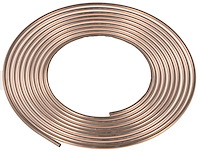
Coils give you raw brake line tubing to cut and flare yourself. JEGS offers NiCopp coils in 3/16 in. and 3/8 in. O.D. x 25 ft., plus stainless steel and zinc coil kits. Earl's steel hardline coil is another option for custom plumbing.
Planning a full brake plumbing job? Shop all brake hose, lines & fittings in one place.
Which Brake Line Material Should You Choose?
Pick the material based on how much corrosion your vehicle sees and how much bending you'll do. Each option trades durability against ease of installation.
- Zinc-coated steel is the OEM baseline and the easiest, lowest-cost choice for stock replacement.
- Stainless steel resists corrosion and abrasion, but it's harder to bend and flare.
- Nickel copper bends by hand, resists corrosion, and flares easily.
Stainless steel brake lines suit show cars and vehicles that see road salt, but they take patience and proper tooling. Learn how to flare stainless steel brake lines before you start cutting.
Nickel copper brake line is a forgiving choice if you're hand-forming lines for the first time. It's also a good fit for tight routing where a tubing bender won't reach.
What Size Brake Lines Do You Need?
Match the outside diameter (O.D.) of your original lines, and you'll order the right size. Measure the outside of the tube, not the inside, since brake line tubing is sold by O.D.
A 3/16 brake line is a common size on many cars and light trucks. JEGS also stocks 3/8 in. O.D. NiCopp tubing for applications that call for larger lines.
Tube size and fitting size go together. A 3/16 in. line needs tube nuts made for 3/16 in. tubing, with threads that match the port. Shop brake line fittings when your project needs new nuts or adapters.
If you're also upgrading master cylinders or brake proportioning valves, check port sizes and threads at each connection. Confirm every size before you bend any tubing.
What Are Pre-Bent, Vehicle-Specific Brake Line Kits?
Pre-bent brake lines are formed to match your vehicle's factory routing, so they install without hand-bending. They're a quick way to replace rusted lines on a stock or lightly modified vehicle.
JEGS complete stainless steel brake line kits fit applications like the 1967-1970 Chevrolet C10, 2007-2011 Jeep Wrangler JK, and 2005-2006 Ford F-250/F-350 Super Duty 4WD. Some kits suit specific setups, like 1967-1968 Camaro power disc brake conversions.
Kits come in ABS and non-ABS versions, so confirm your brake system type before you order. Add your vehicle to guarantee fit, then filter by Position for front, rear axle, or complete kits.
Replace worn clips and brackets with new brake line hardware so your new lines stay secured.
How Do You Flare and Install New Brake Lines?
Use the flare type your fittings require. Hydraulic brake systems typically use a 45-degree double flare or a bubble (ISO) flare. The 37-degree single flare is for AN fittings, so don't mix flare types.
Cut the tubing square, deburr it, and slide the tube nut on before you flare. The right brake system tools make clean, leak-free flares easier, especially on stainless. Practice a few flares on scrap tubing before you make the final cuts.
Route new lines away from exhaust heat and moving parts, and secure them along the frame. After installation, bleed the brakes and check every joint for seepage. If a fitting weeps, learn how to fix a brake fluid leak before you drive.
Brake Lines vs. Brake Hoses: What's the Difference?
Brake lines are rigid metal tubes that run along the body and frame. Brake hoses are flexible links that let the wheels and axle move without cracking the hard lines. Most systems use both, with lines on the long runs and hoses at the moving joints.
Hoses connect the hard lines to the brake components at each wheel or axle, where suspension travel would fatigue rigid tubing. If you're replacing lines on an older vehicle, inspect the hoses too, since aged rubber can crack or swell.
Shop brake hoses to complete the job. Russell competition hose assemblies in -3 AN size suit performance builds with AN plumbing. Read how long brake hoses last to spot the warning signs of failure.

ADD A VEHICLE TO GUARANTEE PARTS FIT
See products that fit

ADD A VEHICLE TO GUARANTEE PARTS FIT
See products that fit

JEGS
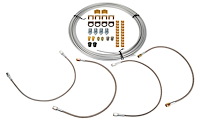
Complete Brake Line Kit for 2007-2008 Chevy Silverado, GMC Sierra 1500 4WD w/Extended/Crew Cab, Rear Drum [Stainless Steel]
Part Number: 555-636155
 Ships Tomorrow
 Lowest price guarantee
JEGS
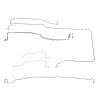
Complete Brake Line Kit for 2007-2008 Chevy Silverado, GMC Sierra 1500 4WD w/Extended/Crew Cab, Rear Drum [Stainless Steel]
Part Number: 555-636155
Ships TomorrowLowest Price Guarantee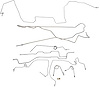
JEGS
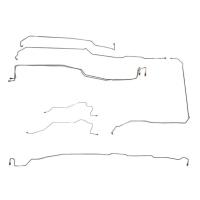
Complete Brake Line Set for 1973-1980 Chevy C10, GMC C1500 Trucks w/Power Brakes/Short Bed/Leaf Springs/5-Lug [Stainless Steel]
Part Number: 555-13538
Ships TomorrowLowest price guarantee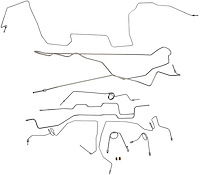
JEGS
Complete Brake Line Set for 1973-1980 Chevy C10, GMC C1500 Trucks w/Power Brakes/Short Bed/Leaf Springs/5-Lug [Stainless Steel]
Part Number: 555-13538
Ships TomorrowLowest Price Guarantee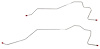
JEGS
Rear Axle Brake Line Set for Select 2007-2008 Chevy Silverado, GMC Sierra Trucks with Rear Drum/No-TCS [Stainless Steel]
Part Number: 555-13624
Ships TomorrowLowest price guarantee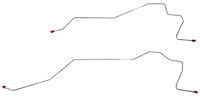
JEGS
Rear Axle Brake Line Set for Select 2007-2008 Chevy Silverado, GMC Sierra Trucks with Rear Drum/No-TCS [Stainless Steel]
Part Number: 555-13624
Ships TomorrowLowest Price Guarantee
JEGS
Rear Axle Brake Line Kit w/Hoses for 2003-2009 Dodge Ram 2500, 3500 V10 w/10.5 AAM Axle [Stainless]
Part Number: 555-636101
Ships TomorrowLowest price guarantee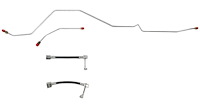
JEGS
Rear Axle Brake Line Kit w/Hoses for 2003-2009 Dodge Ram 2500, 3500 V10 w/10.5 AAM Axle [Stainless]
Part Number: 555-636101
Ships TomorrowLowest Price Guarantee
JEGS
Complete Brake Line Set for 2005-2008 Cadillac STS [Stainless Steel]
Part Number: 555-636167
Ships on Nov 24, 2026Lowest price guarantee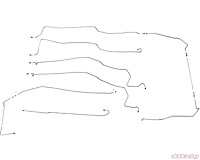
JEGS
Complete Brake Line Set for 2005-2008 Cadillac STS [Stainless Steel]
Part Number: 555-636167
Ships on Nov 24, 2026Lowest Price Guarantee
JEGS
Rear Axle Brake Line Kit for 1995-2000 GM 1500/2500/3500 Non-Dually Trucks [Stainless]
Part Number: 555-636240
Ships TomorrowLowest price guarantee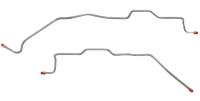
JEGS
Rear Axle Brake Line Kit for 1995-2000 GM 1500/2500/3500 Non-Dually Trucks [Stainless]
Part Number: 555-636240
Ships TomorrowLowest Price Guarantee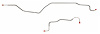
JEGS
Rear Axle Brake Line Set for 1999-2004 GM 1500 Trucks without Quadrasteer [Stainless Steel]
Part Number: 555-13610
Ships on 01/18/2027Lowest price guarantee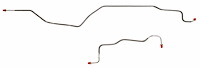
JEGS
Rear Axle Brake Line Set for 1999-2004 GM 1500 Trucks without Quadrasteer [Stainless Steel]
Part Number: 555-13610
Ships on 01/18/2027Lowest Price Guarantee
JEGS
Front Brake Line Kit for 2006-2009 Ram 1500 Mega Cab, 2500, 3500 4WD w/AWABS/CT [Stainless]
Part Number: 555-636077
Ships TomorrowLowest price guarantee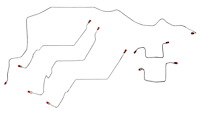
JEGS
Front Brake Line Kit for 2006-2009 Ram 1500 Mega Cab, 2500, 3500 4WD w/AWABS/CT [Stainless]
Part Number: 555-636077
Ships TomorrowLowest Price Guarantee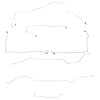
JEGS
Complete Brake Line Set for 2000-2005 Chevy Malibu, Olds. Alero, Pontiac Grand Am w/ABS, TC [Stainless Steel]
Part Number: 555-636125
Ships TomorrowLowest price guarantee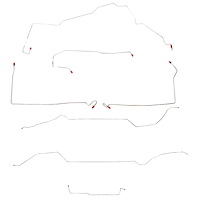
JEGS
Complete Brake Line Set for 2000-2005 Chevy Malibu, Olds. Alero, Pontiac Grand Am w/ABS, TC [Stainless Steel]
Part Number: 555-636125
Ships TomorrowLowest Price Guarantee
JEGS
Complete Brake Line Kit for 1995-2000 Chevy C2500, C3500 w/Regular Cab/Long Bed [Stainless Steel]
Part Number: 555-636116
Ships on 12/30/2026Lowest price guarantee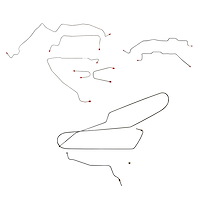
JEGS
Complete Brake Line Kit for 1995-2000 Chevy C2500, C3500 w/Regular Cab/Long Bed [Stainless Steel]
Part Number: 555-636116
Ships on 12/30/2026Lowest Price Guarantee
JEGS
Intermediate Lines for 07-18 Jeep Wrangler 4 Door Unlimited JK [Stainless Steel]
Part Number: 555-637329
Ships TomorrowLowest price guarantee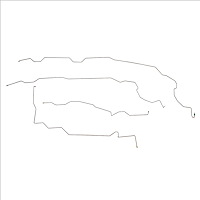
JEGS
Intermediate Lines for 07-18 Jeep Wrangler 4 Door Unlimited JK [Stainless Steel]
Part Number: 555-637329
Ships TomorrowLowest Price Guarantee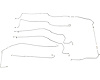
JEGS
Complete Brake Line Kit for 2002-2009 Chevy Trailblazer EXT [Stainless Steel]
Part Number: 555-636168
Ships on 12/16/2026Lowest price guarantee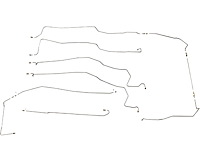
JEGS
Complete Brake Line Kit for 2002-2009 Chevy Trailblazer EXT [Stainless Steel]
Part Number: 555-636168
Ships on 12/16/2026Lowest Price Guarantee
JEGS
Rear Axle Brake Line Kit for 2002-2008 Dodge Ram 1500 w/9.25 Rear Disc [Stainless]
Part Number: 555-636100
Ships TomorrowLowest price guarantee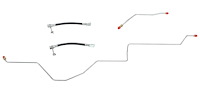
JEGS
Rear Axle Brake Line Kit for 2002-2008 Dodge Ram 1500 w/9.25 Rear Disc [Stainless]
Part Number: 555-636100
Ships TomorrowLowest Price Guarantee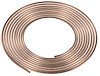
JEGS
Rear Axle Brake Lines 1999-2004 Ford F-250, F-350 Superduty/Excursion Set [Stainless]
Part Number: 555-95923
Ships TomorrowLowest price guarantee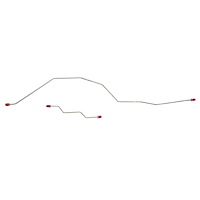
JEGS
Rear Axle Brake Lines 1999-2004 Ford F-250, F-350 Superduty/Excursion Set [Stainless]
Part Number: 555-95923
Ships TomorrowLowest Price Guarantee
JEGS
Complete Brake Line Set for 1995-1999 Chevy Suburban 4WD [Stainless Steel]
Part Number: 555-13524
Ships TomorrowLowest price guarantee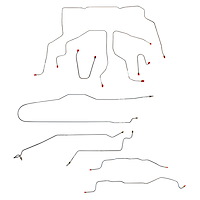
JEGS
Complete Brake Line Set for 1995-1999 Chevy Suburban 4WD [Stainless Steel]
Part Number: 555-13524
Ships TomorrowLowest Price Guarantee
JEGS
Brake Line Kit 1998-2001 Ford Ranger, Front [Stainless]
Part Number: 555-95909
Ships on 02/02/2027Lowest price guarantee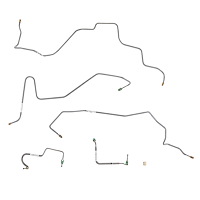
JEGS
Brake Line Kit 1998-2001 Ford Ranger, Front [Stainless]
Part Number: 555-95909
Ships on 02/02/2027Lowest Price Guarantee
JEGS
Rear Axle Brake Line Kit for 2001-2002 Dodge Ram 2500, 3500 w/Dana 80 [Stainless]
Part Number: 555-636099
Ships on 02/08/2027Lowest price guarantee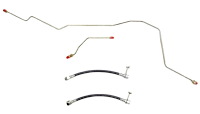
JEGS
Rear Axle Brake Line Kit for 2001-2002 Dodge Ram 2500, 3500 w/Dana 80 [Stainless]
Part Number: 555-636099
Ships on 02/08/2027Lowest Price Guarantee
JEGS
Complete Brake Line Set - with Power Disc Brake Conversion for 1964-1967 Chevy Chevelle (Hardtop), El Camino [Stainless]
Part Number: 555-13721
Ships TomorrowLowest price guarantee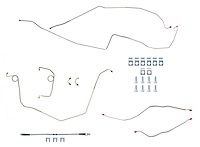
JEGS
Complete Brake Line Set - with Power Disc Brake Conversion for 1964-1967 Chevy Chevelle (Hardtop), El Camino [Stainless]
Part Number: 555-13721
Ships TomorrowLowest Price Guarantee
JEGS
Rear Axle Brake Line Kit for 1995-1999 GM Suburban 1500, Tahoe, Yukon [Stainless]
Part Number: 555-636239
Ships on 02/08/2027Lowest price guarantee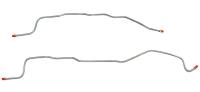
JEGS
Rear Axle Brake Line Kit for 1995-1999 GM Suburban 1500, Tahoe, Yukon [Stainless]
Part Number: 555-636239
Ships on 02/08/2027Lowest Price Guarantee
JEGS
Front Brake Line Kit for 1995-1997 Dodge Ram 1500, 2500, 3500 4WD Trucks w/RWABS, Two-Block LH [Stainless]
Part Number: 555-636086
Ships TomorrowLowest price guarantee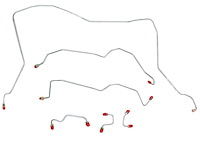
JEGS
Front Brake Line Kit for 1995-1997 Dodge Ram 1500, 2500, 3500 4WD Trucks w/RWABS, Two-Block LH [Stainless]
Part Number: 555-636086
Ships TomorrowLowest Price Guarantee

JEGS
Brake Line Kit 1994-1997 Ford Ranger (2wd, RWABS, Disc/Drum [Stainless]
Part Number: 555-95904
Ships TomorrowLowest price guarantee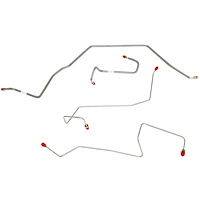
JEGS
Brake Line Kit 1994-1997 Ford Ranger (2wd, RWABS, Disc/Drum [Stainless]
Part Number: 555-95904
Ships TomorrowLowest Price GuaranteeFrequently Asked Questions About Brake Lines
How Often Should You Inspect Brake Lines?
There's no fixed replacement interval for brake lines. Inspect them whenever you service the brakes or have the vehicle on a lift. Replace any line that shows heavy rust, kinks, flattened spots, or wet fittings.
Are Nickel Copper Brake Lines DOT Approved?
Yes. JEGS NiCopp is seamless copper-nickel alloy tubing that's DOT-approved for hydraulic brake systems. It comes in 3/16 in. and 3/8 in. O.D. x 25 ft. coils, so pair it with fittings sized for the same O.D.
Do You Need to Bleed the Brakes After Replacing Brake Lines?
Yes. Opening the system lets air in, and air in the lines makes the pedal feel soft. Bleed every wheel the new lines feed, then recheck pedal feel before you drive.
Can You Replace Just One Section of Brake Line?
Yes, if you use matching O.D. tubing, the correct flare, and a proper union fitting. If the rest of the system shows heavy corrosion, a complete kit saves you from chasing leaks later.
What Causes Brake Lines to Fail?
Corrosion is the usual culprit, especially on steel lines exposed to road salt and moisture. Abrasion against the frame, kinks from poor routing, and missing clips can also damage tubing. Stainless steel and nickel copper resist corrosion better than plain coated steel.