


 Order Status & Returns
 Gift Cards
 Help Center
 1-800-345-4545
Brake Line Fittings
Brake line fittings connect, adapt, and seal the hard lines and hoses in your brake system, and this category covers adapters, banjo fittings, unions, tees, bulkhead nuts, caliper inlet adapters, and hose ends in both AN and inverted-flare sizes. You'll find steel, stainless steel, and anodized aluminum options sized to match common thread and flare standards. Whether you're plumbing a street build, a race car, or a restoration, these fittings help you route brake pressure safely.
Show More
What Are the Three Types of Brake Line Fittings?
Brake line fittings fall into three main types: flare fittings, banjo fittings, and compression fittings. Each style seals differently, so the type you need depends on how your lines and components connect.
Here's how the three types compare:
- Flare fittings: A cone-shaped flare on the tube seals against a matching seat. Automotive hard lines typically use a 45-degree double (inverted) flare, while AN systems use a 37-degree flare.
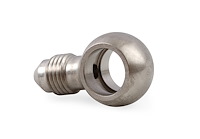
- Banjo fittings: A hollow bolt passes through a round banjo body, letting fluid turn tight corners at calipers and master cylinders where space is limited.
- Compression fittings: A ferrule squeezes around the tube as you tighten the nut, sealing without a flare, which makes them handy for certain low-pressure connections.
Knowing which type your system uses helps you pick fittings that seal correctly the first time and avoid mixing incompatible sealing surfaces.
How Do AN and Inverted-Flare Fitting Sizes Work?
AN sizes count the tube's inner diameter in sixteenths of an inch, while inverted-flare sizes are called out by thread.
An AN number equals the inner diameter measured in sixteenths of an inch, so AN-3 is 3/16 inch and AN-6 is 3/8 inch, and AN fittings seal with a 37-degree flare. Inverted-flare SAE fittings use a 45-degree double flare and are identified by thread size, such as 3/8-24, 7/16-24, or metric 10mm x 1.0. Because AN uses a 37-degree flare and inverted flare uses 45 degrees, you can't join the two directly, so you need a brake line adapter to bridge them. Matching both the flare angle and the thread is what makes a leak-free seal, and it's the most common place people get brake line fitting sizes wrong. For a full breakdown, read our AN fitting sizes explained guide.
Which Materials and Finishes Should You Choose?
Choose the material based on corrosion resistance, strength, and where the fitting lives on the vehicle.
Steel fittings with zinc plating give you strong, budget-friendly corrosion resistance and pair well with steel hard lines. Stainless steel resists rust and road salt, making it a durable choice for daily drivers and exposed underbody routing. Anodized aluminum, available in colors and black, is lightweight and popular for AN plumbing on performance and show builds. Match your fittings to the lines they join: use steel or stainless with steel brake lines, and pair AN aluminum fittings with braided brake hoses. If your build sees track heat, salt, or long-term storage, stainless and anodized finishes hold up better over time than plain plated steel. For most stock replacements on steel hard lines, zinc-plated steel keeps costs down while sealing reliably. Reserve anodized aluminum AN fittings for flared systems, since aluminum is softer and belongs on 37-degree AN connections rather than high-torque inverted-flare hard lines.
Which Brands Make Brake Line Fittings?
Several established brands make the brake line fittings carried here, each with its own strengths.
Earl's Performance Plumbing builds AN adapters, hose ends, and plumbing components for performance and racing applications. Russell offers a broad range of AN and inverted-flare fittings, adapters, and brake plumbing hardware. Wilwood produces caliper inlet fittings, adapters, and brake system components designed to work with its brake kits. Vibrant Performance makes anodized aluminum AN fittings, unions, and adapters in a range of sizes and colors. Each of these lines is in stock and ready to ship, so you can match a banjo brake fitting, union, or adapter to the flare and thread standards your build uses without guessing at cross-compatibility. Sticking with one brand across your plumbing keeps flare angles, sealing surfaces, and finishes consistent, which reduces the chance of a mismatched connection. If you already run a specific brake kit or hose line, start with the matching brand's fittings, then add adapters only where you need to cross standards.
How Do You Choose the Right Brake Line Fitting?
Start by identifying the flare angle and thread size on your existing line or component, then match the fitting to it.
Confirm whether your system uses a 37-degree AN flare or a 45-degree inverted flare, and read the thread size before you buy. When you're joining two different standards, add a brake fitting adapter rather than forcing a mismatched seal. Size the fitting to the line's inner diameter so flow and pressure stay consistent across the system. If you're building or repairing a full setup, browse related brake line hardware and the complete brake hose, lines and fittings selection, or step up to AN fittings and hose for custom plumbing. For hands-on help, read how to flare brake line tubing and how to assemble AN fittings and hose. Shop brake line fittings now to get the exact inverted flare fitting or adapter your build needs.

ADD A VEHICLE TO GUARANTEE PARTS FIT
See products that fit

ADD A VEHICLE TO GUARANTEE PARTS FIT
See products that fit





AEROSPACE COMPONENTS
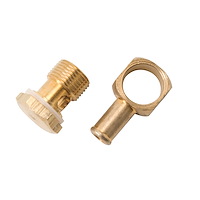
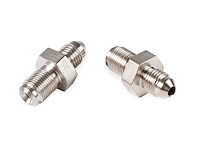
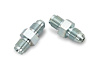
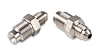
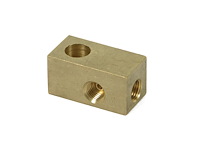
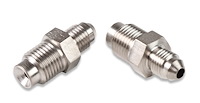
3/16 Hard Line Adapters 3/16 Inverted Flare Female x 1/8 NPT Male Adapters
Part Number: 026-AC-HL-AD
 Ships Today
 Lowest price guarantee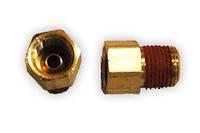
AEROSPACE COMPONENTS
3/16 Hard Line Adapters 3/16 Inverted Flare Female x 1/8 NPT Male Adapters
Part Number: 026-AC-HL-AD
Ships TodayLowest Price Guarantee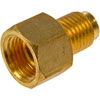
FRAGOLA PERFORMANCE SYSTEMS
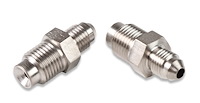
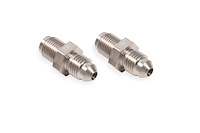
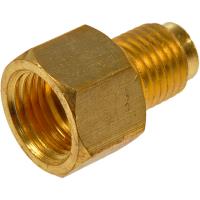
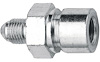
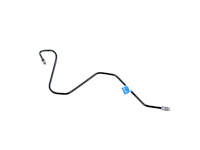
650204 Steel Tubing Adapter - 502 -3 AN x 7/16 in.-24 Inverted Flare
Part Number: 305-650204
Ships TodayLowest price guarantee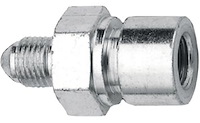
FRAGOLA PERFORMANCE SYSTEMS
650204 Steel Tubing Adapter - 502 -3 AN x 7/16 in.-24 Inverted Flare
Part Number: 305-650204
Ships TodayLowest Price Guarantee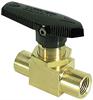

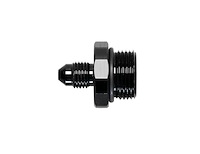
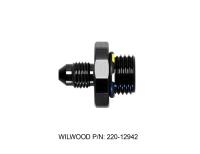
WILWOOD
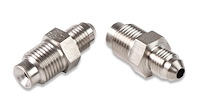
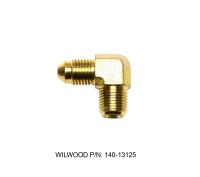
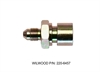
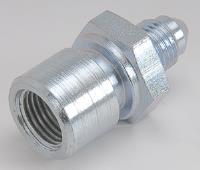
220-14909 Compact Remote Master Cylinder Inlet Fitting 11/16-20 to 1/8-27
Part Number: 950-220-14909
Ships on 10/19/2026Lowest price guarantee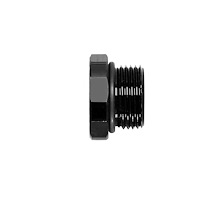
WILWOOD
220-14909 Compact Remote Master Cylinder Inlet Fitting 11/16-20 to 1/8-27
Part Number: 950-220-14909
Ships on 10/19/2026Lowest Price Guarantee

Frequently Asked Questions About Brake Line Fittings
How often should you inspect brake line fittings?
Check your fittings at every brake service and any time you notice a soft pedal, fluid loss, or dampness near a connection. Look for weeping, corrosion, and cracked or rounded nuts. Catching a seeping fitting early prevents a bigger failure down the road.
Do brake line fittings need thread sealant or Teflon tape?
AN and flare fittings seal on the flare surface, not the threads, so you should not use tape or sealant on them. Tape can shred and contaminate your brake fluid. NPT pipe-thread ports are the exception, since those threads do seal and call for the correct sealant.
Will these brake line fittings fit my vehicle?
Fit comes down to matching the size, thread, and flare angle of your existing lines and components rather than the vehicle alone. Measure your line's inner diameter and identify the thread before ordering. Use the site's Add a Vehicle fitment tool to confirm compatibility for application-specific parts.
Can you reuse brake line fittings?
You can often reuse a fitting nut or adapter if the sealing surfaces and threads are clean and undamaged. Flares and soft aluminum sealing washers tend to deform once tightened, so replace those to be safe. When in doubt, install a new fitting rather than risk a leak in a pressure system.