


 Order Status & Returns
 Gift Cards
 Help Center
 1-800-345-4545
Bulk Gasket Material
Bulk gasket material lets you cut custom gaskets when a pre-cut part isn't available or won't fit your build. This category offers sheets, rolls, and sets in cellulose (Karropak), cork-rubber, rubber-cellulose, steel-core, and exhaust gasket material, plus gasket makers and sealers. You can compare thickness, sheet size, and roll length in one place, then match the material to your flange, fluid, and heat.
Show More
Types of Gasket Material for Automotive Engines
Automotive gasket material comes in five main types, and each suits a different flange, fluid, and clamp load. Pick the right one and you'll avoid leaks caused by overcompression, fluid breakdown, or heat. Here's how the options in this category break down:
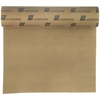
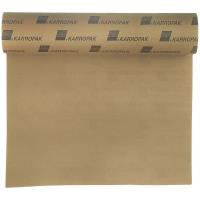
- Cellulose (Karropak) gasket paper for water pumps, thermostat housings, and other flat, machined flanges
- Cork-rubber sheet that compresses to seal stamped valve covers, oil pans, and flexible flanges
- Rubber-cellulose sheet that resists oil and water with less crush than cork
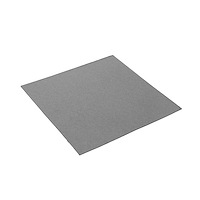
- Steel-core non-asbestos sheet for flanges that need extra blowout resistance
- Exhaust gasket material for header, manifold, and collector flanges that see exhaust heat
Fel-Pro supplies most of the sheet and roll stock here, including Karropak, cork-rubber, rubber-cellulose, and a water-resistant steel-core sheet. If a pre-cut replacement exists for your engine, browse engine gaskets and seals first. For build-specific advice, dig into our engine and components tech articles.
Gasket Material Sheet vs. Gasket Material Roll
Buy a gasket material sheet for one-off repairs, and buy a gasket material roll if you cut gaskets often or need long, single-piece gaskets. Sheets range from small cut sizes, like a 10 x 10 in. exhaust sheet or 12 x 36 in. Karropak sheet, up to 36 x 18 in. stock. Rolls come 36 in. wide in 15-yard and 25-yard lengths.
Choose a sheet when you're sealing a single housing or cover and want to test a thickness before you commit. Choose a roll when you're running a shop, building several engines, or cutting a one-piece gasket for a long oil pan rail. A roll also keeps one thickness on the shelf, so you're not waiting on parts mid-build.
If you're not sure which material you need, a gasket material set packs several types and thicknesses into one purchase. Every listing shows material, thickness, and dimensions, so compare those before you add to cart. When a factory-shape gasket already exists, you can also shop all gaskets and seals.
How to Choose High-Temp and Exhaust Gasket Material
Use exhaust gasket material on any flange that sees exhaust gas, and save cellulose and cork-rubber for fluid-sealing jobs. Paper and cork aren't built for exhaust heat, so they can burn out or blow out at a header flange. Sheets like Mr. Gasket Performance Exhaust Gasket Material and Ultra Seal Exhaust let you cut custom shapes for headers and collectors.
Before you cut, check the port shape and size, the bolt pattern, and the flange's flatness. A warped or pitted flange may need thicker, more compressible material, while a machined flange seals with thinner stock. Retorque exhaust fasteners after a few heat cycles, since the gasket settles as it compresses.
For port-matching tips, read our exhaust gasket sizing and installation guide. You'll find pre-cut header and manifold gaskets in exhaust gaskets and seals. Compare more exhaust sheet options on this page, and see our exhaust system tech articles for build advice.
How to Cut Custom Gaskets From Sheet Material
You can cut a custom gasket from sheet material with a sharp utility knife, a hole punch, and the part you're sealing. Most gasket making material cuts easily by hand, so you won't need special tools for covers and housings. Start with a clean, dry flange and material that matches the original gasket's thickness.
Follow these steps for a clean cut that lines up on the first try:
- Lay the sheet over the flange and trace the outline, inner opening, and bolt holes
- Punch the bolt holes first, then slide bolts through them to hold the sheet in place
- Cut the inner opening, then trim the outer edge with steady, single passes
- Test-fit the gasket and trim any material that overhangs a port or passage
On cast parts, you can also tap the sheet gently along the flange edge with a ball-peen hammer to mark the shape. Keep your blade sharp, since a dull edge tears cork-rubber and paper. If your project also routes wiring or lines through sheet metal, add firewall and panel grommets to your order.
Pairing Gasket Material With Sealers and Gasket Makers
Add a thin coat of sealer to a cut gasket when the flange is rough or pitted. Use a gasket maker alone on flanges built for formed-in-place sealing. The right pairing depends on flange type, fluid, and whether the part will come apart again. Here's how the options in this category fit together.
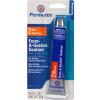
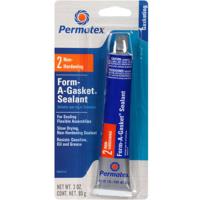
Permatex Form-A-Gasket No. 2 comes in 1.5 oz. and 3 oz. sizes, and you can apply it to both sides of a cut gasket. Anaerobic gasket maker cures without air between rigid, machined metal flanges, so it seals tight-fitting parts without a cut gasket. RTV gasket maker, including an automatic transmission formula, forms a flexible bead for stamped covers and pans.
Use sealer sparingly. Too much can squeeze into oil passages or let the gasket slide out of place as you torque the bolts. To match a sealer to your gasket material, shop all sealers and adhesives.

ADD A VEHICLE TO GUARANTEE PARTS FIT
See products that fit

ADD A VEHICLE TO GUARANTEE PARTS FIT
See products that fit
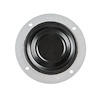
![Firewall Grommet Seal, Round Bubble Style [.415 in. I.D. Hole]](https://www.jegs.com/images/mini_100/500/555/555-60789.jpg)
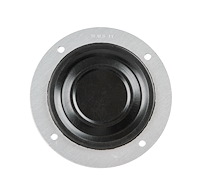
![Firewall Grommet Seal, Round Bubble Style [.415 in. I.D. Hole]](https://www.jegs.com/images/mini_200/500/555/555-60789.jpg)

STEELE RUBBER PRODUCTS
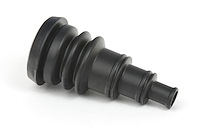
32-0220-21 1-1/2 in. Firewall Grommet
Part Number: 521-32-0220-21
 Ships on 10/13/2026
 Lowest price guarantee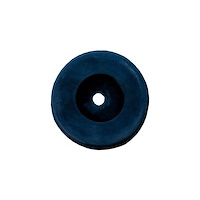
STEELE RUBBER PRODUCTS
32-0220-21 1-1/2 in. Firewall Grommet
Part Number: 521-32-0220-21
Ships on 10/13/2026Lowest Price Guarantee
STEELE RUBBER PRODUCTS
32-0066-20 15/16 in. Firewall Grommet
Part Number: 521-32-0066-20
Ships on 10/13/2026Lowest price guarantee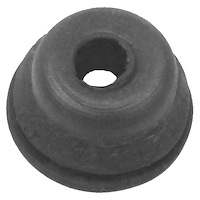
STEELE RUBBER PRODUCTS
32-0066-20 15/16 in. Firewall Grommet
Part Number: 521-32-0066-20
Ships on 10/13/2026Lowest Price Guarantee
STEELE RUBBER PRODUCTS
32-0394-20 1-3/16 in. Firewall Grommet
Part Number: 521-32-0394-20
Ships on 10/13/2026Lowest price guarantee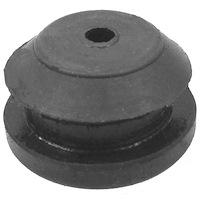
STEELE RUBBER PRODUCTS
32-0394-20 1-3/16 in. Firewall Grommet
Part Number: 521-32-0394-20
Ships on 10/13/2026Lowest Price Guarantee
STEELE RUBBER PRODUCTS
32-0422-20 1-7/16 in. Firewall Grommet
Part Number: 521-32-0422-20
Ships on 10/13/2026Lowest price guarantee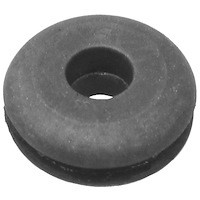
STEELE RUBBER PRODUCTS
32-0422-20 1-7/16 in. Firewall Grommet
Part Number: 521-32-0422-20
Ships on 10/13/2026Lowest Price Guarantee
STEELE RUBBER PRODUCTS
32-0112-20 1-3/16 in. Firewall Grommet
Part Number: 521-32-0112-20
Ships on 10/13/2026Lowest price guarantee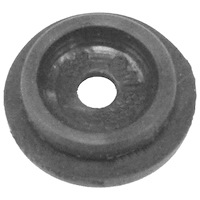
STEELE RUBBER PRODUCTS
32-0112-20 1-3/16 in. Firewall Grommet
Part Number: 521-32-0112-20
Ships on 10/13/2026Lowest Price Guarantee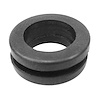
STEELE RUBBER PRODUCTS
32-0134-20 1-5/16 in. Firewall Grommet
Part Number: 521-32-0134-20
Ships on 10/13/2026Lowest price guarantee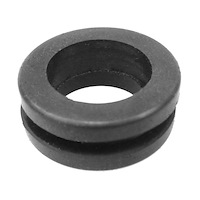
STEELE RUBBER PRODUCTS
32-0134-20 1-5/16 in. Firewall Grommet
Part Number: 521-32-0134-20
Ships on 10/13/2026Lowest Price Guarantee
STEELE RUBBER PRODUCTS
50-0532-20 1-5/16 in. Firewall Grommet
Part Number: 521-50-0532-20
Ships on 10/13/2026Lowest price guarantee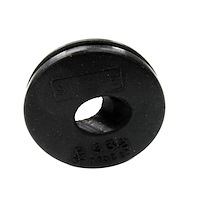
STEELE RUBBER PRODUCTS
50-0532-20 1-5/16 in. Firewall Grommet
Part Number: 521-50-0532-20
Ships on 10/13/2026Lowest Price Guarantee
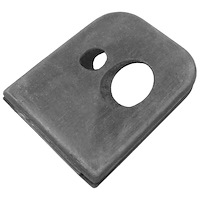
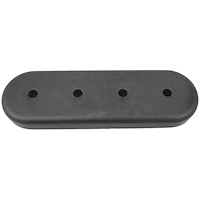
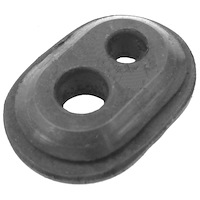
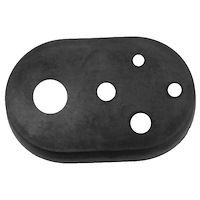
STEELE RUBBER PRODUCTS
70-0198-20 1-1/4 in. Firewall Grommet
Part Number: 521-70-0198-20
Ships on 10/13/2026Lowest price guarantee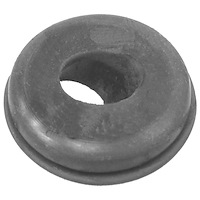
STEELE RUBBER PRODUCTS
70-0198-20 1-1/4 in. Firewall Grommet
Part Number: 521-70-0198-20
Ships on 10/13/2026Lowest Price Guarantee
STEELE RUBBER PRODUCTS
70-1013-20 1-3/8 in. Firewall Grommet
Part Number: 521-70-1013-20
Ships on 10/13/2026Lowest price guarantee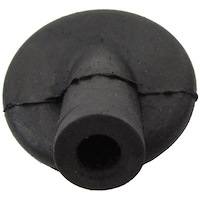
STEELE RUBBER PRODUCTS
70-1013-20 1-3/8 in. Firewall Grommet
Part Number: 521-70-1013-20
Ships on 10/13/2026Lowest Price GuaranteeFrequently Asked Questions About Gasket Material
What Is the Best Material for a Gasket?
The right material depends on the fluid, heat, and flange you're sealing. Cellulose paper suits machined water and oil flanges, and cork-rubber seals stamped covers. Steel-core and exhaust material handle higher loads and heat, so match the original gasket when you can.
Can I Make My Own Gasket?
Yes. Making your own gasket makes sense when a pre-cut gasket is discontinued, back-ordered, or doesn't match a custom part. It's also handy for one-off adapters, spacers, and fabricated brackets. For high-load joints like cylinder heads, use a purpose-built pre-cut gasket instead.
When Should You Not Use Gasket Sealer?
Skip sealer when the gasket manufacturer calls for a dry install, which is common on coated and multi-layer gaskets. Don't add it to head gaskets unless the instructions specify it. Extra sealer can also squeeze into passages or let a gasket shift under torque.
How Thick Should Gasket Material Be?
Match the original gasket's thickness whenever possible, since thickness changes part spacing and clamp load. Thin stock, such as 1/64 in., suits flat, machined flanges. Thicker stock, such as 3/32 in. cork-rubber, fills gaps on stamped or slightly warped flanges.
Is Cork or Rubber Gasket Material Better for Valve Covers?
Cork-rubber is a common choice for stamped-steel valve covers because it compresses to fill uneven flanges. Solid rubber gaskets resist overcompression and are often reusable, which suits cast aluminum covers. Whichever you pick, torque the cover bolts evenly and don't overtighten them.