


 Order Status & Returns
 Gift Cards
 Help Center
 1-800-345-4545
O2 Sensors for Automotive Exhausts
Oxygen sensors measure the unburned oxygen in your exhaust so your engine computer or tuning setup can keep the air/fuel ratio on target. You'll find OE-style replacement sensors, wideband O2 sensors, weld-in bungs and extension harnesses for street and race builds. Use the vehicle fitment selector and Position filter to find the right sensor for your ride.
Show More
What Do Oxygen Sensors Do?
An O2 sensor measures how much unburned oxygen is left in your exhaust and sends that reading to your engine computer as a voltage signal. The computer uses it to adjust fueling and hold the air/fuel ratio near 14.7:1, the stoichiometric point for gasoline.
A rich mixture produces roughly 0.8-1 volt, while a lean mixture drops to about 0.1 volt. Sensors don't read accurately until they reach around 600-650°F. That's why most modern sensors are heated, so your engine gets into closed-loop operation faster after a cold start.
Why does this matter for your build? An accurate reading helps you get consistent power, a smooth idle and better fuel economy. A lazy or failed sensor pushes the mixture off target and hurts all three. Learn more about why air/fuel ratio matters for performance.
Oxygen sensors work alongside mass air flow sensors and other engine sensors to give your computer a full picture of what's happening inside the engine.
Narrowband vs Wideband O2 Sensors
A narrowband O2 sensor tells your computer whether the mixture is rich or lean. A wideband O2 sensor reports the actual air/fuel ratio across a wider range.
Narrowband sensors use up to four wires and read accurately only in a tight window around 14.6-14.8:1. That's all a factory computer needs for idle and cruise, which is why OE systems use them.
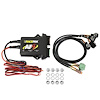
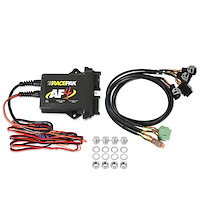
A wideband sensor gives you a usable number at wide-open throttle, where a performance engine often runs richer than stoichiometric. That makes it the go-to choice for dyno sessions, track tuning and EFI setups. A wideband needs a controller to read its signal, so pair it with computer tuning monitors such as the Racepak wideband 4-channel controller. You can also display the reading on one of our performance gauges that supports wideband input.
Is your current wideband sensor worn out? FAST offers replacement wideband O2 sensors, so you can keep your controller and swap only the sensor.
Upstream vs Downstream Oxygen Sensors
Upstream sensors sit ahead of the catalytic converter and control fueling, while downstream sensors sit after the converter and monitor how well it's working. Most 1996 and newer vehicles use both upstream and downstream sensors under OBD-II.
The upstream sensor switches quickly between about 0.1 and 0.9 volt as the computer trims the mixture. A healthy downstream sensor holds a steadier signal near 0.5 volt because the converter evens out oxygen levels. If the downstream reading starts to mirror the upstream one, your catalytic converters may not be doing their job.
A V6 or V8 with dual exhaust typically runs four sensors, with one upstream and one downstream on each bank. Use the Position filter and fitment selector to match the exact sensor your vehicle needs.
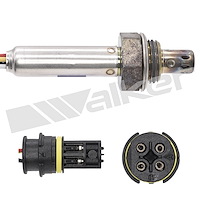
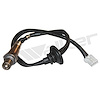
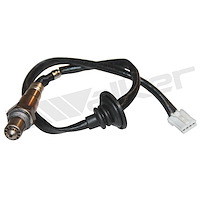
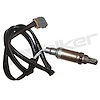
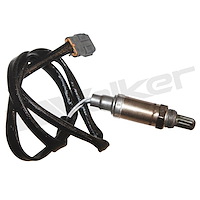
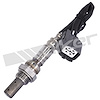
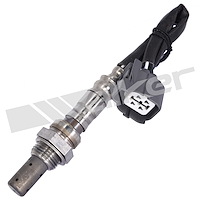
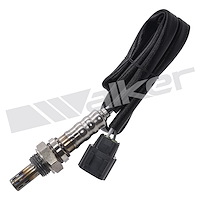
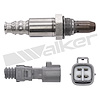
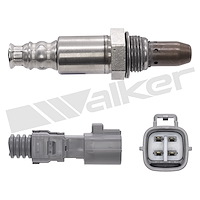
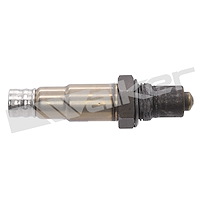
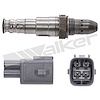
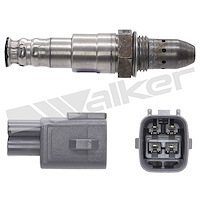
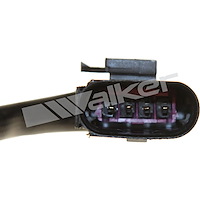
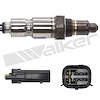
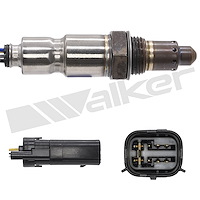
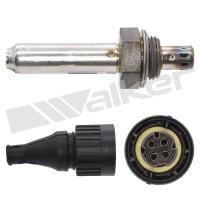
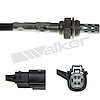
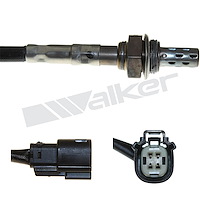
For an OE-style replacement oxygen sensor, look at Denso, NGK (NTK) and Walker Products. Chasing other emissions codes? Browse related exhaust emissions sensors.
O2 Sensor Bungs, Mounts and Extension Harnesses
If you're adding a sensor to headers or a custom exhaust, you need an O2 sensor bung or mount to hold it.
Headers, long-tube swaps and new exhaust system kits often move the sensor location. Place the sensor where it sees exhaust from the cylinders you want to read. Getting the mounting and wiring right keeps your readings accurate and your harness safe from heat and strain.
Here's what to look for when you plan your install:
- Weld-in O2 sensor bungs give your sensor a threaded mounting point on a header collector or exhaust pipe.
- Block-off plugs seal an unused bung, and FAST offers both O2 bungs and plugs.
- A no-weld O2 sensor mount from AEM Electronics lets you add a sensor without welding on your exhaust.
- An extension harness from Caspers Electronics adds length when relocated headers put the sensor out of reach.
- The Holley O2 sensor extension cable gives you extra wire length to route your sensor cleanly.
Using Oxygen Sensors to Tune a Carbureted or EFI Engine
A wideband O2 sensor shows your real-time air/fuel ratio, so you can tune a carbureted or EFI engine with data instead of guesswork. It gives you a clear read on what your engine needs at idle, cruise and wide-open throttle.
On a carbureted engine, a sensor and gauge show whether you need to change jets or adjust the idle mixture. If you're still choosing the right carburetor, a wideband makes it easier to dial in whichever carburetors you run. The Edelbrock air/fuel ratio monitor uses its own replacement O2 sensor, so match the sensor to your monitor.
On a fuel-injected engine, the sensor feeds your EFI system's closed-loop corrections so it can adjust fueling on its own. If you're converting a carburetor to fuel injection, plan for an O2 sensor bung in your exhaust before you install the system.
Shop All Oxygen Sensors & Components and use the fitment selector to find the right sensor for your vehicle.

ADD A VEHICLE TO GUARANTEE PARTS FIT
See products that fit

ADD A VEHICLE TO GUARANTEE PARTS FIT
See products that fit
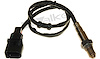
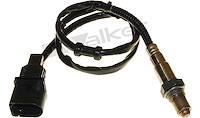
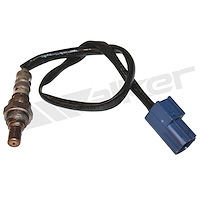
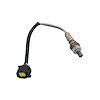
MOPAR ACCESSORIES
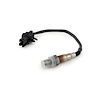
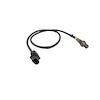
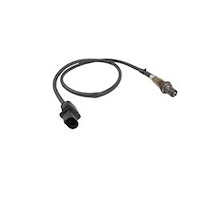
56041944AA Oxygen Sensor Fits Select Dodge/Jeep Models
Part Number: 293-56041944AA
 Ships Today
 Lowest price guarantee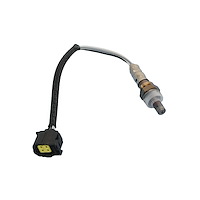
MOPAR ACCESSORIES
56041944AA Oxygen Sensor Fits Select Dodge/Jeep Models
Part Number: 293-56041944AA
Ships TodayLowest Price Guarantee
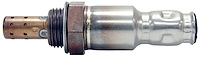
NGK SPARK PLUGS
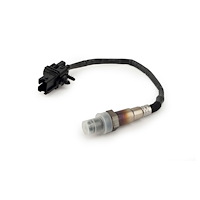
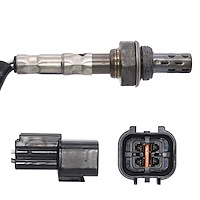
25247 NGK/NTK OE Identical Oxygen Sensor for 2015-2016 Hyundai Genesis
Part Number: 739-25247
Ships TodayLowest price guarantee
NGK SPARK PLUGS
25247 NGK/NTK OE Identical Oxygen Sensor for 2015-2016 Hyundai Genesis
Part Number: 739-25247
Ships TodayLowest Price Guarantee
Frequently Asked Questions About Oxygen Sensors
What Happens When an Oxygen Sensor Goes Bad?
A failing oxygen sensor usually triggers your check engine light. You may also notice a rough idle, lower fuel mileage, hesitation or black smoke from the exhaust. Check live sensor data with a scan tool or test the sensor with a multimeter to confirm the problem.
How Many O2 Sensors Does a Car Have?
Most 1996 and newer vehicles have at least two O2 sensors, one upstream and one downstream of the catalytic converter. A V6 or V8 with dual exhaust typically has four. Check your vehicle's fitment before you order.
How Much Do Oxygen Sensors Cost?
Prices start under $20, and some oxygen sensors cost over $400. Price depends on the sensor type, the brand and your vehicle's application. Use the fitment selector to compare sensors that fit your ride.
Can I Replace My O2 Sensor Myself?
Yes, most DIY builders can swap a direct-fit replacement oxygen sensor at home. Unplug the connector, remove the old sensor and thread in the new one, then clear stored codes with a scan tool. Don't try to clean an old sensor, because cleaning can damage it.
How Often Should You Replace Oxygen Sensors?
Many manufacturers recommend replacing oxygen sensors every 60,000-90,000 miles. Check your owner's manual for your vehicle's interval. Replace a sensor sooner if you see failure symptoms or sensor-related trouble codes.