


 Order Status & Returns
 Gift Cards
 Help Center
 1-800-345-4545
Fuel Additives
Fuel additives help you keep injectors clean, protect stored fuel, and get more consistent performance from gas and diesel engines. This category covers cleaners, stabilizers, octane and cetane boosters, cold-weather diesel treatments, and diesel exhaust fluid. Many in-stock items ship today, so you can treat your next tank without waiting.
Show More
What Types of Fuel Additives Are There?
There are six main types of fuel additives, each targeting a different problem in your tank, fuel lines, or combustion chamber:
- Fuel system cleaners that clear deposits from injectors, intake valves, and combustion chambers
- Fuel stabilizers and ethanol fuel treatments that slow fuel breakdown during storage
- Octane boosters that raise knock resistance in gasoline engines
- Cetane boosters that help diesel fuel ignite more readily
- Diesel anti-gel treatments that help keep fuel flowing in cold weather
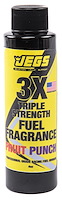
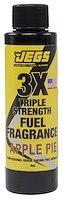
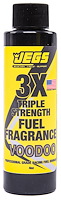
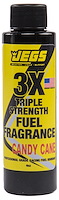
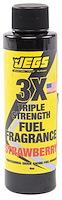
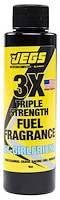
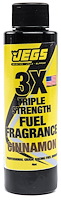
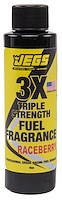
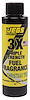
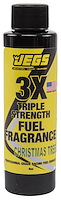
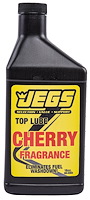
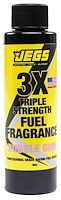
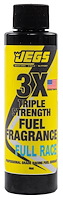
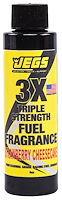
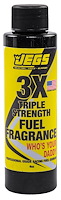
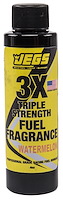
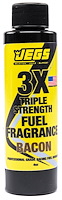
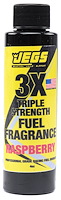
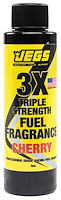
- Fuel fragrances that change the exhaust smell of race fuel
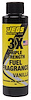
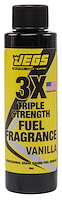
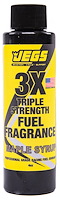
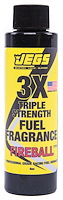
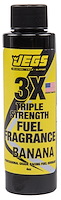
The first five protect or improve your engine. Fuel fragrances are more about comfort in the pits, and Power Plus Fuel Fragrance comes in scents like Victory Vanilla, Groovy Grape, and Banana Blast. Most owners don't need every type, so start with the problem you're solving.
If your routine also includes oil changes, coolant, and other fluids, browse the full lineup of oils, fluids and additives to build your maintenance order in one stop.
How Do You Choose the Best Fuel Additive for Your Engine?
The best fuel additive depends on your fuel type, how you drive, and the problem you're fixing. Match it to gas or diesel first, then narrow by goal.
For rough idle or sluggish throttle response, start with a fuel system cleaner. Royal Purple Max-Clean Fuel System Treatment comes in a 6 oz bottle for gasoline engines. For older, high-mileage engines, Lucas Oil High Mileage Fuel Treatment is a 5.25 oz option built for that use.
If your car sits for weeks, a stabilizer matters more than a cleaner. Diesel owners should look at cetane and anti-gel products. Confirm the label fits your fuel and engine.
An additive won't fix a mechanical problem. If symptoms persist, check filters, sensors, and fuel pressure. It also helps to understand why the right air-fuel ratio matters for performance before you blame the fuel.
Pair your fuel treatment with the right engine oils and additives to cover both sides of engine care.
Octane Boosters for Performance and Race Engines
An octane booster raises your fuel's resistance to knock, which matters most in high-compression, boosted, or aggressively timed gasoline engines. If your engine pings under load, a booster can help protect it while you find the cause.
The NOS Octane Booster Race Formula comes in a 16 oz bottle. Follow the label dosage, since extra won't guarantee better results. Results vary by engine, base fuel, and tune.
Knock isn't always a fuel problem. Lean mixtures, excess timing, carbon buildup, and heat can all cause it. Before you reach for a bottle, read our guide on engine knocking under acceleration to rule out other causes.
If you run race gas and want a better-smelling pit area, a race fuel additive like a fuel fragrance is a simple upgrade. For bigger changes to fuel flow, pumps, injectors, or carburetors, browse our air and fuel delivery parts to match your fuel system to your power goals.
Which Diesel Fuel Additives Do You Need?
Your truck may need a cetane booster for combustion, an anti-gel for winter, and diesel exhaust fluid for SCR systems.
A cetane booster helps diesel fuel ignite more readily. Options include Lucas Oil Cetane Power Booster in a 64 oz jug, Royal Purple Max-Tane Diesel Additive in 10 oz, Red Line Oil 85 Plus Diesel Fuel Enhancer in 12 fl oz, and VP Racing Fuels Diesel Additive in 16 oz. Pro-Blend Diesel Cool comes in a 16 oz bottle for diesel fuel treatment.
A diesel anti-gel helps keep fuel flowing when temperatures drop. Red Line Oil Diesel Anti-Gel comes in 15 oz, and Lucas Oil Anti-Gel Cold Weather Diesel Fuel Treatment comes in 1 qt. Add it before the cold hits to prevent gelling.
ACDelco Diesel Exhaust Fluid comes in 1 gal and 2.5 gal containers. DEF goes in the DEF tank only, never in your fuel tank. Check your owner's manual for the fill point.
How Do Fuel Stabilizers Protect Stored Fuel?
A fuel stabilizer slows the breakdown of gasoline during storage, which helps prevent gum, varnish, and hard starts when you fire the engine back up. Use it for project cars, weekend cruisers, boats, and small engines that sit for a season.
Ethanol-blended fuel can absorb moisture and break down faster, so an ethanol treatment adds protection. Lucas Oil Fuel Stabilizer comes in 15 oz. For ethanol blends, Lucas Oil Safeguard Ethanol Fuel Conditioner with Stabilizers comes in 16 oz.
Add stabilizer to fresh fuel, then run the engine a few minutes so treated fuel reaches the lines and injectors or carburetor. Dose for your tank size, and store with a full tank to limit condensation.
Old fuel can also leave a lingering odor in a garage. If that sounds familiar, learn why older cars smell like gas even when nothing's leaking, then treat your next tank before storage.

ADD A VEHICLE TO GUARANTEE PARTS FIT
See products that fit

ADD A VEHICLE TO GUARANTEE PARTS FIT
See products that fit

 Lowest price guarantee
Frequently Asked Questions About Fuel Additives
Do fuel additives actually work?
They can, when you match the product to a real need. A cleaner may help with deposit-related symptoms, and a stabilizer can help protect stored fuel. Additives won't fix worn parts or mechanical problems, so diagnose first.
Can I add a fuel additive to a full tank?
You can, but many labels suggest adding it just before you fill up. The incoming fuel helps mix the additive evenly. Either way, dose for your tank size as listed on the label.
How often should you use a fuel additive?
It depends on the product. Some cleaners are meant for periodic use, while stabilizers and anti-gel treatments are often used seasonally or with every fill. Follow the label for frequency and dosage.
Can you mix different fuel additives?
It's generally safer to use one product at a time unless the labels say they can be combined. Mixing treatments can make it hard to tell what's working. If you're unsure, contact the manufacturer or check the label first.
Are fuel additives safe for direct-injection engines?
Many are, but check the label for direct-injection or GDI compatibility before you buy. In these engines, fuel sprays straight into the cylinder, so fuel-based cleaners may not reach intake valve deposits. Follow the label dosage and your owner's manual.