Sign up now to join the JEGS email newsletter and be the first to learn about new products, special deals and e-mail only offers!

 2 People Found This Article Helpful


Hearing a knocking or pinging sound when accelerating can be alarming. Engine knocking under acceleration is a sign that combustion is not occurring the way it should, and ignoring it can lead to serious engine damage over time. Whether the sound is light and occasional or loud and persistent, it is important to understand what causes engine knock and how to address it before performance and reliability suffer.
This article explains what engine knocking means, why it often shows up during acceleration, and what steps you can take to fix the problem.
Engine knock is often described as a metallic pinging, rattling, or tapping noise that occurs when you press the throttle. It is usually more noticeable during acceleration, climbing hills, or towing, when the engine is under heavier load.
The sound comes from abnormal combustion inside the cylinder, where the air and fuel mixture ignites too early or unevenly instead of burning smoothly.

During acceleration, cylinder pressure and temperature increase. If something causes the air and fuel mixture to ignite improperly under these conditions, knocking can occur. While modern engine management systems try to correct this, they cannot always compensate for mechanical or fuel related issues.
One of the most common causes of engine knock is fuel with an octane rating that is too low for the engine. High compression engines and performance applications often require higher octane fuel to prevent detonation.
Using fuel that does not meet the engine’s requirements can cause knocking under load, especially during hard acceleration. Switching to the recommended octane fuel is often the first and easiest step.

If ignition timing is too far advanced, the air and fuel mixture can ignite too early in the combustion cycle. This leads to increased cylinder pressure and knocking, particularly during acceleration.
Timing issues may be caused by improper tuning, a malfunctioning knock sensor, or problems with engine management components. Verifying timing and checking for related fault codes can help identify this issue.
Sign up now to join the JEGS email newsletter and be the first to learn about new products, special deals and e-mail only offers!
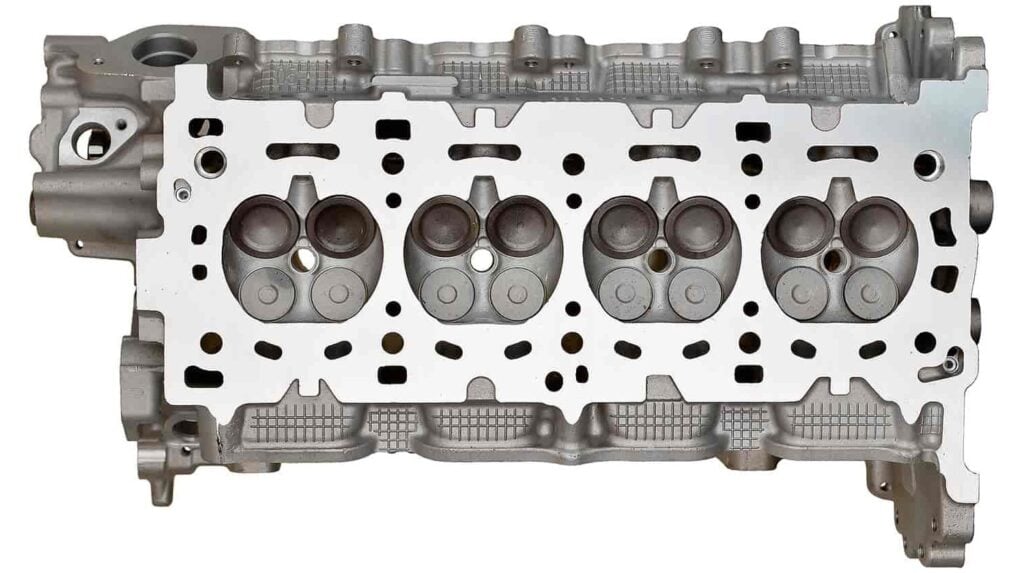

Over time, carbon deposits can build up on pistons and combustion chamber surfaces. These deposits increase compression and create hot spots that can ignite fuel prematurely.
Carbon buildup is more common in engines with high mileage or those that see a lot of short trips. Cleaning the combustion chambers or addressing oil consumption issues can help reduce knocking.
An engine that runs lean does not have enough fuel relative to the amount of air entering the cylinders. Lean mixtures burn hotter and are more prone to detonation under load.
Vacuum leaks, dirty fuel injectors, failing sensors, or fuel delivery problems can all cause a lean condition. Diagnosing and correcting the underlying issue is critical to preventing engine knock.
Knock sensors are designed to detect detonation and allow the engine control unit to adjust timing to protect the engine. If a knock sensor or related wiring fails, the ECU may not respond properly to knocking.
Other sensors, such as the mass air flow sensor or engine coolant temperature sensor, can also contribute to knocking if they send incorrect data.

Excessive engine heat increases the likelihood of detonation. Low coolant levels, failing thermostats, or restricted radiators can raise engine temperatures and contribute to knocking under acceleration.
Ensuring the cooling system is functioning properly helps maintain stable combustion and protects engine components.

If you notice engine knocking during acceleration, start with the basics. Verify you are using the correct fuel octane and check for any warning lights or stored diagnostic trouble codes. Inspect for vacuum leaks, overheating issues, or obvious maintenance concerns.
If the knocking persists, further diagnosis may be needed to evaluate timing, fuel delivery, and sensor operation. Addressing the issue early can prevent piston damage, bearing wear, and other costly engine repairs.

Once the cause of engine knock is identified, replacing worn components or correcting tuning issues can restore proper combustion. At www.jegs.com, you will find a wide range of ignition components, fuel system parts, sensors, cooling system upgrades, and performance solutions designed to help engines run safely and efficiently.
If you need help diagnosing engine knock or choosing the right parts for your setup, the JEGS Tech Specialists are available to help you protect your engine and restore confident acceleration.



Leave a Reply