Sign up now to join the JEGS email newsletter and be the first to learn about new products, special deals and e-mail only offers!

 3 People Found This Article Helpful


If you drive a classic car or an older daily driver, you may have noticed a faint gasoline smell from time to time. Sometimes the odor is strongest in the garage. Other times it appears after a drive or when the vehicle is sitting in warm weather. Even if you do not see any visible fuel leaks, the smell of gas in older cars is common.
Understanding why older cars smell like gas, even when nothing appears to be leaking, can help you determine whether the odor is normal for the design or a sign that maintenance is needed.
Many older vehicles were built before modern evaporative emissions systems became standard. These early fuel systems were not fully sealed. Fuel tanks were often vented directly to the atmosphere, allowing fuel vapors to escape.
As temperatures rise, gasoline evaporates inside the tank. In a vented system, those vapors can exit through the tank vent or carburetor bowl vents, creating a noticeable fuel smell even when there is no liquid leak.
Modern vehicles use sealed evaporative emissions systems that capture and store fuel vapors. Older cars simply allow those vapors to vent.

Carbureted engines are more prone to fuel odor than fuel injected systems. After shutdown, heat from the engine can cause fuel inside the carburetor bowls to evaporate. This process, often called heat soak, releases fuel vapors into the air cleaner or engine bay.
In warm weather, this evaporation can be more noticeable. The smell does not necessarily mean there is a leak, but it does indicate that fuel is venting as part of normal operation in older designs.
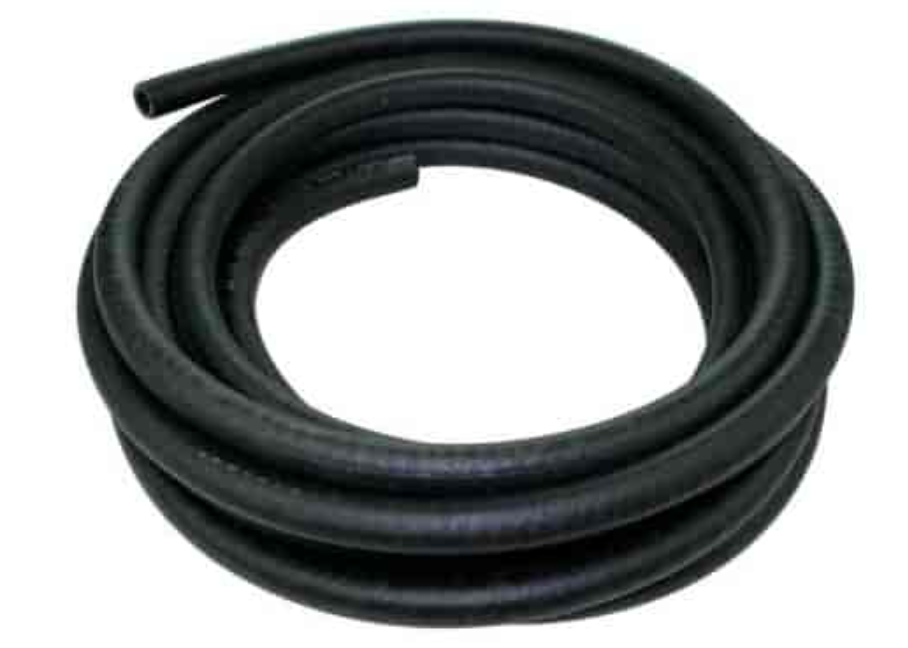
Even if you do not see wet spots or dripping fuel, older rubber fuel hoses can allow vapors to seep through microscopic cracks. Over time, rubber hardens and loses flexibility, especially when exposed to ethanol blended fuels.
Small amounts of vapor seepage can create a noticeable fuel smell without producing visible leaks. Replacing aging rubber fuel lines with modern ethanol compatible hose can reduce odor and improve safety.
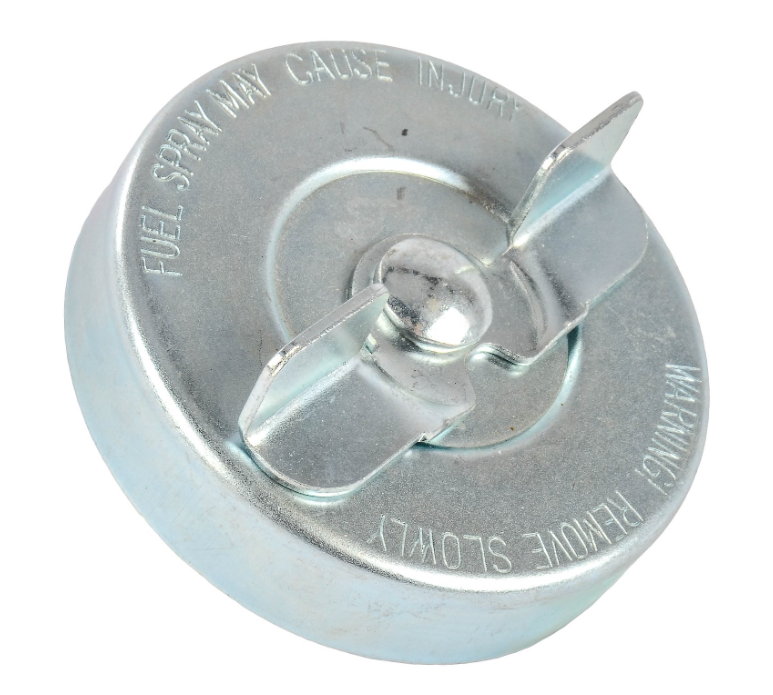
Older fuel caps may not seal as tightly as modern designs. A worn gasket or loose cap can allow vapors to escape from the fuel tank.
If the fuel smell is strongest near the rear of the vehicle, inspecting the fuel cap and filler neck area is a good first step.
Sign up now to join the JEGS email newsletter and be the first to learn about new products, special deals and e-mail only offers!
In classic cars, it is common to notice a stronger gasoline smell in a closed garage. As temperatures change overnight, fuel vapors expand and contract inside the tank. Vented systems allow these vapors to escape into the surrounding air.
This is often more noticeable in enclosed spaces, even if the vehicle runs perfectly and shows no signs of leakage.
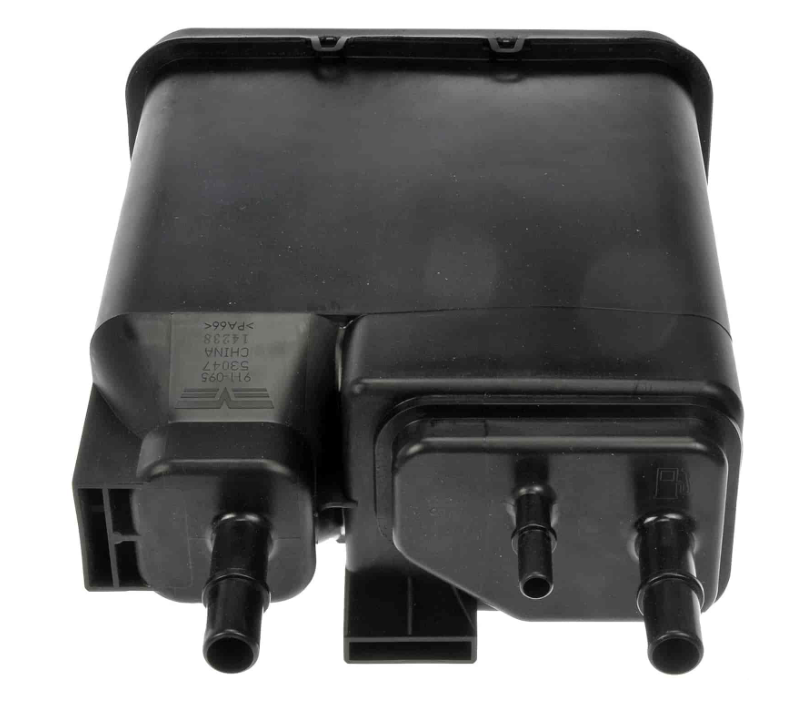
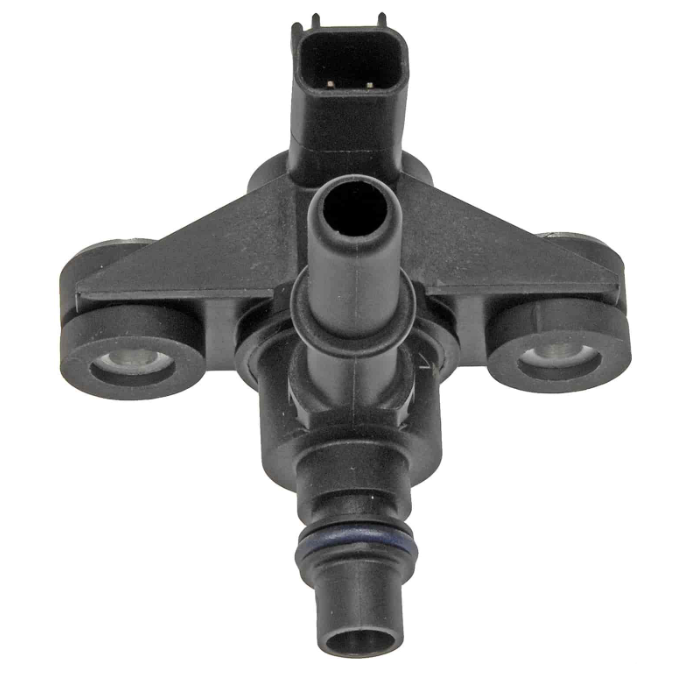
Vehicles built during the transition to emissions control systems may have charcoal canisters and purge valves that capture fuel vapors. If these components fail or hoses become brittle, fuel odor can increase.
In some cases, the system may not trigger a warning light but still allow vapors to escape. Inspecting evaporative emissions hoses and connections can help reduce persistent smells.
While some fuel odor can be typical in older cars, strong or sudden gasoline smells should not be ignored. Signs that point to a potential problem include wet spots under the vehicle, visible fuel stains, hard starting, poor fuel economy, or a strong smell while driving.
Fuel leaks are a serious fire risk and should be addressed immediately.
Replacing old fuel hoses, inspecting connections, and ensuring the fuel cap seals properly can significantly reduce gasoline smell. Upgrading to modern fuel hose rated for ethanol and higher pressure systems improves durability and safety.
If you are restoring or maintaining a classic vehicle, replacing aged fuel system components is a smart preventive measure.
At www.jegs.com, you will find a wide selection of fuel hoses, clamps, fittings, fuel caps, and other fuel system components designed for classic and performance vehicles. If you need help identifying the right parts to refresh your fuel system and reduce unwanted fuel odor, the JEGS Tech Specialists are available to assist you.



Leave a Reply