


 Order Status & Returns
 Gift Cards
 Help Center
 1-800-345-4545
Clutch Pressure Plates, Discs & Clutch Kits
Clutch pressure plates, clutch discs, and complete clutch kits are the heart of any manual driveline, and you'll find them here in popular 7.25-inch, 10.4-inch, and 11-inch diameters. This category covers diaphragm, Borg and Beck, and Long-style pressure plates plus organic, ceramic, and metallic discs, so you can match the clamp load and friction to your engine and driving style. Shop proven performance brands, compare a pressure plate and clutch disc side by side, and grab the exact clutch kit your build needs in one place.
Show More
What Does a Clutch Pressure Plate Do?
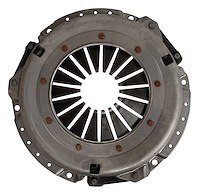
A clutch pressure plate is a spring-loaded plate bolted to the flywheel that clamps the clutch disc and transfers engine power to the transmission.
When your foot is off the pedal, the pressure plate's springs squeeze the clutch disc tight against the flywheel, so the disc spins with the engine and drives the transmission input shaft. Press the pedal and the release, or throw-out, bearing pushes against the pressure plate fingers, easing the clamp load and letting the disc slip free so you can shift. The pressure plate, clutch disc, and flywheel work together as one friction system, which is why a worn part in one spot quickly affects the others.
If you're replacing a pressure plate, it's smart to inspect your flywheel components and release bearings at the same time. Matching the right clamp load to your power keeps the disc from slipping under load without making the pedal punishing to drive every day.
Types of Clutch Pressure Plates
Most clutch pressure plates fall into one of three designs, and the right one depends on your power level and how you drive.
Each style clamps the clutch disc a little differently, which changes pedal feel, holding power, and how smoothly the clutch engages. Here are the three main types you'll see in this category:
- Borg and Beck: uses coil springs and rollers to build clamp load, a proven design common on many classic and stock-style clutches.
- Long-style: uses long spring fingers for firm, consistent clamp load, which makes it a favorite for higher-torque and performance builds.
- Diaphragm-style: uses a single cone-shaped diaphragm spring for smooth engagement and lighter pedal effort, and it's the most common design on modern applications.
Diaphragm units are easy to live with in a daily driver, while Borg and Beck and Long-style plates give builders extra clamp load to work with. Not sure which fits your combo? Dig into our transmission and drivetrain tech articles before you buy.
How to Choose the Right Clutch Pressure Plate and Disc
Choosing the right clutch pressure plate and disc comes down to matching clamp load and friction to your engine's torque and how you actually drive.
Start with your engine torque in ft-lbs, then pick a clamp load that holds that power without slipping, because a mild street car and a boosted strip car need very different setups. Confirm the disc diameter your flywheel and bellhousing accept, since 7.25-inch, 10.4-inch, and 11-inch discs aren't interchangeable, and check the spline count so the disc fits your transmission input shaft. Then choose a disc material: organic discs are smooth and street-friendly, ceramic discs handle more heat and clamp load, and metallic discs like RAM's RAMetallic grip hardest for racing and heavy-duty use.
If you're planning a swap, our engine swap compatibility guide helps you verify fitment first, and complete clutch kits take the guesswork out by bundling matched parts for your combo.
Signs of a Worn Clutch Pressure Plate
A worn clutch pressure plate usually shows up as slipping, shuddering, or a pedal that just doesn't feel right.
The clearest warning is clutch slipping, where your engine revs climb but the car doesn't accelerate the way it should, especially under load or in higher gears. You might also feel chatter or shudder as the clutch engages, which points to uneven clamp load or a glazed disc. A pedal that turns spongy, stiff, or grabby signals worn springs or fingers, and squealing or grinding noises often mean the release bearing or disc is failing too.
Because these parts wear together, a slipping clutch frequently means the disc and pressure plate both need attention. Hydraulic problems can mimic these symptoms, so check your clutch master cylinders and clutch slave cylinders before you condemn the clutch itself. Catching these signs early keeps a small job from turning into a bigger driveline repair.
Top Clutch Pressure Plate and Clutch Disc Brands
JEGS carries clutch pressure plates and discs from proven performance brands, so you can match a trusted setup to your build.
Centerforce offers Dual Friction pressure plate and disc sets that pair aggressive holding power with street-friendly engagement, a solid choice when you want performance without a race-only pedal. RAM Clutches builds PowerGrip and HDX kits along with metallic discs, giving you options for strong street use through serious high-torque and competition setups. McLeod rounds out the lineup with clutch components trusted across street, strip, and swap builds.
Each brand offers different clamp loads, disc materials, and diameters, so you can dial in a combo that matches your power and driving style. Running an LS combo? Our LS swap kits guide covers popular driveline pairings. Compare brands, then add the matched pressure plate and clutch disc your project needs.

ADD A VEHICLE TO GUARANTEE PARTS FIT
See products that fit

ADD A VEHICLE TO GUARANTEE PARTS FIT
See products that fit
JEGS
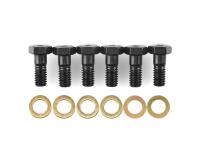
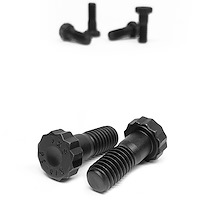
Pressure Plate Bolts, 3/8 in.-16 x 1 in. UHL, 12-Point, Set of 6
Part Number: 555-601214
 Ships Tomorrow
 Lowest price guarantee
JEGS
Pressure Plate Bolts, 3/8 in.-16 x 1 in. UHL, 12-Point, Set of 6
Part Number: 555-601214
Ships TomorrowLowest Price Guarantee
JEGS
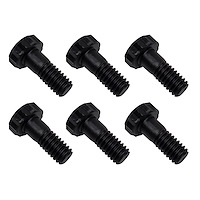
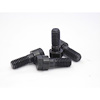
Pressure Plate Bolts, 5/16 in.-18 x 0.767 in. UHL, 12-Point, Set of 6
Part Number: 555-601216
Ships TomorrowLowest price guarantee
JEGS
Pressure Plate Bolts, 5/16 in.-18 x 0.767 in. UHL, 12-Point, Set of 6
Part Number: 555-601216
Ships TomorrowLowest Price Guarantee
MILODON
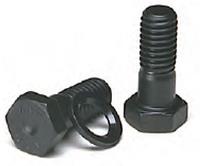
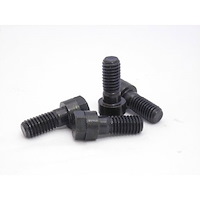
Pressure Plate Bolts Fits All Borg & Beck, Long-style, and Diaphram Clutches
Part Number: 697-84535
Ships on 10/26/2026Lowest price guarantee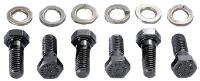
MILODON
Pressure Plate Bolts Fits All Borg & Beck, Long-style, and Diaphram Clutches
Part Number: 697-84535
Ships on 10/26/2026Lowest Price Guarantee



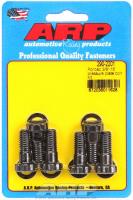
ARP
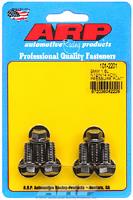
High Performance Pressure Plate Bolts Chevy LS1 & LS6 Gen III, 4.8L 5.3L, 6.0L
Part Number: 070-134-2201
Ships on Oct 13, 2026Lowest price guarantee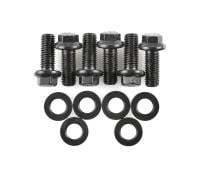
ARP
High Performance Pressure Plate Bolts Chevy LS1 & LS6 Gen III, 4.8L 5.3L, 6.0L
Part Number: 070-134-2201
Ships on Oct 13, 2026Lowest Price Guarantee
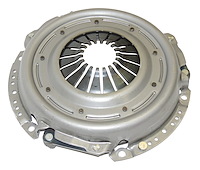
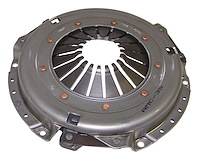
![J3184908 Pressure Plate for 1963-1986 Jeep Models [3.8L, 4.2L Engines]](https://www.jegs.com/images/mini_100/0/077/077-j3184908.jpg)
CROWN AUTOMOTIVE
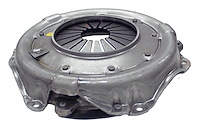
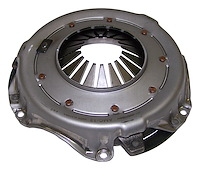
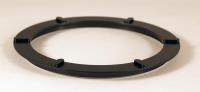
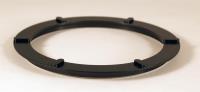
J3184908 Pressure Plate for 1963-1986 Jeep Models [3.8L, 4.2L Engines]
Part Number: 077-J3184908
Ships on 10/13/2026Lowest price guarantee![J3184908 Pressure Plate for 1963-1986 Jeep Models [3.8L, 4.2L Engines]](https://www.jegs.com/images/mini_200/0/077/077-j3184908.jpg)
CROWN AUTOMOTIVE
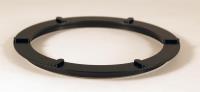
J3184908 Pressure Plate for 1963-1986 Jeep Models [3.8L, 4.2L Engines]
Part Number: 077-J3184908
Ships on 10/13/2026Lowest Price Guarantee
Frequently Asked Questions About Clutch Pressure Plates
What's the difference between a clutch disc and a pressure plate?
The clutch disc is the friction plate that sits between the flywheel and the pressure plate and splines onto your transmission input shaft. The pressure plate is the spring-loaded assembly bolted to the flywheel that clamps the disc so power can flow. In short, the disc supplies the friction surface while the pressure plate supplies the clamping force, and both wear together as a set.
How much does a clutch pressure plate cost?
Prices vary with your application and how much power you're holding. Budget replacements start around $50, while heavy-duty and performance kits can run several hundred dollars depending on the clamp load, disc material, and brand. Buying a matched clutch kit often costs less than sourcing each piece separately.
Do I need to replace the clutch disc when I replace the pressure plate?
In almost every case, yes. The disc and pressure plate wear together as a friction system, so pairing a fresh pressure plate with a worn disc leads to slipping, chatter, and a short service life. That's why most builders install a matched pressure plate and clutch disc, and often a new release bearing, at the same time.
How long does a clutch pressure plate last?
There's no fixed number, because lifespan depends heavily on how you drive. Gentle street driving tends to make a clutch last far longer, while aggressive launches, towing, and high-torque use wear it out much faster. Driving style, clamp load, and disc material all shape how long your pressure plate holds up.
Should I resurface or replace the flywheel at the same time?
It's a smart move whenever you already have the clutch out. A worn or glazed flywheel surface can cause chatter and slipping even with a brand-new clutch, so resurfacing or replacing it helps your new parts seat correctly and last longer. Inspect the flywheel for scoring or heat spots, and check the release bearing while everything's apart.