Sign up now to join the JEGS email newsletter and be the first to learn about new products, special deals and e-mail only offers!

 2 People Found This Article Helpful

By
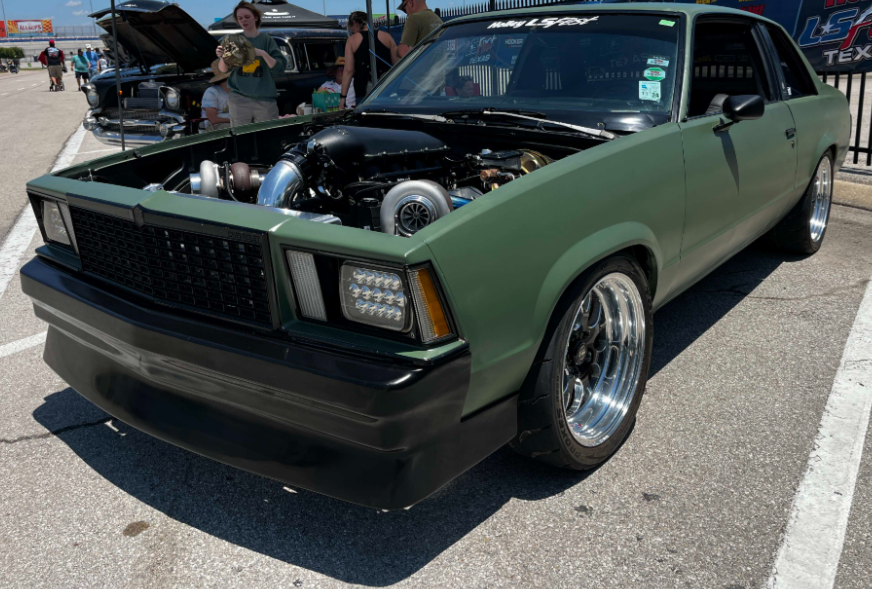
An engine swap can completely transform a vehicle. More horsepower, better reliability, and modern technology are all possible with the right combination. However, successful swaps require careful planning. An engine swap compatibility checker mindset helps you verify that all major systems will work together before turning a wrench.
While there is no single button you can press to guarantee compatibility, there are key areas you must evaluate to avoid costly mistakes.
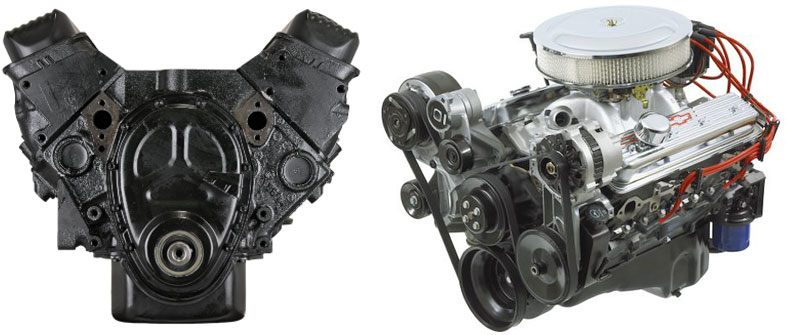
The first step in any engine swap compatibility check is physical fitment. Measure engine length, width, and height. Compare those dimensions to your engine bay, firewall clearance, hood clearance, and crossmember location.
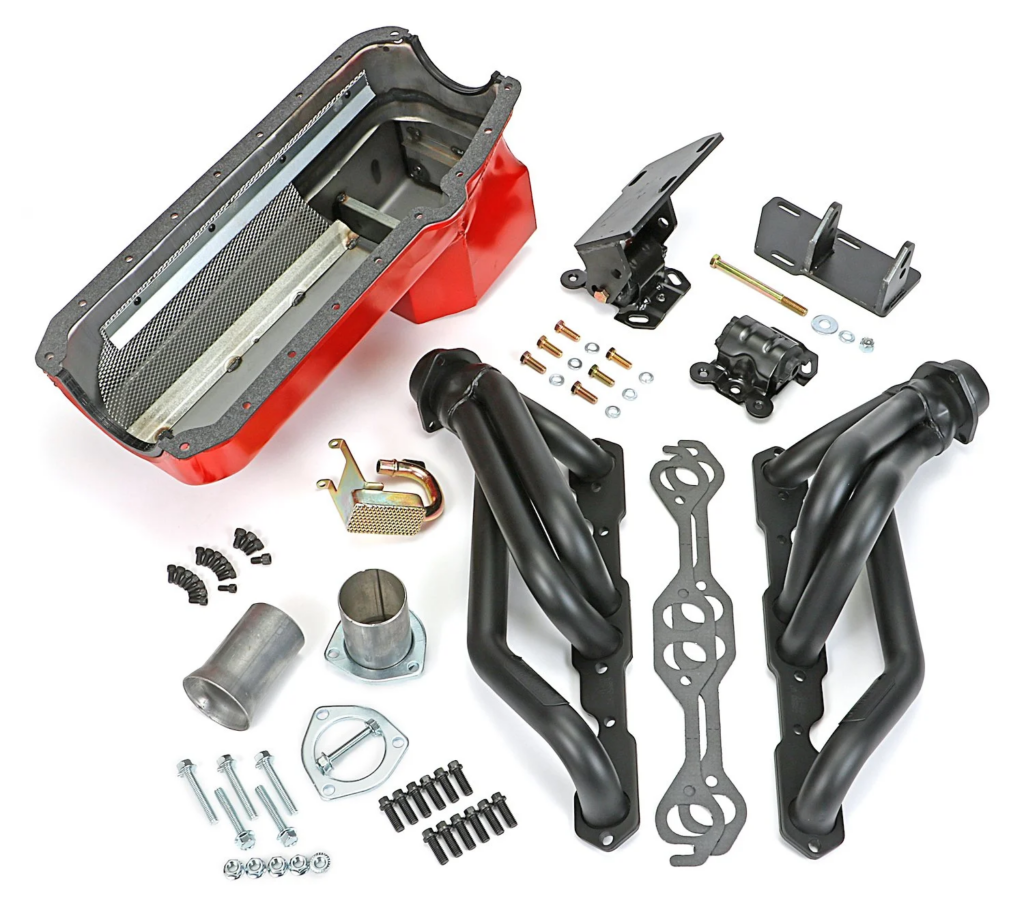
Motor mount location is critical. Some popular swaps have readily available mount kits, while others may require custom fabrication. Oil pan clearance to the crossmember and steering components must also be considered.
Verify exhaust header clearance, especially around steering shafts and frame rails.
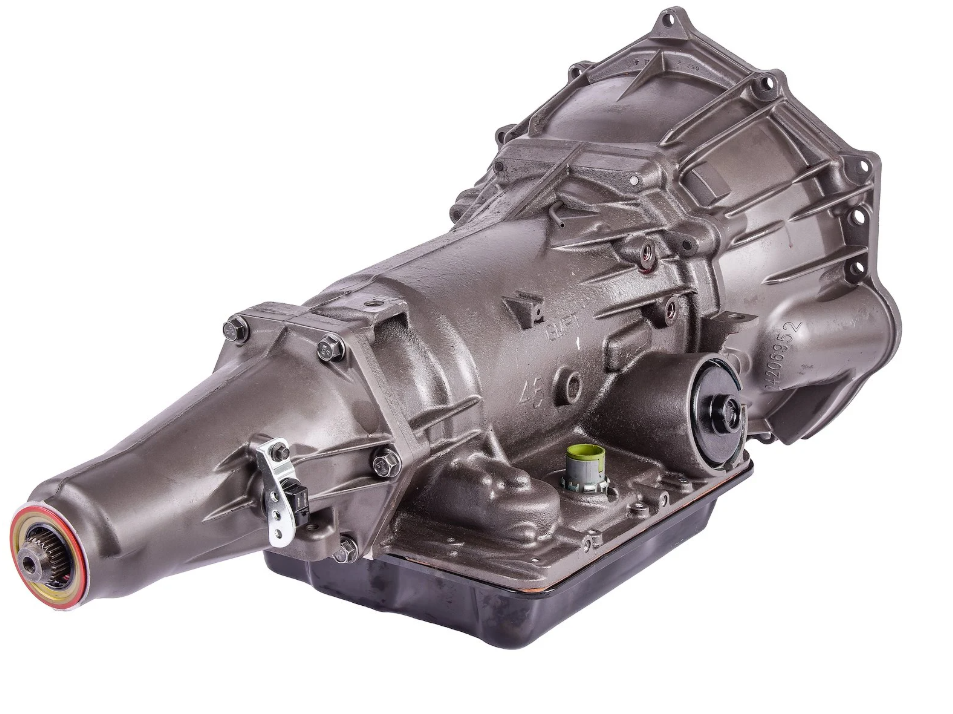
Your engine and transmission must share the same bolt pattern or have an adapter solution available. Bellhousing compatibility is one of the most important checks in any swap.
Consider torque capacity as well. If you are installing a higher horsepower engine, the existing transmission may not handle the added power.
Driveshaft length, crossmember location, and transmission mount position may need modification depending on the swap.
Fuel system compatibility is often overlooked. Carbureted engines operate at low fuel pressure, while fuel injected engines require higher pressure and return style systems in many cases.
If you are swapping from carburetor to fuel injection, you may need a new fuel pump, regulator, fuel lines, and possibly a fuel tank upgrade.
Make sure the fuel system can support the engine’s horsepower level.
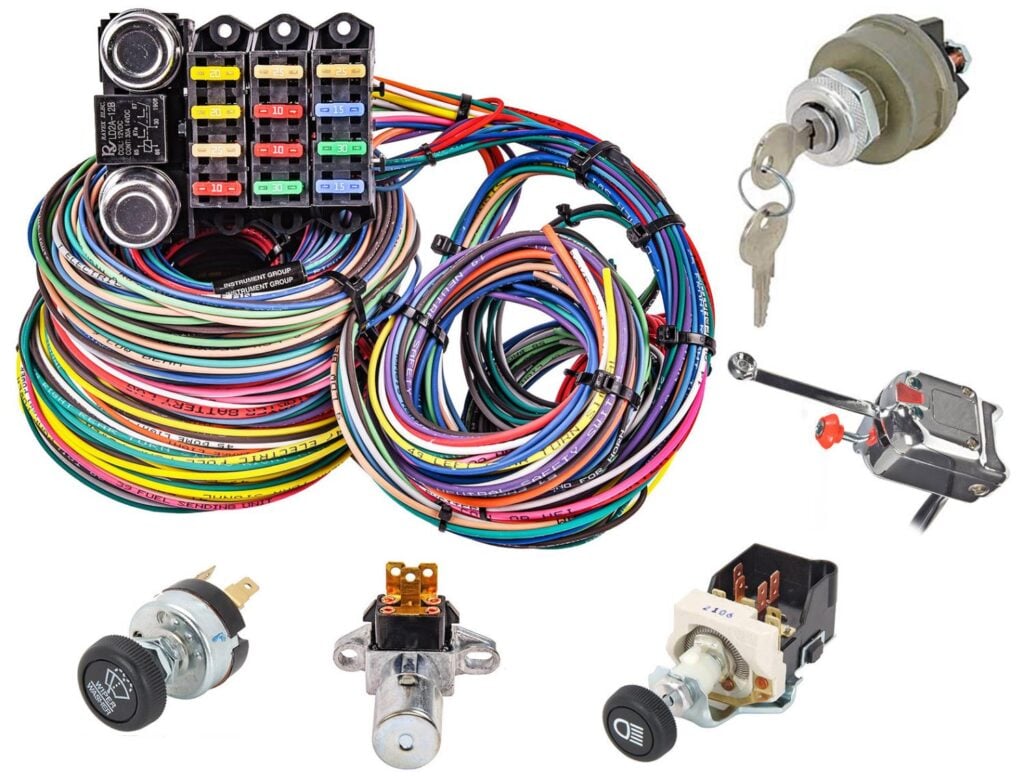
Modern engines often require engine control units, wiring harnesses, sensors, and proper calibration. Electrical compatibility is one of the biggest challenges in late model engine swaps.
Verify that you have a compatible wiring harness and engine management solution. Standalone engine management systems are often used to simplify swaps.
Charging system capacity should also be evaluated to support electric fans, fuel pumps, and other accessories.
Sign up now to join the JEGS email newsletter and be the first to learn about new products, special deals and e-mail only offers!
Higher output engines generate more heat. Radiator size, hose routing, water pump compatibility, and fan configuration must be considered.
In some swaps, custom radiator hoses or modified mounts may be required. Ensure your cooling system can maintain stable operating temperatures under load.

Accessory drive systems vary by engine platform. Power steering pumps, alternators, and air conditioning compressors may require custom brackets or relocation.
Verify pulley alignment and belt routing before final assembly. Clearance between accessories and frame components is important for reliability.

More power often requires stronger suspension and braking components. If your new engine significantly increases horsepower and torque, upgrading brakes, differential components, and rear end gearing may be necessary.
Properly matched drivetrain and chassis components ensure safe and balanced performance.

Depending on your location, emissions regulations may apply to engine swaps. Some regions require the swapped engine to meet certain model year standards.
Always verify local requirements before beginning your project.
An engine swap compatibility checker approach means verifying fitment, drivetrain strength, fuel system capacity, wiring, cooling, and accessory integration before purchasing major components.
At www.jegs.com, you will find engine swap mounts, oil pans, fuel system components, wiring harnesses, cooling upgrades, and drivetrain parts designed to simplify your project.
If you need help confirming compatibility for your specific engine and chassis combination, the JEGS Tech Specialists are available to help you select the right components for a smooth and successful swap.


Leave a Reply