

 Order Status & Returns
 Gift Cards
 Help Center
 1-800-345-4545
![Fuel Pressure Regulator for Gasoline Applications [4.5 to 9 PSI, Chrome Finish]](https://www.jegs.com/images/mini_750/500/555/555-15912.jpg)
 Vehicle Info Needed
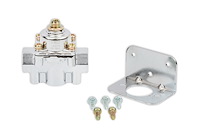
Fuel Pressure Regulator for Gasoline Applications [4.5 to 9 PSI, Chrome Finish]
 Ships Tomorrow
 Lowest Price Guarantee
- Mounting Bracket
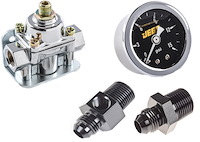
JEGS 555-15912 Fuel Pressure Regulator Features:
- Maintains steady flow and precise pressure at all times
- One 3/8 in. inlet & two 3/8 in. outlet ports for most street and some race applications
Emissions Note:
This part is only legal for sale and use on Uncontrolled (Non-Emissions Controlled) Vehicles or on vehicles used solely for the purposes of closed competition racing.
CLICK THIS LINK FOR IMPORTANT CARB & EPA EMISSIONS INFORMATION ABOUT THIS PART
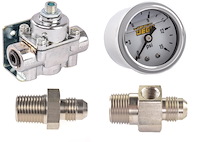
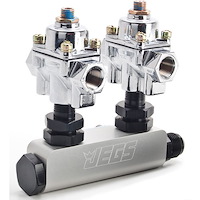
JEGS Aluminum Fuel Pressure Regulators maintain a steady flow and precise pressure at all times. The regulators features a chrome or black finish, adjustable pressure ranges and 3/8 in. NPT inlet and outlet ports. Mounting bracket and hardware included with each regulator. JEGS recommends two regulators for dual carb applications.
 JEGS EZ Kits are designed by JEGS professionals to ensure that you get all the correct parts you need.
Show More
Items You Need
![AN to NPT Straight Adapter Fitting [-6 AN Male to 3/8 in. NPT Male, Blue]](https://www.jegs.com/images/mini_200/500/555/555-100106.jpg)
JEGS
AN to NPT Straight Adapter Fitting [-6 AN Male to 3/8 in. NPT Male, Blue]
Part Number : 555-100106
![AN to NPT 90-Degree Adapter Fitting [-6 AN Male to 3/8 in. NPT Male, Blue]](https://www.jegs.com/images/mini_200/500/555/555-100146.jpg)
JEGS
AN to NPT 90-Degree Adapter Fitting [-6 AN Male to 3/8 in. NPT Male, Blue]
Part Number : 555-100146
![AN to NPT Straight Adapter Fitting [-6 AN Male to 3/8 in. NPT Male, Black]](https://www.jegs.com/images/mini_200/500/555/555-110106.jpg)
JEGS
AN to NPT Straight Adapter Fitting [-6 AN Male to 3/8 in. NPT Male, Black]
Part Number : 555-110106
![AN to NPT Straight Adapter Fitting [-6 AN Male to 3/8 in. NPT Male, Nickel]](https://www.jegs.com/images/mini_200/500/555/555-105106.jpg)
JEGS
AN to NPT Straight Adapter Fitting [-6 AN Male to 3/8 in. NPT Male, Nickel]
Part Number : 555-105106
![Compact Billet Aluminum In-Line Fuel Filter, 2 5/16 in. Long [3/8 in. NPT Male to -6 AN Male, Black]](https://www.jegs.com/images/mini_200/500/555/555-15060.jpg)
JEGS
Compact Billet Aluminum In-Line Fuel Filter, 2 5/16 in. Long [3/8 in. NPT Male to -6 AN Male, Black]
Part Number : 555-15060
JEGS
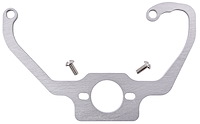
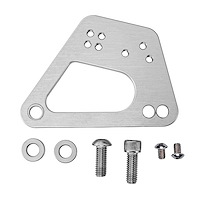
Head Mount Regulator Bracket For Small Block Chevy and Small Block Ford Heads
Part Number : 555-159105
JEGS
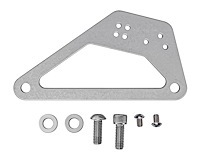
Head Mount Regulator Bracket For Big Block Chevy Heads
Part Number : 555-159106
![Fuel Pressure Gauge 1 1/2 in. Diameter [Liquid Filled]](https://www.jegs.com/images/mini_200/500/555/555-41010.jpg)
JEGS
Fuel Pressure Gauge 1 1/2 in. Diameter [Liquid Filled]
Part Number : 555-41010
![Fuel Pressure Gauge 1 1/2 in. Diameter [Liquid Filled]](https://www.jegs.com/images/mini_200/500/555/555-41011.jpg)
JEGS
Fuel Pressure Gauge 1 1/2 in. Diameter [Liquid Filled]
Part Number : 555-41011
![Fuel Pressure Gauge 1 1/2 in. Diameter [Liquid Filled]](https://www.jegs.com/images/mini_200/500/555/555-41012.jpg)
JEGS
Fuel Pressure Gauge 1 1/2 in. Diameter [Liquid Filled]
Part Number : 555-41012
![Fuel Pressure Gauge 1 1/2 in. Diameter [Liquid Filled]](https://www.jegs.com/images/mini_200/500/555/555-41013.jpg)
JEGS
Fuel Pressure Gauge 1 1/2 in. Diameter [Liquid Filled]
Part Number : 555-41013
![Fuel Pressure Gauge 1 1/2 in. Diameter [Liquid Filled]](https://www.jegs.com/images/mini_200/500/555/555-41020.jpg)
JEGS
Fuel Pressure Gauge 1 1/2 in. Diameter [Liquid Filled]
Part Number : 555-41020
![Fuel Pressure Gauge 1 1/2 in. Diameter [Liquid Filled]](https://www.jegs.com/images/mini_200/500/555/555-41030.jpg)
JEGS
Fuel Pressure Gauge 1 1/2 in. Diameter [Liquid Filled]
Part Number : 555-41030
![Fuel Pressure Gauge 1 1/2 in. Diameter [Liquid Filled]](https://www.jegs.com/images/mini_200/500/555/555-41033.jpg)
JEGS
Fuel Pressure Gauge 1 1/2 in. Diameter [Liquid Filled]
Part Number : 555-41033
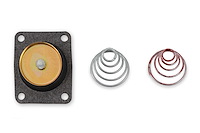
HOLLEY
Fuel Pressure Regulator Diaphragm Repair Kit for 12-803 and 12-804 Regulators
Part Number : 510-12-807
JEGS
Part Number : 555-100106
JEGS
Part Number : 555-100146
JEGS
Part Number : 555-110106
JEGS
Part Number : 555-105106
Frequently bought together
JEGS
Fuel Pressure Gauge 1 1/2 in. Diameter [Liquid Filled]
Part Number : 555-41010
JEGS
Part Number : 555-41010
ITEM YOU MAY ALSO CONSIDER
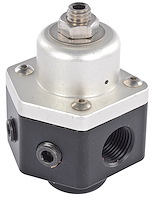
JEGS
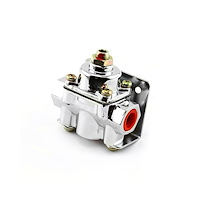
2-Port Pressure Regulator 5-12 PSI Outlet Pressure
Part Number : 555-15908
![Fuel Pressure Regulator for Gasoline Applications [5 to 9 psi, Black Finish]](https://www.jegs.com/images/mini_200/500/555/555-15916.jpg)
JEGS
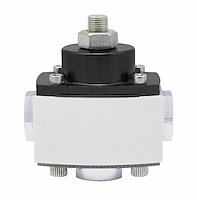
Fuel Pressure Regulator for Gasoline Applications [5 to 9 psi, Black Finish]
Part Number : 555-15916
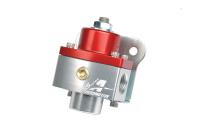
AEROMOTIVE
2-Port Adjustable Fuel Pressure Regulator 3/8" NPT Inlet/Outlet Ports
Part Number : 027-13205
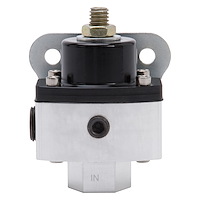
![Fuel Pressure Regulator for Supercharged and Turbocharged Carbureted Engines [1.5-25 psi Outlet Pressure, Black Anodized]](https://www.jegs.com/images/mini_200/500/555/555-159123.jpg)
JEGS
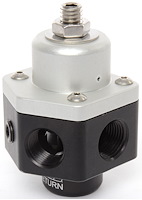
Fuel Pressure Regulator for Supercharged and Turbocharged Carbureted Engines [1.5-25 psi Outlet Pressure, Black Anodized]
Part Number : 555-159123
JEGS
2-Port Pressure Regulator w/Return 5-12 PSI Outlet Pressure
Part Number : 555-15909
JEGS
Part Number : 555-15908
JEGS
Part Number : 555-15916
AEROMOTIVE
Part Number : 027-13205
EASY KITS