Sign up now to join the JEGS email newsletter and be the first to learn about new products, special deals and e-mail only offers!

 2 People Found This Article Helpful
By
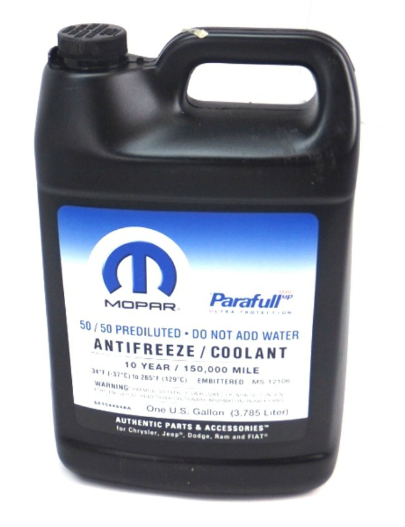
If you own a Chrysler, Dodge, Jeep, Ram, or other Mopar vehicle and need to top off or replace the engine coolant, you may be wondering: What color is Mopar coolant?
The short answer is that Mopar coolant can be purple, orange, or green depending on the coolant formulation and application. Mopar's 10-Year/150,000-Mile OAT coolant is purple, while its older 5-Year/100,000-Mile HOAT coolant is orange. Mopar has also offered green coolant formulations for certain applications.
However, you should never choose coolant based on color alone. Different coolant technologies may have similar colors, and using or mixing incompatible coolant can reduce corrosion protection and potentially damage the cooling system.
This guide explains Mopar coolant colors, the differences between OAT and HOAT coolant, whether different Mopar coolants can be mixed, and how to determine which coolant your vehicle needs.
Mopar has used several coolant colors and formulations. According to Mopar's coolant product information, the primary formulations include:
| Mopar Coolant Type | Color | Technology | Service Life |
|---|---|---|---|
| Mopar 10-Year/150,000-Mile | Purple | OAT | Up to 10 years/150,000 miles |
| Mopar 5-Year/100,000-Mile | Orange | HOAT | Up to 5 years/100,000 miles |
| Mopar 5-Year Extended Life | Green | POAT | Up to 5 years |
| Mopar 3-Year Formula | Green | IAT | Up to 3 years |
For many newer Chrysler, Dodge, Jeep, and Ram vehicles, the coolant you will encounter is purple Mopar OAT coolant. Many older vehicles use orange Mopar HOAT coolant.
The important distinction isn't simply purple versus orange, though. The coolant's chemical technology and required manufacturer specification determine whether it is suitable for a particular vehicle.
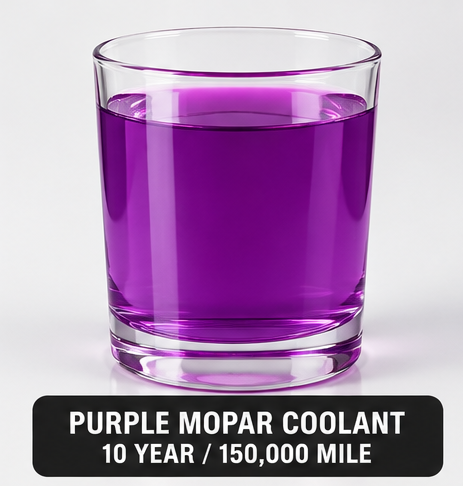
Purple Mopar coolant is generally the 10-Year/150,000-Mile OAT (Organic Additive Technology) coolant used in many newer Mopar vehicles.
Mopar's OAT coolant is designed to provide extended protection against freezing, overheating, and corrosion within the engine cooling system. For applications requiring it, Mopar specifies OAT coolant meeting Material Standard MS.90032.
The extended-life formulation can provide a service interval of up to 10 years or 150,000 miles (240,000 km) in applications where that interval is specified by the vehicle manufacturer.
Although the coolant is commonly identified by its purple color, always check the vehicle's owner's manual or manufacturer requirements before adding coolant.
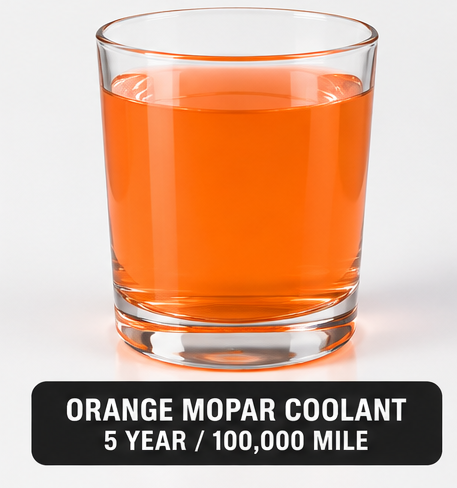
Orange Mopar coolant is generally the older 5-Year/100,000-Mile HOAT coolant.
HOAT stands for Hybrid Organic Additive Technology. This formulation combines organic corrosion inhibitors with additional inorganic additives to protect cooling-system components.
HOAT coolant was commonly specified for many earlier Chrysler, Dodge, Jeep, and Ram vehicles before Mopar transitioned many applications to its extended-life OAT formulation.
If your vehicle originally used orange HOAT coolant, don't automatically replace or top it off with purple OAT coolant simply because purple coolant is newer.
Always use the coolant specification required for your particular year, make, model, and engine.
One of the most important things to understand about Mopar coolant is that purple OAT and orange HOAT coolant are not simply two colors of the same product.
They use different additive technologies.
Purple Mopar coolant generally refers to:
Orange Mopar coolant generally refers to:
The required coolant should be determined by the vehicle manufacturer's specification rather than by whichever coolant is currently visible in the reservoir.
Mopar does not recommend mixing OAT and HOAT engine coolants.
Mopar owner documentation warns that OAT coolant is different from HOAT coolant and should not be mixed with HOAT or with coolant advertised simply as "globally compatible."
Using an incompatible coolant can reduce corrosion protection and may result in cooling-system damage.
If HOAT and OAT coolant are accidentally mixed, Mopar recommends having the cooling system drained, flushed, and refilled with the correct specified coolant as soon as possible.
This is why identifying the correct coolant before topping off the reservoir is so important.
OAT stands for Organic Additive Technology.
OAT coolant uses organic corrosion inhibitors designed to provide long-lasting protection for metals and other materials found throughout a modern cooling system.
Mopar's 10-Year/150,000-Mile coolant is an OAT formulation. For vehicles specifying Mopar's MS.90032 standard, the correct replacement coolant should meet that requirement.
Advantages of OAT coolant can include:
The specific service interval and coolant requirements should always be verified for your vehicle.
HOAT stands for Hybrid Organic Additive Technology.
As its name suggests, HOAT combines organic acid corrosion inhibitors with additional inorganic additives.
Mopar's orange 5-Year/100,000-Mile coolant is a HOAT formulation that was specified in many older Chrysler, Dodge, Jeep, and Ram applications.
HOAT coolant should not be confused with Mopar's newer purple OAT coolant. Even though both are designed to cool the engine and protect the cooling system, their additive packages are different.

No. Coolant color does not guarantee compatibility.
Color is useful as a quick visual identifier, but there is no universal coolant-color standard that guarantees two coolants with the same color have the same formulation or meet the same specifications.
For example, seeing purple coolant in your reservoir does not mean that any purple antifreeze on the shelf is automatically compatible.
Instead, check the product label for the coolant technology and specifications required by your vehicle.
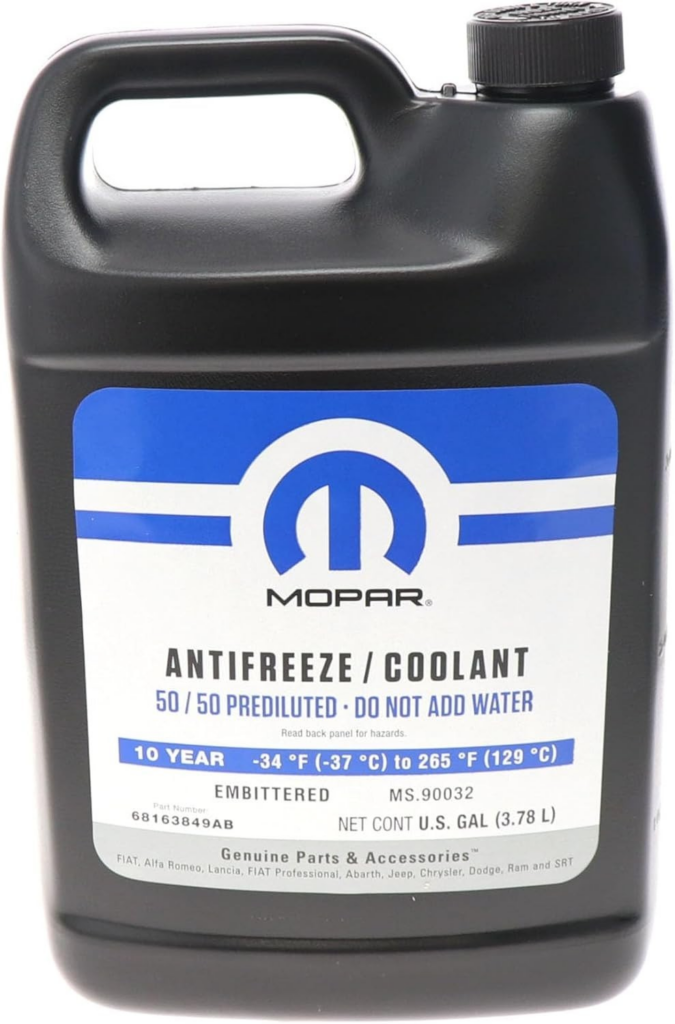
For a Mopar vehicle requiring OAT coolant conforming to MS.90032, look for coolant that specifically meets the required specification.
Sign up now to join the JEGS email newsletter and be the first to learn about new products, special deals and e-mail only offers!
The safest way to determine which coolant your vehicle requires is to check the owner's manual or manufacturer service information for your exact vehicle.
Coolant requirements can change between model years, engines, and applications, so don't rely exclusively on the vehicle's brand or coolant color.
Before purchasing coolant, confirm:
If the owner's manual specifies Mopar 10-Year/150,000-Mile OAT coolant meeting MS.90032, use a coolant that meets that requirement.
If the vehicle specifies an earlier HOAT formulation, use the appropriate HOAT coolant rather than assuming the newer OAT formulation is interchangeable.

MS.90032 is a Mopar/Stellantis material standard associated with the OAT engine coolant specified for many applications.
You may see MS.90032 listed in your owner's manual or on compatible coolant packaging.
This specification is more important than coolant color because it identifies the performance and formulation requirements the coolant must satisfy for vehicles that call for that standard.
When shopping for replacement coolant, compare the required specification listed in your owner's manual with the specifications listed on the coolant container.
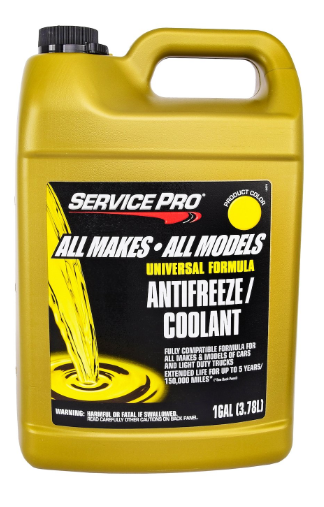
Don't assume a coolant is compatible simply because the bottle describes it as universal, all-makes/all-models, or globally compatible.
Mopar specifically cautions in OAT-equipped vehicle documentation against mixing the specified OAT coolant with HOAT or "globally compatible" coolant.
The safest approach is to use the exact coolant technology and specification required by the vehicle manufacturer.
If an aftermarket coolant is being considered, verify that its manufacturer specifically states that the coolant meets the specification required for your vehicle.
Using an incompatible coolant can interfere with the cooling system's corrosion protection and may contribute to cooling-system problems.
Potential problems associated with incorrect or incompatible coolant can include:
If the wrong coolant has been added, consult the vehicle manufacturer's service information. In situations where incompatible HOAT and OAT coolants have been mixed, Mopar recommends draining, flushing, and refilling the system with the specified coolant.
Coolant is available as either concentrate or a prediluted 50/50 mixture.
A 50/50 premixed coolant is convenient because the coolant and water have already been combined in the proper proportions for many normal operating conditions.
Concentrated coolant must be mixed with the appropriate amount and type of water.
For Mopar OAT applications requiring MS.90032, manufacturer documentation recommends a minimum mixture of 50% OAT coolant and distilled or deionized water. Higher concentrations may be appropriate in extremely cold climates, but Mopar specifies not exceeding a 70% coolant concentration.
When mixing coolant concentrate yourself, use distilled or deionized water rather than ordinary tap water. Minerals and other contaminants in lower-quality water can reduce corrosion protection and contribute to deposits inside the cooling system.
The replacement interval depends on which Mopar coolant your vehicle uses.
Mopar's purple OAT coolant is commonly referred to as 10-Year/150,000-Mile coolant, while the older orange HOAT formula is commonly referred to as 5-Year/100,000-Mile coolant.
Those intervals should not automatically be applied to every Mopar vehicle. Follow the maintenance schedule specified for your particular year, model, and engine.
Coolant may also need attention before its normal replacement interval if it becomes contaminated, develops visible sediment, is mixed with an incompatible coolant, or the cooling system requires repairs.
It depends on whether you are using coolant concentrate or a premixed product.
Do not add water to a 50/50 premixed coolant simply to dilute it further. Premixed coolant is already formulated at the intended coolant-to-water ratio.
When using concentrate, Mopar documentation for MS.90032 OAT applications calls for high-purity distilled or deionized water.
Water alone should not be used as a permanent substitute for engine coolant. Antifreeze/coolant does more than prevent freezing. It also raises the boiling point and provides important corrosion protection for the cooling system.
Always check coolant when the engine is cool and follow the procedure specified in the vehicle's owner's manual.
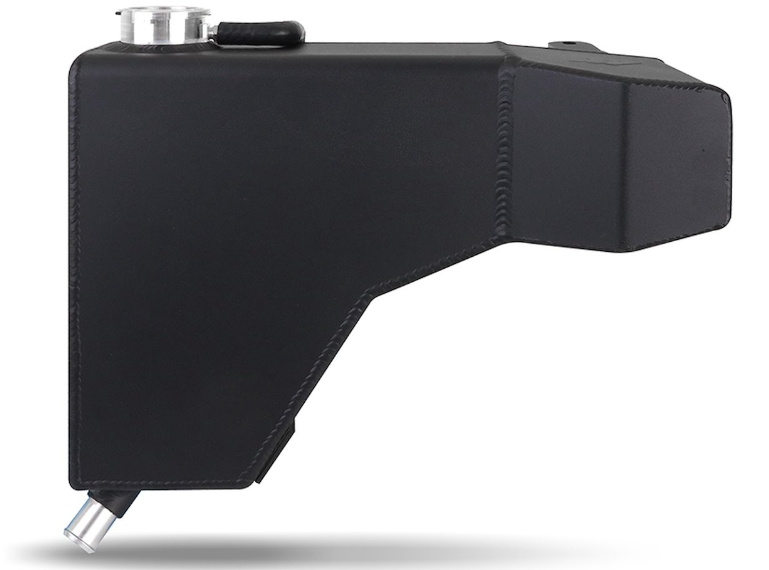
Many modern vehicles use a translucent coolant expansion reservoir with level markings that allow the coolant level to be checked without removing a pressure cap.
Never remove a radiator or pressurized coolant reservoir cap from a hot engine. Hot coolant and steam can escape under pressure and cause severe burns.
If the coolant level repeatedly drops after being topped off, don't continue adding coolant indefinitely. Frequent coolant loss can indicate a leak or another cooling-system problem that needs to be diagnosed.
Coolant may not look exactly the same after years of service as it did when it was poured from a new container.
Age, contamination, previous coolant additions, and deposits within the cooling system can affect its appearance. This is another reason not to identify coolant solely by looking at its color inside the reservoir.
Coolant that appears dirty, cloudy, rusty, sludgy, or contains visible sediment may indicate that the cooling system needs further inspection or service.
Mopar's 10-Year/150,000-Mile OAT coolant is purple. In applications specifying MS.90032, make sure the coolant meets that material standard rather than selecting a product based solely on color.
Mopar's 5-Year/100,000-Mile HOAT coolant is orange.
It can be either. Purple Mopar coolant generally identifies the newer 10-Year/150,000-Mile OAT formulation, while orange identifies the older 5-Year/100,000-Mile HOAT formulation. Mopar has also offered green coolant for other applications.
Mixing orange HOAT and purple OAT Mopar coolant is not recommended. Mopar warns that the formulations are different and that mixing coolant types can result in cooling-system damage.
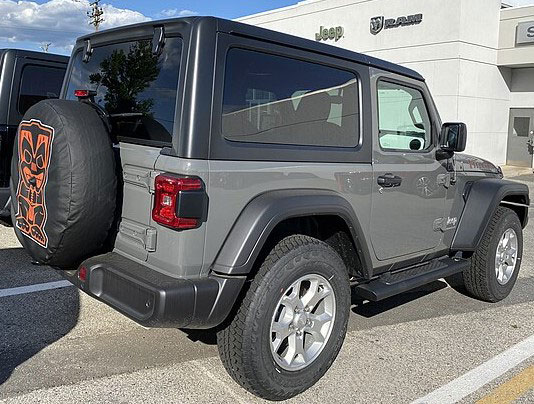
There isn't one coolant color that applies to every Jeep. Depending on the year, model, and engine, a Jeep may require HOAT, OAT, or another specified coolant. Check the owner's manual for the exact coolant specification.
Dodge coolant requirements vary by vehicle and model year. Many newer applications specify purple OAT coolant, while various older Dodge vehicles used orange HOAT coolant. Always verify the manufacturer's specification for the exact application.
Many newer Ram applications use Mopar's purple 10-Year/150,000-Mile OAT coolant, but requirements vary by model year and engine. Check the owner's manual before adding or replacing coolant.
Coolant requirements for Chrysler vehicles depend on the year, model, and engine. Newer applications commonly use purple OAT coolant, while older vehicles may use orange HOAT or another formulation.
The terms engine coolant and antifreeze are commonly used interchangeably, although the fluid performs several functions. In addition to freeze protection, properly formulated engine coolant helps prevent overheating and corrosion within the cooling system.
Mopar's purple OAT coolant is identified as its 10-Year/150,000-Mile formula. Follow the maintenance interval specified for your exact vehicle, because operating conditions and vehicle requirements can vary.
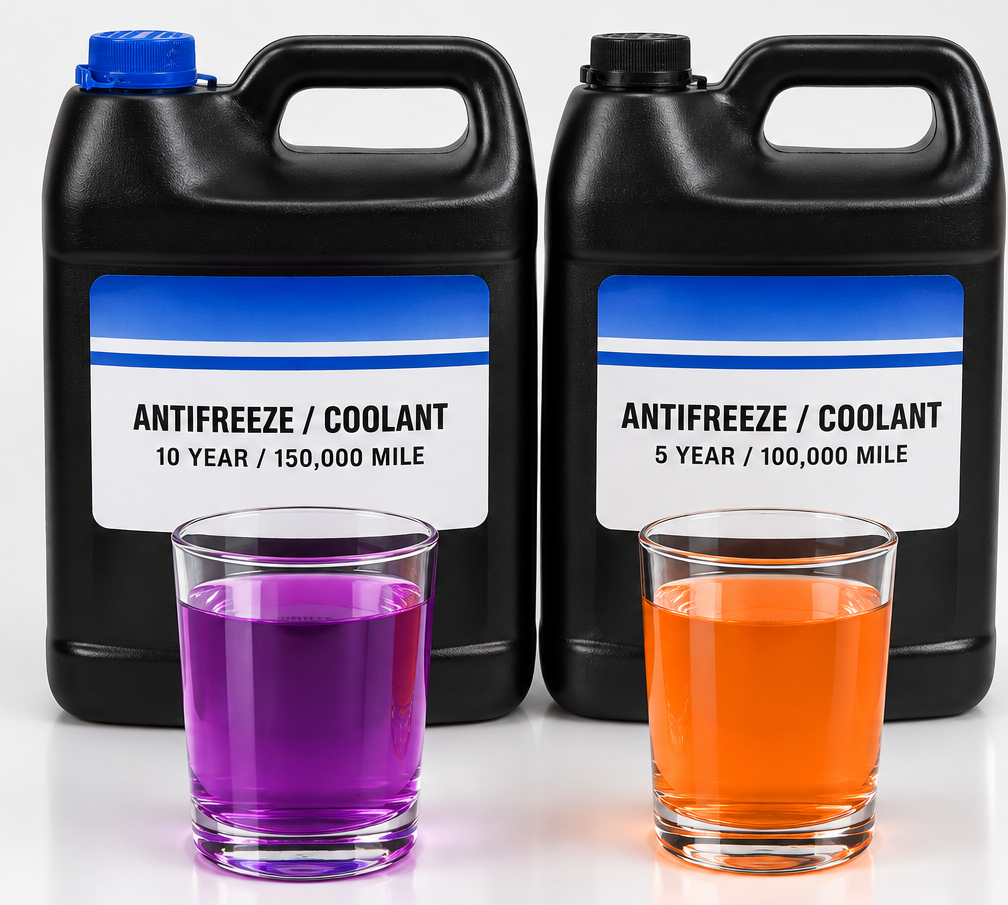
So, what color is Mopar coolant?
For many newer Chrysler, Dodge, Jeep, and Ram vehicles, Mopar 10-Year/150,000-Mile OAT coolant is purple. Mopar's older 5-Year/100,000-Mile HOAT coolant is orange, and green Mopar coolant formulations have also been used for certain applications.
The most important takeaway is that coolant color alone should never determine what you put in your vehicle.
Always verify the coolant technology and manufacturer specification required for your exact year, make, model, and engine. For vehicles requiring Mopar OAT coolant conforming to MS.90032, use coolant that meets that specification and avoid mixing it with HOAT or other incompatible coolant formulations.
Using the correct coolant helps protect the radiator, water pump, engine, heater core, hoses, and other cooling-system components while providing the freeze, boil-over, and corrosion protection your engine needs.



Leave a Reply