


 Order Status & Returns
 Gift Cards
 Help Center
 1-800-345-4545
Accessory Drive Belt Kits
Serpentine belt kits give you everything needed to run or replace an engine's front drive system in one package. This category covers complete serpentine belt kits, Micro-V and V-belt kits, serpentine conversion kits, serpentine pulley kits, and full Front Drive Systems. Shop here to match the right kit to your engine, accessories, and finish without piecing parts together one at a time.
Show More
What's Included in a Serpentine Belt Kit?
A serpentine belt kit bundles the parts that turn your crankshaft into a working accessory drive. You can build or refresh the whole system at once instead of sourcing pieces one by one. Most complete serpentine belt kits include these core components:
- The multi-ribbed serpentine belt, sized by rib count and length for your setup
- A belt tensioner that holds the correct tension as parts wear and heat cycles
- One or more idler pulleys that route the belt cleanly around your accessories
- Mounting brackets that position the alternator, water pump, and power steering pump
- Mounting hardware, including bolts and spacers, to bolt the drive system in place
Some kits add accessory-specific pulleys or upgraded finishes. Others focus on a direct-fit serpentine belt replacement kit. If you need one piece, browse the full pulleys, belts & brackets department or pick up belt tensioners on their own.
Serpentine, Micro-V, and V-Belt Kit Options
The right belt style depends on your pulleys and how much power you transmit. A serpentine belt drive system uses a single multi-ribbed belt to turn every accessory. That saves space and improves grip over older V-belt designs.
A Micro-V belt is a serpentine belt with fine, closely spaced ribs, common on late-model and swap builds. A V-belt kit, such as a V-Trac front drive system, uses V-shaped belts in grooved pulleys for a traditional look. Older engines often ran several separate V-belts, one belt for each driven accessory.
The belt profile and pulley grooves have to agree, so each belt pairs with matching pulleys. Gates supplies both serpentine and V-belt options across many applications. When you know the size you need, order individual replacement belts instead of a full kit.
Complete Kits, Conversion Kits, and Front Drive Systems
These kit families differ by how much of the drive they replace. A complete serpentine belt kit refreshes the belt, tensioner, and pulleys on an existing setup. A serpentine conversion kit swaps an older V-belt engine over to a modern serpentine layout with new brackets and pulleys.
A Front Drive System, or FDS, is a full accessory-drive package. It mounts the alternator, water pump, and other accessories on one coordinated bracket system for tight engine bays and clean styling. Billet Specialties and March Performance build polished and machined-finish systems for show and street builds.
All American Billet offers serpentine and drive-belt solution kits as well. Choose a complete kit for a straightforward refresh, or a conversion kit to modernize an old engine. Pick an FDS when you want the whole front of the engine designed as one unit.
Serpentine Belt Kits for Small Block and Big Block Engines
Fitment is driven by your engine family, because bracket spacing and pulley alignment change from block to block. You'll find serpentine belt kits and serpentine pulley kits for Small Block Chevy, Big Block Chevy, Small Block Ford, LS7, and Ford 5.0L engines. Match a kit to the exact platform you're running.
The kit has to account for your accessories, since adding air conditioning or power steering changes the belt path and pulley count. Spacing between the crank, water pump, and accessory pulleys must line up, or the belt tracks poorly and wears early. If your build mixes parts, confirm each accessory pulley matches the kit's belt profile before ordering.
You can add or replace individual engine accessory pulleys to dial in alignment for your exact combination of components. Check the application listing to confirm your block, heads, and accessory brackets match.
How Do I Choose the Right Serpentine Belt Kit?
Start with fitment, then match the belt and finish to your build. Confirm the kit is designed for your engine family and the accessories you plan to drive. That determines the bracket layout and pulley count.
Next, check the belt itself. Serpentine belts are identified by rib count, commonly four to eight ribs, and by length. The multi-ribbed belt has to match your pulley setup exactly.
Finish and material matter too, from as-cast and black to polished billet, depending on whether the drive shows. Run through a few quick checks before you buy:
- Verify engine platform and accessory combination against the kit's application list
- Match belt rib count and length to your pulleys
- Choose a finish that fits your build and budget
Measuring accurately matters, so review how to measure a serpentine belt. Add accessory mounting brackets if your kit needs them. Read up on whether lightweight pulleys add horsepower before you commit.

ADD A VEHICLE TO GUARANTEE PARTS FIT
See products that fit

ADD A VEHICLE TO GUARANTEE PARTS FIT
See products that fit
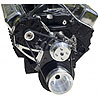
MARCH PERFORMANCE
Super Economy Pulley and Bracket Kit Small Block Chevy w/ Long Water Pump
Part Number: 655-22090
 Ships on Oct 12, 2026
 Lowest price guarantee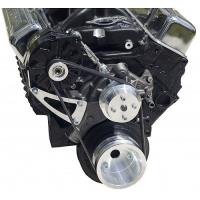
MARCH PERFORMANCE
Super Economy Pulley and Bracket Kit Small Block Chevy w/ Long Water Pump
Part Number: 655-22090
Ships on Oct 12, 2026Lowest Price Guarantee
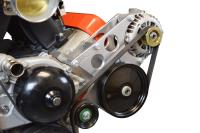

BILLET SPECIALTIES
SB-Chevy Tru Trac Serpentine Belt System with Power Steering, with A/C
Part Number: 135-13220
Ships on Oct 12, 2026Lowest price guarantee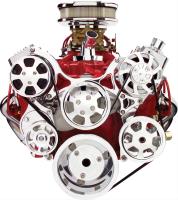
BILLET SPECIALTIES
SB-Chevy Tru Trac Serpentine Belt System with Power Steering, with A/C
Part Number: 135-13220
Ships on Oct 12, 2026Lowest Price Guarantee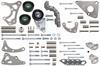
ICT BILLET
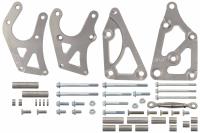
Alternator and Power Steering Pump Bracket Kit GM LS Truck Turbo Engine
Part Number: 335-551565LS0WP3
Ships on Oct 12, 2026Lowest price guarantee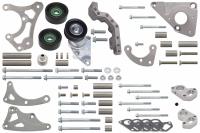
ICT BILLET
Alternator and Power Steering Pump Bracket Kit GM LS Truck Turbo Engine
Part Number: 335-551565LS0WP3
Ships on Oct 12, 2026Lowest Price Guarantee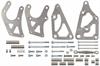

![ACD-LS05B Hyperdrive Front Drive Dress Kit for GM Gen III/IV LS Engines w/OE-Style Crank Damper [Black]](https://www.jegs.com/images/mini_100/500/559/559-acd-ls05b.jpg)
BRIAN TOOLEY RACING BTR
ACD-LS05B Hyperdrive Front Drive Dress Kit for GM Gen III/IV LS Engines w/OE-Style Crank Damper [Black]
Part Number: 559-ACD-LS05B
Ships on Oct 12, 2026Lowest price guarantee![ACD-LS05B Hyperdrive Front Drive Dress Kit for GM Gen III/IV LS Engines w/OE-Style Crank Damper [Black]](https://www.jegs.com/images/mini_200/500/559/559-acd-ls05b.jpg)
BRIAN TOOLEY RACING BTR
ACD-LS05B Hyperdrive Front Drive Dress Kit for GM Gen III/IV LS Engines w/OE-Style Crank Damper [Black]
Part Number: 559-ACD-LS05B
Ships on Oct 12, 2026Lowest Price Guarantee
ICT BILLET
Iron Block Accessory Support Bracket for GM LS Engines w/Cast Iron Blocks
Part Number: 335-551921-LS01
Ships on Oct 12, 2026Lowest price guarantee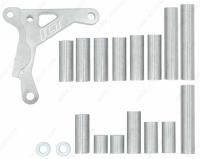
ICT BILLET
Iron Block Accessory Support Bracket for GM LS Engines w/Cast Iron Blocks
Part Number: 335-551921-LS01
Ships on Oct 12, 2026Lowest Price Guarantee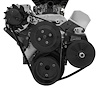
MARCH PERFORMANCE
Standard Mount Serpentine Conversion Kit Small Block Chevy - Long Water Pump
Part Number: 655-22031-08
Ships on Oct 12, 2026Lowest price guarantee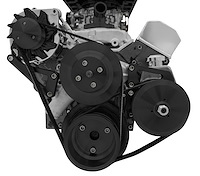
MARCH PERFORMANCE
Standard Mount Serpentine Conversion Kit Small Block Chevy - Long Water Pump
Part Number: 655-22031-08
Ships on Oct 12, 2026Lowest Price Guarantee
GATES
Drive Belt Solution Kit for Select 1999-2003 Volkswagen 1.9L L4
Part Number: 465-38192MK1
Ships on Oct 12, 2026Lowest price guarantee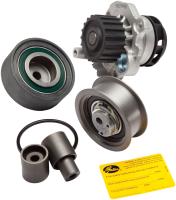
GATES
Drive Belt Solution Kit for Select 1999-2003 Volkswagen 1.9L L4
Part Number: 465-38192MK1
Ships on Oct 12, 2026Lowest Price Guarantee
GATES
Complete Serpentine Belt Kit for 1988-1992 Ford 5L V8
Part Number: 465-90K-38115A
Ships on Oct 12, 2026Lowest price guarantee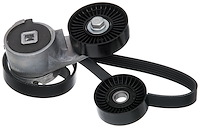
GATES
Complete Serpentine Belt Kit for 1988-1992 Ford 5L V8
Part Number: 465-90K-38115A
Ships on Oct 12, 2026Lowest Price Guarantee
GATES
90K-38133A Complete Micro-V Belt Kit, Outside Belt Circumference: 98.64 in.
Part Number: 465-90K-38133A
Ships on Oct 12, 2026Lowest price guarantee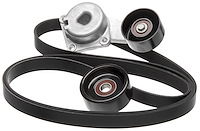
GATES
90K-38133A Complete Micro-V Belt Kit, Outside Belt Circumference: 98.64 in.
Part Number: 465-90K-38133A
Ships on Oct 12, 2026Lowest Price Guarantee![FDS-BBC-201-CP-FF Front Drive System for Big Block Chevy [Black Silverline, w/ AC and Power Steering, Classic Pulley, Flex Fan]](https://www.jegs.com/images/mini_100/0/011/011-fdsbbc201cpf.jpg)
ALL AMERICAN BILLET
FDS-BBC-201-CP-FF Front Drive System for Big Block Chevy [Black Silverline, w/ AC and Power Steering, Classic Pulley, Flex Fan]
Part Number: 011-FDSBBC201CPF
Ships on 10/12/2026Lowest price guarantee![FDS-BBC-201-CP-FF Front Drive System for Big Block Chevy [Black Silverline, w/ AC and Power Steering, Classic Pulley, Flex Fan]](https://www.jegs.com/images/mini_200/0/011/011-fdsbbc201cpf.jpg)
ALL AMERICAN BILLET
FDS-BBC-201-CP-FF Front Drive System for Big Block Chevy [Black Silverline, w/ AC and Power Steering, Classic Pulley, Flex Fan]
Part Number: 011-FDSBBC201CPF
Ships on 10/12/2026Lowest Price Guarantee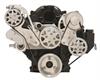
ALL AMERICAN BILLET
Serpentine Belt Front Drive System GM LS1/2/3/6
Part Number: 011-FDS-LS-301
Ships on 10/12/2026Lowest price guarantee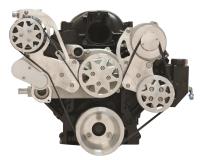
ALL AMERICAN BILLET
Serpentine Belt Front Drive System GM LS1/2/3/6
Part Number: 011-FDS-LS-301
Ships on 10/12/2026Lowest Price Guarantee![Serpentine Belt Budget Front Drive System [GM LS Vortec Truck Engine]](https://www.jegs.com/images/mini_100/0/011/011-fds-lsbt-151.jpg)
ALL AMERICAN BILLET
Serpentine Belt Budget Front Drive System [GM LS Vortec Truck Engine]
Part Number: 011-FDS-LSBT-151
Ships on 10/12/2026Lowest price guarantee![Serpentine Belt Budget Front Drive System [GM LS Vortec Truck Engine]](https://www.jegs.com/images/mini_200/0/011/011-fds-lsbt-151.jpg)
ALL AMERICAN BILLET
Serpentine Belt Budget Front Drive System [GM LS Vortec Truck Engine]
Part Number: 011-FDS-LSBT-151
Ships on 10/12/2026Lowest Price Guarantee
ALL AMERICAN BILLET
Front Drive System Small Block Chevy Silverline Supreme Black NO AC with Power Steering
Part Number: 011-FDS-SBC-503
Ships on 10/13/2026Lowest price guarantee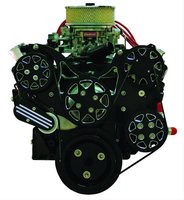
ALL AMERICAN BILLET
Front Drive System Small Block Chevy Silverline Supreme Black NO AC with Power Steering
Part Number: 011-FDS-SBC-503
Ships on 10/13/2026Lowest Price Guarantee![FDS-BBC-353-FF Front Drive System w/On Board PS Reservoir Big Block Chevy [Machine Finish, NO AC with Power Steering, Flex Fan]](https://www.jegs.com/images/mini_100/0/011/011-fdsbbc353ff.jpg)
ALL AMERICAN BILLET
FDS-BBC-353-FF Front Drive System w/On Board PS Reservoir Big Block Chevy [Machine Finish, NO AC with Power Steering, Flex Fan]
Part Number: 011-FDSBBC353FF
Ships on 10/12/2026Lowest price guarantee![FDS-BBC-353-FF Front Drive System w/On Board PS Reservoir Big Block Chevy [Machine Finish, NO AC with Power Steering, Flex Fan]](https://www.jegs.com/images/mini_200/0/011/011-fdsbbc353ff.jpg)
ALL AMERICAN BILLET
FDS-BBC-353-FF Front Drive System w/On Board PS Reservoir Big Block Chevy [Machine Finish, NO AC with Power Steering, Flex Fan]
Part Number: 011-FDSBBC353FF
Ships on 10/12/2026Lowest Price Guarantee![FDS-BBF-104-CP Front Drive System for Big Block Ford 429/460 [Polished, NO AC & NO Power Steering, Classic Pulley]](https://www.jegs.com/images/mini_100/0/011/011-fdsbbf104cp.jpg)
ALL AMERICAN BILLET
FDS-BBF-104-CP Front Drive System for Big Block Ford 429/460 [Polished, NO AC & NO Power Steering, Classic Pulley]
Part Number: 011-FDSBBF104CP
Ships on 10/12/2026Lowest price guarantee![FDS-BBF-104-CP Front Drive System for Big Block Ford 429/460 [Polished, NO AC & NO Power Steering, Classic Pulley]](https://www.jegs.com/images/mini_200/0/011/011-fdsbbf104cp.jpg)
ALL AMERICAN BILLET
FDS-BBF-104-CP Front Drive System for Big Block Ford 429/460 [Polished, NO AC & NO Power Steering, Classic Pulley]
Part Number: 011-FDSBBF104CP
Ships on 10/12/2026Lowest Price Guarantee![FDS-LSM-301 Front Drive System for LS Engine w/Magnuson [Machine Finish]](https://www.jegs.com/images/mini_100/0/011/011-fds-lsm-301.jpg)
ALL AMERICAN BILLET
FDS-LSM-301 Front Drive System for LS Engine w/Magnuson [Machine Finish]
Part Number: 011-FDS-LSM-301
Ships on 10/12/2026Lowest price guarantee![FDS-LSM-301 Front Drive System for LS Engine w/Magnuson [Machine Finish]](https://www.jegs.com/images/mini_200/0/011/011-fds-lsm-301.jpg)
ALL AMERICAN BILLET
FDS-LSM-301 Front Drive System for LS Engine w/Magnuson [Machine Finish]
Part Number: 011-FDS-LSM-301
Ships on 10/12/2026Lowest Price Guarantee![Serpentine Belt Budget Front Drive System [GM LS Vortec Truck Engine]](https://www.jegs.com/images/mini_100/0/011/011-fds-lsbt-351.jpg)
ALL AMERICAN BILLET
Serpentine Belt Budget Front Drive System [GM LS Vortec Truck Engine]
Part Number: 011-FDS-LSBT-351
Ships on 10/12/2026Lowest price guarantee![Serpentine Belt Budget Front Drive System [GM LS Vortec Truck Engine]](https://www.jegs.com/images/mini_200/0/011/011-fds-lsbt-351.jpg)
ALL AMERICAN BILLET
Serpentine Belt Budget Front Drive System [GM LS Vortec Truck Engine]
Part Number: 011-FDS-LSBT-351
Ships on 10/12/2026Lowest Price Guarantee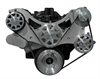
ALL AMERICAN BILLET
Serpentine Belt Front Drive System Big Block Chevy
Part Number: 011-FDS-BBC-301
Ships on 10/12/2026Lowest price guarantee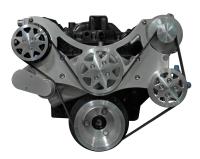
ALL AMERICAN BILLET
Serpentine Belt Front Drive System Big Block Chevy
Part Number: 011-FDS-BBC-301
Ships on 10/12/2026Lowest Price Guarantee![FDS-BBC-153-CP-FF Front Drive System w/On Board PS Reservoir Big Block Chevy [Polished, NO AC w/Power Steering, Pulley, Fan]](https://www.jegs.com/images/mini_100/0/011/011-fdsbbc153cpf.jpg)
ALL AMERICAN BILLET
FDS-BBC-153-CP-FF Front Drive System w/On Board PS Reservoir Big Block Chevy [Polished, NO AC w/Power Steering, Pulley, Fan]
Part Number: 011-FDSBBC153CPF
Ships on 10/12/2026Lowest price guarantee![FDS-BBC-153-CP-FF Front Drive System w/On Board PS Reservoir Big Block Chevy [Polished, NO AC w/Power Steering, Pulley, Fan]](https://www.jegs.com/images/mini_200/0/011/011-fdsbbc153cpf.jpg)
ALL AMERICAN BILLET
FDS-BBC-153-CP-FF Front Drive System w/On Board PS Reservoir Big Block Chevy [Polished, NO AC w/Power Steering, Pulley, Fan]
Part Number: 011-FDSBBC153CPF
Ships on 10/12/2026Lowest Price Guarantee![FDS-BBC-801 Front Drive System for Big Block Chevy [Chrome, w/ AC and Power Steering]](https://www.jegs.com/images/mini_100/0/011/011-fds-bbc-801.jpg)
ALL AMERICAN BILLET
FDS-BBC-801 Front Drive System for Big Block Chevy [Chrome, w/ AC and Power Steering]
Part Number: 011-FDS-BBC-801
Ships on 10/12/2026Lowest price guarantee![FDS-BBC-801 Front Drive System for Big Block Chevy [Chrome, w/ AC and Power Steering]](https://www.jegs.com/images/mini_200/0/011/011-fds-bbc-801.jpg)
ALL AMERICAN BILLET
FDS-BBC-801 Front Drive System for Big Block Chevy [Chrome, w/ AC and Power Steering]
Part Number: 011-FDS-BBC-801
Ships on 10/12/2026Lowest Price Guarantee
ALL AMERICAN BILLET
Serpentine Belt Front Drive System
Part Number: 011-FDS-LS-203
Ships on 10/12/2026Lowest price guarantee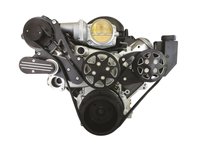
ALL AMERICAN BILLET
Serpentine Belt Front Drive System
Part Number: 011-FDS-LS-203
Ships on 10/12/2026Lowest Price GuaranteeFrequently Asked Questions About Serpentine Belt Kits
Can you install a serpentine belt kit yourself?
Yes, many enthusiasts install serpentine belt kits at home with hand tools and a belt tensioner tool. You'll need to relieve tension, route the belt correctly around every pulley, and confirm alignment before starting the engine. For a step-by-step walkthrough, see our guide on how to install a serpentine belt.
How much does a serpentine belt kit cost?
Pricing depends on the kit type and finish. Standard replacement kits generally run from around $65 to $290. Full custom accessory-drive and front-drive conversion systems can exceed $1,000. A complete kit with polished billet pulleys and brackets costs more than a basic belt-and-tensioner refresh.
Can a car run without a serpentine belt?
No, not for long. The serpentine belt drives the alternator, water pump, and power steering. Without it, the engine loses charging and cooling almost immediately. Running without the belt risks overheating and a dead battery, so replace a worn or broken belt before driving.
How do I measure a serpentine belt?
Measure the belt by its length and rib count. Route a tape or old belt around the full pulley path with the tensioner set to spec. Then count the ribs across the belt's ribbed face to confirm the profile. Matching both length and rib count ensures the new belt tracks and grips correctly.