Sign up now to join the JEGS email newsletter and be the first to learn about new products, special deals and e-mail only offers!

 3 People Found This Article Helpful


Serpentine belts are a critical part of your car’s smooth running – or it's running at all. This sturdy, reinforced rubber belt keeps many key components of your car’s critical systems running. You can be left stranded on the road if your serpentine belt breaks. That’s why it’s essential to understand that your serpentine belt needs replacement. Your vehicle’s manufacturer will recommend the mileage and frequency of replacement. But, if you’re not sure when your vehicle’s serpentine belt was replaced last, it’s always best to replace it. Prevention is better than cure, after all.
In this article, we’ll take you through what a serpentine belt is, what you’ll need to replace it, and how to install a serpentine belt. You can also contact us for advice as to which serpentine belt will suit your car, truck or SUV.
A serpentine belt is a single belt that connects the engine to its accessories. You may not know it, but your engine does much more than just propel your vehicle forward and backward. Firstly, your alternator is powered by the engine via the serpentine belt. This is a critical component because it keeps your vehicle's battery charged. Should your serpentine belt fail, you’ll most likely see the dreaded ‘Red Battery Icon’ in your gauge cluster, signifying an issue with your vehicle’s charging system.
But the serpentine belt doesn’t just power the alternator. Nope, it may also drive components such as your power steering pump, water pump, and air conditioning compressor. That’s a lot of work!
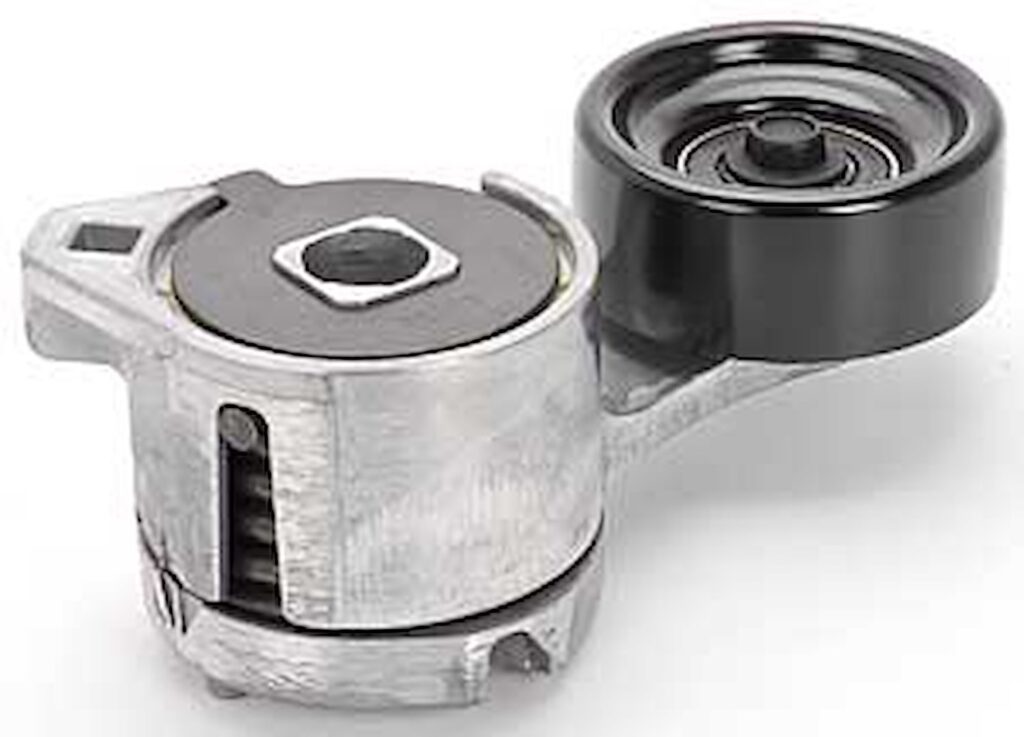
Your serpentine belt is kept at its proper tension by one or more belt tensioners, ensuring that it doesn’t slip, as well as idler pulleys, which help guide it around its path. In short, it looks like a continuous serpent, going round and round, which is how the name serpentine belt came about.
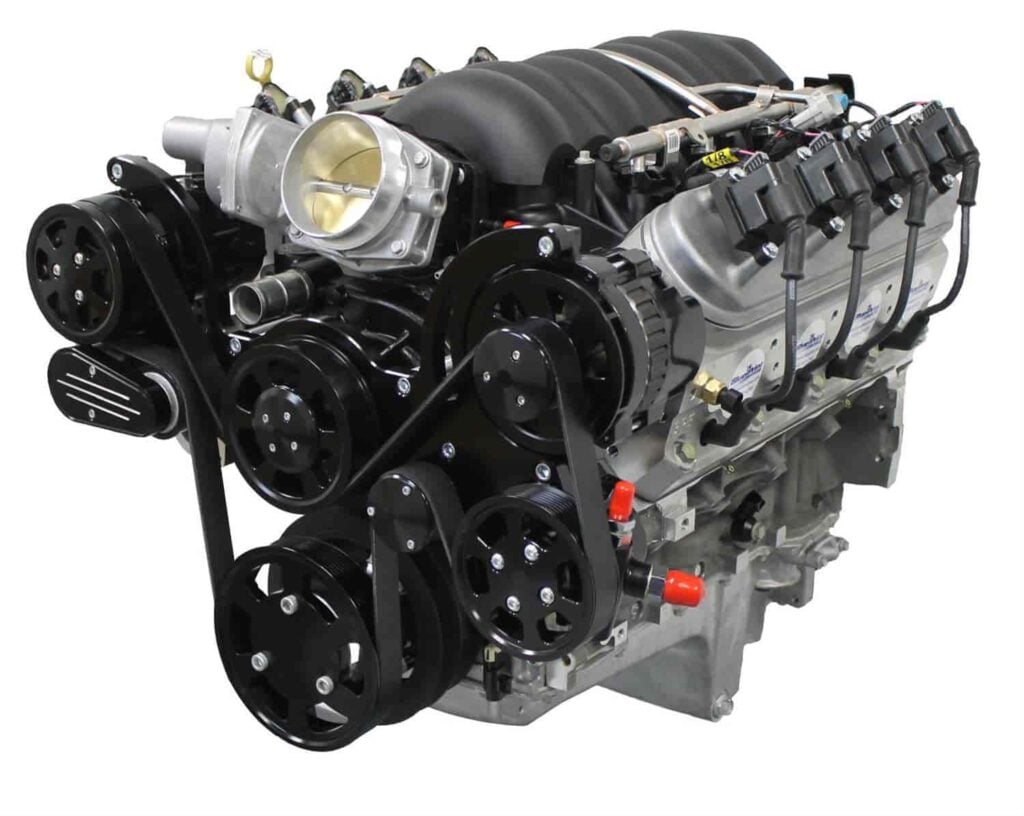
There are a few ways. The most characteristic is a loud squealing sound emanating from your engine bay. This means that the serpentine belt is slipping on one or more of its pulleys. The squealing may come due to a variety of reasons, including the belt being stretched due to old age, damaged in some way, or a belt tensioner not doing its job. But it’s not a sound you should ignore.
You can also visually inspect your vehicle’s serpentine belt. If it looks old, cracked, and frayed, it’s on its last legs. You shouldn’t delay replacement, especially as its failure can cause a domino effect of expensive repairs if disregarded.
Finally, check your vehicle manufacturer’s recommendations. You should adjust these accordingly, depending on your usage case scenario – for example, do you also race your car on the weekends or venture off-road into the trails regularly? If so, you’ll need a serpentine belt replacement sooner.
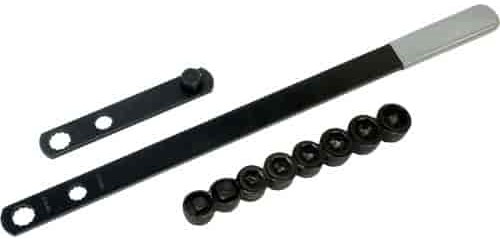
You need a few things to get the job done:
You should also invest in a belt tension gauge if you want to be extremely precise and confident that it’s done right.
Sign up now to join the JEGS email newsletter and be the first to learn about new products, special deals and e-mail only offers!
First, you must release the tension on the existing belt by releasing the belt tensioner. Here’s where you need your belt tensioner tool. You typically don’t need to fully remove the tensioner, so be mindful of this. Ease the tension off the belt, and then you should be able to remove the old belt.
If your old belt is intact and hasn’t slipped off, it’s a great time to note the belt's routing if you forgot to read your owner’s manual or couldn’t find it. Take a photo with your phone or even draw a sketch if that’s your kind of thing. Then, ease off the old belt and keep it aside.
Now that the old belt is off, it’s a great time to check and clean the pulleys it powered. Here, you can see if there is further damage that may require attention, such as a bent or damaged pulley. Inspect each one carefully and clean it with a dry cloth if necessary. You want the new belt to have a clean surface to act on.
First, clean your hands before touching the new belt. The old belt likely had all sorts of gunk on it, so why transfer all that onto the new belt? Then, route the new belt carefully, ensuring you thread it through all the pulleys it needs to power. Your owner’s manual, photo of the old belt’s route, or sketch is invaluable here. You want to ensure the new belt is correctly centered over each pulley it needs to power.
Re-tighten the belt tensioner. For manually adjusted tensioners, check the tension with your gauge before you start your engine. Adjust it so it has the right deflection—how much it moves when you press on the middle of it.
Let the engine idle for a minute or two, listening for any untoward sounds and ensuring that all ancillaries function. Check your gauge cluster to ensure that no warning lights are illuminating. Then, gently rev your engine a bit to ensure that everything has bedded in and there’s no squealing. Once you’re satisfied, you can take your vehicle for a spin.

Whether it’s a serpentine belt or anything else, we will surely have it right here at JEGS. We’ve been stocking the best replacement and aftermarket performance parts for decades. We’ll help you determine what’s best for your car, needs, and pocket. You can also rest assured that all products sold by us carry their applicable warranties, and we provide first-class after-sales service.




Leave a Reply