Sign up now to join the JEGS email newsletter and be the first to learn about new products, special deals and e-mail only offers!

 2 People Found This Article Helpful
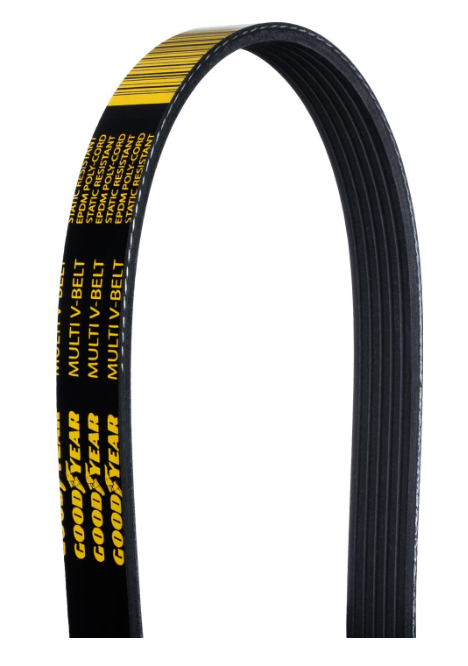

A properly sized serpentine belt is critical for keeping your engine accessories running smoothly. The serpentine belt drives components such as the alternator, water pump, power steering pump, and air conditioning compressor. If the belt is too long, too short, or incorrectly routed, you can experience noise, charging problems, overheating, or complete accessory failure.
If you are replacing a worn belt, installing aftermarket pulleys, or setting up a custom accessory drive system, knowing how to measure a serpentine belt ensures a proper fit.
In many stock applications, you can look up the correct belt by vehicle year, make, and model. However, there are situations where measuring is necessary.
You may need to measure a serpentine belt if you have installed underdrive pulleys, changed bracket spacing, added or removed accessories, completed an engine swap, or built a custom setup. In these cases, factory belt length may no longer apply.

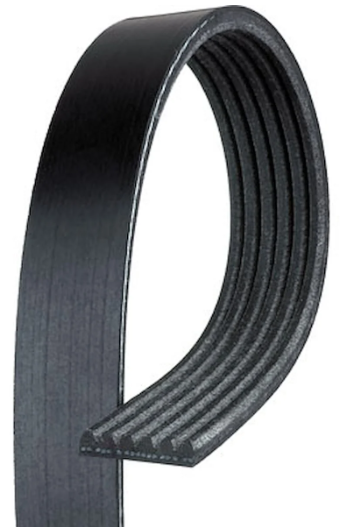
Serpentine belts are identified by length and number of ribs. The rib count must match the grooves on your pulleys. Common rib counts include 4, 5, 6, 7, or 8 ribs depending on the application.
Belt length is typically measured in inches or millimeters. The part number often includes both the rib count and the effective length.
Ensuring both measurements are correct is essential for proper tension and alignment.
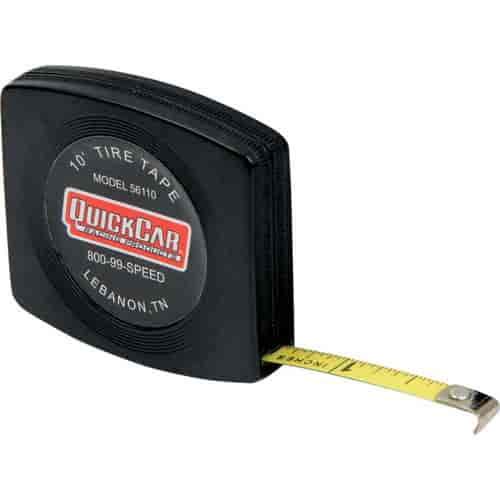
One of the easiest ways to measure a serpentine belt for a custom application is to use a piece of string or a flexible measuring tape.
Route the string through the pulleys following the exact path the belt will take. Make sure it sits fully in the pulley grooves and follows the correct routing around tensioners and idlers.
Pull the string snug to simulate belt tension, but do not overtighten. Mark the point where the string meets and measure the total length.
This measurement gives you a starting point for belt length selection.
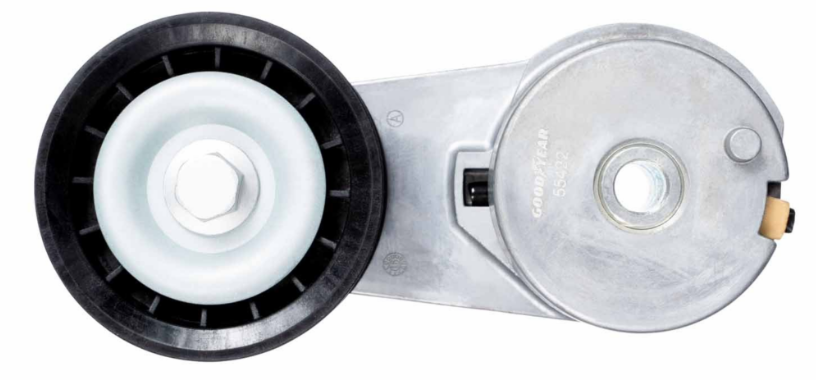
When measuring for a new belt, consider the position of the belt tensioner. The tensioner should sit near the middle of its travel range when the correct belt is installed.
If the tensioner is fully extended, the belt may be too long. If it is near its stop in the opposite direction, the belt may be too short.
Choosing a belt slightly shorter or longer by half an inch can help fine tune tensioner placement.
Sign up now to join the JEGS email newsletter and be the first to learn about new products, special deals and e-mail only offers!
If you still have the old belt and it is intact, you can measure its length directly. Lay the belt flat and measure its overall circumference using a flexible tape.
Keep in mind that worn belts may stretch slightly over time. If the old belt was slipping or tension was low, consider choosing a slightly shorter replacement.
Count the number of ribs on your existing belt or measure the width of the pulley grooves. The belt must match the rib count exactly.
Also verify that all pulleys are aligned properly. Misalignment can cause premature belt wear and noise even if the length is correct.
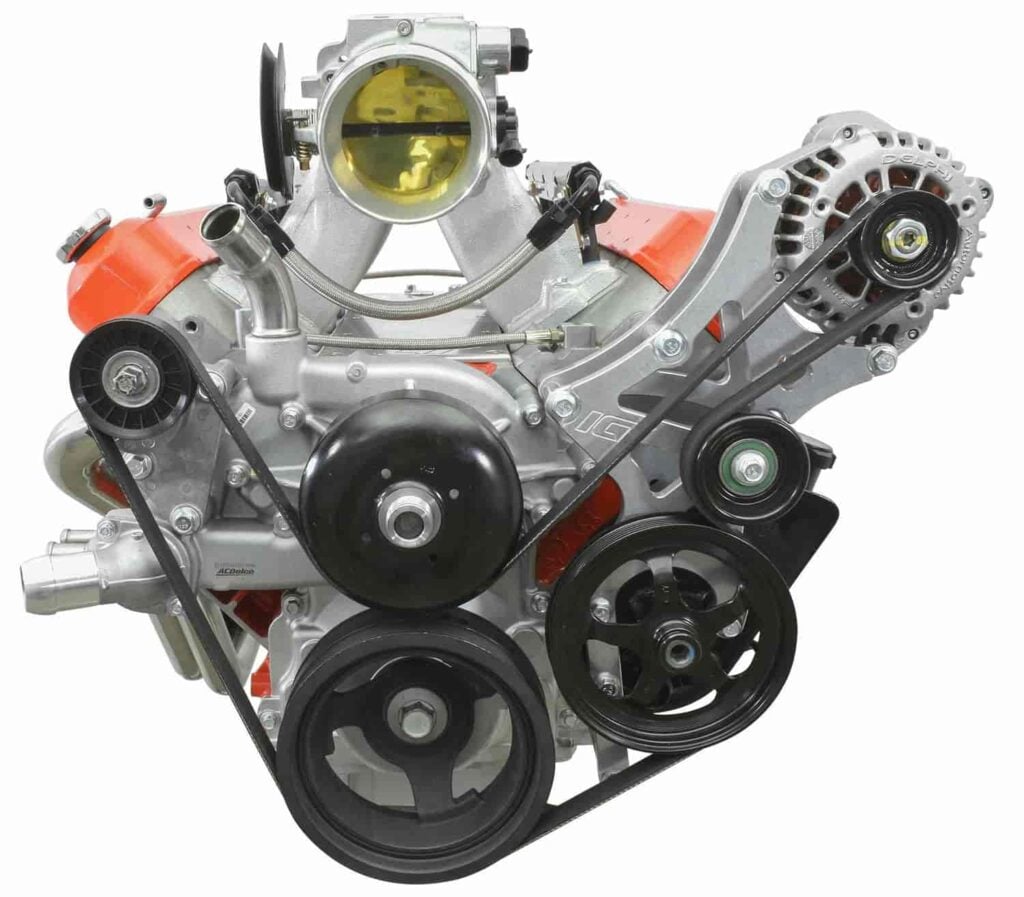
A belt that is too long may squeal, slip, or cause accessories to underperform. A belt that is too short may be difficult to install and can place excessive stress on bearings and tensioners.
Always double check routing and measurements before final installation.
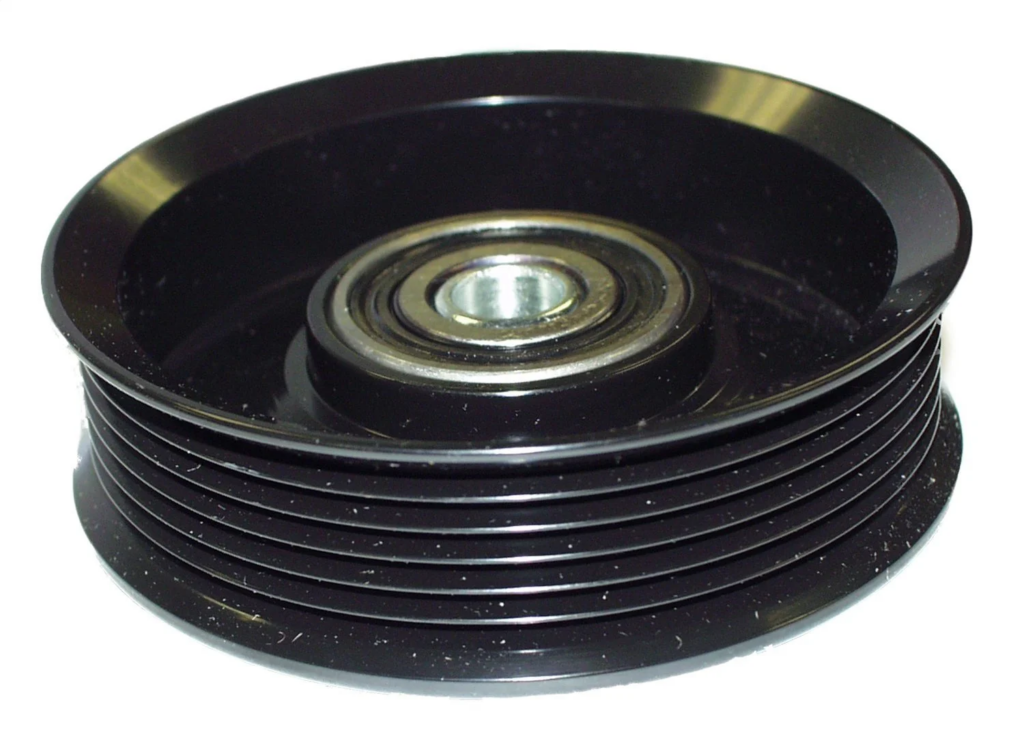
Whether you are maintaining a stock vehicle or building a custom engine setup, accurate measurement ensures reliable accessory performance.
At www.jegs.com, you will find a wide selection of serpentine belts in various lengths and rib counts to fit factory and custom applications. If you are unsure which belt length is right for your setup, the JEGS Tech Specialists are available to help you select the correct size for a secure and reliable fit.




Leave a Reply