


 Order Status & Returns
 Gift Cards
 Help Center
 1-800-345-4545

AN Hose & Hose Ends
AN hose here includes stainless-braided and black nylon-braided hose in -6 through -16 dash sizes, plus the hose ends to finish each line. Bulk hose comes in 3, 6, 10, 15, and 20 ft. lengths, and pre-made -6 AN hose assemblies cover short runs without cutting. Use the sizing, hose-type, and application guidance below to match your hose and hose ends before you order.
Show More
Which AN Hose Type Fits Your Build?
AN hose comes in four common types: stainless-braided, nylon-braided, PTFE-lined, and push-lock. Each pairs an inner liner, either rubber or PTFE, with an outer cover of stainless braid, nylon braid, or rubber. Your choice depends on the fluid, the line pressure, and the look you want under the hood.
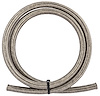
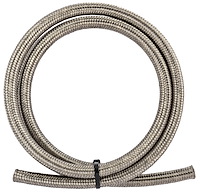
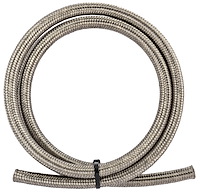
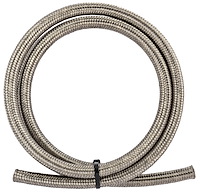
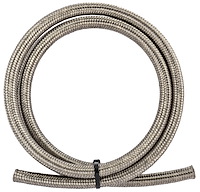
- Stainless-braided hose: a rubber liner under stainless braid, such as JEGS Pro-Flo 200 Series in -6 through -12 AN.
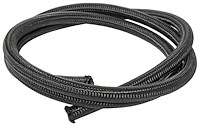
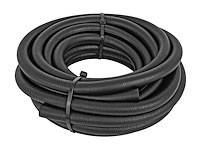
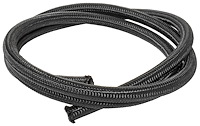
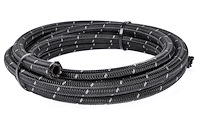
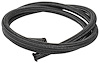
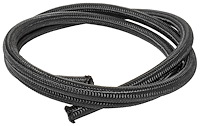
- Nylon-braided hose: a black nylon braid cover, offered in Pro-Flo 350 Series in -6, -8, -10, -12, and -16 AN.
- PTFE-lined hose: a PTFE liner for high-pressure lines and fuel vapor resistance.
- Push-lock hose: the easiest type to install, limited to low-pressure systems.
Hose is one part of a complete line. When you need the fittings to connect it, browse the full AN Fittings & Hose category.
How Do AN Hose Sizes Work?
An AN dash number tells you the hose's inside diameter in sixteenths of an inch. A -6 AN hose measures 6/16 in., or 3/8 in., inside, and a 10 AN hose measures 5/8 in. Use this AN hose size chart to convert dash sizes to inches:
- -4 AN = 1/4 in. inside diameter
- -6 AN = 3/8 in. inside diameter
- -8 AN = 1/2 in. inside diameter
- -10 AN = 5/8 in. inside diameter
- -12 AN = 3/4 in. inside diameter
- -16 AN = 1 in. inside diameter
Keep the hose, hose ends, and fittings in one line on the same dash number unless you're stepping sizes on purpose. If you're replacing an existing line, read the dash size off the old hose end or fitting first. For more on how each size affects your setup, read what AN fittings and hose sizes mean for your ride.
How Do You Match AN Hose Ends to Your Hose?
Your AN hose ends must match the hose type as well as the dash size. PTFE hose needs PTFE-specific hose ends that seal with an olive, also called a ferrule. Rubber-lined braided hose uses standard swivel-seal hose ends, and push-lock hose uses push-lock barbs.
Before you add a hose end to your cart, check its listed hose type against the hose you're running. A hose end built for one construction won't seal correctly on another, even when the dash size matches. Settle on hose type first, then pick ends in the same dash size and the angles your routing needs.
You can shop Earl's Performance Plumbing hose ends alongside Russell Performance hose ends in one place. You'll also find plumbing from Fragola Performance Systems and Vibrant Performance. Sticking with one brand's hose and hose ends on a line keeps the hose type and hose end style easy to match.
Which AN Hose Should You Use for Fuel, Oil and Brake Lines?
Pick AN hose by the fluid and pressure in each line. Power steering, transmission, and brake fluid run at high pressure, so those lines should use PTFE hose. Push-lock hose works for low-pressure systems: carbureted fuel, engine oil, coolant, and vacuum.
For fuel, line size matters as much as hose type. If you're comparing 6 AN fuel hose with -8 or 10 AN hose, a larger inside diameter gives fuel a bigger path to the engine. Our article on fuel line size vs. pressure drop explains how line size affects the fuel pressure that reaches your carburetor or injectors.
For braided fuel runs, Pro-Flo 30R9 braided hose comes in -8 and -10 AN. Universal fuel hose in 1/4, 5/16, and 3/8 in. I.D. handles low-pressure runs on barbed fittings. Secure those connections with hose clamps sized to the hose's outside diameter.
What Fittings and Tools Complete an AN Hose Assembly?
An AN hose assembly needs hose, hose ends, and the fittings that connect the line to your pump, filter, or engine. Fitting angles typically come in 30, 45, 60, 90, 120, 150, and 180 degrees, so you can route lines around headers and brackets. These fitting groups cover most plumbing jobs:
- General AN fittings connect hose ends to pumps, filters, and other components.
- AN bulkhead fittings pass a line through a panel.
- AN union fittings, couplers and reducers join lines of the same or different sizes.
- AN caps, plugs and dust covers seal open ports while you work.
For assembly, you'll want a hose cutter, an AN wrench, and a vise, and an AN hose assembly tool helps you push hose into the socket. You'll find cutters and wrenches in hose & tube tools. Before your first line, walk through our guide on how to assemble AN fittings and hose assemblies.

ADD A VEHICLE TO GUARANTEE PARTS FIT
See products that fit

ADD A VEHICLE TO GUARANTEE PARTS FIT
See products that fit

JEGS
AN 90-Degree Max Flow Swivel Hose End [-8 AN Female to -8 AN Hose, Black]
Part Number: 555-110022
 Ships Today
 Lowest price guarantee
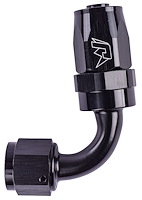
JEGS
AN 90-Degree Max Flow Swivel Hose End [-8 AN Female to -8 AN Hose, Black]
Part Number: 555-110022
Ships TodayLowest Price Guarantee
JEGS
AN Straight Max Flow Swivel Hose End [-8 AN Female to -8 AN Hose, Black]
Part Number: 555-110002
Ships TodayLowest price guarantee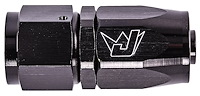
JEGS
AN Straight Max Flow Swivel Hose End [-8 AN Female to -8 AN Hose, Black]
Part Number: 555-110002
Ships TodayLowest Price Guarantee
JEGS
AN 90-Degree Max Flow Swivel Hose End [-6 AN Female to -6 AN Hose, Black]
Part Number: 555-110021
Ships TodayLowest price guarantee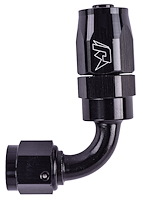
JEGS
AN 90-Degree Max Flow Swivel Hose End [-6 AN Female to -6 AN Hose, Black]
Part Number: 555-110021
Ships TodayLowest Price Guarantee
JEGS
AN 90-Degree Max Flow Swivel Hose End [-10 AN Female to -10 AN Hose, Black]
Part Number: 555-110023
Ships TodayLowest price guarantee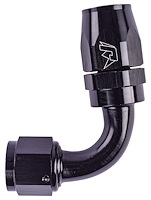
JEGS
AN 90-Degree Max Flow Swivel Hose End [-10 AN Female to -10 AN Hose, Black]
Part Number: 555-110023
Ships TodayLowest Price Guarantee
JEGS
AN 90-Degree Max Flow Swivel Hose End [-12 AN Female to -12 AN Hose, Black]
Part Number: 555-110024
Ships TodayLowest price guarantee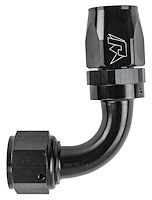
JEGS
AN 90-Degree Max Flow Swivel Hose End [-12 AN Female to -12 AN Hose, Black]
Part Number: 555-110024
Ships TodayLowest Price Guarantee

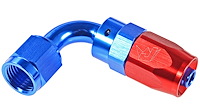
JEGS
AN Straight PTFE Hose End Fitting [-6 AN Female to -6 AN PTFE Hose, Black Anodized Aluminum]
Part Number: 555-121001
Ships TodayLowest price guarantee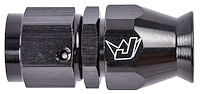
JEGS
AN Straight PTFE Hose End Fitting [-6 AN Female to -6 AN PTFE Hose, Black Anodized Aluminum]
Part Number: 555-121001
Ships TodayLowest Price Guarantee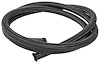

JEGS
AN 45-Degree Max Flow Swivel Hose End [-8 AN Female to -8 AN Hose, Black]
Part Number: 555-110012
Ships TodayLowest price guarantee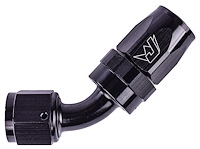
JEGS
AN 45-Degree Max Flow Swivel Hose End [-8 AN Female to -8 AN Hose, Black]
Part Number: 555-110012
Ships TodayLowest Price Guarantee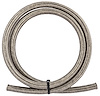

JEGS
AN 90-Degree Max Flow Swivel Hose End [-16 AN Female to -16 AN Hose, Black]
Part Number: 555-110025
Ships TodayLowest price guarantee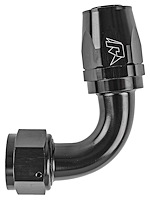
JEGS
AN 90-Degree Max Flow Swivel Hose End [-16 AN Female to -16 AN Hose, Black]
Part Number: 555-110025
Ships TodayLowest Price Guarantee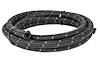

JEGS
AN Straight Max Flow Swivel Hose End [-16 AN Female to -16 AN Hose, Black]
Part Number: 555-110005
Ships TodayLowest price guarantee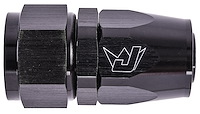
JEGS
AN Straight Max Flow Swivel Hose End [-16 AN Female to -16 AN Hose, Black]
Part Number: 555-110005
Ships TodayLowest Price Guarantee

JEGS
AN Straight Max Flow Swivel Hose End [-6 AN Female to -6 AN Hose, Blue & Red]
Part Number: 555-100001
Ships TodayLowest price guarantee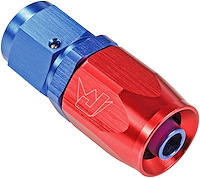
JEGS
AN Straight Max Flow Swivel Hose End [-6 AN Female to -6 AN Hose, Blue & Red]
Part Number: 555-100001
Ships TodayLowest Price Guarantee
JEGS
AN 45-Degree Max Flow Swivel Hose End [-16 AN Female to -16 AN Hose, Black]
Part Number: 555-110015
Ships TodayLowest price guarantee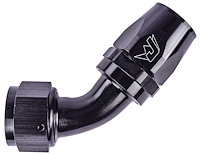
JEGS
AN 45-Degree Max Flow Swivel Hose End [-16 AN Female to -16 AN Hose, Black]
Part Number: 555-110015
Ships TodayLowest Price Guarantee
Frequently Asked Questions About AN Hose
Which AN Hose Works With E85?
PTFE-lined hose is a common choice for E85 and other high-ethanol fuels. PTFE resists fuel vapor permeation through the hose wall. Pair it with PTFE-specific hose ends, since standard swivel-seal ends are made for rubber-lined hose.
Can AN Fittings Connect to Other Flare Types?
Not directly. AN fittings seal on a 37-degree flare, so they can't mate with other flare types without an adapter. Check the flare on the component you're plumbing before you order.
How Do I Cut Braided AN Hose Cleanly?
Wrap the cut point with tape to hold the braid in place. Cut through the tape with a hose cutter, hacksaw, or cutoff wheel. Then blow out the debris with compressed air before you install the hose ends.
How Can I Tell if a Hose End Pushed Out During Assembly?
Mark the hose at the edge of the socket before you thread the hose end together. If the mark has moved away from the socket after tightening, the hose pushed out and you should reassemble it. Lubricate the threads before tightening with an AN wrench.
When Should I Buy a Pre-Made Hose Assembly?
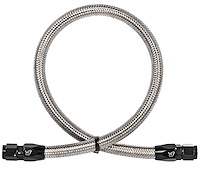
A pre-made assembly saves you cutting and assembly time on short runs. JEGS Pro-Flo 350 hose assemblies come in -6 AN at 2 ft. and 3 ft. lengths. For longer or custom routes, bulk hose and separate hose ends let you set the exact length.