

 Order Status & Returns
 Gift Cards
 Help Center
 1-800-345-4545

AN Fittings & Hose
AN fittings and AN hose let you build custom fuel, oil, coolant and transmission lines that fit your engine and routing. You'll find braided and PTFE hose, swivel hose ends, bulkheads, unions, reducers and caps in common sizes like -6, -8 and -10 AN. Shop JEGS for a wide selection of AN plumbing, so you can match hose, ends and adapters in one order.
Show More
Which AN Hose Fits Your Fuel, Oil or Coolant Line?
The right AN hose comes down to two parts: the liner that carries the fluid and the cover that protects it. Liners are either rubber or PTFE. Covers come in stainless braid, nylon braid or smooth rubber.
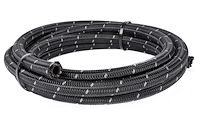
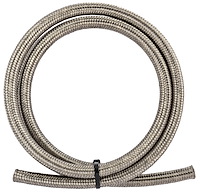
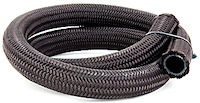
Our JEGS Pro-Flo line covers the most common setups. Pro-Flo 200 Series stainless steel braided hose comes in -6 AN, in 6, 15 and 20 ft. lengths. Pro-Flo 350 hose has a black nylon braid and comes in -6, -8, -10 and -12 AN.
You'll also find Pro-Flo 30R9 braided hose. Pair any hose with matching ends from AN Hose & Hose Ends. Black Max Flow swivel hose ends come in straight, 45- and 90-degree styles from -6 to -16 AN. Shopping for more than AN parts? This page sits inside our larger Fittings & Hose department.
PTFE Hose vs Braided Hose: Which Should You Run?
Run PTFE hose when you're plumbing high-pressure fluids or aggressive fuels. PTFE is the recommended liner for power steering, transmission and brake fluid. It also offers better chemical resistance, which matters if you're running E85 or race fuel.
Keep in mind that "braided" describes the cover. PTFE hose and rubber hose can both wear a stainless or nylon braid, so check the liner before you buy. The liner, more than the braid, decides which fluids and pressures a hose can handle.
If you're setting up an E85 or race fuel system, browse Fuel Fittings, Lines & Hose for more fuel-specific plumbing. Plumbing an automatic? Our transmission cooler line hose guide explains which hose to use. You can also shop AN plumbing from Russell for these lines.
How Do You Read an AN Fitting Size Chart?
An AN fitting size chart follows one rule: the dash number is the line size in sixteenths of an inch. A -6 fitting is 6/16 in., which equals 3/8 in. The same math works for every dash size you'll see.
- -6 AN equals 6/16 in., or 3/8 in.
- -8 AN equals 8/16 in., or 1/2 in.
- -10 AN equals 10/16 in., or 5/8 in.
- -12 AN equals 12/16 in., or 3/4 in.
- -16 AN equals 16/16 in., or 1 in.
Keep your hose, hose ends and adapters at the same dash size across a line. When you do need to change sizes, use a reducer instead of forcing a mismatch. For more detail, read our guide to AN fittings and hose sizes.
When Should You Use Push Lock Hose?
Use push lock hose for low-pressure systems such as carbureted fuel, oil, coolant and vacuum lines. It's one of three common ways to connect hose to a fitting. The other two are crimp fittings and reusable hose ends.
Pick the connection type that matches the pressure in the line. Power steering, transmission and brake lines carry high-pressure fluids, so step up to PTFE hose and the ends made for it.
Many builds use more than one connection type. You might run push lock for vacuum and coolant, then switch to PTFE for the power steering. Sort your lines by fluid and pressure first, then choose the hose and ends for each one. To round out your low-pressure lines, shop AN plumbing from Earl's.
Which AN Fittings Do You Need Beyond Hose Ends?
Most systems need a few AN fittings beyond the hose ends to route, split and seal each line. Here's what each type does:
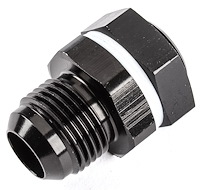
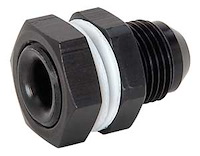
- AN bulkhead fittings pass a line through a panel, like black high-flow fuel cell bulkheads in -8 and -10 AN.
- AN unions, couplers & reducers join same-size lines or step between two sizes, including 90-degree unions.
- Tees split flow from one line into two.
- Adapter fittings change direction at common angles of 30, 45, 60, 90, 120, 150 and 180 degrees.
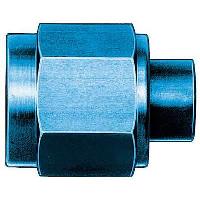
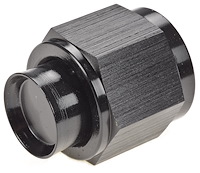
- AN caps, plugs & dust covers close off open ends, including flare caps and Aeroquip -16 AN caps.
Plan these pieces when you map your lines. A bulkhead or the right adapter angle can save you from a tight bend or an awkward hose run.
How Do You Assemble AN Fittings and Hose?
You can assemble AN fittings and hose at home with a few basic tools. You'll need a hose cutter or cut-off wheel, electrical tape, an AN wrench, a vise and lubricant. A Koul Tool is optional.
Wrap electrical tape around the cut point before you cut the hose. Lubricate the parts, then hold the fitting in the vise and tighten it with the AN wrench. When you're done, clean the hose with compressed air to clear out any debris before you install it.
For the full step-by-step process, follow our guide on how to assemble AN fittings and hose assemblies. You can also shop AN plumbing from Fragola Performance Systems as you finish your lines. When you're ready to order, browse general AN fittings for the rest of your plumbing.

ADD A VEHICLE TO GUARANTEE PARTS FIT
See products that fit


JEGS
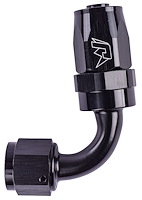
AN 90-Degree Max Flow Swivel Hose End [-8 AN Female to -8 AN Hose, Black]
Part Number: 555-110022
 Ships Today
 Lowest price guarantee
JEGS
AN 90-Degree Max Flow Swivel Hose End [-8 AN Female to -8 AN Hose, Black]
Part Number: 555-110022
Ships TodayLowest Price Guarantee
JEGS
AN Straight Max Flow Swivel Hose End [-8 AN Female to -8 AN Hose, Black]
Part Number: 555-110002
Ships TodayLowest price guarantee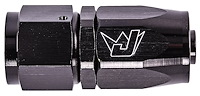
JEGS
AN Straight Max Flow Swivel Hose End [-8 AN Female to -8 AN Hose, Black]
Part Number: 555-110002
Ships TodayLowest Price Guarantee
JEGS
AN Female to AN Male 90-Degree Union [-6 AN Female Swivel to -6 AN Male, Black]
Part Number: 555-110892
Ships TodayLowest price guarantee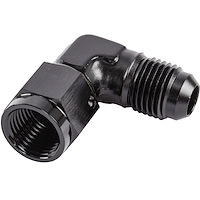
JEGS
AN Female to AN Male 90-Degree Union [-6 AN Female Swivel to -6 AN Male, Black]
Part Number: 555-110892
Ships TodayLowest Price Guarantee
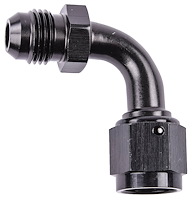


JEGS
AN Straight Max Flow Swivel Hose End [-6 AN Female to -6 AN Hose, Black]
Part Number: 555-110001
Ships TodayLowest price guarantee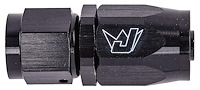
JEGS
AN Straight Max Flow Swivel Hose End [-6 AN Female to -6 AN Hose, Black]
Part Number: 555-110001
Ships TodayLowest Price Guarantee
JEGS
AN 45-Degree Max Flow Swivel Hose End [-6 AN Female to -6 AN Hose, Black]
Part Number: 555-110011
Ships TodayLowest price guarantee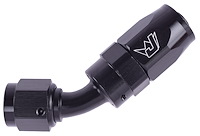
JEGS
AN 45-Degree Max Flow Swivel Hose End [-6 AN Female to -6 AN Hose, Black]
Part Number: 555-110011
Ships TodayLowest Price Guarantee

JEGS
AN Straight Max Flow Swivel Hose End [-10 AN Female to -10 AN Hose, Black]
Part Number: 555-110003
Ships TodayLowest price guarantee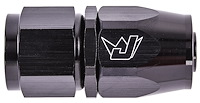
JEGS
AN Straight Max Flow Swivel Hose End [-10 AN Female to -10 AN Hose, Black]
Part Number: 555-110003
Ships TodayLowest Price Guarantee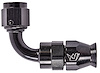
JEGS
AN 90-Degree PTFE Hose End Fitting [-6 AN Female to -6 AN PTFE Hose, Black Anodized Aluminum]
Part Number: 555-122021
Ships TodayLowest price guarantee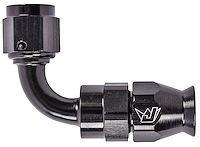
JEGS
AN 90-Degree PTFE Hose End Fitting [-6 AN Female to -6 AN PTFE Hose, Black Anodized Aluminum]
Part Number: 555-122021
Ships TodayLowest Price Guarantee
JEGS
AN Straight PTFE Hose End Fitting [-6 AN Female to -6 AN PTFE Hose, Zinc Plated]
Part Number: 555-104002
Ships TodayLowest price guarantee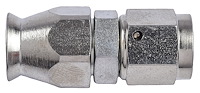
JEGS
AN Straight PTFE Hose End Fitting [-6 AN Female to -6 AN PTFE Hose, Zinc Plated]
Part Number: 555-104002
Ships TodayLowest Price Guarantee

JEGS
AN 45-Degree Max Flow Swivel Hose End [-10 AN Female to -10 AN Hose, Black]
Part Number: 555-110013
Ships TodayLowest price guarantee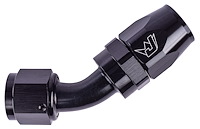
JEGS
AN 45-Degree Max Flow Swivel Hose End [-10 AN Female to -10 AN Hose, Black]
Part Number: 555-110013
Ships TodayLowest Price Guarantee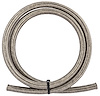

JEGS
AN 90-Degree Push-Loc Hose End [-6 AN Female Swivel to Push-Loc Hose, Black]
Part Number: 555-110071
Ships TodayLowest price guarantee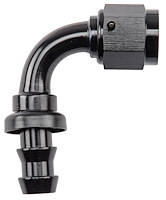
JEGS
AN 90-Degree Push-Loc Hose End [-6 AN Female Swivel to Push-Loc Hose, Black]
Part Number: 555-110071
Ships TodayLowest Price Guarantee

JEGS
AN Straight Max Flow Swivel Hose End [-12 AN Female to -12 AN Hose, Black]
Part Number: 555-110004
Ships TodayLowest price guarantee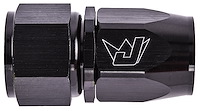
JEGS
AN Straight Max Flow Swivel Hose End [-12 AN Female to -12 AN Hose, Black]
Part Number: 555-110004
Ships TodayLowest Price Guarantee
Frequently Asked Questions About AN Fittings
What Does AN Stand For on a Fitting?
AN stands for Army-Navy. The name comes from a joint military standard created during World War II. Today, it's the sizing system you'll see on the performance plumbing in this category.
Can You Mix AN Fittings with 45-Degree Flare Fittings?
No. AN fittings seal on a 37-degree flare, while SAE flare fittings use a 45-degree flare. The two aren't interchangeable, so match 37-degree parts to 37-degree parts across the whole line.
Can AN Hose Be Used for Coolant?
Yes. Coolant is a low-pressure fluid, so push lock hose and fittings are a common choice. Match the dash size to your ports and keep it consistent through the line.
Do You Need Different Hose Ends for PTFE Hose?
Yes. PTFE hose ends use an olive, so don't install rubber-hose ends on PTFE hose. JEGS carries zinc-plated PTFE hose end fittings made for this job.
Can You Buy AN Hose Already Assembled?
Yes. JEGS offers Pro-Flo 200 and Pro-Flo Extreme hose assemblies if you'd rather skip cutting and assembling hose yourself. Just confirm the dash size and length match your routing before you order.