


 Order Status & Returns
 Gift Cards
 Help Center
 1-800-345-4545
Automotive Hose & Fuel Line Insulation Products
Fuel line and hose insulation are a great way to add protection to your vehicle's hose and electrical wiring, especially in high horsepower and turbo applications. JEGS offers a wide selection of hose and fuel line insulation from top manufacturers such as DEI, Thermo Tec, Vibrant Performance, JEGS, and more. Each hose and fuel line insulation kit provides the performance you want at a price you can afford with the assurance you need.
Show More
Why is it a good idea to insulate your fuel lines? Decades ago, "vapor lock" could be an issue, when a fuel line ran too close to a heat source and fuel was vaporized before it could make it to the carburetor. Vapor lock is pretty much a thing of the past now, but for high horsepower or turbo applications, fuel line insulation is still a smart idea (especially considering the intense operating temperatures of a turbo and the high exhaust temps of a turbo diesel).
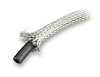
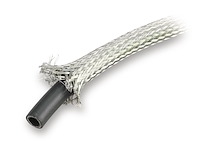
This is your one-stop-shopping resource for fuel line heat insulation products from companies like Vibrant Performance, DEI, ThermoTec, JEGS and Fragola. Along with hose shielding, braided hose sleeves and heat shield tape, we also carry flexible reflective wrap, shrouds and heat shields, hose clamps and polished billet hose separators to keep your coolant lines, fuel lines and transmission or oil cooler lines neatly organized and managed.
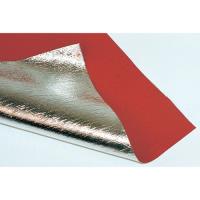
All fuel line heat insulation products are made from top quality heat resistant materials like fiberglass or silicone. Heat reflective tapes can be wrapped around fuel lines or fittings for an extra measure of heat protection. As anyone who's ever restored an older vehicle knows, rubberized and elastomeric parts will degrade from dry rot or heat exposure over the years, which is why it's a good idea to periodically inspect rubberized fuel lines for cracks, splits, leaks or bulges. Even a tiny leak can be a safety issue, or can cause a vacuum leak along the line and damaged or worn lines should be replaced promptly.
Using fuel line insulation products to guard against heat and inspecting your fuel lines for wear and damage should be part of regular maintenance, and can go a long way toward heading off any potential headaches down the road.

ADD A VEHICLE TO GUARANTEE PARTS FIT
See products that fit

ADD A VEHICLE TO GUARANTEE PARTS FIT
See products that fit
![Braided Hose Sleeving Kit with Clamps [Red and Blue Anodized Hose Clamp Covers]](https://www.jegs.com/images/mini_100/500/555/555-50533.jpg)
JEGS
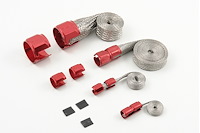
Braided Hose Sleeving Kit with Clamps [Red and Blue Anodized Hose Clamp Covers]
Part Number: 555-50533
 Ships Today
 Lowest price guarantee
![Braided Hose Sleeving Kit with Clamps [Red and Blue Anodized Hose Clamp Covers]](https://www.jegs.com/images/mini_200/500/555/555-50533.jpg)
JEGS
Braided Hose Sleeving Kit with Clamps [Red and Blue Anodized Hose Clamp Covers]
Part Number: 555-50533
Ships TodayLowest Price Guarantee![Braided Hose Sleeving Kit with Clamps [Chrome Hose Clamp Covers]](https://www.jegs.com/images/mini_100/500/555/555-50534.jpg)
![Braided Hose Sleeving Kit with Clamps [Chrome Hose Clamp Covers]](https://www.jegs.com/images/mini_200/500/555/555-50534.jpg)
![Braided Hose Sleeving Kit with Clamps [Black Hose Clamp Covers]](https://www.jegs.com/images/mini_100/500/555/555-50537.jpg)
![Braided Hose Sleeving Kit with Clamps [Black Hose Clamp Covers]](https://www.jegs.com/images/mini_200/500/555/555-50537.jpg)












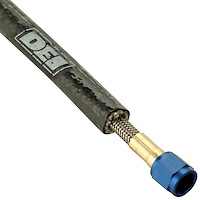
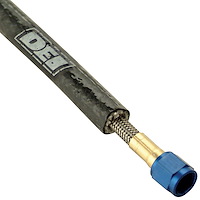

![FIREFIGHTER Hose Heat Sleeve [-4 AN, 25 ft.]](https://www.jegs.com/images/mini_100/400/430/430-r04ffs25ft.jpg)
![FIREFIGHTER Hose Heat Sleeve [-4 AN, 25 ft.]](https://www.jegs.com/images/mini_200/400/430/430-r04ffs25ft.jpg)
HPS PERFORMANCE
AN8193 Hard Line AN Tube Sleeve, Tube Sleeve, For An-3 Hard Line w/ 37-Degree Flare
Part Number: 589-AN8193
Ships on 10/21/2026Lowest price guarantee
HPS PERFORMANCE
AN8193 Hard Line AN Tube Sleeve, Tube Sleeve, For An-3 Hard Line w/ 37-Degree Flare
Part Number: 589-AN8193
Ships on 10/21/2026Lowest Price Guarantee
HPS PERFORMANCE
AN8196 Hard Line AN Tube Sleeve, Tube Sleeve, For An-6 Hard Line w/ 37-Degree Flare
Part Number: 589-AN8196
Ships on 10/21/2026Lowest price guarantee
HPS PERFORMANCE
AN8196 Hard Line AN Tube Sleeve, Tube Sleeve, For An-6 Hard Line w/ 37-Degree Flare
Part Number: 589-AN8196
Ships on 10/21/2026Lowest Price Guarantee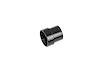
HPS PERFORMANCE
AN8198 Hard Line AN Tube Sleeve, Tube Sleeve, For An-8 Hard Line w/ 37-Degree Flare
Part Number: 589-AN8198
Ships on 10/21/2026Lowest price guarantee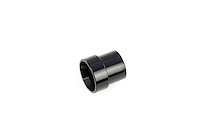
HPS PERFORMANCE
AN8198 Hard Line AN Tube Sleeve, Tube Sleeve, For An-8 Hard Line w/ 37-Degree Flare
Part Number: 589-AN8198
Ships on 10/21/2026Lowest Price Guarantee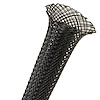
LOKAR
70-980-11 Hotrod Trick Kit Braided Cover, 1/8 in. to 2 3/4 in. Diameter, Black
Part Number: 625-70-980-11
Ships on 10/14/2026Lowest price guarantee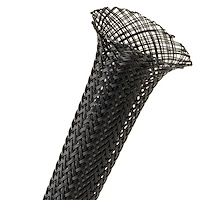
LOKAR
70-980-11 Hotrod Trick Kit Braided Cover, 1/8 in. to 2 3/4 in. Diameter, Black
Part Number: 625-70-980-11
Ships on 10/14/2026Lowest Price Guarantee![FIREFIGHTER Hose Heat Sleeve [-10 AN, 10 ft.]](https://www.jegs.com/images/mini_100/400/430/430-r10ffs10ft.jpg)
![FIREFIGHTER Hose Heat Sleeve [-10 AN, 10 ft.]](https://www.jegs.com/images/mini_200/400/430/430-r10ffs10ft.jpg)
![FIREFIGHTER Hose Heat Sleeve [-16 AN, 25 ft.]](https://www.jegs.com/images/mini_100/400/430/430-r16ffs25ft.jpg)
![FIREFIGHTER Hose Heat Sleeve [-16 AN, 25 ft.]](https://www.jegs.com/images/mini_200/400/430/430-r16ffs25ft.jpg)
What Can I Use to Insulate My Fuel Lines?
Insulating your fuel lines is a smart choice, especially in applications where heat management is crucial. Here are some options for fuel line insulation:
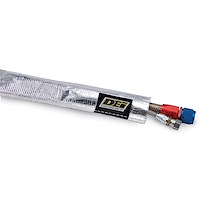
- Fuel Line Insulation Sleeves: These sleeves are typically made of heat-resistant materials such as fiberglass or silicone. They slide over your fuel lines to provide a protective barrier against heat.
- Fuel Line Insulation Wrap: Insulation wraps are flexible and can be wrapped around your fuel lines. They come in various materials, including fiberglass, reflective foil, and thermal-resistant fabrics.
- Heat Reflective Tapes: Specialized tapes with heat-reflective properties can be used to wrap around fuel lines. They help redirect heat away from the lines.
The choice of insulation method depends on your specific needs and preferences. Each option offers excellent heat protection for your fuel lines, ensuring optimal fuel performance and safety.
How Do You Protect Rubber Fuel Lines?
Protecting rubber fuel lines is essential to prevent damage and maintain their integrity. Here's how you can do it:
- Fuel Line Insulation: Use fuel line insulation sleeves or wraps as mentioned earlier to shield rubber fuel lines from heat sources.
- Secure Mounting: Ensure that fuel lines are securely mounted and well-protected along their path to prevent abrasion and contact with sharp objects.
- Regular Inspection: Periodically inspect your rubber fuel lines for signs of wear, cracks, or leaks. Replace any damaged sections promptly.
- Keep Heat Sources Away: Whenever possible, route fuel lines away from high-temperature components like exhaust systems or engine parts.
By implementing these protective measures, you can extend the life of your rubber fuel lines and maintain safe fuel delivery in your vehicle.
How Much Does Fuel Line Insulation Cost?
The cost of fuel line insulation can vary depending on the type, material, and length you require. On average, you can expect to spend between $20 and $100 for insulation products.
Basic insulation sleeves and wraps are generally more affordable, while premium or high-temperature-resistant options may be at the higher end of the price range. Your choice should align with your specific needs and the level of protection required for your fuel lines.