


 Order Status & Returns
 Gift Cards
 Help Center
 1-800-345-4545

Weld-In Bung Fitting
Weld-in bung fittings give you a clean threaded port wherever your build needs one, including fuel cells, oil pans and exhaust pipes. You'll find them in steel, stainless steel and billet aluminum, with NPT, AN and 18mm O2 sensor threads. Use this guide to match the material and thread to your project, then shop the weld-in bung that fits.
Show More
What Is a Weld-In Bung?
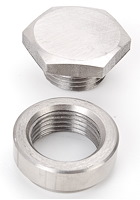
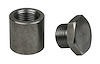
A weld-in bung is a small cylinder that's threaded on one end and open on the other. You weld it into a tank, pan, pipe or panel, and it becomes a permanent threaded port. Some bungs have a hex for grip, and some have barb-style ends for vacuum or intake ports.
Racers and fabricators use a weld bung when there's no factory port where they need one. Common jobs include a fuel tank bung, an oil pan return, a temperature sensor port or an O2 sensor port. Some builders also weld bungs in as anchor points for brackets and mounts.
Once the bung is in, you thread in a fitting and connect your line. If the port thread doesn't match your hose end, pair it with the right adapter fittings. Shop our full range of fittings and hose to finish the job.
Aluminum vs. Steel vs. Stainless Weld-In Bung Materials
Match the bung material to the part you're welding it into. Weld an aluminum weld-in bung into an aluminum fuel cell, oil pan or intake. Use a steel weld bung in a steel tank, pan or exhaust pipe.
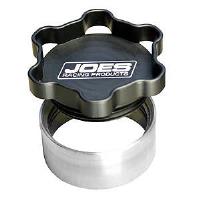
Steel and mild steel bungs are a common choice for exhaust work and steel tanks. Stainless steel bungs resist corrosion and suit stainless exhaust systems. Vibrant Performance offers a mild steel 3/8"-18 NPT bung, a -8AN bung and a 2" O.D. aluminum filler cap and bung kit.
Billet aluminum bungs keep weight down on aluminum parts, but aluminum is softer than steel. Don't over-tighten fittings into an aluminum bung, or you can damage the threads. Earl's and ICT Billet also stock weld-in bungs for custom plumbing projects.
Every material takes welding skill and the right equipment. If you're not set up to weld aluminum or stainless, have a qualified fabricator handle the install.
Weld-In Bung Sizes and Thread Types
Weld-in bung sizes follow thread type, so start with the fitting you plan to use:
- NPT female bungs in 1/4" NPT, 3/8" NPT and 3/8"-18 NPT
- AN male and female bungs in -8 AN, -10 AN, -16 AN, -20 AN and -24 AN
- 18mm O2 sensor bungs that take an 18mm x 1.5 plug
- 2" O.D. filler cap and weld bung kits
- O2 bung and plug kits, plus 5-piece O2 bung packs
An NPT weld bung uses tapered pipe threads that pair with NPT fittings and adapters. Russell offers a weld-in bung with a 3/8" NPT female thread.
An AN weld bung lets you run AN fittings and hose straight to the port. ARP offers -16 AN and -20 AN weld bungs. Redhorse Performance offers weld-in bungs in its 867, 868, 871 and 872 series.
Not sure which dash size you need? Read our guide to AN fittings and hose sizes before you order.
O2 Sensor Bungs for Exhaust Systems
An O2 sensor bung gives your exhaust a threaded port for an oxygen sensor. You'll need one when you build custom headers, change your exhaust layout or add a sensor for tuning.
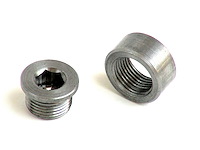
The 18mm O2 sensor bungs in this category take an 18mm x 1.5 plug. Steel and stainless versions are common for welding into steel or stainless exhaust tubing. Walker Products offers 18 mm O2 sensor bungs and an O2 bung plug.
Kits save you a step. An O2 bung and plug kit gives you the port and a way to seal it in one package. A 5-piece O2 bung pack works well when you're building a full system or need spares for several projects.
Plan the location before you weld. Put the bung where the sensor reads exhaust from the cylinders you want to monitor. Leave room for the sensor body and wiring. Browse oxygen sensor bungs and plugs to find the right fit.
Where to Use a Weld-In Bung: Fuel Tanks, Oil Pans and More
Use a weld-in bung anywhere you need a threaded port that the factory part doesn't have. These are the most common spots:
- Fuel tanks and fuel cells for feed, return and vent lines
- Oil pans for oil return lines
- Transmission cases for added fluid ports
- Intake manifolds for vacuum and sensor ports
- Engine and fluid systems for temperature sensors
- Exhaust pipes for O2 sensors
- Chassis and body panels for bracket and mount anchor points
A fuel tank bung is one of the most common jobs. Never weld on a tank that has held fuel unless it's been professionally cleaned and purged. If you're mounting a new cell, follow our fuel cell installation guide to plan bung placement and line routing.
Before you weld, mock up every fitting and hose end so you know each port points where the line needs to go. Clean the area well, and tack the bung in place before the final weld so it stays square.

ADD A VEHICLE TO GUARANTEE PARTS FIT
See products that fit



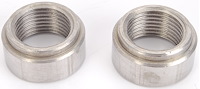
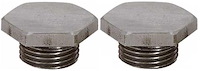

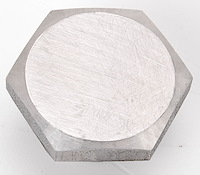



PAINLESS PERFORMANCE PRODUCTS
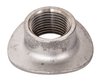
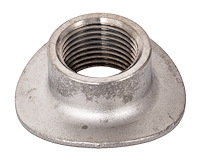
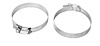
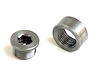
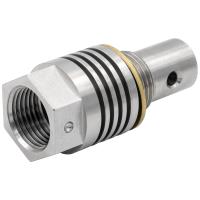
Oxygen Sensor Fitting Fits TBI, TPI, CMFI, LT1, LSX, 5.0L, and most other oxygen sensors
Part Number: 764-60406
 Ships Tomorrow
 Lowest price guarantee
PAINLESS PERFORMANCE PRODUCTS
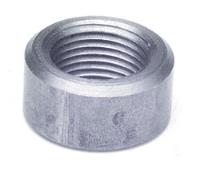
Oxygen Sensor Fitting Fits TBI, TPI, CMFI, LT1, LSX, 5.0L, and most other oxygen sensors
Part Number: 764-60406
Ships TomorrowLowest Price Guarantee


TRAIL GEAR
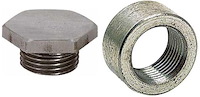
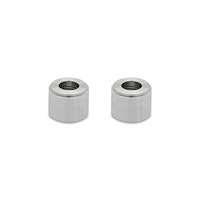
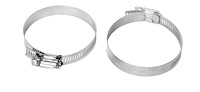
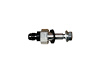
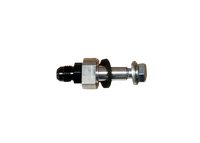
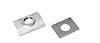
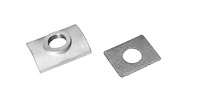
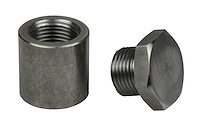
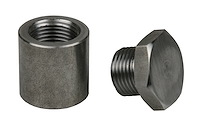
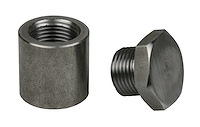
Threaded Tube Adapter Bung For use with 1.5" inside diameter tubing
Part Number: 542-110124-1-KIT
Ships on 11/03/2026Lowest price guarantee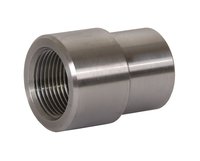
TRAIL GEAR
Threaded Tube Adapter Bung For use with 1.5" inside diameter tubing
Part Number: 542-110124-1-KIT
Ships on 11/03/2026Lowest Price Guarantee
TRAIL GEAR
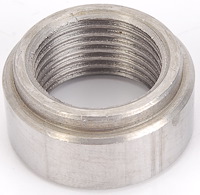
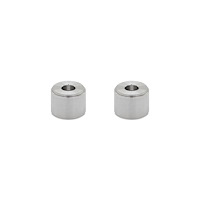
Threaded Tube Adapter Bung For use with 1" inside diameter tubing
Part Number: 542-110137-1-KIT
Ships on 11/03/2026Lowest price guarantee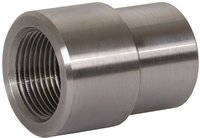
TRAIL GEAR
Threaded Tube Adapter Bung For use with 1" inside diameter tubing
Part Number: 542-110137-1-KIT
Ships on 11/03/2026Lowest Price Guarantee
TRAIL GEAR
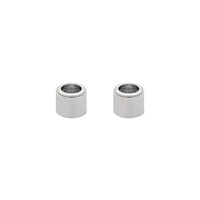
Threaded Tube Adapter Bung For use with 1.5" inside diameter tubing
Part Number: 542-110123-1-KIT
Ships on 11/03/2026Lowest price guarantee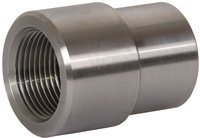
TRAIL GEAR
Threaded Tube Adapter Bung For use with 1.5" inside diameter tubing
Part Number: 542-110123-1-KIT
Ships on 11/03/2026Lowest Price Guarantee
Frequently Asked Questions About Weld-In Bungs
How Do You Weld a Bung Onto an Aluminum or Steel Tank?
Match the bung to the tank: aluminum bungs go on aluminum tanks, and steel bungs go on steel tanks. Cut a clean hole, fit the bung so it sits square, and weld it with a process suited to the material. Aluminum usually calls for TIG welding, so many builders hand that job to an experienced fabricator.
Can You Weld a Stainless Bung to Mild Steel?
Yes, stainless and mild steel can be welded together, but the joint needs a filler and technique meant for dissimilar metals. Clean both surfaces well before you weld. If you haven't joined these metals before, practice on scrap or have a qualified welder do it.
Do I Need a Plug for an Unused O2 Sensor Bung?
Yes. An open bung leaks exhaust, so thread in a plug until you install a sensor. That's why many builders buy O2 bung and plug kits that include both parts.
What's the Difference Between a Weld-In Bung and a Weld-On Fitting?
The terms often overlap. Generally, a weld-in bung sits in a hole cut through the tank or pipe wall, while a weld-on fitting mounts against the surface. Check each product description to see how the part installs.
Do Weld Bungs Need Thread Sealant?
It depends on the thread. NPT threads are tapered and generally need a compatible thread sealant to seal. AN connections seal at the flare or an O-ring, so you don't use sealant on those threads. For details, see how to assemble AN fittings and hose assemblies.