


 Order Status & Returns
 Gift Cards
 Help Center
 1-800-345-4545
Exhaust Cutouts
Exhaust cutouts let you open a bypass in your exhaust for a louder sound and freer flow whenever you want it. At JEGS, you'll find electric and manual exhaust cutouts, cutout valves, switches, and complete kits from top brands like Granatelli, QTP, and Hooker Headers. Choose weld-in or slip-fit designs from 2.25 in. to 4 in. in stainless steel or aluminized steel to match your build and budget.
Show More
What Exhaust Cutouts Do
An exhaust cutout adds a bypass valve to your exhaust that opens a second path for gases, so you can switch between a quiet street setup and an open, aggressive tone. When the cutout is closed, your exhaust flows normally through the mufflers and tailpipes. When it's open, gases exit ahead of the muffler, cutting back pressure and letting the engine breathe more freely.
Builders use cutouts for track days, car shows, and weekend driving where a louder note and freer flow matter. You get the sound of an open exhaust without permanently gutting your system, which is why cutouts pair well with headers and high-flow parts. For a deeper look at how a bypass valve changes sound and flow, read our Granatelli exhaust cutout guide before you choose a setup.
Electric vs. Manual Exhaust Cutouts
The difference comes down to how you open the bypass: an electric exhaust cutout uses a motorized valve you control from the cabin, while a manual exhaust cutout uses a capped pipe or lever you open by hand. Electric systems are the easy, everyday choice, and manual kits cost less while keeping things simple.
Here's how the main types compare:
- Electric exhaust cutout: opens with a switch or remote so you can change your sound from the driver's seat.
- Manual exhaust cutout: opens by hand at the pipe, keeping cost down and the design simple.
- Electric cutout kit: bundles the valve, wiring, and switch for a cleaner, more complete install.
- Remote exhaust cutout: adds a wireless fob so you can toggle flow without reaching for a dash switch.
If you already run a motorized valve setup, matching it with the right exhaust valve actuators keeps your system responsive and reliable.
Types of Exhaust Cutouts and Kits
JEGS carries every major cutout style, from single valves to complete pipe kits, so you can match the design to your car and your install skills. Weld-in cutouts drop into a cut section of pipe for a permanent, leak-free fit, while slip-fit cutouts clamp on with band clamps for a bolt-on approach.
Beyond the valve itself, you'll find electric cutout systems, manual cutout kits, cutout valves, illuminated push-button switches, butterfly kits, connection tubes, and Y transition adapters. Kits often bundle the parts you need so you're not sourcing clamps and tubes separately.
Cutouts also play well with the rest of your setup. Add a set of exhaust tips to finish the look at the bumper, or route spent gases downward with exhaust turndowns when you want to keep exit noise low. Pick the combination that fits your build and how often you'll run the bypass open.
Do Exhaust Cutouts Add Horsepower?
Exhaust cutouts can free up power, but the gains depend on how restrictive your current exhaust is. Opening the bypass reduces back pressure ahead of the muffler, which helps a built engine breathe on the top end. On a stock or lightly modified car, the difference is usually modest, and the bigger payoff is sound.
The more restrictive your mufflers and resonators are, the more an open cutout tends to help. Engines with headers, larger piping, and higher airflow see the clearest benefit because the exhaust downstream is the bottleneck. Think of a cutout as a switch that removes that restriction when you want it, not a guaranteed dyno number.
If you're chasing real flow gains, review your whole exhaust path first. Our muffler types guide breaks down how different muffler designs trade sound for flow, so you can decide what to keep and what to open up.
Choosing the Right Size and Fit
Match your cutout size to your existing exhaust pipe so flow stays smooth and the valve seals correctly. JEGS stocks cutouts from 2.25 in. to 4 in., including common 2.5 in. and 3 in. sizes, so you can mirror your current piping diameter. Going larger than your pipe won't add flow if the rest of the system is smaller.
Material matters for how long the cutout lasts. Stainless steel, including T-304, resists rust and heat for a long service life, while aluminized mild steel costs less and works well for budget builds. Weld-in designs need fabrication, and slip-fit designs install with band clamps.
Confirm your pipe diameter, pick weld-in or slip-fit, then choose the material that fits your climate and budget. If you're upgrading the lines at the same time, size your exhaust piping to the cutout so everything matches and seals tight.

ADD A VEHICLE TO GUARANTEE PARTS FIT
See products that fit

ADD A VEHICLE TO GUARANTEE PARTS FIT
See products that fit

DOUG'S HEADERS
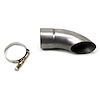
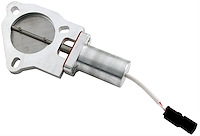
Electric Exhaust Cutout with 2.5 in. Stainless Steel Turn-Down Outlet
Part Number: 776-DEC250ATD
 Ships on Oct 12, 2026
 Lowest price guarantee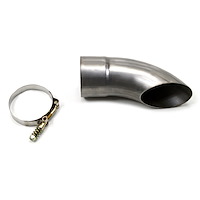
DOUG'S HEADERS
Electric Exhaust Cutout with 2.5 in. Stainless Steel Turn-Down Outlet
Part Number: 776-DEC250ATD
Ships on Oct 12, 2026Lowest Price Guarantee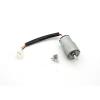

![PWRCPS-LF-P PowerCaps, Limefire Under Chassis Exhaust [Raw/Unfinished]](https://www.jegs.com/images/mini_100/200/221/221-pwrcps-lf-p.jpg)
SANDERSON HEADERS
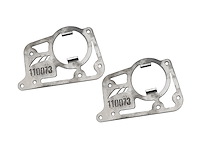
PWRCPS-LF-P PowerCaps, Limefire Under Chassis Exhaust [Raw/Unfinished]
Part Number: 221-PWRCPS-LF-P
Ships on 10/15/2026Lowest price guarantee![PWRCPS-LF-P PowerCaps, Limefire Under Chassis Exhaust [Raw/Unfinished]](https://www.jegs.com/images/mini_200/200/221/221-pwrcps-lf-p.jpg)
SANDERSON HEADERS
PWRCPS-LF-P PowerCaps, Limefire Under Chassis Exhaust [Raw/Unfinished]
Part Number: 221-PWRCPS-LF-P
Ships on 10/15/2026Lowest Price Guarantee
GRANATELLI
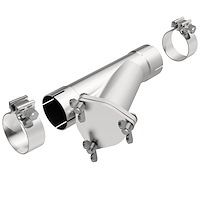
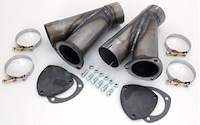
313561 Exhaust Cutout, Stainless Steel, Natural, 3.0 in. Round Exhaust, 3.0 in. Oval Cutout, Y Transition Adapter, Weld-In
Part Number: 467-313561
Ships on 10/21/2026Lowest price guarantee
GRANATELLI
313561 Exhaust Cutout, Stainless Steel, Natural, 3.0 in. Round Exhaust, 3.0 in. Oval Cutout, Y Transition Adapter, Weld-In
Part Number: 467-313561
Ships on 10/21/2026Lowest Price Guarantee
GRANATELLI
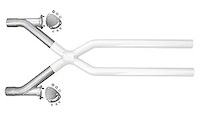
313560 Exhaust Cutout, Stainless Steel, Natural, 2.5 in. Round Exhaust, 3.0 in. Oval Cutout, Y Transition Adapter, Weld-In
Part Number: 467-313560
Ships on 10/21/2026Lowest price guarantee
GRANATELLI
313560 Exhaust Cutout, Stainless Steel, Natural, 2.5 in. Round Exhaust, 3.0 in. Oval Cutout, Y Transition Adapter, Weld-In
Part Number: 467-313560
Ships on 10/21/2026Lowest Price Guarantee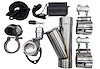
GRANATELLI
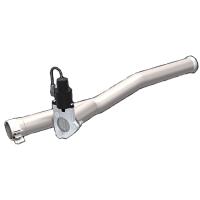
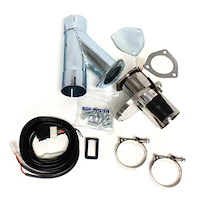
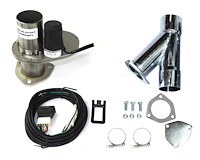
309525 Electronic Exhaust Cutout Kit, 2.5 in., Vacuum Controlled, Stainless Steel, Slip Fit w/ Band Clamp
Part Number: 467-309525
Ships on 10/13/2026Lowest price guarantee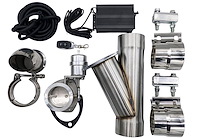
GRANATELLI
309525 Electronic Exhaust Cutout Kit, 2.5 in., Vacuum Controlled, Stainless Steel, Slip Fit w/ Band Clamp
Part Number: 467-309525
Ships on 10/13/2026Lowest Price Guarantee
GRANATELLI
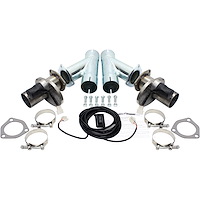
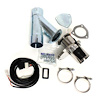
307522CD Electronic Exhaust Cutout Kit, 2.25 in., Stainless Steel, Weld In, Set Of 2
Part Number: 467-307522CD
Ships on 10/13/2026Lowest price guarantee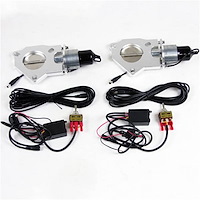
GRANATELLI
307522CD Electronic Exhaust Cutout Kit, 2.25 in., Stainless Steel, Weld In, Set Of 2
Part Number: 467-307522CD
Ships on 10/13/2026Lowest Price Guarantee
GRANATELLI
309630K Electronic Exhaust Cutout Kit, 3.0 in, Vacuum Controlled, Dual System, Stainless Steel, Slip Fit w/ Band Clamp
Part Number: 467-309630K
Ships on 10/13/2026Lowest price guarantee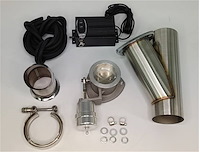
GRANATELLI
309630K Electronic Exhaust Cutout Kit, 3.0 in, Vacuum Controlled, Dual System, Stainless Steel, Slip Fit w/ Band Clamp
Part Number: 467-309630K
Ships on 10/13/2026Lowest Price Guarantee
GRANATELLI
309630 Electronic Exhaust Cutout Kit, 3.0 in, Vacuum Controlled, Stainless Steel, Slip Fit w/ Band Clamp
Part Number: 467-309630
Ships on 10/13/2026Lowest price guarantee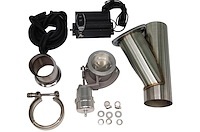
GRANATELLI
309630 Electronic Exhaust Cutout Kit, 3.0 in, Vacuum Controlled, Stainless Steel, Slip Fit w/ Band Clamp
Part Number: 467-309630
Ships on 10/13/2026Lowest Price Guarantee
GRANATELLI
309625K Electronic Exhaust Cutout Kit, 2.5 in., Vacuum Controlled, Dual System, Stainless Steel, Slip Fit w/ Band Clamp, Weld In
Part Number: 467-309625K
Ships on 10/13/2026Lowest price guarantee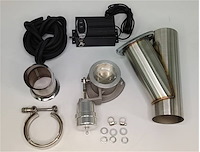
GRANATELLI
309625K Electronic Exhaust Cutout Kit, 2.5 in., Vacuum Controlled, Dual System, Stainless Steel, Slip Fit w/ Band Clamp, Weld In
Part Number: 467-309625K
Ships on 10/13/2026Lowest Price Guarantee


![PWRCPS-JY-BEC PowerCaps, Jayster Under Chassis Exhaust [Black Satin Ceramic Coating]](https://www.jegs.com/images/mini_100/200/221/221-san000130.jpg)
SANDERSON HEADERS
PWRCPS-JY-BEC PowerCaps, Jayster Under Chassis Exhaust [Black Satin Ceramic Coating]
Part Number: 221-SAN000130
Ships on 10/15/2026Lowest price guarantee![PWRCPS-JY-BEC PowerCaps, Jayster Under Chassis Exhaust [Black Satin Ceramic Coating]](https://www.jegs.com/images/mini_200/200/221/221-san000130.jpg)
SANDERSON HEADERS
PWRCPS-JY-BEC PowerCaps, Jayster Under Chassis Exhaust [Black Satin Ceramic Coating]
Part Number: 221-SAN000130
Ships on 10/15/2026Lowest Price Guarantee
![PWRCPS-JY-P PowerCaps, Jayster Under Chassis Exhaust [Raw/Unfinished]](https://www.jegs.com/images/mini_100/200/221/221-pwrcps-jy-p.jpg)
SANDERSON HEADERS
PWRCPS-JY-P PowerCaps, Jayster Under Chassis Exhaust [Raw/Unfinished]
Part Number: 221-PWRCPS-JY-P
Ships on 10/15/2026Lowest price guarantee![PWRCPS-JY-P PowerCaps, Jayster Under Chassis Exhaust [Raw/Unfinished]](https://www.jegs.com/images/mini_200/200/221/221-pwrcps-jy-p.jpg)
SANDERSON HEADERS
PWRCPS-JY-P PowerCaps, Jayster Under Chassis Exhaust [Raw/Unfinished]
Part Number: 221-PWRCPS-JY-P
Ships on 10/15/2026Lowest Price Guarantee![Cable Operated Exhaust Cut-Out for 2 in. Exhaust Pipe [Cast Iron, Cable Included]](https://www.jegs.com/images/mini_100/700/720/720-5424.jpg)
MR GASKET
Cable Operated Exhaust Cut-Out for 2 in. Exhaust Pipe [Cast Iron, Cable Included]
Part Number: 720-5424
Ships on 10/19/2026Lowest price guarantee![Cable Operated Exhaust Cut-Out for 2 in. Exhaust Pipe [Cast Iron, Cable Included]](https://www.jegs.com/images/mini_200/700/720/720-5424.jpg)
MR GASKET
Cable Operated Exhaust Cut-Out for 2 in. Exhaust Pipe [Cast Iron, Cable Included]
Part Number: 720-5424
Ships on 10/19/2026Lowest Price GuaranteeFrequently Asked Questions About Exhaust Cutouts
Are exhaust cutouts legal on the street?
It depends on where you live. Many areas restrict exhaust noise and require a functioning muffler, so an open cutout may not be street-legal even if the hardware is. Keep the cutout closed on public roads and check your local and state laws before you drive with it open.
Where should an exhaust cutout be installed?
Cutouts are typically installed after the headers or collectors and ahead of the mufflers, where they can bypass the most restrictive part of the system. That placement gives you the biggest change in sound and flow when the valve opens. A shop can help you find the best spot for your specific chassis and clearance.
Can you operate exhaust cutouts with a remote?
Yes. Many electric cutouts include a wireless remote or a dash switch, so you can open and close the bypass without leaving your seat. A remote exhaust cutout is handy when you want to switch to quiet mode before pulling into your neighborhood.
Do exhaust cutouts cause exhaust drone or fumes?
They can when open. Running with the cutout open can add cabin drone at cruising speed and may let fumes collect, especially if the bypass exits under the car. Closing the cutout for daily driving keeps the noise and any fumes routed through your normal exhaust.
Do exhaust cutouts require welding to install?
Not always. Weld-in cutouts need fabrication and a welder, while slip-fit cutouts clamp on with band clamps for a bolt-on install. If you'd rather avoid welding, choose a slip-fit kit or have a muffler shop handle the fitment.