


 Order Status & Returns
 Gift Cards
 Help Center
 1-800-345-4545

Suspension & Alignment Tools
Suspension and alignment tools let you measure, adjust and service your front end and chassis in your own garage. You'll find camber gauges, toe plates, corner weight scales, coilover wrenches and pullers for street, strip and circle track builds. Use this guide to match each tool to the job before you shop.
Show More
What Suspension And Alignment Tools Do You Need At Home?
At minimum, you need a camber gauge, a way to measure toe and the right pullers for the parts you're replacing. That short list covers most front-end jobs, whether you're refreshing a street car or prepping a bracket racer. Our DIY front-end alignment tools guide walks through a full home setup.
Most home alignment tools fall into three groups:
- Camber and caster gauges to read wheel angles
- Toe plates or toe kits to compare spacing at the front and rear of the tires
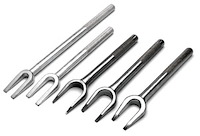
- Pullers, pickle forks and presses to separate and install steering joints
Add corner weight scales and coilover wrenches once you start tuning ride height and weight balance. If your readings point to worn or bent parts, install new alignment components before you set final angles. You'll find more garage gear in our full line of automotive specialty tools.
How Do Caster Camber Gauges And Toe Plates Measure Alignment?
A caster camber gauge mounts to the wheel or hub and reads tilt, while toe plates sit against the tire sidewalls to measure toe. Camber is the inward or outward tilt of the tire, and caster is the forward or rearward tilt of the steering axis. For a deeper look at what caster and camber are, see our tech article.
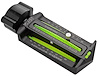
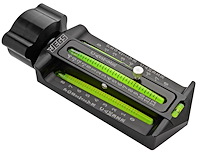
The Longacre Racing Caster Camber Gauge reads camber from +9 to -9 degrees. Its Digital Caster/Camber Gauge measures to 0.1 degree, and Longacre Racing Toe-In Plates come with 2 measuring tapes.
SPC sizes its FasTrax system by wheel diameter. The 91000K2 FasTrax Alignment Kit fits 13 in. to 17 in. wheels, and the 91010 FasTrax Camber/Caster Gauge fits 17" to 22" wheels. Add the 91100 FasTrax Toe Kit to take toe readings from the same gauge, or pick up the 91030 FasTrax No Lip Adapter.
Why Use Corner Weight Scales For Chassis Setup?
Corner weight scales show how much weight each tire carries, so you can balance the car for consistent handling and launches. You adjust spring preload or ride height at each corner, then re-weigh until the numbers hit your target. Accurate readings start with a level surface under every pad.
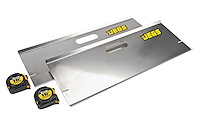
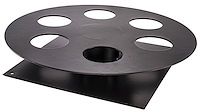
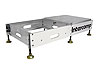
Intercomp offers the E-Z Weigh Scale System SW500 with 4 billet pads, plus the MicroFlex Scale System. The Intercomp Scale Leveler with Roll-Off fits 15" x 15" pads with 2.5" thickness. It lets you roll the car onto the pads at a level height.
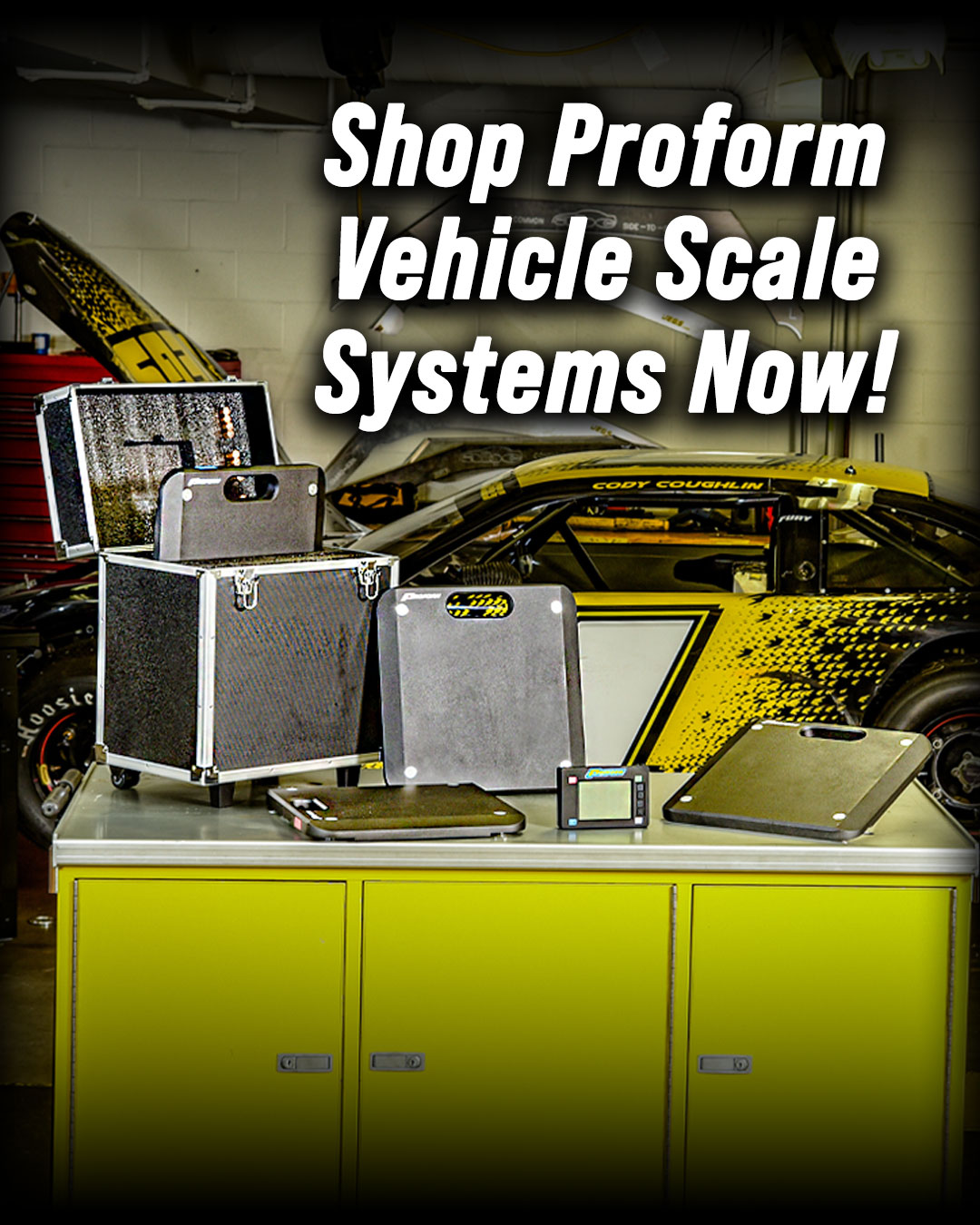
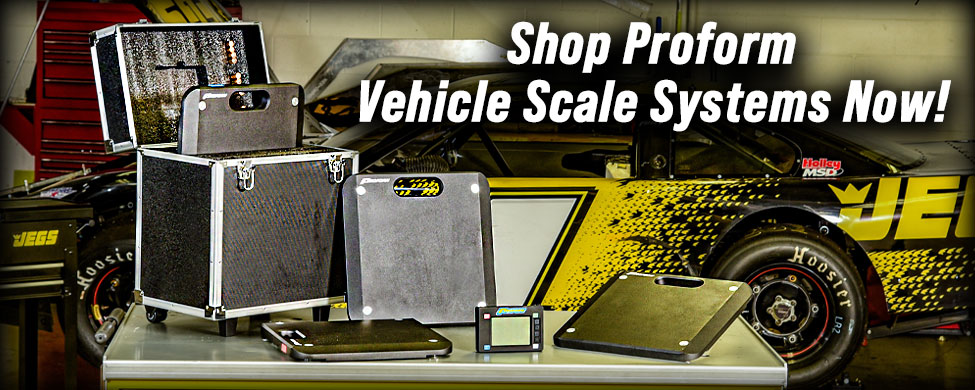
If you'd rather skip the cables, Proform offers the 67644 Slim Wireless Vehicle Scale System with 7,000 lb. capacity. Karting teams can step down to the Proform 67640 Go Kart Wireless Vehicle Weighing System, rated at 1,200 lb. capacity.
Which Coilover Spanner Wrench And Shock Tools Do You Need?
You need a coilover spanner wrench that fits your adjuster collars, plus any service tools your shocks call for. A spanner hooks into the notches on the spring collar, so you can raise or lower ride height without chewing up the threads. Adjustable designs fit more than one collar size, which helps if you run mixed shocks.
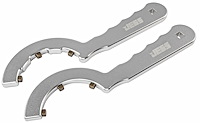
The AFCO Adjustable Spanner Wrench handles collar adjustments. The AFCO C/O Travel Indicator Kit shows how far your coilover compresses during a run. That travel data helps you choose spring rates and confirm the shock isn't bottoming out.
Our range also includes brand-specific shock wrenches and shock inflation tool adapters, so you can handle routine service in your own garage. When worn parts need replacing, shop our shocks, struts and springs to match your setup.
When Do You Need A Pitman Arm Puller Or Ball Joint Press?
You need these tools when you replace worn steering or front suspension parts. A pitman arm puller removes the arm from the steering box shaft, while a ball joint press pushes pressed-in joints in or out. The right tool keeps you from damaging the box, the arm or the threads.
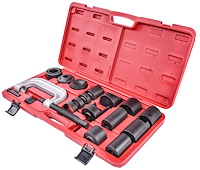
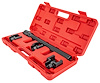
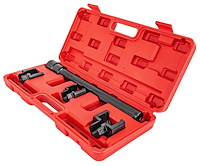
SPC offers the 73130 Low-Profile Pitman Arm Puller and the 91860 S-Cam Bushing tool. To separate tie rod ends and joints, the Lisle Tools 6-in-one Stepped Pickle Fork Kit gives you several fork sizes.
We also carry press adapter tubes and large upper ball joint sockets for specific installs. Read our ball joints vs. tie rods guide, then match replacement ball joints to your vehicle. Browse the full selection above to find the right puller, press or pickle fork for your job.

ADD A VEHICLE TO GUARANTEE PARTS FIT
See products that fit

ADD A VEHICLE TO GUARANTEE PARTS FIT
See products that fit
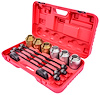
JEGS
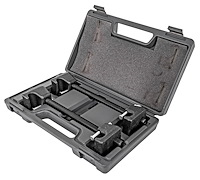
Manual Bushing and Bearing Removal/Install Set [27-Piece]
Part Number: 555-80477
 Ships on Nov 02, 2026
 Lowest price guarantee
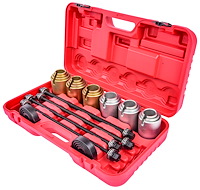
JEGS
Manual Bushing and Bearing Removal/Install Set [27-Piece]
Part Number: 555-80477
Ships on Nov 02, 2026Lowest Price Guarantee
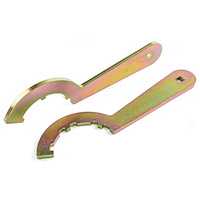
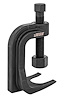

JEGS
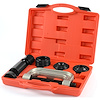
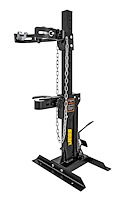
Replacement Hardware Kit for JEGS Strut Coil Spring Compressor 555-80617
Part Number: 555-80617-1
Ships on Nov 02, 2026Lowest price guarantee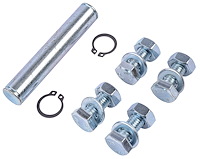
JEGS
Replacement Hardware Kit for JEGS Strut Coil Spring Compressor 555-80617
Part Number: 555-80617-1
Ships on Nov 02, 2026Lowest Price Guarantee
JEGS
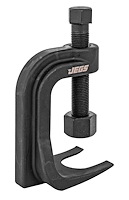
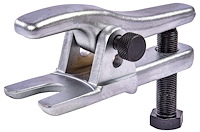
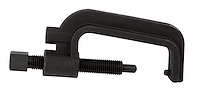
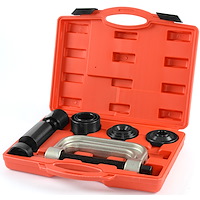
Tie Rod End and Pitman Arm Puller [Opening size: 1 1/8 in. (27 mm)]
Part Number: 555-80620
Ships on Nov 02, 2026Lowest price guarantee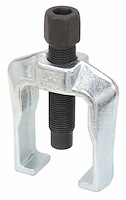
JEGS
Tie Rod End and Pitman Arm Puller [Opening size: 1 1/8 in. (27 mm)]
Part Number: 555-80620
Ships on Nov 02, 2026Lowest Price Guarantee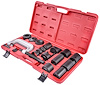
INTERCOMP
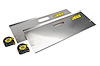
Scale Leveler with Roll-Off Fits 15" x 15" Pads, 2.5" Thickness
Part Number: 541-170178
Ships on 11/03/2026Free shippingLowest price guarantee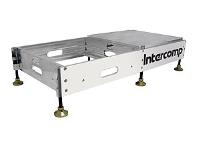
INTERCOMP
Scale Leveler with Roll-Off Fits 15" x 15" Pads, 2.5" Thickness
Part Number: 541-170178
Ships on 11/03/2026Free shippingLowest Price GuaranteeFrequently Asked Questions About Suspension And Alignment Tools
Can I do a wheel alignment myself?
Yes, you can set camber, caster and toe at home with a camber gauge, toe plates and a level floor. Recheck each reading after you tighten the hardware, and write down your settings. Some vehicles may still need a shop alignment if their adjustments call for specialized equipment.
How often should I check alignment after suspension work?
Check alignment right after you replace any steering or suspension part, since new parts change your angles. Recheck after the first few hundred miles or a test session, once bushings and springs settle. After that, check whenever you notice uneven tire wear or pulling.
What's the difference between a bubble and digital camber gauge?
A bubble gauge uses a liquid vial you read against marked lines, and it doesn't need batteries. A digital gauge shows the angle on a screen, which makes small changes easier to read. For example, the Longacre Racing Digital Caster/Camber Gauge measures to 0.1 degree.
Do I need wheel adapters for a camber gauge?
It depends on how your gauge mounts and what wheels or hubs you run. Some setups need an adapter for the gauge to sit flat, such as on wide 5 hubs or wheels without a usable lip. Check your gauge and wheel size before you order, then add the matching adapter.
Why should I use roll-off or scale levelers when corner weighting?
Scale pads raise the tires off the floor, so an uneven surface or mismatched height can throw off your numbers. Levelers bring every tire to the same height, which keeps your readings accurate. Roll-off designs also make it easier to move the car on and off the pads.