Sign up now to join the JEGS email newsletter and be the first to learn about new products, special deals and e-mail only offers!

 2 People Found This Article Helpful
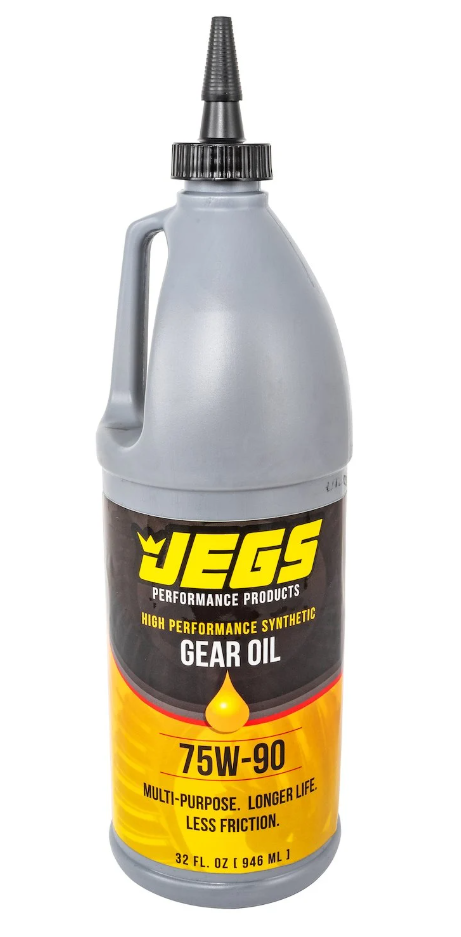

Differential fluid plays a critical role in protecting the gears inside your front or rear differential. Whether you drive a rear wheel drive truck, a front wheel drive car, or a four wheel drive performance vehicle, clean and properly maintained differential fluid helps ensure smooth power transfer and long component life.
Over time, differential fluid breaks down and becomes contaminated. Knowing the signs your differential fluid needs to be changed can help prevent expensive drivetrain repairs and keep your vehicle performing the way it should.
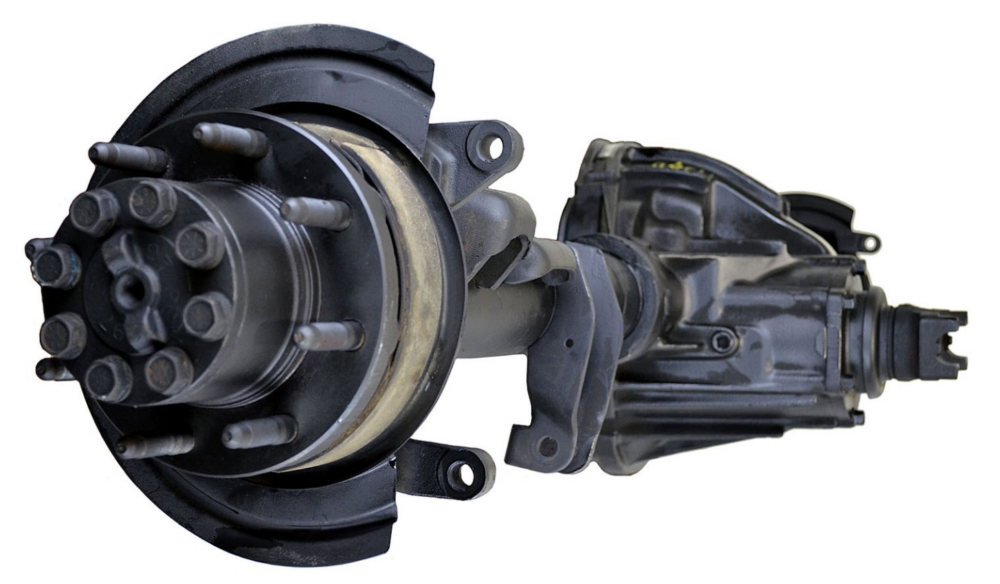
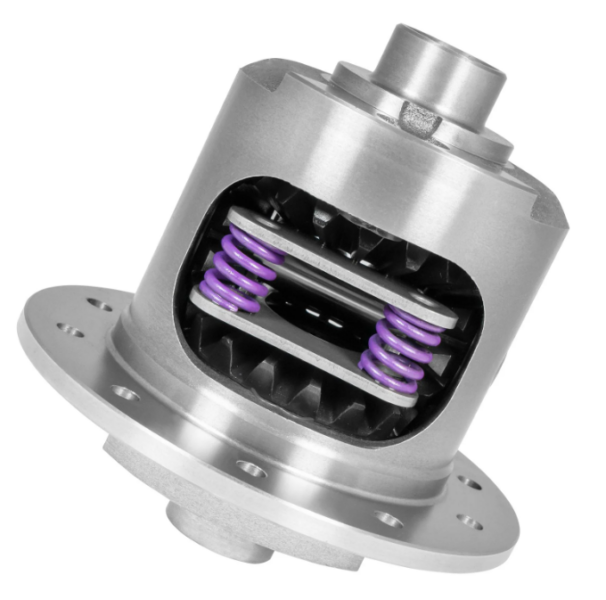
The differential allows the wheels on the same axle to rotate at different speeds while cornering. Inside the differential housing are gears and bearings that operate under high load and pressure. Differential fluid, sometimes called gear oil, lubricates these components, reduces heat, and prevents metal to metal contact.
As the fluid ages, it loses its protective properties and may no longer provide adequate lubrication.
One of the most common signs of old or low differential fluid is a whining or howling noise while driving. This noise often changes with vehicle speed and may become more noticeable during acceleration or deceleration.
If the sound increases over time, the gears may not be receiving proper lubrication. Changing the differential fluid early can help prevent further wear.

Grinding or clunking noises from the differential area can indicate more advanced wear. While these sounds can point to mechanical damage, they may also result from severely degraded or contaminated fluid.
If you notice unusual drivetrain noises, inspecting the fluid condition should be part of the diagnostic process.
Dirty or low differential fluid can contribute to vibration under load. You may feel shuddering during acceleration or when turning, especially in vehicles with limited slip differentials.
Limited slip units require specific fluid or additives to function properly. If the wrong fluid is used or the fluid has broken down, chatter or vibration can occur.
Sign up now to join the JEGS email newsletter and be the first to learn about new products, special deals and e-mail only offers!
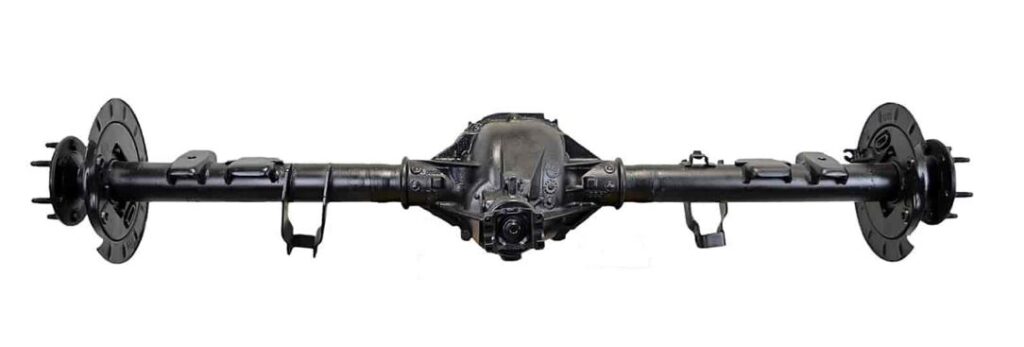
Visible fluid leaks around the differential housing, axle seals, or cover gasket are clear signs that service is needed. Low fluid levels can quickly lead to overheating and gear damage.
If you see gear oil on the driveway or notice a strong sulfur smell, inspect the differential for leaks and check the fluid level immediately.
Fresh differential fluid has a distinct smell, but burnt or overheated fluid has a much stronger odor. Excess heat caused by heavy towing, aggressive driving, or low fluid levels can degrade gear oil.
If the fluid smells burnt or appears dark and contaminated when inspected, it is time for a change.
Even if no symptoms are present, differential fluid should be changed according to manufacturer recommendations. Vehicles used for towing, off road driving, or high performance applications may require more frequent service.
Regular fluid changes help remove metal particles and contaminants that build up over time.

On vehicles with serviceable differentials, fluid condition can be checked by removing the fill plug and inspecting the fluid level and appearance. The fluid should be at the correct level and appear relatively clean.
If the fluid is dark, thick, or contains metal debris, it should be replaced. Always use the correct gear oil viscosity and specification for your vehicle.
Ignoring differential fluid service can lead to gear wear, bearing damage, and costly repairs. Keeping the fluid fresh and at the proper level helps ensure smooth power delivery and long component life.
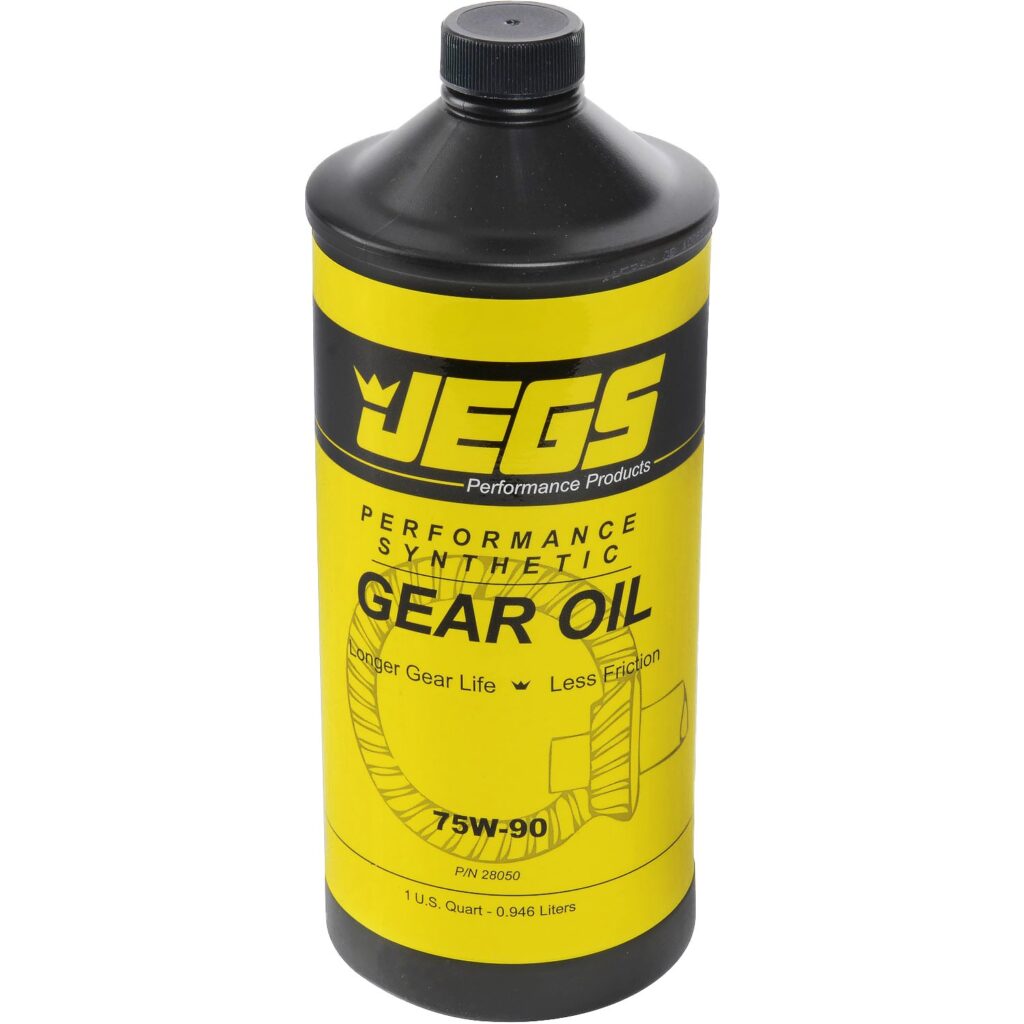
At www.jegs.com, you will find a wide selection of differential fluids, gear oils, gaskets, seals, and drivetrain components designed for street, towing, and performance applications.
If you are unsure which differential fluid is right for your vehicle or how often it should be changed, the JEGS Tech Specialists are available to help you select the proper products and keep your drivetrain running strong.




Leave a Reply