Sign up now to join the JEGS email newsletter and be the first to learn about new products, special deals and e-mail only offers!

 32 People Found This Article Helpful


The story of American muscle cars is an exciting one, and no retelling is complete without the Pontiac Firebird. While it may not have been the top-selling muscle car, the Firebird carved out a unique identity in the muscle car pantheon. It distinguished itself with bold styling, innovative features, and an underdog spirit that has cultivated a passionate fan base of enthusiasts and collectors.
More than two decades after the last Firebird rolled off the production line, its legend endures. Every generation has its merits, but some stand out as the most distinctive and celebrated. The Firebird isn’t just a muscle car - it’s a statement on wheels, and its best years remain cherished by fans around the globe.
The Pontiac Firebird debuted in 1967 as a direct response to the Ford Mustang and Mercury Cougar, but its story took a unique trajectory. Sharing its platform with the Chevrolet Camaro, the Firebird initially played second fiddle to its sibling within GM’s hierarchy. This dynamic forced Pontiac to innovate and create a muscle car that could stand on its own merits.
The Firebird’s bold styling—highlighted by features like the iconic "screaming chicken" hood decal - helped it develop a persona distinct from the Camaro. Hollywood also played a significant role in its legacy, with appearances in films like Smokey and the Bandit turning the Firebird into a cultural icon.
When production ceased in 2002, the Firebird’s relative rarity, combined with its unique status in the muscle car world, cemented its place as an automotive legend.

The Pontiac Firebird was produced across four distinct generations:
First Generation (1967-1969): The Firebird’s debut brought immediate attention with its striking "Coke bottle" styling and the introduction of the high-performance Trans Am variant in 1969.

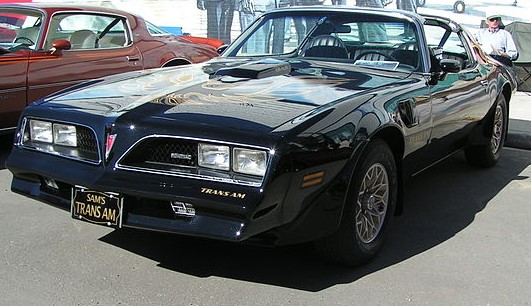
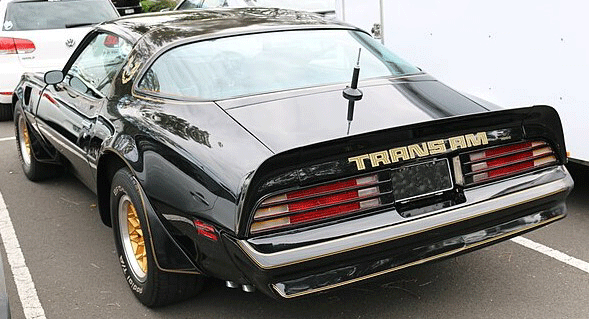
Second Generation (1970-1981): Spanning the muscle car golden era of the 1970s, this generation featured bold aesthetics, including the iconic hood decal, and adaptations to meet tightening regulations.
Third Generation (1982-1992): Marked by lightweight construction and aerodynamic design, this era saw the Firebird evolve into a modern sports car while retaining muscle car roots.

Fourth Generation (1993-2002): The final chapter of the Firebird introduced refined engineering and styling, delivering its most advanced performance to date.

Sign up now to join the JEGS email newsletter and be the first to learn about new products, special deals and e-mail only offers!
While every Firebird generation has its own appeal, three generations stand out as the most iconic for their innovation, design, and cultural impact.
The Firebird’s first generation laid the groundwork for its future success. Its sleek, "Coke bottle" curves and wide stance captured the spirit of late-1960s automotive design. The 1969 introduction of the Trans Am took the Firebird to new heights, adding enhanced power, handling, and a track-ready look.
The Trans Am, offered as both a coupe and a rare convertible, quickly became one of the most desirable American muscle cars ever built. Only eight convertible Trans Ams were produced in 1969, making them a holy grail among collectors today.

The 1970s represented the golden age of muscle cars, and the second-generation Firebird thrived in this competitive era. Its aggressive lines, large C-pillars, and bold styling updates like the flaming hood decal created an unmistakable visual identity.
Despite mid-decade emissions regulations that reduced engine power, Pontiac pivoted by emphasizing style and Hollywood appeal. The second-generation Firebird became synonymous with the 1970s muscle car scene, immortalized by Burt Reynolds’ Smokey and the Bandit.
The third generation represented a turning point for the Firebird. Faced with stricter regulations and changing consumer tastes, Pontiac reimagined the car as a lighter, more aerodynamic machine. The result was a more balanced sports car that combined nimble handling with improved fuel efficiency.
While V8 options remained available for performance enthusiasts, even base models offered sharp styling and respectable performance. By the late 1980s, the Firebird had regained much of its lost horsepower, blending modern engineering with its classic muscle car DNA.

All four generations of the Pontiac Firebird have left an indelible mark on automotive history. From its daring first generation to its stylish final iteration, the Firebird represents the ingenuity and passion of American muscle car culture. Decades after its production ended, the Firebird remains a beloved icon, celebrated by collectors, racers, and enthusiasts who continue to admire its unique blend of performance and personality.



Leave a Reply