Sign up now to join the JEGS email newsletter and be the first to learn about new products, special deals and e-mail only offers!

 5 People Found This Article Helpful
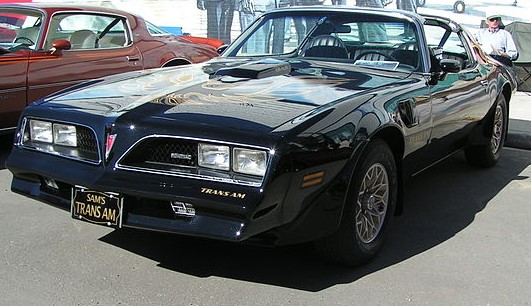

Classic cars hold a timeless appeal, evoking nostalgia, craftsmanship, and uniqueness that modern vehicles often lack. But when is a car considered a classic? The answer can vary depending on factors like age, design, and cultural impact. This guide explores the criteria that determine when a car is considered a classic, along with why these vehicles remain highly valued among enthusiasts.
Not every old car qualifies as a classic. Age, design, and historical significance play a significant role in defining what makes a car a classic.
While there’s no universal standard, a car is often considered classic when it reaches 20 to 40 years old. Some organizations, like the Antique Automobile Club of America, classify cars over 25 years old as classics, provided they are in good condition and retain their original design.

Classic cars often feature designs that stand out in automotive history. These may include unique body styles, innovative engineering, or features that were revolutionary at the time.
A car may gain classic status because it represents a specific era, lifestyle, or significant technological advancement. Iconic models like the Ford Mustang or Chevrolet Corvette exemplify vehicles that transcend time and become part of automotive lore.

Another key factor in determining when a car is considered a classic is its collectability and rarity.
Cars produced in small quantities or discontinued models are more likely to achieve classic status due to their exclusivity. Enthusiasts are drawn to these vehicles for their uniqueness and scarcity.
Models that have consistently remained desirable, such as the Porsche 911 or Jaguar E-Type, are often elevated to classic status because of their enduring appeal in the collector’s market.
Restored cars or those in original, well-maintained condition hold higher value among collectors. The better the preservation, the more likely a car will be deemed a classic.

Sign up now to join the JEGS email newsletter and be the first to learn about new products, special deals and e-mail only offers!
Classic cars often appreciate in value over time, making them attractive investments.
Classic cars are tangible pieces of history, showcasing how automotive design and technology have evolved. They tell a story that many enthusiasts are eager to preserve.
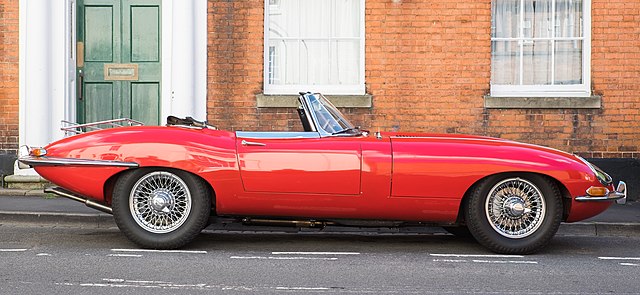
Certain classic cars have proven to be excellent financial investments. Rare, high-demand models can see significant appreciation, providing both personal enjoyment and financial gain for their owners.
For many, owning a classic car goes beyond monetary value. These vehicles offer an emotional connection, evoking memories and a sense of pride in owning a piece of automotive heritage.

When is a car considered a classic? While age and rarity are essential factors, the true definition depends on the vehicle's historical importance, design, and collectability. Owning a classic car is about more than driving—it’s about preserving a legacy.
At JEGS, we offer a wide range of parts and accessories to help you maintain and enhance your classic car. Whether you’re restoring a vintage treasure or keeping your prized ride in top condition, we have everything you need. Explore our online catalog today and ensure your classic car continues to shine!



Leave a Reply