


 Order Status & Returns
 Gift Cards
 Help Center
 1-800-345-4545
Rear 4-Link Bars & Components
4 link rear suspension parts in this category include complete kits, 4-link bars, chassis and axle brackets, tubing, threaded tube ends and weld-on hardware. You'll find 800+ items from Rhodes Race Cars, RideTech, Competition Engineering, Allstar Performance, QA1 and JEGS for a full kit or single parts. Use the guidance below to compare layouts, kit styles and tubing sizes before you order.
Show More
What Is a 4-Link Rear Suspension?
A 4-link rear suspension locates the rear axle with four bars, two upper and two lower, that run from the housing to the chassis. The bars control how the axle moves under load, so the housing can't twist the way it can on leaf springs. That control reduces axle wrap and helps hold pinion angle when you launch hard.
Bar geometry sets the instant center, the imaginary point where lines drawn through the upper and lower bars meet. Moving the instant center changes anti-squat, which affects how the car plants the tires on launch. That's why many racers run brackets with multiple mounting holes.
A 4-link is one of several ways to locate a rear axle, and some builds use torque arms instead. You can browse other suspension components if you're still comparing layouts. Before you choose parts, read our 4-link suspension setup guide to see how bar angles and bracket positions work together.
Parallel vs. Triangulated 4-Link Suspension
The main difference is how each layout controls side-to-side axle movement. A parallel 4-link runs all four bars roughly parallel to the frame rails, so it needs a separate lateral locator. A triangulated 4-link angles the upper bars inward, which lets the bars handle lateral location on their own.
With a parallel setup, you'll add one of our Panhard bars and track bars to keep the axle centered under the car. Parallel layouts are common in drag cars because they leave room for wide tires and they're simple to adjust. The tradeoff is one more part to mount and set up.
A triangulated setup needs no Panhard bar, which saves space and parts. It's popular on street cars that see corners as well as straight lines. Because the upper bars sit at an angle, plan for clearance around the exhaust, fuel tank and floor pan.
4-Link Bars, Brackets and Components
You can buy a 4-link as a complete kit or build one piece by piece. Complete kits, like the Rhodes Race Cars Pro Series 4-Link Suspension Kit, bundle matched parts for you. For a custom setup, you'll shop these components separately:
- Upper and lower 4-link bars that connect the axle housing to the chassis
- Chassis brackets, such as the Competition Engineering Magnum Series bracket in 1/4"-thick hot-rolled steel
- Rear-end brackets that weld to the axle housing, sold in pairs by Competition Engineering
- Upper link brackets from Allstar Performance that weld to a 9" Ford housing
- Threaded tube ends that let you adjust each bar's length
- Matching rod ends and jam nuts that form the pivot at each end of a bar
Match every rod end to the thread size and direction of its tube end. Each bar typically uses a left-hand thread on one end and a right-hand thread on the other, so you can adjust length in place.
Bolt-On vs. Weld-On 4-Link Kits
Bolt-on kits install without welding, while weld-on kits require you to weld brackets to the chassis and axle housing. The right choice depends on your tools, your fabrication skills and how much you want to modify the car.
A bolt-on kit is designed for a specific vehicle. The RideTech Bolt-On 4-Link Rear Suspension System for 1967-1969 Chevy Camaro and Pontiac Firebird (GM F-Body) is one example. Heidts is another brand to check for complete 4-link kits. A bolt-on kit makes sense if you don't have welding equipment or want fewer permanent changes to the car.
Weld-on kits give you more control over bar placement and geometry. The RideTech 4Link Weld-On Rear Suspension Triangulated 4-Link Bars and Competition Engineering weld-on brackets suit custom chassis and race builds. Plan on precise measuring, since bracket position sets your instant center and pinion angle. If you're not an experienced fabricator, have a chassis shop handle the welding.
How to Choose 4-Link Tubing and Tube Ends
Choose tubing by outside diameter (OD) and wall thickness, then match the tube ends and rod ends to that size. Allstar Performance offers threaded tube end tubes in 5/8", 3/4", 1" and 1-1/4" OD, with wall thicknesses of .058", .065", .095" and .120". A thicker wall adds strength and weight, while a larger OD resists bending.
JEGS left- and right-hand threaded tube ends let you pair opposite threads on one bar, so turning the bar changes its length without disconnecting it. For 1-1/4" OD tubing, a QA1 weld-on wrench hex gives you a flat spot to hold the bar during adjustment. QuickCar Racing also offers a 5/8" x 7" suspension tube for shorter links.
Before you order, measure the center-to-center bar length you need. Then confirm your tube ends, rod ends and jam nuts share the same thread size. Once your measurements are set, shop the rear 4-link bars and components on this page to finish your build.

ADD A VEHICLE TO GUARANTEE PARTS FIT
See products that fit

ADD A VEHICLE TO GUARANTEE PARTS FIT
See products that fit

TRAIL GEAR
Trail Link Four Rear Link Suspension Kit OEM w/Air Shocks
Part Number: 542-110179-1-KIT
 Ships TomorrowFree shipping
 Lowest price guarantee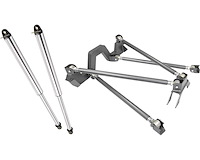
TRAIL GEAR
Trail Link Four Rear Link Suspension Kit OEM w/Air Shocks
Part Number: 542-110179-1-KIT
Ships TomorrowFree shippingLowest Price Guarantee
QA1
R356-170N Four Link and Axle, Four Link Kit with Narrowed 9in., 67-69 GM F Body, MOD Series
Part Number: 122-R356-170N
Ships on 10/15/2026Free shippingLowest price guarantee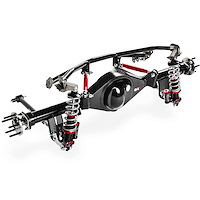
QA1
R356-170N Four Link and Axle, Four Link Kit with Narrowed 9in., 67-69 GM F Body, MOD Series
Part Number: 122-R356-170N
Ships on 10/15/2026Free shippingLowest Price Guarantee
QA1
R356-170S Four Link and Axle, Four Link Kit with OE Width 9in., 67-69 GM F Body, MOD Series
Part Number: 122-R356-170S
Ships on 10/20/2026Free shippingLowest price guarantee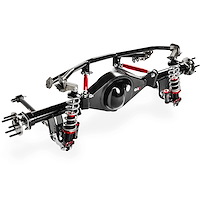
QA1
R356-170S Four Link and Axle, Four Link Kit with OE Width 9in., 67-69 GM F Body, MOD Series
Part Number: 122-R356-170S
Ships on 10/20/2026Free shippingLowest Price Guarantee
QA1
R358-170S Four Link and Axle, Four Link Kit with OE Width 9in., 68-72 GM X Body, MOD Series
Part Number: 122-R358-170S
Ships on 10/20/2026Free shippingLowest price guarantee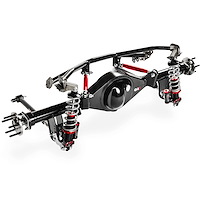
QA1
R358-170S Four Link and Axle, Four Link Kit with OE Width 9in., 68-72 GM X Body, MOD Series
Part Number: 122-R358-170S
Ships on 10/20/2026Free shippingLowest Price Guarantee
QA1
R258-170S Four Link and Axle, Four Link Kit with OE Width 9in., 68-72 GM X Body, Double Adjust
Part Number: 122-R258-170S
Ships TodayFree shippingLowest price guarantee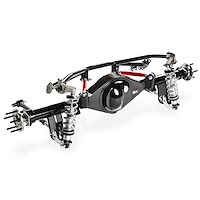
QA1
R258-170S Four Link and Axle, Four Link Kit with OE Width 9in., 68-72 GM X Body, Double Adjust
Part Number: 122-R258-170S
Ships TodayFree shippingLowest Price Guarantee
QA1
R256-170S Four Link and Axle, Four Link Kit with OE Width 9in., 67-69 GM F Body, Double Adjust
Part Number: 122-R256-170S
Ships on 10/30/2026Free shippingLowest price guarantee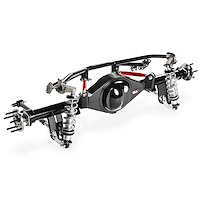
QA1
R256-170S Four Link and Axle, Four Link Kit with OE Width 9in., 67-69 GM F Body, Double Adjust
Part Number: 122-R256-170S
Ships on 10/30/2026Free shippingLowest Price Guarantee
QA1
R258-170N Four Link and Axle, Four Link Kit with Narrowed 9in., 68-72 GM X Body, Double Adjust
Part Number: 122-R258-170N
Ships TomorrowFree shippingLowest price guarantee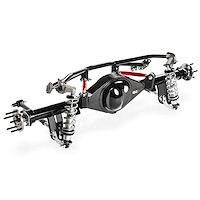
QA1
R258-170N Four Link and Axle, Four Link Kit with Narrowed 9in., 68-72 GM X Body, Double Adjust
Part Number: 122-R258-170N
Ships TomorrowFree shippingLowest Price Guarantee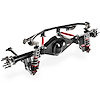
QA1
R358-170N Four Link and Axle, Four Link Kit with Narrowed 9in., 68-72 GM X Body, MOD Series
Part Number: 122-R358-170N
Ships on 10/20/2026Free shippingLowest price guarantee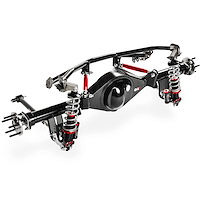
QA1
R358-170N Four Link and Axle, Four Link Kit with Narrowed 9in., 68-72 GM X Body, MOD Series
Part Number: 122-R358-170N
Ships on 10/20/2026Free shippingLowest Price Guarantee

![Suspension Tube [1/2 in.-20 Female Thread, 3/4 in. OD, 26 in. Long, 0.065 in., Zinc, D.O.M. Steel]](https://www.jegs.com/images/mini_100/0/049/049-all57096.jpg)
ALLSTAR PERFORMANCE
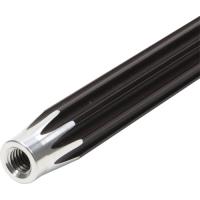
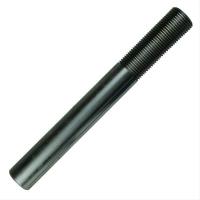
Suspension Tube [1/2 in.-20 Female Thread, 3/4 in. OD, 26 in. Long, 0.065 in., Zinc, D.O.M. Steel]
Part Number: 049-ALL57096
Ships on 10/16/2026Lowest price guarantee![Suspension Tube [1/2 in.-20 Female Thread, 3/4 in. OD, 26 in. Long, 0.065 in., Zinc, D.O.M. Steel]](https://www.jegs.com/images/mini_200/0/049/049-all57096.jpg)
ALLSTAR PERFORMANCE
Suspension Tube [1/2 in.-20 Female Thread, 3/4 in. OD, 26 in. Long, 0.065 in., Zinc, D.O.M. Steel]
Part Number: 049-ALL57096
Ships on 10/16/2026Lowest Price Guarantee![Suspension Tube [1/2 in.-20 Female Thread, 3/4 in. OD, 7 in. Long, 0.065 in., Zinc, D.O.M. Steel]](https://www.jegs.com/images/mini_100/0/049/049-all57058.jpg)
ALLSTAR PERFORMANCE
Suspension Tube [1/2 in.-20 Female Thread, 3/4 in. OD, 7 in. Long, 0.065 in., Zinc, D.O.M. Steel]
Part Number: 049-ALL57058
Ships on 10/16/2026Lowest price guarantee![Suspension Tube [1/2 in.-20 Female Thread, 3/4 in. OD, 7 in. Long, 0.065 in., Zinc, D.O.M. Steel]](https://www.jegs.com/images/mini_200/0/049/049-all57058.jpg)
ALLSTAR PERFORMANCE
Suspension Tube [1/2 in.-20 Female Thread, 3/4 in. OD, 7 in. Long, 0.065 in., Zinc, D.O.M. Steel]
Part Number: 049-ALL57058
Ships on 10/16/2026Lowest Price Guarantee![Suspension Tube [1/2 in.-20 Female Thread, 3/4 in. OD, 4 in. Long, 0.065 in., Zinc, D.O.M. Steel]](https://www.jegs.com/images/mini_100/0/049/049-all57052.jpg)
ALLSTAR PERFORMANCE
Suspension Tube [1/2 in.-20 Female Thread, 3/4 in. OD, 4 in. Long, 0.065 in., Zinc, D.O.M. Steel]
Part Number: 049-ALL57052
Ships on 10/16/2026Lowest price guarantee![Suspension Tube [1/2 in.-20 Female Thread, 3/4 in. OD, 4 in. Long, 0.065 in., Zinc, D.O.M. Steel]](https://www.jegs.com/images/mini_200/0/049/049-all57052.jpg)
ALLSTAR PERFORMANCE
Suspension Tube [1/2 in.-20 Female Thread, 3/4 in. OD, 4 in. Long, 0.065 in., Zinc, D.O.M. Steel]
Part Number: 049-ALL57052
Ships on 10/16/2026Lowest Price Guarantee![Suspension Tube [5/8 in.-18 Female Thread, 1-1/8 in. OD, 24-1/2 in. Long, 0.156 in., Polished, Aluminum]](https://www.jegs.com/images/mini_100/0/049/049-all56807-245.jpg)
ALLSTAR PERFORMANCE
Suspension Tube [5/8 in.-18 Female Thread, 1-1/8 in. OD, 24-1/2 in. Long, 0.156 in., Polished, Aluminum]
Part Number: 049-ALL56807-245
Ships on 10/16/2026Lowest price guarantee![Suspension Tube [5/8 in.-18 Female Thread, 1-1/8 in. OD, 24-1/2 in. Long, 0.156 in., Polished, Aluminum]](https://www.jegs.com/images/mini_200/0/049/049-all56807-245.jpg)
ALLSTAR PERFORMANCE
Suspension Tube [5/8 in.-18 Female Thread, 1-1/8 in. OD, 24-1/2 in. Long, 0.156 in., Polished, Aluminum]
Part Number: 049-ALL56807-245
Ships on 10/16/2026Lowest Price Guarantee![Suspension Tube [5/8 in.-18 Female Thread, 1-1/8 in. OD, 14 in. Long, 0.156 in., Polished, Aluminum]](https://www.jegs.com/images/mini_100/0/049/049-all56807-14.jpg)
ALLSTAR PERFORMANCE
Suspension Tube [5/8 in.-18 Female Thread, 1-1/8 in. OD, 14 in. Long, 0.156 in., Polished, Aluminum]
Part Number: 049-ALL56807-14
Ships on 10/16/2026Lowest price guarantee![Suspension Tube [5/8 in.-18 Female Thread, 1-1/8 in. OD, 14 in. Long, 0.156 in., Polished, Aluminum]](https://www.jegs.com/images/mini_200/0/049/049-all56807-14.jpg)
ALLSTAR PERFORMANCE
Suspension Tube [5/8 in.-18 Female Thread, 1-1/8 in. OD, 14 in. Long, 0.156 in., Polished, Aluminum]
Part Number: 049-ALL56807-14
Ships on 10/16/2026Lowest Price Guarantee![Suspension Tube [1/2 in.-20 Female Thread, 3/4 in. OD, 14 in. Long, 0.065 in., Zinc, D.O.M. Steel]](https://www.jegs.com/images/mini_100/0/049/049-all57072.jpg)
ALLSTAR PERFORMANCE
Suspension Tube [1/2 in.-20 Female Thread, 3/4 in. OD, 14 in. Long, 0.065 in., Zinc, D.O.M. Steel]
Part Number: 049-ALL57072
Ships on 10/16/2026Lowest price guarantee![Suspension Tube [1/2 in.-20 Female Thread, 3/4 in. OD, 14 in. Long, 0.065 in., Zinc, D.O.M. Steel]](https://www.jegs.com/images/mini_200/0/049/049-all57072.jpg)
ALLSTAR PERFORMANCE
Suspension Tube [1/2 in.-20 Female Thread, 3/4 in. OD, 14 in. Long, 0.065 in., Zinc, D.O.M. Steel]
Part Number: 049-ALL57072
Ships on 10/16/2026Lowest Price Guarantee![Suspension Tube [1/2 in.-20 Female Thread, 3/4 in. OD, 9 in. Long, 0.065 in., Zinc, D.O.M. Steel]](https://www.jegs.com/images/mini_100/0/049/049-all57062.jpg)
ALLSTAR PERFORMANCE
Suspension Tube [1/2 in.-20 Female Thread, 3/4 in. OD, 9 in. Long, 0.065 in., Zinc, D.O.M. Steel]
Part Number: 049-ALL57062
Ships on 10/16/2026Lowest price guarantee![Suspension Tube [1/2 in.-20 Female Thread, 3/4 in. OD, 9 in. Long, 0.065 in., Zinc, D.O.M. Steel]](https://www.jegs.com/images/mini_200/0/049/049-all57062.jpg)
ALLSTAR PERFORMANCE
Suspension Tube [1/2 in.-20 Female Thread, 3/4 in. OD, 9 in. Long, 0.065 in., Zinc, D.O.M. Steel]
Part Number: 049-ALL57062
Ships on 10/16/2026Lowest Price Guarantee![Right Hand Left Hand Suspension Tube [5/8 in.-18 Right Hand Female Thread and 11/16 in.-18 Left Hand Female Thread, 1 in. OD]](https://www.jegs.com/images/mini_100/0/049/049-all57302.jpg)
ALLSTAR PERFORMANCE
Right Hand Left Hand Suspension Tube [5/8 in.-18 Right Hand Female Thread and 11/16 in.-18 Left Hand Female Thread, 1 in. OD]
Part Number: 049-ALL57302
Ships on 10/16/2026Lowest price guarantee![Right Hand Left Hand Suspension Tube [5/8 in.-18 Right Hand Female Thread and 11/16 in.-18 Left Hand Female Thread, 1 in. OD]](https://www.jegs.com/images/mini_200/0/049/049-all57302.jpg)
ALLSTAR PERFORMANCE
Right Hand Left Hand Suspension Tube [5/8 in.-18 Right Hand Female Thread and 11/16 in.-18 Left Hand Female Thread, 1 in. OD]
Part Number: 049-ALL57302
Ships on 10/16/2026Lowest Price GuaranteeFrequently Asked Questions About 4 Link Rear Suspension
Is a 4-link suspension worth it?
For many drag cars and high-horsepower street cars, yes. A 4-link reduces axle wrap, holds pinion angle better than leaf springs and lets you tune launch behavior through bar adjustments. If your car sees mild street use, a simpler setup may be all you need.
Is a 3-link or 4-link better?
Neither is better for every build. A 3-link uses a single upper bar plus a lateral locator, which saves space and is less prone to bind when the body rolls. A 4-link spreads loads across two upper bars and is widely used in drag racing, where its adjustability helps you tune launches.
What are the disadvantages of a 4-link?
A 4-link takes more setup than leaf springs, and small geometry errors can hurt traction or cause bind. Custom and weld-on kits require precise measuring and fabrication. Parallel layouts also need a Panhard bar or track bar, which adds parts and cost.
Does a 4-link ride better than leaf springs?
A 4-link usually rides and handles better because the bars locate the axle while coil springs or coil-overs carry the weight. Leaf springs do both jobs at once, which can lead to axle wrap under hard acceleration. If you want to keep your leaf springs, our traction bar installation guide shows a simpler way to control wrap.
Does a 4-link change pinion angle?
Yes. Changing bar length or bracket position rotates the housing and changes pinion angle, so check it after installation and after every adjustment. Set it to work with your transmission and driveshaft angles to help avoid vibration and U-joint wear. Our driveline angle guide walks through how to measure it.